What to Actually Eat at a Korean Convenience Store (24/7 in Seoul)
A locally-written guide to eating out of GS25, CU, 7-Eleven and Emart24 in Seoul. The triangle kimbap order, the hot-bar shortcut, the ramyeon counter trick, and what to skip.
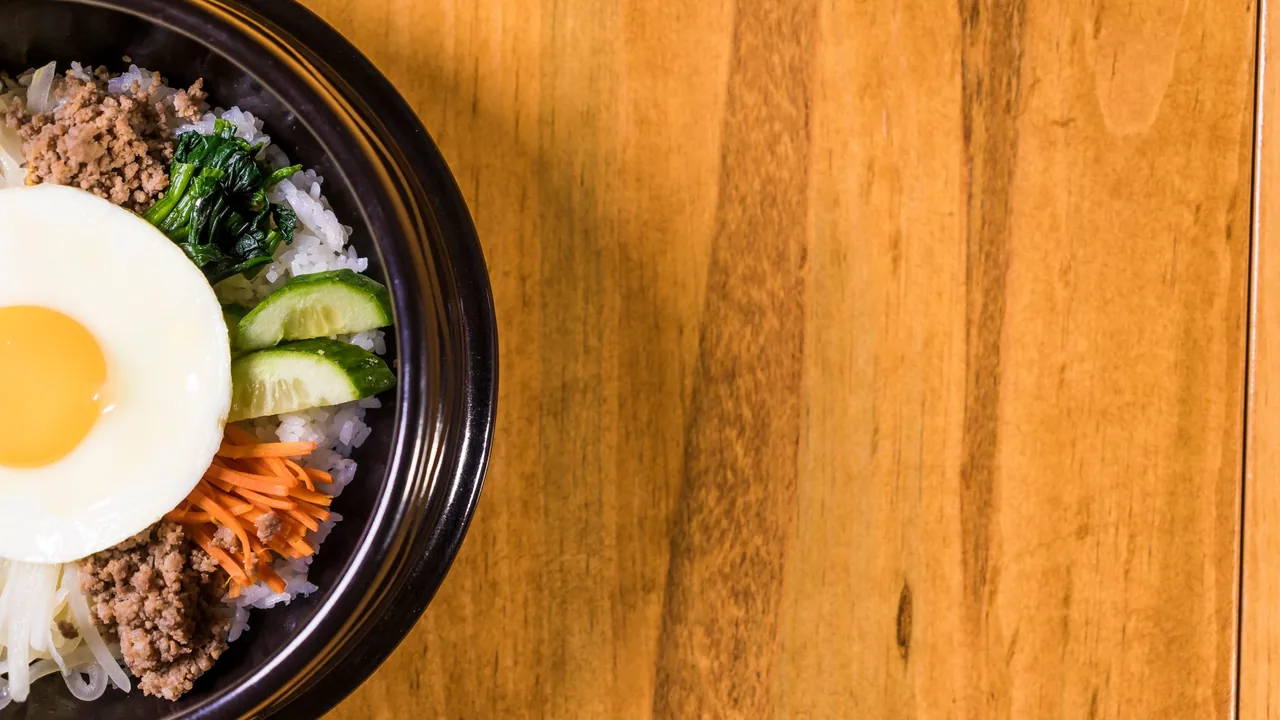
If you live in Seoul long enough, the convenience store stops being a convenience and becomes a kitchen. The four big chains (GS25, CU, 7-Eleven and Emart24) had 53,266 stores at the end of 2025 according to the Ministry of Trade, Industry and Energy, and many branches in central Seoul stay open 24 hours. Most carry a microwave, hot water dispenser, ramyeon counter and freezer, and the food is genuinely good — not 'good for a gas station' but actually good. This guide is about what to order, in what combination, at what time of night, written from the perspective of people who actually live and eat this way.
We have an older, broader piece on convenience-store culture and the four big chains. This one is narrower — it is just about what to put in your basket and how to assemble it once you get to the counter. Facts and prices were rechecked on 4 October 2026 against the sources listed at the end of this guide. Shelf prices vary by store and change often, so treat every won figure here as a guide and confirm it on the tag.
The four chains, ranked by what they do best
After hundreds of late-night runs, here is our honest ranking. GS25 wins on coffee (a Café25 hot Americano had a regular price of about ₩1,300 and ran ₩1,000 promotions in the latest published figures we found, from March 2025) and on the lunch-box reheating game. CU wins on collaboration items and seasonal limited drops — if a Netflix-show snack is going viral, it usually started at CU. 7-Eleven Korea has the strongest fresh kimbap roster, slightly better than the others. Emart24 leans toward imported wine and craft beer, which matters if you are doing a hotel-room dinner with an actual bottle.
For 80% of meals these chains are interchangeable. The store closer to your hotel beats the chain you prefer. Walk in, pick by what is on the shelf that day, and move on.
The triangle kimbap, properly opened
Triangle kimbap (samgak gimbap) is the convenience-store food. Prices vary by chain and by item: CU relaunched a ₩990 triangle kimbap in January 2025, 7-Eleven's tuna-mayo was listed at ₩1,200 in April 2026, and the larger premium versions cost more. Refrigerated, plastic-wrapped over rice and dried seaweed kept dry by an internal divider. The single most common mistake foreign visitors make is pulling the wrapper apart wrong, which dumps the seaweed and turns dinner into a wet rice ball.
- Pull the long red strip from the top of the wrapper, all the way down. This is the clean cut.
- Pull the corner labeled '2' away from the rice — this removes the upper plastic layer.
- Pull the corner labeled '3' from the other side — this removes the lower plastic layer and lets the seaweed wrap directly around the rice.
- Eat immediately. The seaweed gets soggy within five minutes of being wrapped.
Best fillings, in our local ranking: bulgogi (sweet beef), spicy pork (jeyuk), tuna mayo (chamchi), and during winter the kimchi-and-spam combination. Skip the cream-cheese ones; they sound interesting but rarely deliver.
The ramyeon counter, the Seoul late-night classic
Most convenience stores have a corner with a hot-water dispenser, plastic chopsticks, and a wall of cup ramyeon. The hot-water dispenser pulls boiling water from a built-in heater; you fill the cup to the inside line, wait three minutes (some cup-noodles want four), and eat at the standing counter or the small bar by the window. This is genuinely how Seoul college students eat dinner before midterms, and how taxi drivers eat between shifts.
The order most locals actually run: a Shin Ramyun cup, a triangle kimbap, and a Binggrae Banana Milk for after. Our estimate from current shelf prices is roughly ₩4,500-₩5,500 in total (about $3-4). Nongshim raised the factory price of its cup ramyeon by an average of 6.0% on 1 August 2026, so cups sit a little higher than in older guides. This is also the standard 'I just got off a plane at Incheon and want something hot' order — most airport-railway stations and hotel blocks in Myeongdong have a convenience store within a couple of minutes' walk, and many of them run 24 hours.
The hot bar — the most underrated section
The hot-bar (heated rotisserie counter) is the section foreign visitors most often miss. It holds skewered Korean fish-cake sausages, sweet-and-spicy chicken bites, baked sweet potatoes, and during winter a dedicated odeng (fish-cake) tank with hot broth. Items are served hot and come on a wooden stick; check the tag for the price. Every chain stocks slightly different items, so look at what the counter holds that day.
- Hot bar (핫바) — fish-and-pork sausage on a stick. Pair with a beer.
- Baked sweet potato (goguma) — wrapped in foil and kept warm in the heater, mostly a winter item. Check the tag for the price, which varies with size.
- Tteokbokki cup (떡볶이) — pre-portioned spicy rice cake; pour in hot water, microwave 90 seconds, stir. Less spicy than restaurant tteokbokki.
- Odeng (오뎅) broth — only sold in winter at certain stores.
The drinks aisle, decoded
Korea has a unique drinks economy. Binggrae Banana Milk in its squat, gourd-shaped yellow bottle has been a national object since 1974 and remains the unofficial post-meal drink. Coffee-shop Maxim Mocha Gold sticks are a 50-year institution, but Café25 fresh espresso (GS25) is the better modern choice. Soju is sold cold at convenience stores for about ₩2,000 a 360 ml bottle (Seoul Tourism Organization, September 2026), with cups available at the counter on request.
Multi-can beer deals are the foundational hotel-room-snack stack, but the old flat 'four cans for ₩10,000' no longer describes the market: GS25 moved its 500 ml cans to three for ₩9,000 in 2024, and deals now rotate monthly by chain and by payment card. In June 2026, for example, GS25 sold six popular beers for ₩12,000 with selected Korean cards and CU sold eight cans of two domestic beers (Hanmaek and Kelly) for ₩16,000. A single 500 ml domestic can is about ₩2,500. Cass, Terra and Kelly are the domestic names.
Things to skip
Not everything in a Korean convenience store is gold. We routinely steer visitors away from the pre-made sandwiches with sweet-cream filling (the bread is fine but the sweet-savory combination rarely lands), the imported chocolate, and the ramen-with-cheese cups (the cheese powder oxidizes; a real cheese slice is better).
Etiquette and the eat-in tables
Most Seoul convenience stores have a small standing or sitting counter for eating in. There are three quiet rules. First, do not occupy the seat for longer than you are eating; people are coming in and out. Second, take your trash to the bin separated by category — paper, plastic, food waste, and cans/bottles all go to different bins. Third, if you see a 'no eat-in' sign at a smaller branch, respect it; some downtown stores cannot fit the chairs and dishes-out.
This piece is intentionally narrow. If you want our broader take on the four chains, the cultural history, and the prepaid-card / transit-card / banking-ATM tricks built into Korean convenience stores, see our earlier full guide. This one is just the food, just the way locals actually order it.
Frequently asked questions (FAQ)
How many convenience stores are there in Korea, and are they open 24 hours?
The four big chains (GS25, CU, 7-Eleven and Emart24) had 53,266 stores at the end of 2025, the first yearly decline since the Ministry of Trade, Industry and Energy began counting in 2020. Many branches in central Seoul run 24 hours, but hours are set by each branch, so check the door sign or the map listing.
How much does a convenience-store meal cost in Seoul?
Our estimate is roughly ₩4,500-₩5,500 (about $3-4) for a cup ramyeon, a triangle kimbap and a banana milk. Triangle kimbap prices vary: CU relaunched a ₩990 one in January 2025 and 7-Eleven's tuna-mayo was listed at ₩1,200 in April 2026. Nongshim raised cup ramyeon prices by an average of 6.0% on 1 August 2026, so check the tag.
How old do I have to be to buy beer or soju, and do I need ID?
In Korea a minor is anyone under 19 in international age, except people who turn 19 during the calendar year, who count as adults from 1 January of that year (Youth Protection Act, Article 2). Staff can ask for ID, so carry your passport.
Can I eat inside a Korean convenience store?
Most Seoul branches have a small counter for eating in. Do not hold a seat longer than you are eating, sort your trash into the paper, plastic, food-waste and can-and-bottle bins, and respect a no-eat-in sign at smaller branches.
Which chain is best for coffee, kimbap and beer?
As a rough guide, GS25 is best for coffee and reheated lunch boxes, CU for collaboration and seasonal items, 7-Eleven for fresh kimbap and Emart24 for imported wine and craft beer. For most meals the chains are interchangeable, so use the one closest to you.
Sources and last check (October 2026)
Checked on 4 October 2026. Where a current 2026 shelf price could not be confirmed, this guide gives an estimate or the latest published figure and says so.
- Store count, 53,266 at the end of 2025 (Ministry of Trade, Industry and Energy data, reported 28 January 2026): https://www.khan.co.kr/article/202601281307001/
- Nongshim cup ramyeon price increase of an average 6.0% from 1 August 2026: https://www.newsis.com/view/NISX20260724_0003721857
- CU ₩990 triangle kimbap relaunch (7 January 2025): https://byline.network/2025/01/cu-990원-삼각김밥-출시
- 7-Eleven tuna-mayo triangle kimbap at ₩1,200 (April 2026): https://biz.newdaily.co.kr/site/data/html/2026/04/09/2026040900083.amp.html
- GS25 Café25 Americano regular price ₩1,300 and ₩1,000 promotion (March 2025, latest figure found): https://biz.newdaily.co.kr/site/data/html/2025/03/03/2025030300012.amp.html
- Convenience-store soju about ₩2,000 and domestic 500 ml beer about ₩2,500 (updated 9 September 2026): https://www.seoultourism.org/korean-alcohol-guide/
- June 2026 beer deals at GS25 and CU: https://www.khan.co.kr/article/202606011137001
- GS25 beer deal change to three 500 ml cans for ₩9,000 (announced 28 December 2023): https://biz.sbs.co.kr/amp/article/20000150429
- Binggrae Banana Milk as a tourist must-buy (23 September 2025): https://view.asiae.co.kr/article/2025092310430523770
- Definition of a minor, Youth Protection Act Article 2: https://www.law.go.kr/법령/청소년보호법
About this guide
KORLENS is run by one person (KunStudio, a solo studio in Korea), not an editorial team. Guides are AI drafts based on public sources; some use Korea Tourism Organization TourAPI open data. KORLENS does not claim on-site visits or scheduled re-checks, so confirm hours, prices and closures with the venue before you go. Page last edited: 2026-10-04.
Prefer a guided version of this?
Browse guided Seoul tours on GetYourGuide. If you book through this link, KORLENS may earn a commission at no extra cost to you.
See Seoul tours on GetYourGuidePlan your Korea trip with the KORLENS AI chat
Got a follow-up question after reading this? Ask the KORLENS AI chat in plain English. It is an AI assistant, not a person, and it replies in seconds with places from Korea Tourism Organization open data.
Ask the KORLENS AI chatCurious about Korean Saju? Try sajuapp.app
1,000-year-old Korean astrology, decoded by AI — available in 9 languages.
Is it worth visiting, the best time to go, crowds and real cost.
Best time to visit Seoul, month by month →Hongdae Nightlife 2026: Clubs, Live Music, Food
A guide to Hongdae nightlife: clubs that are still good in 2026, live-music venues, late-night food, and the touristy places to skip.
Best Rooftop Bars in Seoul (2026): 9 Checked Hotel Sky Bars and View Spots
Nine Seoul rooftop bars and view cafes checked against their own official pages in October 2026: floor, hours, address, reservation and dress notes, plus what each costs and who it suits.