KORLENS

Korea Travel Niche · 2026 Trend

Historical Korea — Verified UNESCO Sites, Joseon Royal Palaces, Three Kingdoms Tombs

Korea has 14 UNESCO World Heritage sites and 22 living-heritage cultural elements, and KORLENS maps each by accessibility, ticket price, English-tour availability, and the historical period it actually belongs to.

English-language Korea travel guides flatten history into 'visit a palace.' This guide structures the country by dynasty (Three Kingdoms / Goryeo / Joseon / Modern) so travelers can build itineraries that follow a coherent timeline.

For history-curious travelers who want Korea trips structured by era — not by Instagram density — and who care about which UNESCO sites are worth the ticket and which are tourist-track.

UNESCOHistorical sitesJoseon palacesSilla heritageKorean history

Four ways travelers approach this niche

Pick the lens that matches where you are in trip planning.

Inspiration

How to read Korea by dynasty, not by Instagram

Three Kingdoms era (57 BCE to 668 CE) is in Gyeongju (Silla), Gongju/Buyeo (Baekje), and the Goguryeo tomb sites near the DMZ. Goryeo dynasty (918 to 1392) is in Gaeseong (now North Korea) and Ganghwa Island. Joseon (1392 to 1897) is mostly Seoul + Andong + Suwon. Modern (1897 onward) is Incheon's Chinatown and the Demilitarized Zone. Build itineraries by following one dynasty's chain — it produces much better trips than the standard palace-tour rotation.

Comparison

Gyeongju vs. Kyoto — honest history comparison

Kyoto wins on architectural density and continuous lineage (most Kyoto temples were rebuilt many times but maintain original wooden compounds). Gyeongju wins on archaeological depth (the Silla tombs are intact since the 5th century and excavable). Gyeongju is also walkable in 1 day vs Kyoto's 3-day minimum, and 70% cheaper end-to-end.

Book Now

Book guided heritage tours or palace tickets

Gyeongbokgung Palace English-guided tours run free at 11:00, 13:30, and 15:30 — no booking required, but arrive 15 minutes early. For Gyeongju, GetYourGuide and Klook both list full-day private tours from ₩180,000–₩240,000 with English guide. For DMZ, KKday's tour is the only one that includes the JSA portion when geopolitical conditions permit.

Near You

Closest heritage site to you, right now

From central Seoul, Changdeokgung (UNESCO) is a 10-minute subway ride from City Hall. From Busan, Tongdo Temple (the Buddha-bone reliquary) is a 1-hour bus ride. From Daegu, Haeinsa Temple (Tripitaka Koreana — UNESCO) is 1h 30m by KORAIL + connecting bus. None require advance booking for general admission.

Top 5 hotspots in Korea

  1. 1

    Gyeongju (Gyeongbuk)

    Silla dynasty capital; the densest UNESCO heritage cluster in Korea.

  2. 2

    Andong Hahoe Folk Village (Gyeongbuk)

    UNESCO 2010; living Joseon-era village still inhabited.

  3. 3

    Suwon Hwaseong Fortress (Gyeonggi)

    Late-Joseon engineering masterpiece; full English audio guide.

  4. 4

    Baekje Historic Areas (Chungnam: Gongju, Buyeo, Iksan)

    Three Kingdoms-era Baekje; less crowded than Gyeongju.

  5. 5

    Jongmyo Shrine (Seoul)

    Royal ancestral rites; the music tradition is UNESCO intangible heritage.

Local insider tip

What English-language guides miss

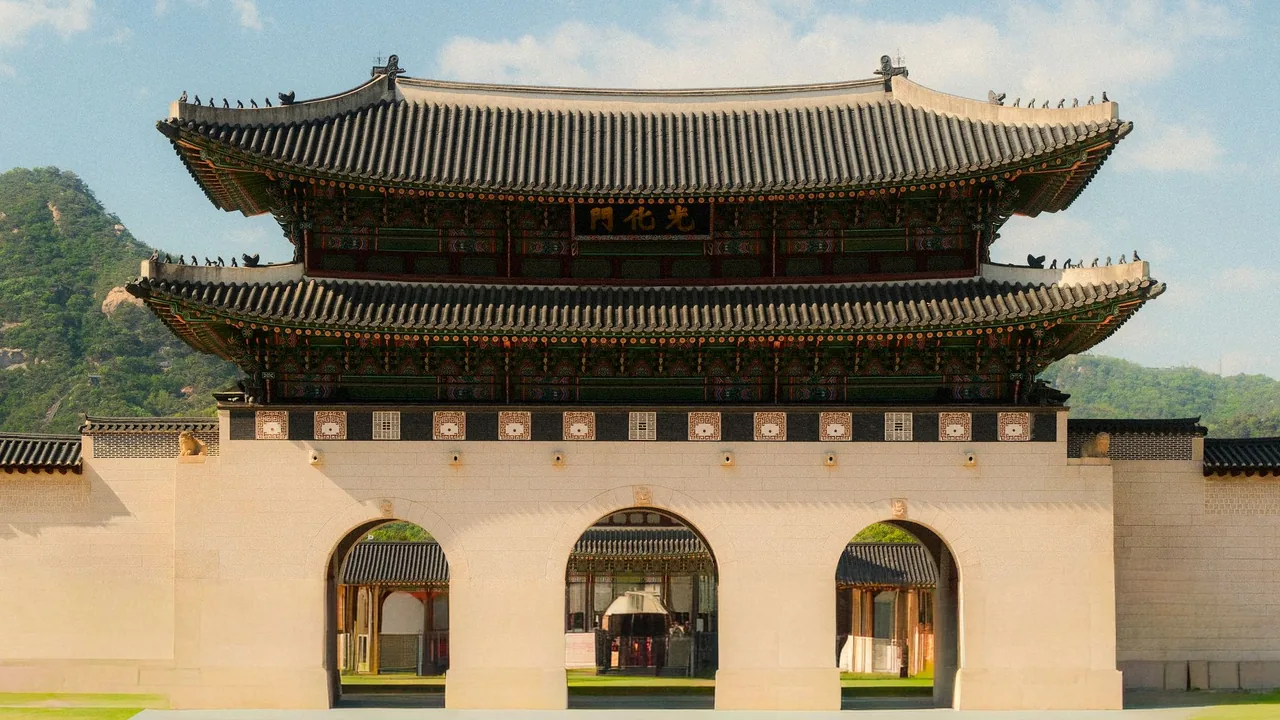
Gyeongbokgung Palace is free for visitors wearing hanbok (Korean traditional dress), and several hanbok rental shops in walking distance charge ₩15,000–₩25,000 for 4-hour rentals — making the palace ticket effectively free while letting you photograph in period dress. The same rule applies at Changdeokgung, Deoksugung, Changgyeonggung, and Jongmyo. English-language guides rarely mention this discount.

Verify on Visit Korea (KTO)

Frequently asked questions

Which Korean palace is best for first-time visitors?

Gyeongbokgung — largest, most reconstructed, English audio guides, free changing-of-the-guard ceremonies daily at 10am and 2pm. Changdeokgung is the better choice if you prefer original Joseon-era structures (less reconstructed) and want to see the Secret Garden by guided tour.

How many days for Gyeongju?

Two days minimum if you want to see the main UNESCO cluster (Bulguksa, Seokguram, the Silla tomb park, Cheomseongdae observatory, Anapji night-lit pond). One day is possible but rushed. Three days adds the Yangdong UNESCO village outside the city.

Can I visit the DMZ in 2026?

Yes, but the JSA (Joint Security Area) portion is closed to civilian visitors due to ongoing geopolitical conditions. The Imjingak / Third Tunnel / Dorasan Observatory portion remains open and is accessible only via licensed tours — independent visits are not permitted.

Build a custom Korea trip around this niche

KORLENS routes Korea itineraries by interest — eco, solo, vegan, history, mart shopping, bookstore pilgrimage, or trail-cafe. Chat with a local-trained guide to plan a 3 to 7 day trip around the picks above.

Chat with KORLENS