Daejeon Cherry Blossom 2026: Best Spots and Exact Timing
Skip Seoul crowds. Daejeon's cherry blossoms peak 3–5 days earlier and cost half the price. Best neighborhoods and insider etiquette rules.
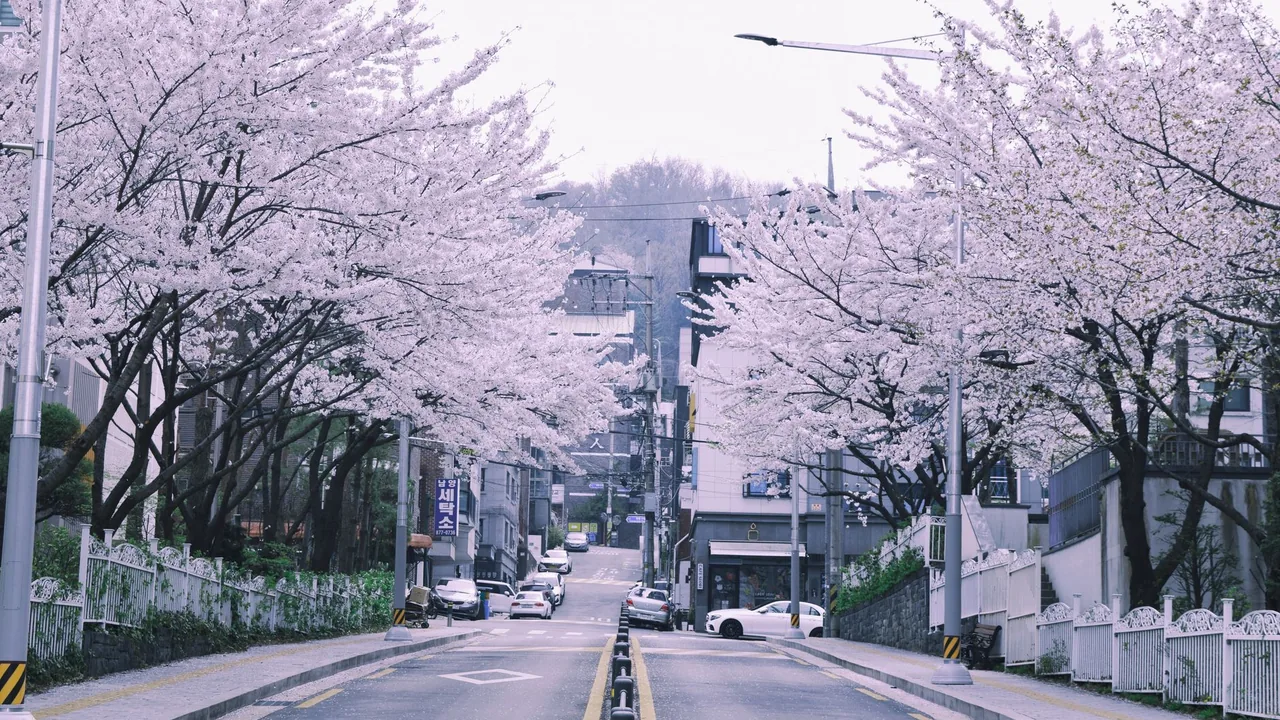
The 2026 cherry blossom season has ended. Unverified 2026 bloom dates were removed from this guide. The 2027 forecast is here: Korea Cherry Blossom Forecast 2027.
# Daejeon Cherry Blossom 2026: Best Spots and Exact Timing
Why You Should Skip Seoul for Daejeon
You've probably heard the cherry blossom hype around Seoul—and yes, those blossoms are stunning. But here's the insider truth: Daejeon's cherry blossoms bloom 3 to 5 days earlier than Seoul, which means you can catch peak bloom before the crowds descend, and you'll spend significantly less on accommodations and food.** Daejeon's spring festivals feel genuinely local, not performative. You'll actually move through parks without shuffling through 50,000 other tourists, and you can eat a proper meal for ₩8,000–₩12,000 instead of ₩25,000+.
If you're planning a spring trip and want maximum beauty with minimum chaos, Daejeon deserves your calendar slot.
---
How Daejeon's Cherry Blossom Timing Differs from Seoul
Daejeon sits roughly 160 km south of Seoul and experiences slightly warmer daytime temperatures—especially in late March and early April. This 3- to 5-day head start means:
- Peak bloom window: typically late March to early April
- Seoul's peak window: typically around April 5–7
This matters for planning. If you're working with limited time, you can hit Daejeon during its peak and still catch early bloom in Seoul if you time it right. Daejeon also tends to hold its blossoms longer than Seoul because afternoon temperatures stabilize earlier in the season—wind and rain don't strip petals as aggressively during April.
Weather-wise, expect:
- Late March: 8–14°C, occasional rain showers
- Early April (peak): 12–18°C, mostly dry, afternoon sun
- Mid-April onward: 15–22°C, petals begin falling
Pack layers. Daejeon spring mornings are colder than you'd expect.
---
7 Best Cherry Blossom Spots in Daejeon
Location: Jung-gu, downtown Daejeon (near Daejeon Station)
What to expect: 1.2 km of pedestrian paths lined with ~600 cherry trees. This is Daejeon's unofficial cherry blossom epicenter, but even at peak bloom, it's manageable—roughly 5,000–10,000 daily visitors vs. Seoul's 200,000+.
Cost: Free entry
Best time: 7 AM–9 AM (beat breakfast crowds) or 5 PM–7 PM (golden hour light for photos)
Logistics: Direct subway access (Line 1, Daejeon Station exit 1). Convenience stores and food trucks cluster at the south entrance; picnic supplies from GS25 cost ₩2,000–₩7,000.
---
Location: Yuseong-gu (20 min from downtown by subway)
What to expect: 800+ trees scatter through residential streets and park grounds. This area's appeal: you can spend morning photographing blossoms, afternoon soaking in a jjimjilbang (Korean bathhouse). Many resorts here offer 2-hour packages (₩25,000–₩45,000 per person).
Cost: Park access free; spa facilities ₩25,000–₩55,000 depending on package
Best time: visit between 10 AM–3 PM, then spa after 4 PM
Logistics: Subway Line 1, Yuseong Station. Walk 10–15 min into the district. Hotels and spas cluster around the station; budget ₩120,000–₩200,000/night for mid-range spa resort rooms.
---
Location: Daedeok-gu, east Daejeon (20 min by car or 40 min by bus)
What to expect: Smaller, quieter spot with 200–300 trees and actual water features (rare for cherry blossom spots). Locals come here to escape the park crowds. Footfall is roughly 30% of Daejeon Park.
Cost: Free entry
Best time: morning (7 AM–11 AM) before families arrive
Logistics: Bus 101 from downtown (₩2,500, 35 min) or taxi (₩18,000–₩22,000). Parking free. Limited food options—bring snacks or eat in Daedeok-gu beforehand.
---
Location: Seo-gu, along the Gapcheon River
What to expect: 4 km of riverside walking path with 350+ cherry trees. This spot's magic: blossoms reflect in water during morning light. It's genuinely photogenic and rarely crowded because it's less central than Daejeon Park.
Cost: Free entry
Best time: 6 AM–8 AM (mist + light = photography gold)
Logistics: Subway Line 1, Gapcheon Park Station (exit 1). 5 min walk. Convenience stores within 100 m; nearby restaurants offer set meals (₩9,000–₩15,000).
---
Location: Yuseong-gu, adjacent to National Science Museum
What to expect: 250+ trees interspersed with sculpture installations and walking trails. If you're bringing kids or enjoy combining sightseeing with cultural content, this works well. Less crowded than main parks, good for half-day visits.
Cost: Park free; museum entry ₩5,000–₩12,000 (optional)
Best time: 10 AM–3 PM
Logistics: Subway Line 1, Science Park Station. 10 min walk. Cafés and food courts inside science complex; lunch ₩10,000–₩18,000.
---
Location: Yuseong-gu, site of 1993 World Expo
What to expect: 1.5 km of manicured grounds, 400+ trees, permanent sculptures and themed gardens. This site hosts organized cherry blossom festivals in early April—expect live music, food stalls, and organized events. More commercialized than other spots but excellent if you want full festival atmosphere.
Cost: Park free; festival activities ₩5,000–₩20,000 depending on events
Best time: during the official festival dates (check the Daejeon tourism site for the current schedule)
Logistics: Subway Line 1, Expo Park Station. Direct access. Festival food vendors charge ₩8,000–₩15,000 per item; plan ₩30,000–₩50,000 for snacks/light meals.
---
Location: 40 km northeast (scenic drive, 1 hour by car)
What to expect: Reservoir surrounded by cherry trees and hiking trails. This is a full-day destination for serious nature lovers—fewer tourists, more solitude, but requires transportation.
Cost: Free entry
Best time: the lake area peaks slightly later due to elevation
Logistics: Rental car essential (₩60,000–₩100,000/day) or organized tour (₩80,000–₩120,000 pp). Nearby restaurants in small towns: ₩12,000–₩18,000 per meal. Pack water and snacks.
---
Etiquette & Practical Tips for Daejeon Cherry Blossom Season
- Arrive before 8 AM or after 5 PM — Midday (10 AM–4 PM) crowds triple. Early morning light is also better for photography.
- Bring your own trash bag — Korea has limited public bins. Respect local parks by carrying waste out.
- Don't climb trees or shake branches — It's culturally disrespectful and technically illegal. You'll get called out by locals.
- Picnic etiquette: sit on provided mats or designated areas — Don't sprawl across grass claiming territory. Keep picnics to 1–2 hours max during peak times.
- Photography drones are restricted — Don't fly drones in city parks. You'll face fines (₩100,000+).
- Wear comfortable walking shoes — Parks are flat, but you'll walk 5+ km easily. Sneakers are standard; sandals are frowned upon.
- Cash is still king at small vendors — Bring ₩50,000–₩100,000 in small bills. Many food trucks and elderly vendors don't accept cards.
- Respect designated photo zones — Some parks section off areas for professional shots. Don't trespass; wait your turn.
- Alcohol is legal but be discreet — Koreans drink during hanami, but excessive behavior draws police attention. Keep it moderate and low-profile.
- Download offline maps — Daejeon's free WiFi is spotty in parks. Use Naver or Kakao Map offline mode before arriving.
---
Frequently Asked Questions
A: The 2026 season is over, and this guide does not give an observed 2026 peak date for Daejeon. In a normal spring (no late frost, no extreme heat), peak bloom typically falls in the first week of April. Monitor Korea Meteorological Administration forecasts starting mid-March for precise predictions. Local news outlets (Daejeon MBC, Daejeon SBS) usually announce peak bloom 3–5 days in advance.
A: Full bloom lasts 7–10 days total. Petals begin falling visibly after day 5–6 if weather is warm and windy. If you miss peak by 2–3 days, you'll still see 40–60% of trees in bloom, which is perfectly beautiful and significantly less crowded.
A: Absolutely worth staying overnight. Here's the math: Seoul-Daejeon round-trip KTX costs ₩70,000–₩90,000 per person. A mid-range Daejeon hotel runs ₩100,000–₩150,000 (split between two people, it's cheaper than transport + parking). You also catch the best early-morning light and avoid 3-hour transit fatigue. Budget ₩250,000–₩350,000 total per person for 1 night (accommodation + meals + activities).
A: Public transit covers 80% of popular spots. Subway + walking reaches Daejeon Park, Gapcheon Park, Yuseong, Expo Park, and Science Park easily. A car makes sense only if you're visiting Daecheong Lake or combining Daejeon with countryside explorations. For a 1–2 day cherry blossom trip, skip the rental and use subway (₩2,500 per ride, unlimited transit card ₩25,000).
A: Per person (local prices): Transit ₩10,000–₩15,000 | Meals ₩25,000–₩35,000 | Attractions ₩0–₩15,000 (most parks free) | Coffee/snacks ₩10,000–₩15,000 | Total: ₩45,000–₩80,000 (~$35–$60 USD). This assumes day trip from Seoul or nearby city. Overnight stays add ₩100,000–₩150,000 per night.
A: Book by mid-February. Daejeon hotels fill faster than you'd expect once Seoul dates are announced. Mid-range hotels (₩100,000–₩150,000/night) often sell out by March 15. Budget hotels (₩60,000–₩90,000) have more availability but book those by early March. Hostels offer last-minute spots but expect ₩30,000–₩50,000for shared dorms.
---
Ready to Experience Daejeon's Cherry Blossoms?
Daejeon offers everything Seoul's cherry blossom scene promises—stunning visuals, cultural immersion, excellent food—without the overwhelming crowds or wallet drain. By arriving 3–5 days earlier than Seoul's peak, you're strategic, not just spontaneous.
Next steps:
- Save this post and set a calendar reminder for mid-March to monitor weather forecasts
- Book accommodation by mid-February to secure mid-range hotels at fair prices
- Check Daejeon tourism website (daejeon.go.kr) in late March for official festival dates and live bloom updates
Ask the KORLENS AI chat for Daejeon spring blossom spot suggestions based on your interests. It is an AI assistant that replies in seconds, not a human team, and it works from Korea Tourism Organization open data. Also visiting Seoul? Seoul Local Picks covers Seoul only.
Spring in Daejeon isn't second-best—it's smarter.
Next Step
About this guide
KORLENS is run by one person (KunStudio, a solo studio in Korea), not an editorial team. Guides are AI drafts based on public sources; some use Korea Tourism Organization TourAPI open data. KORLENS does not claim on-site visits or scheduled re-checks, so confirm hours, prices and closures with the venue before you go. Page last edited: 2026-10-04.
Plan your Korea trip with the KORLENS AI chat
Got a follow-up question after reading this? Ask the KORLENS AI chat in plain English. It is an AI assistant, not a person, and it replies in seconds with places from Korea Tourism Organization open data.
Ask the KORLENS AI chatCurious about Korean Saju? Try sajuapp.app
1,000-year-old Korean astrology, decoded by AI — available in 9 languages.
Is it worth visiting, the best time to go, crowds and real cost.
7 Best Day Trips from Daejeon (2-Hour Radius, 2026)
Skip the tourist traps. These 7 countryside day trips from Daejeon hit the sweet spot between accessibility and authenticity—all within 2 hours by car or train.
Daejeon 3-Day Itinerary for First-Time Visitors (2026)
Skip Seoul crowds. Daejeon's skyline city center, science museums, and local food scene offer authentic Korea without the tourist crush. Your insider 3-day guid