12 Ulsan Photography Spots for Instagram (2026 Local Picks)
Skip the crowded Seoul temples. Ulsan's industrial heritage, coastal cliffs, and hidden waterfalls offer raw, authentic ulsan photography spots that actually fe
# 12 Ulsan Photography Spots for Instagram (2026 Local Picks)
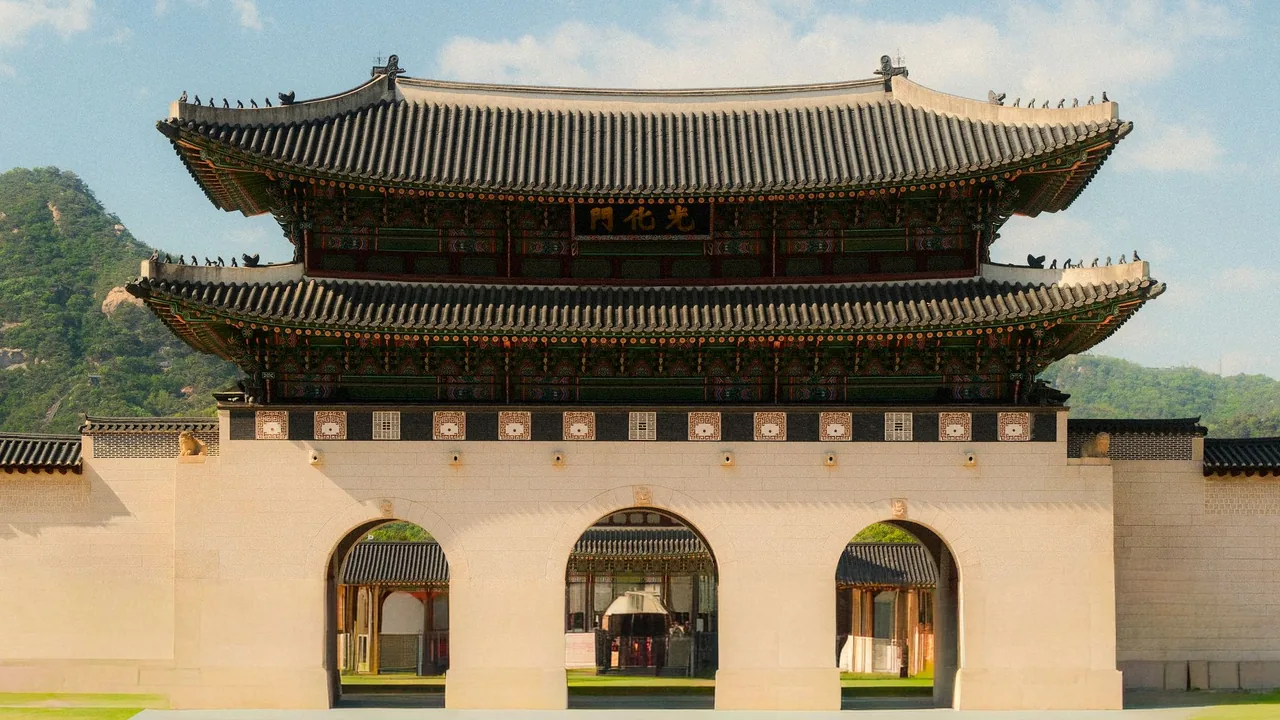
Ulsan isn't on most travelers' Instagram feeds—and that's precisely why you should be photographing here. While Seoul chokes under filtered crowds at Gyeongbokgung Palace, you'll find genuinely gritty industrial landscapes, untouched coastal cliffs, and a thriving whale-watching heritage that reads like a visual storyteller's dream. The city's identity sits at the intersection of blue-collar Korea and raw natural beauty, and if you know where to look, you'll capture images that actually stop scrollers mid-swipe.
This isn't a list of tourist board recommendations. These are the spots where local photographers—and the few travelers who dig deeper—actually spend their golden hour.
Beyond Cliché Shots: What Ulsan Locals Actually Post
Forget cherry blossoms and palace gates. Ulsan's visual language is different, and that's what makes it compelling.
Local photographers here chase industrial decay aesthetics: rusted shipyard gates, weathered container stacks, and the brutal geometry of the Ulsan Bridge catching afternoon light. The city's shipbuilding legacy—it's one of the world's largest—creates accidental modernist compositions that feel more authentic than anything you'll stage.
The second thread is coastal minimalism. Ulsan sits on the southeast coast, and its cliffs, rocky beaches, and fishing villages offer moody seascapes without the Instagram crowds. You'll see locals posting misty dawn shots from Taehwagang Park or late-afternoon silhouettes from Bangudae Cliff.
Third: whale season authenticity. Between May and August, humpback whales migrate through Ulsan's waters. Photographers camp out at observation points not for the guaranteed whale shot (those are rare), but for the ritual—boats, binoculars, morning light, and the possibility of something extraordinary. That anticipation reads in the frame.
The fourth (and most underrated) angle is urban parks as breathing spaces. Parks like Taehwagang feel like locals' secrets: pine groves, riverside walks, and enough architectural variety to sustain a shoot across all seasons.
The 12 Best Ulsan Photography Spots
Location: Jung-gu, near the coast | Best time: Sunset, 5:00–7:00 PM | Entry: Free
This isn't a secret anymore among Korean photographers, but it deserves the reputation. Bangudae is a 300-meter ancient rock wall that looks like it was carved for cinema—jagged vertical lines, weathered gray stone, and if you time it right, the East Sea turning molten gold behind it. The walk to the cliff takes 20 minutes through coastal scrub, so you'll shed casual tourists before you arrive.
What locals know: Go 45 minutes before sunset, not during. The light before the sun hits the horizon is cleaner and feels less clichéd. Bring a telephoto lens (70mm+) to compress the layers—cliff, sea, horizon.
Location: Nam-gu | Best time: Early morning, 6:30–8:00 AM | Entry: Free | Parking: ₩2,000/hour
This 411-hectare park transformed the Taehwacheon river basin into Ulsan's breathing lung. For photography, it offers three distinct zones: the bamboo forest (moody, tall framing), the riverside promenade (clean lines, mirrored reflections in still water), and the elevated deck (panoramic views of the city's industrial skyline meeting nature).
Local photographers rotate through seasons here. Spring brings new growth and crane sightings; summer offers dense greens; autumn edges everything in gold. Winter is honestly the best—bare trees, mist rising off the river, zero crowds.
Pro move: Rent a bike (₩5,000/day) and shoot from multiple decks. The elevated paths offer angles most pedestrians miss.
Location: Dong-gu | Best time: Twilight hour, 6:15–7:30 PM | Entry: Free | Viewing platform: Nam-gu side (free access)
At 11.6 kilometers long, this bridge is an engineering statement. The steel cables, the graceful curve, and the way it divides Ulsan's industrial waterfront from its residential sprawl create compositional gold if you're into architectural photography.
The best angle is from the Nam-gu observation area on the northern shore—you'll capture the full span with the city lights beginning to glow behind it. The bridge itself is photogenic 24/7, but twilight catches the sodium vapor lights warming against the steel.
Cost reality: Free; parking costs ₩2,000/hour if you drive to the viewing area.
Location: South-gu | Best time: Early morning, 5:30–7:00 AM | Museum entry: ₩5,000/adults | Parking: Free
Whale-watching season (May–August) transforms this working port into something between documentary and poetry. You're photographing actual fishing and whale-watching boats departing, nets being mended, the visceral infrastructure of a still-living maritime tradition.
The museum itself is functional and unglamorous—which is exactly why it photographs well. Weathered signs, observation decks with genuine working views, and the quiet melancholy of a heritage industry that's been hunted nearly to extinction. The juxtaposition of hope (whale sightings) and history (whaling past) reads in every frame.
Locals shoot here for the texture and story, not for pretty sunsets.
Location: East-gu & Nam-gu | Best time: Night, 8:00 PM–midnight | Entry: Limited; accessible from public roads | Cost: Free
This is the real Ulsan. The industrial complex runs for kilometers—refineries, chemical plants, steel mills—and at night, it's a light show of red, blue, and white industrial luminescence that feels post-apocalyptic in the best way.
You can't enter the plants themselves, but the perimeter roads and bridges offer legitimate viewing angles. The Samho Bridge area (Nam-gu side) is where locals position themselves for night shots. Bring a sturdy tripod; long exposures (15–25 seconds) turn the industrial lights into abstract trails.
Practical note: This isn't a polished "attraction," so be respectful of active industrial areas. Stick to public roads and don't trespass on plant grounds.
Location: South-gu | Best time: Overcast morning, 8:00–10:00 AM | Entry: Free | Parking: Street parking, ₩500–₩1,000/hour
This residential village sits on a steep hillside overlooking the port. Narrow alleyways, traditional Korean homes mixed with concrete apartment buildings, clotheslines, roof tiles, and the kind of genuine lived-in texture that you cannot find in a renovated hanok village.
It's architectural photography meets urban documentary. The light is flattest (and therefore most forgiving) on overcast mornings, but golden hour creates dramatic shadows through the alleyways. Locals shoot here for authenticity; it's the Korea that package tours don't package.
Location: Nam-gu, adjacent to Taehwagang Park | Best time: Dawn, 5:30–7:00 AM | Entry: Free | Parking: ₩2,000/hour
If Taehwagang Park is Ulsan's main lung, this ecological garden is the detailed science of respiration. Wooden boardwalks, native plantings, wetland habitats, and the visual language of intentional restoration.
Bird photographers love this spot during migration seasons (spring and autumn). Even without fauna, the boardwalks offer clean geometric lines and the soft morning light filtering through pine and willow creates natural diffusion that makes everything look subtly cinematic.
Insider note: The boardwalk on the eastern side, near the river bend, is less trafficked and offers better compositional depth.
8 Essential Photography Etiquette & Practical Tips for Ulsan
- Respect industrial access restrictions. The petrochemical complex is photogenic precisely because it's functional. Stay on public roads, don't cross barriers, and never use drones over industrial zones. Local authorities take this seriously.
- Whale season requires patience and ethics. If you're photographing whale-watching tours or boats, ensure you're on a legitimate tour operator and respect marine life distance regulations (100+ meters). The whales aren't a photo prop; they're endangered.
- Ask before photographing people in the port districts. Jangsaengpo and Ongnyeon-dong are working neighborhoods. A simple "사진 괜찮을까요?" ("Is it okay if I take a photo?") goes a long way and often leads to better conversations and more authentic shots.
- Golden hour is genuinely golden here. Ulsan's coastal light in the 45 minutes before sunset is unfiltered and warm. Plan your main shoots in this window, then use blue hour (after sunset) for industrial night photography.
- Bring a telephoto and a wide angle. Bangudae and coastal cliffs require compression (70mm+), but industrial and urban scenes benefit from wide perspectives (24–35mm). Most of your best Ulsan shots will use both.
- Parking and accessibility matter. Unlike Seoul, Ulsan isn't dense with public transit to every photography spot. Rent a car (₩50,000–₩80,000/day) or book a taxi in advance. Parking is usually ₩2,000–₩5,000/hour.
- Check seasonal accessibility. Winter weather on the coast can be unpredictable; coastal roads and cliffs occasionally close. Taehwagang Park is accessible year-round, but verify access before heading to Bangudae or port areas in November–February.
- Use the golden hour for architectural shots, blue hour for industrial. Ulsan's industrial complex glows differently under twilight sodium vapor lights (6:00–8:00 PM) versus deep night (9:00 PM+). Experiment with both, but start earlier to avoid focusing challenges in low light.
- Bring ND filters for long exposures. If you're shooting the industrial complex or trying to blur water and clouds during daylight, a 6–10 stop ND filter will save your sanity and extend your creative possibilities.
- Download offline maps before arriving. While 5G coverage is excellent in Ulsan city proper, some industrial and coastal areas have patchy cell service. Use Naver Map or Kakao Map offline.
FAQ: Ulsan Photography Spots Answered
Q: What's the best season to photograph in Ulsan? A: Spring (April–May) and autumn (September–October) offer stable weather and beautiful light. Summer is humid and hazy; winter is clear but windy on the coast. That said, each season has distinct visual character. Winter offers minimal crowds and moody industrial aesthetics; spring brings new life to Taehwagang Park. Choose based on your style, not just "best." Whale season (May–August) is specific if that's your interest.
Q: Do I need a guide or local fixer to photograph industrial areas safely? A: No, but respect boundaries. The petrochemical complex is visible from public roads and bridges, so you don't need special access. However, if you want to photograph inside active industrial zones, you'd need official permission (extremely unlikely for tourists). Stick to perimeter views and you're fine. Local photography groups sometimes organize industrial photo walks; check Ulsan camera clubs on Naver or Korean photography forums.
Q: Are there permits required for drone photography in Ulsan? A: Yes. South Korea requires drone registration through the Ministry of Transportation and advance flight permits from local aviation authorities. The petrochemical complex is a no-fly zone; coastal areas near Bangudae are restricted. Get legal permits (takes 1–2 weeks) before your trip, or avoid drones entirely. Handheld photography gives you more flexibility anyway.
Q: What's the most underrated photography spot in Ulsan that tourists miss? A: Ongnyeon-dong. Tourists hit Taehwagang Park and the Grand Bridge, but this hillside village offers raw urban texture without any "prepared for tourists" aesthetics. It's a 10-minute drive from the port, but feels like stepping into a documentary. The light is best in overcast mornings, and you'll often be the only person with a camera.
Q: How do I get to these spots without a car? A: Ulsan's public transit (bus and subway) is decent but slower than driving. Taehwagang Park and the Whale Museum are accessible by bus. However, Bangudae Cliff and Ongnyeon-dong require either a car or a ₩30,000–₩50,000 taxi ride. Consider renting a car for 2–3 days; the flexibility is worth the cost if you're serious about photography.
Q: What's the cost of photographing in Ulsan (realistically)? A: Most spots are free or minimal entry (₩2,000–₩5,000 parking). The Whale Museum costs ₩5,000. A car rental (1 day) runs ₩50,000–₩80,000. Budget roughly ₩100,000–₩150,000 USD (~$75–$115) for a full day of intensive photography including transit, parking, and meals. It's significantly cheaper than Seoul.
Closing: Start Shooting Ulsan Like a Local
Ulsan won't compete with Seoul's Instagram aesthetics, and that's its advantage. Every frame you shoot here feels earned, specific, and yours—not recycled from a thousand other feeds.
Start with Taehwagang Park (accessible, beautiful, reliable light). Spend a twilight session at the Grand Bridge. Then push into Bangudae Cliff at sunset and the industrial complex after dark. By day three, you'll understand why local photographers keep coming back: Ulsan doesn't give you pretty; it gives you real.
Next steps:
- Explore more local photography hidden gems—read our full guide to Korea's Best Photography Destinations
- Ask the KORLENS AI chat for Ulsan photo spot suggestions based on your interests. It is an AI assistant that replies in seconds, not a human team, and it works from Korea Tourism Organization open data.
- Heading to Seoul as well? Seoul Local Picks covers Seoul only.
Bring a tripod, arrive early, and shoot slow. Ulsan rewards patience.
Next Step
About this guide
KORLENS is run by one person (KunStudio, a solo studio in Korea), not an editorial team. Guides are AI drafts based on public sources; some use Korea Tourism Organization TourAPI open data. KORLENS does not claim on-site visits or scheduled re-checks, so confirm hours, prices and closures with the venue before you go. Page last edited: 2026-06-21.
Plan your Korea trip with the KORLENS AI chat
Got a follow-up question after reading this? Ask the KORLENS AI chat in plain English. It is an AI assistant, not a person, and it replies in seconds with places from Korea Tourism Organization open data.
Ask the KORLENS AI chatCurious about Korean Saju? Try sajuapp.app
1,000-year-old Korean astrology, decoded by AI — available in 9 languages.
Is it worth visiting, the best time to go, crowds and real cost.
Ulsan on a Budget: How to Travel for KRW 100,000/Day in 2026
Ulsan isn't Seoul or Busan—and that's exactly why you can live like a local for under 100,000 won daily. Here's the insider breakdown.
Best Neighborhoods to Stay in Ulsan for Foreigners (2026 Guide)
Skip the tourist traps. Here's where actual expats and smart travelers stay in Ulsan—with real prices, transit access, and neighborhood vibes that match your tr