Best Neighborhoods to Stay in Ulsan for Foreigners (2026 Guide)
Skip the tourist traps. Here's where actual expats and smart travelers stay in Ulsan—with real prices, transit access, and neighborhood vibes that match your tr
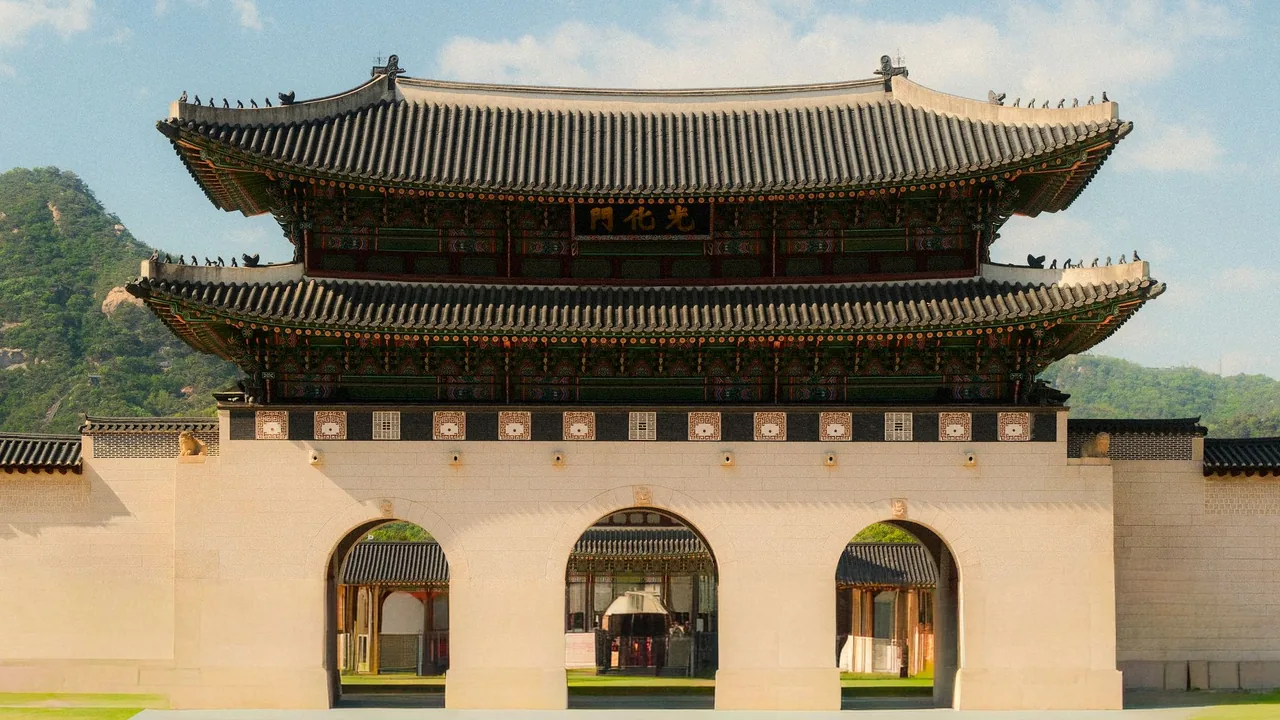
Most travelers skip Ulsan entirely—and that's exactly why you should stay here.
Ulsan isn't Seoul. It won't flood your Instagram feed, and you won't find backpacker hostels advertising "Korean BBQ crawls" on every corner. Instead, you get a working city where locals actually live—shipyards, industrial heritage, and neighborhoods designed for real people, not tourists. That's your advantage. Accommodation prices stay reasonable year-round, transit is efficient, and you'll stay in areas with actual character instead of manufactured tourism zones. This guide shows you exactly where to book in Ulsan based on what you want to do here.
---
Match the Neighborhood to Your Ulsan Trip Purpose
Before you scroll through neighborhoods, know this: Ulsan has distinct zones, and picking the wrong one wastes your time and transit costs. Here's the quick breakdown:
You want beaches and relaxation? → Nam-gu (South District)
You're into industrial heritage, design, and hipster cafes? → Jung-gu (Downtown/Central)
You need corporate lodging, business district proximity, and chain hotels? → Dong-gu (East District)
You're exploring petrochemical industry tourism or Onyang? → Ulju-gun (Suburban)
You want a quiet, walkable residential feel near universities? → Buk-gu (North District)
Now let's get specific.
---
5 Neighborhoods Where You Should Actually Stay
This is where Ulsan's creative energy lives. Taehwa-dong centers on the Taehwa River, with contemporary art museums, independent cafes, and bookstores that would fit seamlessly in Hongdae, Seoul. You'll find a mix of architectural styles—renovated colonial-era buildings next to sleek design hotels.
Why stay here: Walking distance to Ulsan Museum, Taehwa River Park, and the pedestrian shopping areas. Transit connections are excellent. You're never more than 10 minutes from genuine restaurants where locals eat.
Real accommodation prices (2026):
- Mid-range hotel (3-star): ₩120,000–₩180,000/night
- Boutique/Design guesthouse: ₩100,000–₩150,000/night
- Budget motel (yeogwan): ₩60,000–₩90,000/night
Practical note: Taehwa-dong can feel quiet after 9 PM on weeknights, but that's actually a feature if you want authentic neighborhood vibes.
Ulsan's coastal strip. If you're here for Samsan Beach or Jinha Beach, Samsan-dong is your anchor. It's developed but not overdone—sea-view cafes, seafood restaurants with actual boats unloading at the docks, and a slower pace than downtown.
Why stay here: Direct beach access. You can walk to the shoreline in under 15 minutes from most accommodations. Great for sunset viewing and morning swims. Plenty of seafood restaurants with prices 20% lower than Seoul.
Real accommodation prices (2026):
- Beachfront pension (ondol rooms): ₩140,000–₩220,000/night
- Standard hotel: ₩100,000–₩160,000/night
- Budget guesthouse: ₩70,000–₩110,000/night
Practical note: High season (summer, weekends) books out. Reserve ahead. Winter rates drop 30–40%.
This is Ulsan's gentrified corner—cultural complex with galleries, design hotels, rooftop bars with Han River views (well, sea views), and younger demographics. Ulsan Grand Park is adjacent, plus the Hyundai Art Collection if you want to see industrial-era patronage of culture.
Why stay here: Most Instagram-able neighborhood. Contemporary lodging options. Close to Ulsan's best coffee scene. Transit connections to both beach and downtown are seamless.
Real accommodation prices (2026):
- Design hotel (3–4 star): ₩150,000–₩250,000/night
- Serviced apartment: ₩130,000–₩190,000/night
- Trendy guesthouse: ₩90,000–₩140,000/night
Practical note: Pricier than other neighborhoods. You're paying for aesthetics and newer infrastructure. Worth it if you prioritize contemporary design and walkability.
Ulsan's thermal spring zone, surrounded by low mountains and hiking trails. Less touristy than Korean spa towns like Gimhae. You get actual locals—families, retirees—soaking in public baths and restaurants. The neighborhood has that small-town, genuinely Korean feel that's disappearing from major cities.
Why stay here: Cheap accommodation. Access to Oncheon Hot Springs (온천). Multiple hiking trails within 30 minutes. Quieter than all other listed neighborhoods. Ideal if you want to reset and disconnect.
Real accommodation prices (2026):
- Hot spring resort (jjimgilbang style): ₩80,000–₩150,000/night
- Motel adjacent to bath house: ₩50,000–₩90,000/night
- Small inn (minbak): ₩60,000–₩100,000/night
Practical note: Baths close around 11 PM. This isn't a nightlife neighborhood. Perfect for detox trips.
If you're staying 2+ weeks, Bangeo-dong offers residential stability without paying premium prices. University areas (Ulsan National Institute of Science and Technology is nearby), young demographics, affordable restaurants, and actual markets where people buy groceries.
Why stay here: Cheapest lodging options in the list. Real neighborhood life. Excellent public transit to downtown and coast. You'll feel like you actually live in Ulsan, not visit it.
Real accommodation prices (2026):
- Apartment rental (weekly rate): ₩70,000–₩110,000/night
- Budget guesthouse: ₩50,000–₩80,000/night
- Motel: ₩40,000–₩70,000/night
Practical note: Limited English signage. Minimal tourist infrastructure. That's the point—you're staying where Ulsan actually is.
Technically suburban, but worth mentioning. Onyang Folk Village and Ganjeolgot Cape are accessed from here. Less developed than Jung-gu or Nam-gu, but that changes monthly as development pushes outward. Think of it as Ulsan's emerging neighborhood.
Why stay here: Lowest prices on the list. Access to Ganjeolgot (Korea's easternmost point). Cultural village day trips without Seoul-style commercialization. Growing café scene.
Real accommodation prices (2026):
- Guesthouse/minbak: ₩40,000–₩80,000/night
- Small motel: ₩35,000–₩65,000/night
- Pension (if booked direct): ₩60,000–₩110,000/night
Practical note: You'll need a car or be comfortable with infrequent buses. Not ideal if you want walkable neighborhoods.
---
8 Practical Tips for Staying in Ulsan Neighborhoods
- Book accommodations through Korean platforms first (Naver Hotels, Booking.com Korea) before international sites. Prices are often 15–25% lower, and you get real reviews from actual travelers rather than SEO-optimized descriptions.
- Use Naver Map or Kakao Map, not Google Maps. Google's transit data for Ulsan is outdated. Koreans navigate with Naver/Kakao, and so should you. Both have English options.
- Transit card is essential. Buy a rechargeable T-money card (교통카드) at any convenience store for ₩2,500. Bus rides cost ₩1,350–₩2,500. Makes sense after just 3 trips vs. paying cash each time.
- Neighborhood convenience stores double as social hubs. CU, GS25, Emart24, Lotteria—they're everywhere and open 24 hours. Grab coffee, snacks, and basic supplies. Staff often speak minimal English, but pointing works fine.
- Avoid August (peak summer) if budget matters. Prices spike 30–50%. May, June, September, and October offer best weather + lower rates. Winter (Dec–Feb) is cheapest but cold and windy near the coast.
- Restaurant pricing: Budget ₩8,000–₩15,000 for meals at neighborhood restaurants. Seafood costs more. Convenience store kimbap or gimbap costs ₩3,000–₩5,000. Street food (떡볶이, 순대) runs ₩3,000–₩7,000.
- Learn these Korean words: 숙소 (accommodation), 예약 (booking), 추천 (recommend), 가격 (price), 가능한가? (Is this possible?). Smiling + phone translation app covers 90% of neighborhood interactions.
- Check out Ulsan's public transportation app (Ulsan Smart Transit). It's basic but functional. Shows real-time bus locations and subway schedules if you're traveling outside Ulsan to Busan or Seoul.
- Neighborhoods quiet down by 11 PM on weekdays. If you want nightlife, stick to Jung-gu (downtown) or specific bars in Munsu-dong. Most other areas are residential.
- Tipping doesn't exist in Korea. Included pricing is final. No need to add 15%. Exception: high-end restaurants might include 10% service charge—check your receipt.
---
FAQ: Ulsan Neighborhoods for Foreigners
A: Taehwa-dong (Downtown Jung-gu). It's central, walkable, has reliable transit connections, and feels like a real Korean city without being overstimulating like Seoul. You can reach museums, restaurants, parks, and the river on foot. It's also centrally located—beaches are 30 minutes south, mountains 30 minutes north. You won't feel stranded if you don't book a neighborhood perfectly.
A: Absolutely. Ulsan crime rates are low across all listed neighborhoods. Korean police are visible and responsive. The main issue isn't safety—it's that many neighborhoods get quiet after dark (especially Oncheon-dong, Bangeo-dong, Ulju-gun). That's a peace factor, not a risk factor. You can walk alone at 2 AM without concern. That said, avoid the industrial port areas late at night, which aren't residential anyway.
A: Motel (모텔): Budget lodging, often with ondol (heated floors), basic amenities, no frills. ₩40,000–₩100,000. Guesthouse (게스트하우스): Usually owner-operated, small, social atmosphere, shared or private rooms. ₩50,000–₩150,000. Pension (팬션): Vacation home style, family-friendly, often includes kitchens, suburban locations. ₩80,000–₩200,000. For foreigners, guesthouses offer the best balance of price, safety, and English communication.
A: No, but learning 10–15 basic words + using translation apps makes everything easier. Taehwa-dong, Munsu-dong, and Samsan-dong have younger demographics and some English signage. Oncheon-dong, Bangeo-dong, and Ulju-gun are less English-friendly but still manageable with pointing and apps. Assume minimal English from staff. Come prepared with screenshots of your booking and offline maps.
A: Avoid areas immediately adjacent to the petrochemical complex (industrial zone south of Oncheon-dong). These aren't dangerous but have heavy truck traffic and air quality issues on certain days. Also skip neighborhoods along the coast that are marked industrial/port zone—they exist but offer no visitor infrastructure. Stick to the six listed neighborhoods; they're the only ones worth considering.
A: Ulsan Airport is about 30 minutes from downtown. Take a direct bus (₩3,000–₩5,000, 40 mins) to Ulsan Station, then a local bus or taxi to your neighborhood. Alternatively, book airport transportation through your guesthouse (₩40,000–₩70,000 for direct dropoff, splits cost with other guests if arranged through staff). Ride-sharing apps (Kakao Taxi, NAVER Map Taxi) work well; expect ₩25,000–₩40,000 from airport to downtown.
---
Your Ulsan Neighborhood Decision
Ulsan doesn't market itself as a tourist destination, and that's precisely why it works as one. You'll find cheaper accommodation, less crowding, better food, and neighborhoods where people actually live instead of performing for cameras.
Pick your neighborhood based on this simple question: What do I want to do in Ulsan? Beach days? Taehwa-dong or Samsan-dong. Art, design, and trendy cafes? Munsu-dong. Thermal baths and hiking? Oncheon-dong. Long-term stays and local life? Bangeo-dong. Each delivers.
Next step: Check current rates and availability on Naver Hotels.
Ask the KORLENS AI chat for Ulsan neighborhood and place suggestions based on your interests. It is an AI assistant that replies in seconds, not a human team, and it works from Korea Tourism Organization open data. Also visiting Seoul? Seoul Local Picks covers Seoul only.
Next Step
About this guide
KORLENS is run by one person (KunStudio, a solo studio in Korea), not an editorial team. Guides are AI drafts based on public sources; some use Korea Tourism Organization TourAPI open data. KORLENS does not claim on-site visits or scheduled re-checks, so confirm hours, prices and closures with the venue before you go. Page last edited: 2026-06-20.
Plan your Korea trip with the KORLENS AI chat
Got a follow-up question after reading this? Ask the KORLENS AI chat in plain English. It is an AI assistant, not a person, and it replies in seconds with places from Korea Tourism Organization open data.
Ask the KORLENS AI chatCurious about Korean Saju? Try sajuapp.app
1,000-year-old Korean astrology, decoded by AI — available in 9 languages.
Is it worth visiting, the best time to go, crowds and real cost.
Ulsan Transport Guide for Foreigners (2026): Subway, Bus, Taxi
Navigate Ulsan's underrated transport system like a local. Practical guide to subway, buses, taxis with real prices, etiquette tips, and insider hacks for 2026.
Ulsan Cherry Blossom 2026: Best Spots and Exact Timing
Skip Seoul crowds. Ulsan's cherry blossoms peak 5–7 days earlier, fewer tourists, and better street food. Here's exactly where and when to go in 2026.