Ulsan on a Budget: How to Travel for KRW 100,000/Day in 2026
Ulsan isn't Seoul or Busan—and that's exactly why you can live like a local for under 100,000 won daily. Here's the insider breakdown.
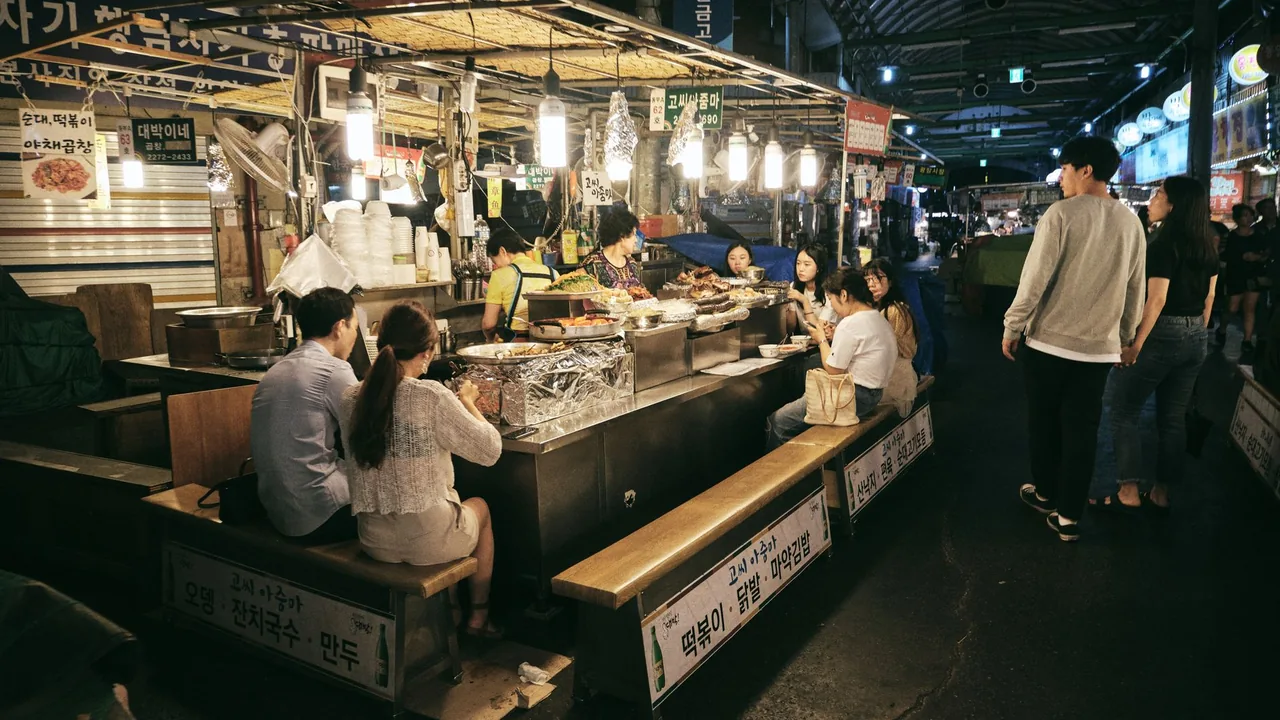
# Ulsan on a Budget: How to Travel for KRW 100,000/Day in 2026
Ulsan won't make your Instagram explode. It's not packed with palace gates or neon-soaked nightlife districts. But that's precisely why you can stretch 100,000 won further here than in any major Korean city—and eat better, sleep better, and actually meet locals instead of tour groups. The city's industrial heritage and working-class character mean lower prices without the tourist markup. If you're willing to skip the obvious landmarks and dig into what real Ulsan residents do, this industrial harbor city becomes one of Korea's best-kept budget travel secrets.
Where the Savings Actually Are in Ulsan — By Category
Food: Your Biggest Advantage
You can comfortably eat three meals daily for 25,000–35,000 won in Ulsan. The ulsan street food market alone offers meals under 7,000 won. Restaurant prices are 20–30% lower than Seoul equivalents. A full set meal (정식) at a neighborhood restaurant runs 8,000–12,000 won. Street vendors don't inflate prices for tourists because, frankly, few tourists show up.
Accommodation: The Real Challenge
This is where you'll spend your largest chunk—realistically 35,000–50,000 won nightly. Guesthouses in residential areas (not the waterfront) charge 40,000–45,000 won. Capsule hotels exist but are sparse. Budget your accommodation first, then build food and transport around what remains.
Transport: Nearly Free
A T-money card (충전식 교통카드) ride costs 1,250–2,500 won depending on distance. A 1-day pass runs 6,500 won. Most attractions are reachable by bus within 30 minutes. No subway tax inflating prices here—buses are your lifeline and they're cheap.
Attractions: Mostly Free or Under 10,000 Won
Ulsan's beaches (Ilgwang, Jinha) are free. The Ulsan Museum costs 5,000 won. Taehwagang Park (태화강공원) entrance is free, though boat rides cost 15,000 won. Industrial heritage sites cost nothing. This isn't a museum-heavy city—you're paying for experiences, not paid attractions.
5–7 Specific Neighborhoods & Spots with Real KRW Prices
This is your daily dining headquarters. Located in the heart of Jung-gu, the ulsan street food market sprawls with vendor stalls selling:
- Tteokbokki: 4,000–6,000 won
- Kimbap rolls: 3,500–5,000 won
- Hotteok (sweet pancakes): 2,000–3,000 won
- Gukbap (soup and rice): 6,000–8,000 won
Eat standing at communal tables. Vendors expect quick turnover, not lingering. The market's busiest 11 AM–1 PM and 5 PM–7 PM—come then to see actual local rhythms, not tourist performances. Budget 8,000–12,000 won for a full meal here.
The residential area around Jinha Beach offers:
- Guesthouses: 40,000–45,000 won/night
- Local restaurants: 9,000–13,000 won for set meals
- Convenience stores: CU and GS25 everywhere for cheap snacks
Stay here if you want cheaper accommodation without sacrificing beach access. The area is genuinely residential—you'll see elderly couples, students, and delivery workers. No tourist vibe means authentic pricing.
Visit during daytime to walk through Korea's largest shipbuilding district. It's free and surreal. Eat at worker canteens near the shipyards—meals cost 7,000–9,000 won and portions are enormous. The area is quiet outside 7–8 AM and 5–6 PM shift changes. This is where you actually understand what Ulsan is.
Walk the industrial waterfront for free. Seafood restaurants here are cheaper than tourist-facing spots:
- Hoe (raw fish) bibimbap: 12,000–15,000 won
- Grilled mackerel set: 13,000–16,000 won
- Mussels (seasoned): 8,000–10,000 won
Fish is Ulsan's lifeblood. Eat where the fishing boats dock, not in polished seafood malls.
Free park entrance. Bring a convenience store kimbap (4,000 won) and eat on the grass overlooking the river. The park's walking paths are beautiful and car-free. Adjacent restaurants in Buk-gu charge local prices—around 9,000–11,000 won for lunch sets.
Freely accessible. Bring a 7-Eleven rice ball (3,500 won) and water. In summer, small pojangmacha (tent restaurants) pop up along the beach charging 8,000–10,000 won for simple meals.
Less touristy than Central Market. Vegetable vendors, local shoppers, fewer food stalls but those that exist are cheaper:
- Meals: 6,000–8,000 won
- Produce if cooking: 30–50% cheaper than Seoul
8 Essential Etiquette & Practical Tips
- Get a T-Money Card Immediately: Buy one at any convenience store (2,500 won) and load 10,000–20,000 won. You'll use it for buses, convenience stores, and some restaurants. Taxis don't accept cards reliably.
- Cash is King, But ATMs Exist: Many small restaurants and street vendors don't accept cards. Find a Shinhan or KB bank ATM (they're common) and withdraw in advance. Don't rely on card payments.
- Eat When Locals Eat: Arrive at restaurants 11:30 AM–12:30 PM or 6 PM–7 PM. Outside these windows, you'll pay more or find limited menus. Set meals (정식) are cheapest during these peak hours.
- Don't Tip, But Do Say Thank You: Tipping doesn't exist in Korea. Say "감사합니다" (thank you) when vendors serve you. A simple thank you costs nothing and shows respect.
- Buy Convenience Store Meals Without Guilt: A 7-Eleven kimbap + gimbap (seaweed snack) + water = 7,000 won for lunch. These aren't lazy choices—locals eat them daily. Quality is consistent and price is unbeatable.
- Learn These Phrases: "얼마에요?" (How much?), "여기 앉아도 돼요?" (Can I sit here?), "한국어 못해요" (I don't speak Korean). Politeness opens doors and sometimes earns you discounts.
- Use Naver Map, Not Google Maps: Google Maps works but is unreliable for buses. Download Naver Map app—it's in English, shows real-time bus arrivals, and works offline if you download maps.
- Visit Street Food Markets Before 2 PM: Popular vendors sell out by afternoon. If you see a line, there's a reason. Arrive early to secure the best meals and confirm vendor availability.
- Ask for Water (무료 물) Everywhere: All restaurants and many street vendors offer free water. You don't order it—just ask "물 주세요." Tap water is safe to drink if offered.
- Explore Residential Areas, Not Tourist Maps: The neighborhoods where locals live have better prices and food. Ask your guesthouse owner where they eat. Follow them, not guidebooks.
FAQ: Your Real Questions Answered
Q: Can you actually survive on 100,000 won daily in Ulsan?
Yes, but it's tight and requires discipline. Budget: accommodation 40,000 won, food 35,000–40,000 won, transport 5,000 won, buffer/snacks 10,000–15,000 won. You'll skip paid attractions and eat street food daily. One splurge meal (fresh seafood, 20,000 won) forces you to eat cheaply the next day. It's doable but not comfortable. 120,000–150,000 won gives you breathing room.
Q: What's the cheapest neighborhood to stay in Ulsan?
Nam-gu (around Jinha Beach) and Buk-gu (near Taehwagang Park) offer guesthouses for 40,000–45,000 won. Jung-gu is slightly pricier (45,000–50,000 won) but more central. Avoid Dong-gu waterfront hotels—those start at 80,000+ won. Check Korean booking sites (Naver Hotel, Yanolja) for better prices than Booking.com.
**Q: Is Ulsan safe for solo travelers?
Completely safe. Ulsan has one of Korea's lowest crime rates. Neighborhoods are well-lit, police presence is visible, and locals are helpful to confused foreigners. Carry a photocopy of your passport and your guesthouse's address in Korean. At night, stick to main roads, but daytime exploration is risk-free.
**Q: What should I eat that's unique to Ulsan?
Ulsan-style hoe (회) uses local catch—mackerel, squid, and flounder. Try it at waterfront restaurants for 15,000–20,000 won. Whale meat (고래고기) is technically available but controversial—we'd skip it. Concentrate on fresh seafood, which is genuinely cheaper and better here than elsewhere in Korea.
Q: How many days should I budget for Ulsan?
Two to three days is realistic. Day 1: street food market, Central Museum, Taehwagang Park. Day 2: Jinha Beach, waterfront walk, seaside dinner. Day 3: Samsan industrial area, Songnisan Market, departure. Beyond three days, you'll repeat experiences. Ulsan is compact—this isn't a sprawling destination.
Q: What's the single biggest money-saving hack?
Eat at the ulsan street food market for every lunch. One meal there (6,000–8,000 won) saves you 8,000–10,000 won compared to sit-down restaurants. Do this for five days and you've saved 40,000–50,000 won—a full night's accommodation. Street food markets are the budget traveler's unfair advantage.
Your Move: Start Planning
Ulsan rewards curiosity and flexibility over comfort. You won't find luxury; you'll find reality. The ulsan street food market will teach you more about Korean eating culture than any food tour ever could. Local guesthouses will connect you with actual residents, not other backpackers. And 100,000 won daily? It's not just possible—it's the point.
Ask the KORLENS AI chat for Ulsan place suggestions for a tight budget based on your interests. It is an AI assistant that replies in seconds, not a human team, and it works from Korea Tourism Organization open data. Also visiting Seoul? Seoul Local Picks covers Seoul only.
Next Step
About this guide
KORLENS is run by one person (KunStudio, a solo studio in Korea), not an editorial team. Guides are AI drafts based on public sources; some use Korea Tourism Organization TourAPI open data. KORLENS does not claim on-site visits or scheduled re-checks, so confirm hours, prices and closures with the venue before you go. Page last edited: 2026-06-20.
Plan your Korea trip with the KORLENS AI chat
Got a follow-up question after reading this? Ask the KORLENS AI chat in plain English. It is an AI assistant, not a person, and it replies in seconds with places from Korea Tourism Organization open data.
Ask the KORLENS AI chatCurious about Korean Saju? Try sajuapp.app
1,000-year-old Korean astrology, decoded by AI — available in 9 languages.
Is it worth visiting, the best time to go, crowds and real cost.
Best Neighborhoods to Stay in Ulsan for Foreigners (2026 Guide)
Skip the tourist traps. Here's where actual expats and smart travelers stay in Ulsan—with real prices, transit access, and neighborhood vibes that match your tr
Ulsan Transport Guide for Foreigners (2026): Subway, Bus, Taxi
Navigate Ulsan's underrated transport system like a local. Practical guide to subway, buses, taxis with real prices, etiquette tips, and insider hacks for 2026.