Suwon Shopping Guide 2026: Best Districts and Markets
Skip the tourist traps. This insider's guide maps Suwon's best shopping districts by category, with real prices, haggling tips, and district-by-district breakdo
# Suwon Shopping Guide 2026: Best Districts and Markets
Suwon isn't Seoul, and that's exactly why you should shop here. While the capital drowns in chains and Instagram crowds, Suwon's shopping scene remains genuinely local—prices are 20-30% lower, vendors actually negotiate, and you'll find textile wholesalers, traditional markets, and outlet malls that locals actually use instead of checking off. If you're buying fabric, shoes, electronics, or street food to stock up a hostel, this fortress city is your answer.
The trick? Stop thinking of Suwon as one shopping destination. It's a city of hyper-specific districts, each built around a single product category. Match your shopping list to the neighborhood, and you'll move fast and spend less.
Match Your Shopping List to Suwon's Districts
What to buy: Korean snacks, dried seafood, rice, kimchi, housewares Best for: Budget hunters and bulk shoppers Vibe: Crowded, loud, authentically local
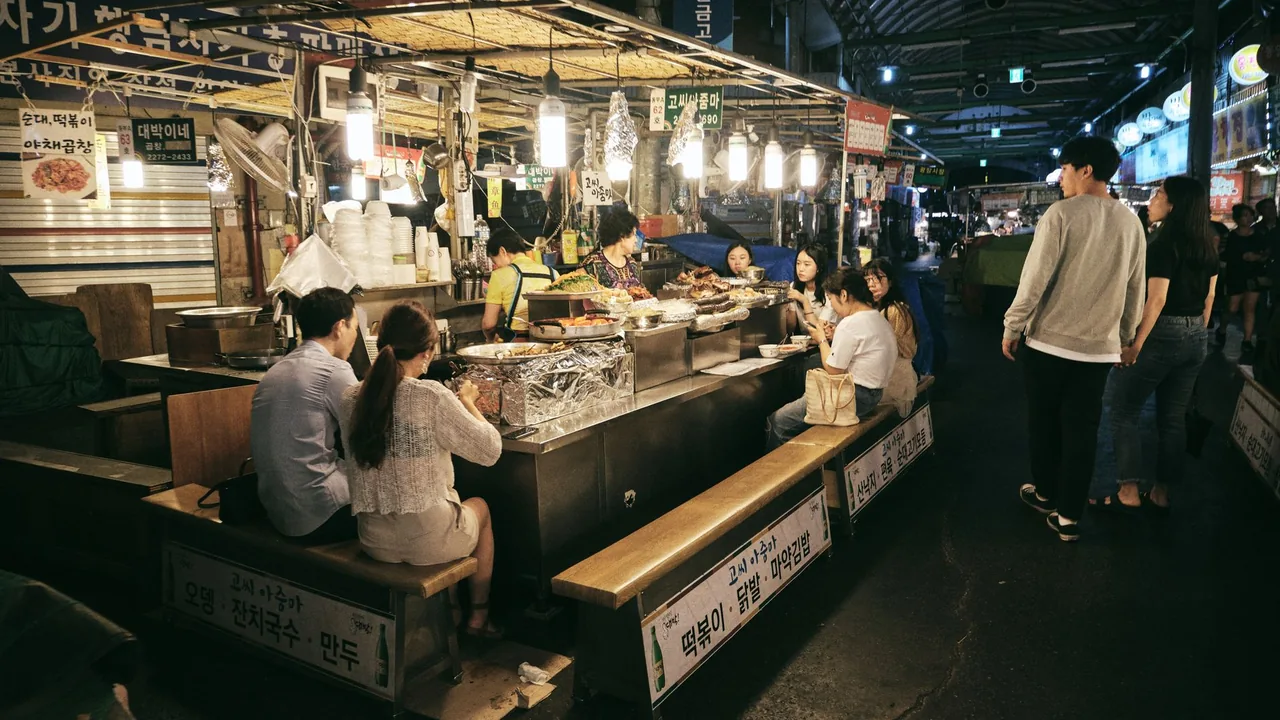
This is the heart of old Suwon. Paldalmun translates to "Eight Reaches Gate," and this market sprawls across multiple streets near Suwon Station with zero corporate polish. You'll find banchan (side dishes) vendors selling kimchi fried rice mix for ₩3,500, dried squid strips for ₩8,000-12,000 per kilogram, and fresh produce at 30% below convenience store markup. The real action happens before 2 PM on weekdays. Come hungry—grab tteokbokki (spicy rice cakes) from a vendor for ₩5,000 or kimbap rolls for ₩4,500.
Insider move: The second floor of the market building houses kitchenware wholesale vendors. Small stainless steel bowls run ₩2,000-4,000. Buy in bulk to justify the trip.
What to buy: Wholesale clothing, fabric by the meter, athletic wear Best for: Fashion resellers, designers, bulk buyers Vibe: Professional, quick transactions, minimal English
Located in the Paldal district near Paldalmun, this isn't a mall—it's a networking zone where Korean fashion wholesalers buy inventory. You'll see racks of identical hoodies (₩8,000-15,000 per piece if buying 10+) and bolts of cotton or linen fabric (₩10,000-25,000 per meter depending on weight). Minimum orders are sometimes enforced, but small shop owners often bend rules if you're friendly and speak basic Korean.
Walk the main drag (roughly 500 meters from Suwon Station exit 2) and peek into shop windows. Prices are listed inside. Cotton jersey fabric runs ₩12,000-18,000/meter; specialty synthetic fabrics ₩20,000-35,000/meter.
Insider move: Visit on weekday mornings. Vendor energy is highest, and you're less likely to interrupt sales. Bring a notebook—many vendors don't speak English, so showing them sketches or samples works better than verbal negotiation.
What to buy: Discounted international brands, seasonal clearance, luxury goods Best for: Brand-conscious shoppers with bigger budgets Vibe: Modern, air-conditioned, international tourist-friendly
This 580-store complex 20 minutes northeast of central Suwon caters to Seoul weekend shoppers and reason enough to visit if you're chasing brands. The savings versus full retail are real—Nike shoes typically ₩80,000-120,000 (vs. ₩150,000+ retail), Calvin Klein jeans ₩60,000-90,000. Free shuttle buses run from Suwon Station (Ligne Bus, 20 minutes, ₩3,000 return).
Don't expect deep discounts. This is outlet pricing, not wholesale. The draw is selection and guaranteed authenticity.
Insider move: Flash sales happen mid-week. Download the mall's Korean app (Gwanggyo Premium Outlets) to catch notifications. Foreign visitors get a 10% discount card at the information desk (show your passport).
What to buy: Discounted electronics, small appliances, phone accessories Best for: Tech buyers and kitchen enthusiasts Vibe: Competitive, fast-paced, heavily male clientele
Yeongtong-gu (northeast Suwon) is where local contractors and renovation crews buy their supplies. Phone cases run ₩3,000-8,000, portable power banks ₩15,000-35,000, and you'll find Korean-exclusive kitchen gadgets (rice cookers with AI temp control, ₩250,000+) at 10-15% below mall pricing. Haggling is expected and effective on items over ₩50,000.
Major chain stores cluster along one main street; independents fill side alleys. Chain stores (like Best Deals or Local Tech) have fixed prices and clearer return policies.
Insider move: Visit right before Korean holidays. Merchants clear inventory aggressively—discounts spike 20-30% in the week before Chuseok or Lunar New Year.
What to buy: Vintage housewares, antique furniture, used tech, Korean crafts Best for: Vintage hunters, bargain diggers, one-of-a-kind seekers Vibe: Chaotic, treasure-hunt energy, minimal signage
Located near Suwon Hwaseong Museum, this cluster of narrow alleys has been repurposing goods for decades. You'll find wooden chests (₩30,000-150,000 depending on age), vintage porcelain (₩5,000-50,000), and used electronics at 40-60% retail. Many vendors operate informally with no posted prices—this is where negotiation skills matter most.
Arrive early (before 10 AM) for first pick. Bring a Korean speaker if possible; English is minimal.
Insider move: Visit on the 5th or 15th of the month when special fairs draw vendors from across Gyeonggi Province. Inventory and foot traffic surge.
What to buy: Budget clothing, shoes, phone accessories, cosmetics Best for: Transit-adjacent shopping, quick stops Vibe: Underground, fluorescent, efficient
If you have 30 minutes between trains, this 200+ shop underground mall delivers basics fast. T-shirts run ₩8,000-15,000, sneakers ₩40,000-70,000, makeup ₩5,000-20,000. It's not a destination—it's a safety net for forgotten items or impulse buys.
Insider move: The cosmetics section (roughly 100 meters south of the main entrance) has better pricing on Korean brands (ETUDE, Innisfree, Holika Holika) than convenience stores.
What to buy: Street food, handmade crafts, seasonal goods Best for: Evening explorers, food-focused travelers Vibe: Casual, social, Instagram-worthy
Operating May–October on Friday and Saturday evenings, this pop-up market near Paldal Lake draws young vendors selling homemade jewelry (₩10,000-30,000), baked goods (₩4,000-8,000), and street eats. It's less about deals and more about experience, but prices are fair and vendor stories make goods memorable.
Insider move: Go after 7 PM when vendor crowds thin and booth owners are ready to negotiate or give freebies for repeat visits.
10 Essential Suwon Shopping Rules & Etiquette
- Cash is king in markets. ATMs exist (GS25, Lotte, Hana Bank), but traditional vendors strongly prefer paper money. Bring ₩50,000-100,000 minimum when hunting markets.
- Haggle, but be respectful. Never haggle in modern malls or chains. In markets, a 10-15% opening ask is normal. Smile, be friendly, and back off if they say no. Aggressiveness kills deals.
- Arrive early on weekdays. Vendors are fresher, inventory is fuller, and negotiation room is wider. Weekends bring crowds and inflexible pricing.
- Don't photograph vendors without asking. This is especially true in traditional markets. A quick "사진 괜찮아요?" (shashin kwenchanha-yo? — "Is a photo okay?") prevents tension.
- Learn these five phrases:
- "좀 깎아 주세요" (jom kkak-a joo-say-yo) — "Can you lower the price?"
- "마지막 가격이 뭐예요?" (majimak gagyeok-i mwoe-yae-yo) — "What's your best price?"
- "카드 되나요?" (kadeu doe-na-yo) — "Do you take cards?"
- "여기가 가장 싼가요?" (yeogiga gajang ssan-ga-yo) — "Is this the cheapest around?"
- "이게 원산지가 어디예요?" (ige won-san-ji-ga eodi-yae-yo) — "Where is this from?"
- Check expiration dates on food. Korean dates use year-month-day format. 2026-07-15 means July 15, 2026. Always verify before paying, especially at discount vendors.
- Count change twice. Not because vendors are dishonest, but because high-speed transactions breed mistakes. Politely recount if a price seems off.
- Understand bulk minimums. Textile and wholesale districts enforce minimums—often ₩50,000-100,000 orders or 5+ pieces of clothing. Ask upfront before investing negotiation energy.
- Use transportation apps for pricing. Naver Map and Kakao Map show exact store locations, hours, and sometimes reviews. Screenshot addresses in Korean to show taxi drivers or ask pedestrians.
- Carry a small portable scale. If buying fabric or dried goods by weight, confirm weight with the vendor's scale before handing over cash. Minor discrepancies are common (vendors' scales sometimes favor them slightly).
FAQ: Suwon Shopping Questions Answered
Q: How much can I realistically save shopping in Suwon versus Seoul?
A: Market prices run 20-30% lower than Seoul chains on general goods, snacks, and textiles. Electronics offer 10-15% savings. Designer outlets are comparable to Seoul outlets. The real savings come from bulk buying—if you purchase 10+ clothing pieces or several meters of fabric, negotiate an additional 10-20% off. Most tourists save ₩100,000-300,000 over a two-day shopping sprint, depending on needs.
Q: Are there English-speaking staff in Suwon's shopping areas?
A: Gwanggyo Premium Outlets has full English signage and English-speaking staff. Suwon Station Underpass has minimal English. Traditional markets (Paldalmun, Textile District, Antiques) have almost no English speakers. Download a translation app (Papago is better than Google Translate for Korean). Most transactions happen nonverbally with pointing and calculator apps showing prices.
Q: What's the best time of year to shop in Suwon?
A: January and July are official Korean clearance months—malls and markets drop prices 30-50%. Mid-June and early September see smaller seasonal clearances. Avoid December (Chuseok holidays make prices firm and crowds unbearable) and October (tourist season inflates prices slightly). Weekday mornings year-round beat weekends for pricing and negotiation room.
Q: Can I haggle at modern shopping centers like Gwanggyo?
A: No. Fixed-price retail (malls, department stores, chains) is non-negotiable. Haggling only works in traditional markets, textile wholesalers, and family-run shops. Electronic stores sometimes negotiate 5-10% on high-ticket items if you ask, but it's rare and their opening price already factors this in.
Q: Are there any shipping services if I buy in bulk?
A: Yes. Major textile vendors use CJ Logistics or Korea Post for bulk shipments. Costs run ₩15,000-50,000 depending on weight and destination. Always confirm shipping costs before committing to large purchases. Gwanggyo and modern malls have partnerships with forwarding services for international shipping (₩80,000-200,000 depending on weight and destination country).
Q: How do I identify counterfeit goods in Suwon's street markets?
A: Counterfeit risk is lowest at Gwanggyo Outlets and malls (protected by law). Traditional markets and textile wholesalers occasionally stock counterfeit designer goods unknowingly or deliberately—inspect stitching, fabric weight, packaging, and labels carefully. If a brand-name item costs significantly below market rate (like Nike shoes under ₩60,000), it's likely counterfeit or refurbished. Stick with established vendors with storefront presence if authenticity matters.
Final Takeaway: Shop Like Suwon Locals
Suwon shopping works best when you stop treating it as a tourist activity and start using it like residents do—matching districts to specific needs, negotiating fairly, and understanding that the best deals come from knowing which vendor catches inventory overstock that particular week.
Start with Paldalmun Market if you're new to haggling and want low stakes. Move to the Textile District once you're confident in negotiation. Finish at Gwanggyo if you want air-conditioned reliability and brand selection.
You'll leave Suwon with sharper negotiation skills, a deeper understanding of Korean consumer culture, and stuff you actually wanted—not what Instagram told you to buy.
Ask the KORLENS AI chat for Suwon shopping suggestions based on your interests. It is an AI assistant that replies in seconds, not a human team, and it works from Korea Tourism Organization open data. Also visiting Seoul? Seoul Local Picks covers Seoul only.
Happy hunting.
Next Step
About this guide
KORLENS is run by one person (KunStudio, a solo studio in Korea), not an editorial team. Guides are AI drafts based on public sources; some use Korea Tourism Organization TourAPI open data. KORLENS does not claim on-site visits or scheduled re-checks, so confirm hours, prices and closures with the venue before you go. Page last edited: 2026-06-17.
Plan your Korea trip with the KORLENS AI chat
Got a follow-up question after reading this? Ask the KORLENS AI chat in plain English. It is an AI assistant, not a person, and it replies in seconds with places from Korea Tourism Organization open data.
Ask the KORLENS AI chatTry the Korean skincare products mentioned in this guide
Olive Young Global — free international shipping over $60, ships to 150+ countries.
Shop Olive Young GlobalCurious about Korean Saju? Try sajuapp.app
1,000-year-old Korean astrology, decoded by AI — available in 9 languages.
Suwon Cultural Landmarks in Half a Day (2026 Local Guide)
Skip the generic tours. Locals hit Hwaseong Fortress and Paldalmun Gate in 4 hours, then dive into Suwon's hidden temple districts. Here's the insider playbook.
12 Suwon Photography Spots for Instagram (2026 Local Picks)
Skip the tourist traps. Discover 12 authentic Suwon photography spots where locals actually shoot—from hidden alleyways to seasonal viewpoints that won't clog y