12 Suwon Photography Spots for Instagram (2026 Local Picks)
Skip the tourist traps. Discover 12 authentic Suwon photography spots where locals actually shoot—from hidden alleyways to seasonal viewpoints that won't clog y
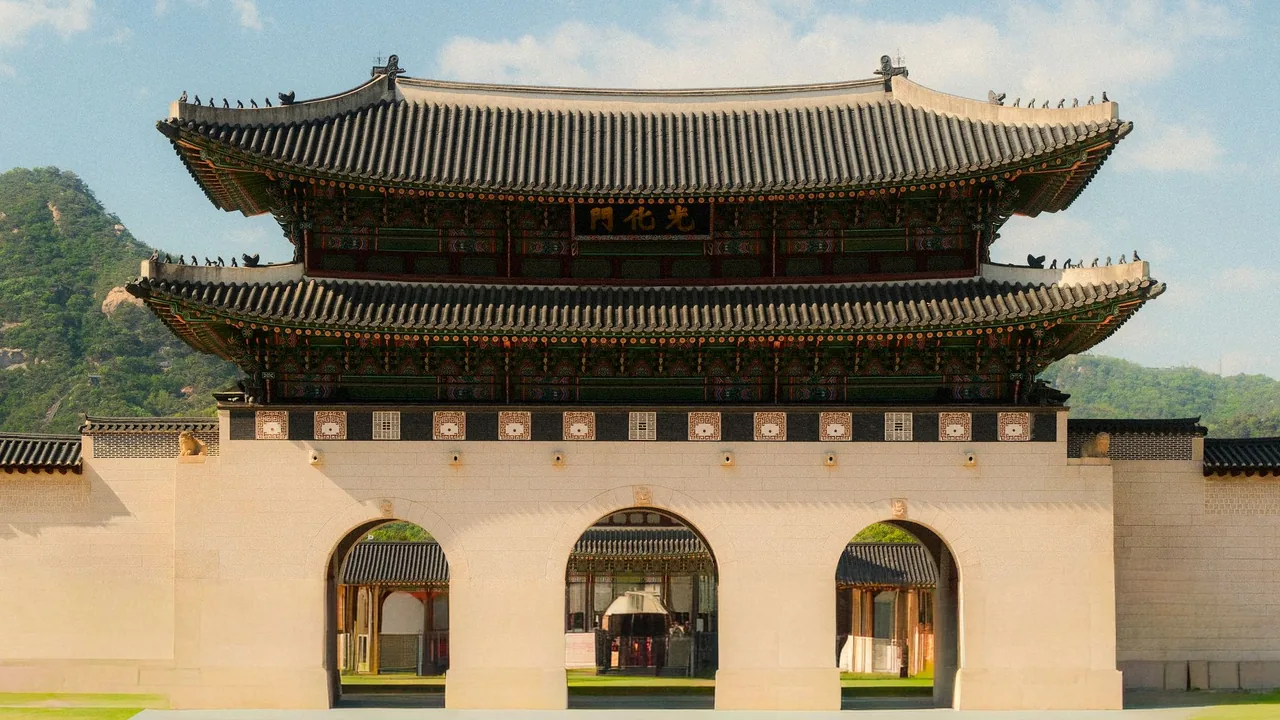
# 12 Suwon Photography Spots for Instagram (2026 Local Picks)
You've probably seen the same Hwaseong Fortress shot a thousand times—golden hour, perfect symmetry, 50,000 likes. Here's what locals won't tell you: Suwon's real photography story lives in the margins. The city sits 30km south of Seoul, densely packed with hidden alleyways, modernist architecture, and seasonal light that changes everything. Most visitors stick to the fortress and leave. You're here to shoot different.
This guide skips the postcard clichés and takes you where Suwon photographers actually spend their time—spots with genuine mood, manageable crowds, and light that actually rewards early mornings and off-season visits.
Beyond Cliché Shots — What Suwon Locals Actually Post
Forget the "golden hour fortress" frame. Local photographers in Suwon are obsessed with three things:
Architectural contrast. The city's rapid modernization has created a visual tension between 1970s brutalism, Korean hanok tradition, and sleek contemporary design. A single street might have a crumbling tile-roofed house next to a minimalist glass building. That friction is goldmine content.
Water reflections. Suwon has three major waterways—the Suwon stream, Gwanggyo Lake, and the canal system near Paldalmun gate. Locals hunt for reflective moments, especially after rain or during blue hour when the sky and water merge into one moody gradient.
Seasonal specificity. Cherry blossoms in spring (late March–early April) and ginkgo trees in autumn (late October–early November) create predictable but genuinely stunning backdrops. The locals' trick? Shooting at dawn before tour buses arrive, or shooting at dusk when golden light hits the trees at a shallow angle.
The unspoken rule: Avoid midday sun in the fortress zone. Go weird. Go early. Go off-season.
12 Suwon Photography Spots: Your Local Insider Map
Location: Paldal-gu, multiple access points Entry: ₩5,000 (fortress wall walk) What you're shooting: The fortress is unavoidable, but here's the local hack—most tourists cluster around Paldalmun gate (south entrance). Instead, enter via Changnyongmun gate (north side) at 7 a.m. You'll have the wall to yourself for the first hour. The lighting on the eastern rampart is exceptional before 8:30 a.m., and the aerial views of the city grid below offer unexpected compositional depth.
Pro tip: The fortress loop is 5.7 km. Walk it counterclockwise starting at dawn. You'll shoot with the sun at your back for most of the journey.
Location: Gwanggyo-dong, northeast Suwon Entry: Free What you're shooting: A crescent-shaped artificial lake surrounded by luxury apartments and a hiking trail. The real magic is in the duality—nature and high-rise development fighting for space. The western bank has a boardwalk where reflections are cleanest during morning hours (6–8 a.m.). The lake freezes partially in winter, creating abstracted geometric patterns in ice.
Local insight: Shoot from the pedestrian bridge during blue hour (30 minutes after sunset). The apartment lights begin flicking on, and the water turns a deep navy with gold reflections.
Location: Paldal-gu, south gate of fortress Entry: Free What you're shooting: This isn't pretty in the Instagram-filter sense. It's real. Paldalmun Gate opens onto a dense street market selling everything from dried fish to bootleg phone chargers. The compressed energy of vendors, hanging signage, and layered storefronts creates frames within frames. Early morning (6–8 a.m.) is quieter; midday (11 a.m.–1 p.m.) is chaotic and rich.
Cost context: Budget ₩1,500–₩3,000 if you want to grab kimbap or coffee while shooting.
Local move: Shoot from the second-floor landing overlooking the market. The compression of multiple layers of activity—street level, signage, second-floor windows—creates visual density that reads well in feeds.
Location: Paldal-gu, near Paldalmun gate Entry: Free to walk; some homes now charge ₩3,000–₩5,000 for interior access What you're shooting: A small pocket of preserved traditional Korean architecture. It's not as curated as Bukchon in Seoul, which makes it better for photography. The rooflines, wooden frames, and narrow alleyways have genuine patina. Afternoon light (2–4 p.m.) rakes across the tile roofs and creates heavy shadows that define texture.
Seasonal note: Spring (cherry blossoms in nearby trees) and autumn (warm diffused light) are superior to summer.
Location: Paldal-gu, in front of Suwon Station Entry: Free What you're shooting: The station plaza was redesigned in 2023 and features clean geometric paving, sculptural elements, and street furniture with interesting lines. It's a photographers' favorite for minimalist urban composition—strong horizontal lines, repetitive patterns, and human scale. Blue hour (just after sunset) creates a cinematic quality with artificial lighting and remaining sky color in balance.
Budget note: Nearby cafés (₩4,000–₩6,000) give you a base for setup shots.
Location: Yeongtong-gu, northwest Suwon Entry: Free What you're shooting: A 40-hectare park with formal gardens, walking trails, and a small pond. In spring, the cherry blossom density here rivals anything in Seoul, but without the crowds. In autumn, the ginkgo trees turn a buttery yellow that's almost unreal. Winter morning fog creates atmospheric conditions for moody portraiture.
Local timing: Peak cherry blossoms are March 28–April 5 (2026 estimate). Peak ginkgo is November 1–10. Visit on weekday mornings to avoid crowds.
Location: Paldal-gu Entry: ₩3,000 (museum); surrounding plaza is free What you're shooting: The museum architecture itself is clean modernism—glass, concrete, and open plazas. The surrounding public art installations change seasonally. The reflecting pools and walkways offer geometric opportunities. The architecture reads particularly well during overcast conditions when diffused light minimizes harsh shadows.
Location: Runs through city center, pedestrian paths throughout Entry: Free What you're shooting: A revitalized urban waterway with walking paths, public art, and bridges. The key isn't daytime shooting—it's blue hour when the stream's lights activate and the sky holds color. The bridges create strong compositional leading lines, and the reflections of surrounding buildings create visual rhythm.
Pro move: Shoot from the Haenggung-ro bridge (행궁로 교량) looking north. The compression of the stream, buildings, and sky creates cinematic depth.
Location: Near Hwaseong Fortress, Paldal-gu Entry: ₩3,000 What you're shooting: The museum building is contemporary architecture with dramatic angles and interesting façade textures. The surrounding grounds have sculptural elements and fortress-adjacent views. The repetitive window patterns and material contrasts (glass, stone, metal) reward close-focus photography.
Location: Northeast Suwon, near Gwanggyo Lake Entry: Free (parking ₩2,000–₩3,000) What you're shooting: A short hiking trail (45 minutes to summit) rewards with elevated views over Suwon's sprawl, the lake below, and on clear days, Seoul in the distance. The summit platform is crowded on weekends but nearly empty on weekday mornings. Sunrise (5:30–6:30 a.m.) creates backlighting on the city below.
Practical note: Start at 5 a.m. to catch sunrise and avoid crowds. Bring a headlamp.
Location: South-central Suwon Entry: Free What you're shooting: One of Suwon's older residential neighborhoods with narrow streets, 1970s–80s architecture, small convenience stores, and genuine lived-in texture. It's not Instagram-pretty, but it's visually complex. The layering of signage, utility wires, and weathered facades creates rich frames. Afternoon light (2–5 p.m.) rakes across the narrow streets and emphasizes texture.
Etiquette note: This is a residential area. Be respectful of residents and avoid shooting directly into homes.
Location: Various hotels near fortress Entry: Free (if you're dining); ₩50,000+ for room access What you're shooting: If you want elevated night shots of the illuminated fortress and city lights without hiking, several hotels offer paid rooftop access or you can visit a rooftop bar/café (drinks ₩8,000–₩15,000). The compressed view of the glowing fortress walls against the night sky is classic Suwon. Best between 7–8 p.m. when the sky still holds deep blue color.
8 Critical Etiquette & Practical Tips
- Respect residential areas. Suwon's best photography often exists in lived-in neighborhoods. Never shoot directly into windows or private spaces. Ask permission if photographing people. Locals appreciate photographers who act like guests, not hunters.
- Time your fortress visits. Avoid 10 a.m.–4 p.m. on weekends. The fortress is genuinely crowded. Weekday mornings (6–8 a.m.) or late afternoons (4–6 p.m.) offer better light and fewer people.
- Bring layers and weather gear. Spring and autumn are ideal for photography in Suwon, but mountain areas cool down fast. Winter mornings have fog that's phenomenal for mood shots. Always carry a rain jacket—sudden showers create reflective opportunities but soak gear fast.
- Scout in off-season. Visit Suwon in June, July, September, or January for scouting. You'll see locations without seasonal crowds, understand light paths, and find quieter angles. Then return during peak seasons knowing exactly where to be.
- Use public transport intentionally. Suwon's metro and bus system is efficient. Download the Naver Map app (Korean version) for real-time navigation. Line 1 connects most photography locations. A single ride is ₩1,250; a day pass is ₩4,500.
- Bring proper tripod etiquette. If you're using a tripod (essential for night shots and blue hour work), place it where it won't block foot traffic. Small tabletop tripods are better for street work than full-size models. Locals tolerate stationary photography; they dislike photographers blocking paths.
- Ask permission for building interiors. Some museums, hotels, and new architecture projects allow interior photography. Ask first. Many say yes. Shooting without permission damages trust for future photographers.
- Have offline maps ready. Download offline Suwon maps on Google Maps or Naver Map. Cell service is generally good, but canyons near the fortress can cause dropped signals. Knowing your location beforehand reduces stress and lets you focus on light.
- Budget for access. Most fortress and museum access costs ₩3,000–₩5,000. Park parking is ₩2,000–₩3,000. Coffee/food breaks add ₩10,000–₩20,000 daily. Plan ₩30,000–₩50,000 (USD $22–$38) per day for location access and sustenance.
- Engage with local photography communities. Suwon has active photography groups on Instagram and Korean photography forums. Following hashtags like #수원사진 and #수원포토스팟 reveals spots locals love and real-time light conditions. It's a small community—respect and participate.
FAQ: Suwon Photography Spot Questions
Q: What's the best time of year to shoot in Suwon?
A: Late March–early April (cherry blossoms) and late October–early November (ginkgo, autumn color) are peak. Both seasons offer soft, diffused light and manageable crowds on weekday mornings. Summer is hot and hazy; winter is clear but cold. For dedicated photographers, I'd pick autumn—the light lasts longer into evening, and the color palette is richer. Avoid Golden Week (Korea's April holidays) and Chuseok (September/October lunar harvest) when crowds explode.
Q: Do I need special permits to shoot in Hwaseong Fortress?
A: Standard tourist photography is fine. Commercial shoots, drone photography, or large group productions require permits from Hwaseong Cultural Properties Management. Small tripod work for personal use is acceptable. Just don't block foot traffic and be respectful of other visitors. If you're shooting for publication or paid work, contact the management office ahead of time.
Q: Where's the best coffee near photography hotspots?
A: Every neighborhood has ₩3,500–₩5,500 cafés. Near Paldalmun Gate, try the alleyway cafés for local character. Near Suwon Station, there's dense café culture (better wifi, less character). For serious camp-outs during long shoots, the chain cafés (Starbucks, Ediya, Hollys) near Gwanggyo Lake offer reliable seating and ₩4,000–₩6,000 drinks. Spend the coffee money; it buys you legitimate reason to set up a tripod and frame shots deliberately.
Q: Can I take night shots of the illuminated fortress legally?
A: Yes. The fortress is publicly illuminated at night specifically for viewing. Photography is unrestricted for personal use. Bring a tripod and plan 30 minutes of setup time. Blue hour (the 30–60 minutes after sunset) is ideal—the sky still holds color, and the fortress lights are prominent. The fortress lights typically stay on until 11 p.m.
Q: What's the phone/data situation for navigation and uploads?
A: South Korea has excellent 4G/5G coverage everywhere, including rural areas. Get a local SIM card (₩15,000–₩40,000 for data packages) at Incheon Airport or any convenience store. You won't have issues uploading photos in real-time if you want immediate feedback. For navigation, download offline maps before entering areas (Metro tunnels kill signal).
Q: Are there any photography-specific tours in Suwon?
A: Not formally established like Seoul's photography tours, but Suwon tour offices (₩02-31-228-4672) can connect you with local guides who do custom photography walks. Expect ₩100,000–₩200,000 (USD $75–$150) for a 4-hour morning or blue hour session. Alternatively, connect with local Instagram photographers (hashtag #수원포토그래퍼) for informal meetups and location tips.
Final Word: Shoot Like You Live There
Suwon's secret is that it doesn't need to be manicured to be photogenic. The city's real texture—the density, the historical layers, the seasonal shifts—is already there. Your job is to stop, wait for light, and notice what everyone else walks past.
Skip the Instagram playbook. Shoot weekday mornings when the fortress is quiet and your shadow is long. Chase blue hour like it's a deadline. Talk to locals. Come back in a different season. The best suwon photography spot isn't a place—it's a state of attention.
Ask the KORLENS AI chat for Suwon photo spot suggestions based on your interests. It is an AI assistant that replies in seconds, not a human team, and it works from Korea Tourism Organization open data. Also visiting Seoul? Seoul Local Picks covers Seoul only.
Happy shooting.
Next Step
About this guide
KORLENS is run by one person (KunStudio, a solo studio in Korea), not an editorial team. Guides are AI drafts based on public sources; some use Korea Tourism Organization TourAPI open data. KORLENS does not claim on-site visits or scheduled re-checks, so confirm hours, prices and closures with the venue before you go. Page last edited: 2026-06-17.
Plan your Korea trip with the KORLENS AI chat
Got a follow-up question after reading this? Ask the KORLENS AI chat in plain English. It is an AI assistant, not a person, and it replies in seconds with places from Korea Tourism Organization open data.
Ask the KORLENS AI chatCurious about Korean Saju? Try sajuapp.app
1,000-year-old Korean astrology, decoded by AI — available in 9 languages.
Suwon on a Budget: How to Travel for KRW 100,000/Day in 2026
Skip Seoul crowds. Suwon delivers authentic Korean culture, world-class street food, and UNESCO history for half the price. Here's your KRW 100,000/day breakdow
Best Neighborhoods to Stay in Suwon for Foreigners (2026 Guide)
Skip Seoul crowds. Suwon offers cheaper stays, faster bullet trains, and authentic Korean street culture. Here's where to actually book your room.