Best Neighborhoods to Stay in Suwon for Foreigners (2026 Guide)
Skip Seoul crowds. Suwon offers cheaper stays, faster bullet trains, and authentic Korean street culture. Here's where to actually book your room.
# Best Neighborhoods to Stay in Suwon for Foreigners (2026 Guide)
Suwon isn't Seoul's shadow—it's Korea's smarter stopover. You'll find guesthouses 30-40% cheaper than Gangnam, direct KTX access to Busan and Daegu, and neighborhoods where Korean street culture still breathes without the Instagram filter. The catch? You need to know which district to book before you land. Wrong choice and you'll waste 45 minutes on the subway to reach anything worth seeing.
This guide walks you through Suwon's actual neighborhoods—not just the tourist checkboxes—with real 2026 pricing, transit times, and honest takes on who should stay where.
---
Match the Neighborhood to Your Suwon Trip Purpose
Before you search for guesthouses, ask yourself one question: Why are you in Suwon?
- Fortress + history nerd? Stay in Paldalmun-gu (Hwaseong fortress area). 10-minute walk to the main gate.
- Budget backpacker + nightlife? Suwon Station area or Gwonseon-gu. Cheap Korean BBQ, noraebang, and younger crowds.
- Quiet base for day trips? Yeongtong-gu (near Everland and Korean Folk Village). Suburban feel, fewer tourists.
- Business traveler on a schedule? Paldal-gu (Suwon Station vicinity). 2 minutes to KTX.
- Digital nomad workspace seeker? Gwonseon-gu (near Gwonseon Station). Modern cafés, reliable WiFi, business hotel clusters.
This single decision saves you hours of regret.
---
6 Neighborhoods Where You Should Actually Book
Best for: History enthusiasts, Instagrammers, 2-3 night city stays
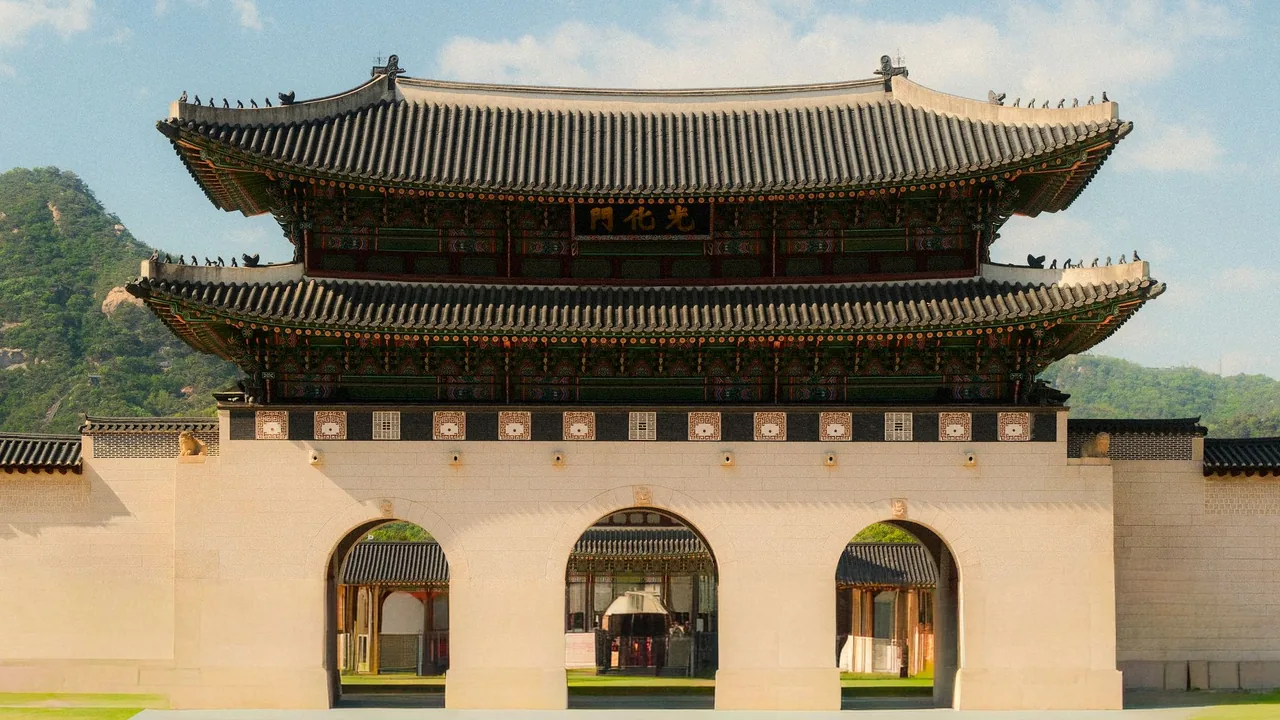
Paldalmun-gu wraps around Suwon's crown jewel—Hwaseong Fortress, a UNESCO World Heritage site built in 1794. The neighborhood feels like stepping into a living museum: narrow streets lined with traditional restaurants, small museums, and antique shops. You're 5 minutes on foot from the fortress gates, 15 minutes to Suwon Station by taxi.
Accommodation costs (2026):
- Guesthouse (shared dorm): ₩25,000–₩35,000/night
- Private room (small): ₩55,000–₩75,000/night
- Mid-range hotel: ₩120,000–₩180,000/night
Why stay here: Walking Hwaseong at sunrise without tour buses. Access to Paldalmun Market (open since the 1700s) for street food. The neighborhood streetview shows cramped, atmospheric alleys that disappear if you don't stay overnight.
Caution: Limited nightlife. Mostly closes after 10 PM. Few English speakers in restaurants.
---
Best for: First-time visitors, business travelers, transit hub users
Suwon Station is your gateway drug—and the neighborhood around it is efficient, busy, and 100% functional. Within 2 blocks you'll find convenience stores, 24-hour PC bangs (gaming cafés), convenience restaurants, and a subway interchange. Hotels range from capsule pods to business-class chains. KTX departs here to Seoul (30 min), Busan (2.5 hours), and Daegu (1.5 hours).
Accommodation costs (2026):
- Capsule/pod hotels: ₩30,000–₩50,000/night
- Budget hotel: ₩70,000–₩110,000/night
- Business hotel (3-star): ₩140,000–₩220,000/night
Why stay here: Absolute convenience. Train departures and arrivals. Megastore groceries at Lotte Mart basement. You're never lost—station signs are English-labeled.
Caution: Generic tourist hotel feel. Noisy (trains, traffic). Less "authentic Suwon" atmosphere.
---
Best for: Digital nomads, long-term visitors, younger travelers
Gwonseon is where Suwon's young professionals actually live. It's Seoul-lite: modern apartment complexes, indie cafés with solid espresso, bookstores, and a subway line that connects to Seoul in 45 minutes. The neighborhood has fewer English signs than central areas, but that's precisely why the Korean food is cheaper and less touristy. Street ramen at 2 AM is a genuine local ritual here.
Accommodation costs (2026):
- Guesthouse: ₩28,000–₩40,000/night
- Serviced apartment (monthly preferred): ₩900,000–₩1,400,000/month (₩30,000–₩47,000/night if booked nightly)
- Airbnb-style rooms: ₩45,000–₩80,000/night
Why stay here: Lowest costs long-term. Actual neighborhood feel. Coffee shops have fast WiFi. You'll see Suwon as Suwonians do.
Caution: Fewer tourist amenities. Signage in Korean. 20 minutes to Hwaseong Fortress by bus/subway.
---
Best for: Theme park visitors, families, suburban explorers
Yeongtong-gu is Suwon's outer ring—if you're doing Everland (the massive amusement park) or Korean Folk Village (an open-air museum), stay here to save the commute. The area is quieter, more residential, and 10 minutes by car to both attractions. Guesthouses are sparse but family-friendly motels are abundant.
Accommodation costs (2026):
- Family motel: ₩60,000–₩90,000/night
- Small hotel: ₩100,000–₩150,000/night
- Guesthouse: ₩35,000–₩55,000/night
Why stay here: Theme park proximity. Parking usually included. Less crowded than central areas. Families with kids find it more relaxed.
Caution: Limited walkable dining/entertainment. You'll need taxi/car access. 25+ minutes to Hwaseong Fortress.
---
Best for: Budget travelers, international students, casual explorers
Jangan-gu orbits Suwon University—which means cheap Korean BBQ joints, student guesthouses, and a young vibe at night. Restaurants are designed for ₩8,000–₩12,000 meals. It's safe, walkable, and you'll hear Korean being spoken by actual Koreans, not foreigners. Subway Line 1 connects you to Hwaseong Fortress (12 minutes) and Suwon Station (8 minutes).
Accommodation costs (2026):
- Guesthouse (dorm): ₩20,000–₩30,000/night
- Private room: ₩45,000–₩70,000/night
- Budget hotel: ₩65,000–₩95,000/night
Why stay here: Cheapest guesthouses in Suwon. Authentic Korean college town energy. BBQ for under ₩15,000. Excellent value.
Caution: Noisier at weekends (student parties). Fewer English-speaking staff. Less centrally located for all attractions.
---
Best for: Culture enthusiasts, quiet retreat seekers, artists
South Paldal-gu, near the Suwon Museum and Eco-Science Park, is the road less traveled. It's greener, has better sightlines to the fortress walls, and attracts fewer tour groups. There are boutique guesthouses and a couple of indie hotels. Perfect if you want Hwaseong atmosphere without the crowded main streets.
Accommodation costs (2026):
- Boutique guesthouse: ₩50,000–₩80,000/night
- Small hotel: ₩110,000–₩160,000/night
Why stay here: Quieter than Paldalmun-gu proper. Still walkable to fortress. Fewer tourists in restaurants and shops.
Caution: Fewer amenities (fewer convenience stores). Less nightlife. More isolation if you're traveling solo.
---
8 Practical Etiquette & Logistics Tips
- Book through Korean platforms first. Naver (naver.com), Coupang Eats, and local booking apps have inventory that Airbnb/Booking.com don't list—often 10-15% cheaper. Use Google Translate on your phone.
- Verify the room deposit system. Many guesthouses require a ₩50,000–₩200,000 refundable "key deposit" on arrival. This is normal. Get a receipt.
- Learn "jjimjilbang" locations. Bathhouses/saunas in each neighborhood cost ₩8,000–₩12,000. If your guesthouse has limited shower facilities, this is your backup (and it's genuinely cultural).
- Download Naver Map, not Google Maps. Google Maps is outdated in Suwon. Naver has real-time subway/bus tracking and correct walking directions.
- Expect rooms to be smaller than Western standards. A "double room" is often 20 sqm. This is normal in Korea. Guesthouses with communal kitchens will have your most space.
- Check-in after 3 PM, check-out by 11 AM is standard. Early check-in (before 2 PM) may cost extra (₩10,000–₩20,000). Plan accordingly.
- Smoking rooms vs. non-smoking. Always confirm when booking. Smoking rooms smell even if you don't smoke. Most guesthouses now have non-smoking options.
- Cash is still king. ATMs are everywhere, but small guesthouses often only accept cash or Korean bank transfers. Always ask and bring won.
- Noise levels differ by neighborhood. Suwon Station area is train-loud. Jangan-gu is student-party loud Friday/Saturday. Paldalmun-gu is early-morning street-vendor loud. Choose based on your sleep sensitivity.
- WiFi is reliable but varies by guesthouse. Ask for the password at check-in. Business hotels and newer guesthouses have 100 Mbps+. Older guesthouses might be 20-30 Mbps.
---
FAQ: Suwon Neighborhoods Explained
Q: Which neighborhood is best for a first-time visitor to South Korea?
A: Suwon Station area or Paldalmun-gu. Suwon Station has the most English signage, convenience, and zero navigation stress. Paldalmun-gu gives you a UNESCO fortress plus narrow-street authenticity without Seoul's scale. Either teaches you how Korea works in 48 hours. Skip both if you want pure solitude.
Q: Is Suwon safe for solo female travelers?
A: Yes. All six neighborhoods listed are safe—crime is minimal, police presence is visible, and solo female travelers are common. Avoid walking alone in very remote areas after midnight (standard travel sense). Paldalmun-gu, Suwon Station, and Jangan-gu have the most foot traffic at night. Taxis are cheap (₩3,000 base fare) and ubiquitous.
Q: Can I get by with English in Suwon neighborhoods?
A: Suwon Station area: yes, 60-70% of staff speak basic English. Paldalmun-gu: 30-40%. Gwonseon-gu and Jangan-gu: 10-20%. Use Google Translate's camera function at restaurants. Guesthouse staff are usually bilingual or have translation apps. You will not starve. Learn "annyeonghaseyo" and "gamsahamnida" and locals will try harder.
Q: How long should I stay in Suwon, and which neighborhood for that length?
A: 1-2 nights: Suwon Station or Paldalmun-gu (hit Hwaseong, eat, leave). 3-5 nights: Split between Paldalmun-gu (2 nights) and Gwonseon-gu (2 nights) to see both tourist and local Suwon. 1+ week: Gwonseon-gu or Jangan-gu (cheaper, better integration, less repetition of sights). 3+ weeks: Book a monthly serviced apartment in Gwonseon-gu (₩900,000+, costs less per night).
Q: What's the best public transit between neighborhoods?
A: Subway Line 1 connects all major neighborhoods (Suwon Station → Paldalmun area → Gwonseon). Buses are extensive but routes are Korean-labeled. A single subway ride costs ₩1,250 (local rate). Taxis are ₩3,000–₩8,000 between neighborhoods—genuinely useful if you have luggage. Get a T-money card (rechargeable transit card, ₩2,500 at any convenience store) on arrival.
Q: Should I stay in Suwon or Seoul and day-trip?
A: Suwon if you want to experience Korean provincial life, cheaper accommodation, and the fortress without Seoul crowds. Seoul if you're only in Korea 2-3 days (Suwon is a 30-minute side trip). Staying in Suwon teaches you Korea more honestly. Seoul teaches you Korea's facade.
---
Your Move
Suwon isn't a second choice—it's the smart choice. You'll spend less, see more genuine Korean neighborhoods, and still hit every major sight. The neighborhoods above each tell a different story: Paldalmun whispers history, Suwon Station shouts efficiency, Gwonseon-gu proves locals exist beyond Seoul, Jangan-gu feeds you cheaply, Yeongtong-gu makes families comfortable, and the Museum area rewards slow travelers.
Ask the KORLENS AI chat for Suwon neighborhood and place suggestions based on your interests. It is an AI assistant that replies in seconds, not a human team, and it works from Korea Tourism Organization open data. Also visiting Seoul? Seoul Local Picks covers Seoul only.
Your Suwon street view starts with choosing the right block. Choose wisely.
Next Step
About this guide
KORLENS is run by one person (KunStudio, a solo studio in Korea), not an editorial team. Guides are AI drafts based on public sources; some use Korea Tourism Organization TourAPI open data. KORLENS does not claim on-site visits or scheduled re-checks, so confirm hours, prices and closures with the venue before you go. Page last edited: 2026-06-16.
Plan your Korea trip with the KORLENS AI chat
Got a follow-up question after reading this? Ask the KORLENS AI chat in plain English. It is an AI assistant, not a person, and it replies in seconds with places from Korea Tourism Organization open data.
Ask the KORLENS AI chatCurious about Korean Saju? Try sajuapp.app
1,000-year-old Korean astrology, decoded by AI — available in 9 languages.
Suwon Transport Guide for Foreigners (2026): Subway, Bus, Taxi
Navigate Suwon like a local. Master the subway, bus system, and taxi culture with real prices, insider tips, and what actually works for foreign travelers.
Suwon Cherry Blossom 2026: Best Spots and Exact Timing
Skip Seoul crowds. Suwon's cherry blossoms peak 3-5 days earlier with less tourist chaos. Here's exactly where to go and when in 2026.