Suwon Cherry Blossom 2026: Best Spots and Exact Timing
Skip Seoul crowds. Suwon's cherry blossoms peak 3-5 days earlier with less tourist chaos. Here's exactly where to go and when in 2026.
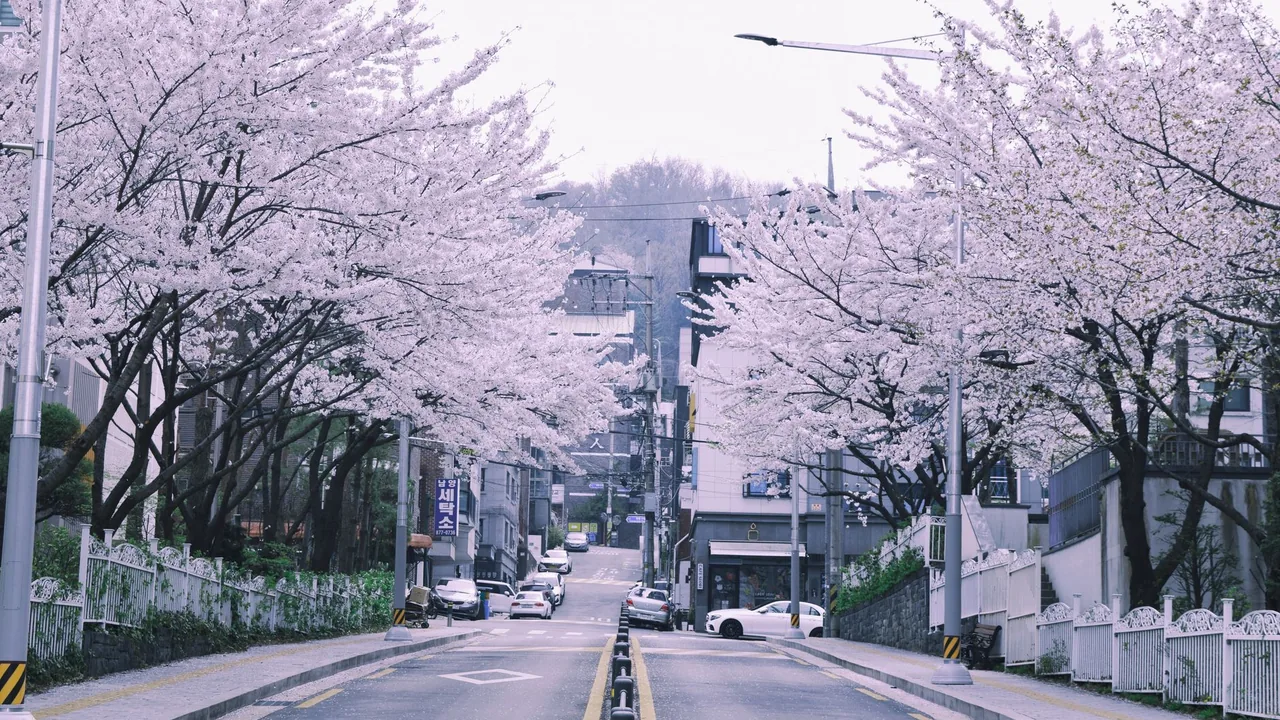
The 2026 cherry blossom season has ended. Unverified 2026 bloom dates were removed from this guide. The 2027 forecast is here: Korea Cherry Blossom Forecast 2027.
# Suwon Cherry Blossom 2026: Best Spots and Exact Timing
Forget Seoul's packed parks and Instagram crowds. When you head to Suwon for cherry blossoms, you're making a smarter move—the blooms arrive 3–5 days earlier here, and you'll actually find space to breathe. This city of 1.2 million sits just 30km south of Seoul, making it the insider's play for spring. We've mapped the real timing, the actual best spots, and what you need to know to experience Suwon's cherry blossom season like someone who actually lives here.
How Suwon's Cherry Blossom Timing Differs from Seoul
Suwon cherry blossoms don't follow Seoul's schedule—and that's your advantage. The city's slightly lower elevation and microclimate mean peak bloom typically hits a few days before Seoul's. This matters because it means you have a 4–5 day window where Suwon is at its peak while Seoul is still building up.
The Korea Meteorological Administration tracks blooming patterns obsessively. In 2025, Suwon's peak came on March 31, compared to Seoul's April 4. Expect similar variance from year to year. Aim for the days just before Seoul's peak to catch the sweet spot—full bloom without the absolute crush of Koreans on holiday break.
Temperature also matters: Suwon's average is 8–12°C during peak season, so pack layers. Rain can accelerate or delay bloom by 1–2 days, so check forecasts the week before.
5 Best Cherry Blossom Spots in Suwon (With Real Costs)
This UNESCO-listed 18th-century fortress is Suwon's signature. The 5.7km outer wall is lined with roughly 1,800 cherry trees, and the fortress itself—with traditional Korean architecture—creates a backdrop no Seoul park can match. You walk the ramparts at eye level with blossoms.
Cost: Admission ₩5,000 per adult (free for kids under 7). Parking ₩2,500 for 2 hours. Expect 2–3 hours if you do the full loop. Insider tip: Enter at the north gate (Janganmun) at 7 a.m. on a weekday and you'll have the ramparts nearly to yourself until 9 a.m.
A 1.6km stretch of road in Paldal-gu lined almost entirely with cherry trees. This isn't a park—it's an urban street where locals actually run, walk, and sit on benches surrounded by blossoms. No crowds because tourists don't know about it. Perfect for photos without 50 people in your background.
Cost: Free. Parking is tight; use the Paldal Culture Center lot (₩1,000/hour). Grab coffee from the cafés along the street (₩3,500–5,000). Best time: Early morning (6–8 a.m.) or late afternoon (5–7 p.m.).
The museum grounds and immediate plaza have around 300 cherry trees in a more curated, less chaotic setting than Hwaseong Fortress proper. The museum itself (₩5,000, worth 1 hour) provides context for the fortress. The outdoor area is free.
Cost: Museum ₩5,000. Parking ₩2,000 for 2 hours. Coffee and snacks nearby (₩4,000–7,000). Practical: Visit the museum first, then walk the surrounding grounds. This breaks up your day and avoids pure cherry blossom fatigue.
A smaller, family-friendly park at the south gate of Hwaseong. About 200 cherry trees with open grass space, picnic tables, and minimal tourist presence. You can bring kimbap and beer and do a proper picnic (totally normal here). This is where locals actually hang out.
Cost: Free. Street parking nearby (usually free on weekdays, ₩1,000–2,000 weekends). Convenience store items (kimbap ₩4,500, beer ₩2,500–3,500). Insider move: Bring a mat or small towel; it's acceptable to sit on grass here, unlike Seoul's stricter parks.
A newer park (developed 2012) on the east side, with around 400 cherry trees circling a 2.3km walking path around a lake. Less famous than Hwaseong, which means fewer crowds and a more relaxed vibe. Great for longer walks (1–2 hours).
Cost: Free. Parking ₩2,000 for 2 hours. Cafés and restaurants nearby (₩5,000–12,000 for meals). Why go: The combination of blossoms, water reflection, and greenery is more varied than street-lined spots. Best in late morning (9–11 a.m.) when light hits the water.
The area directly above and around Suwon Station (Bundang-Suwon subway line) has multiple plazas with cherry trees. It's urban, it's accessible, and it's free. Useful if you're arriving by train and want immediate blossoms without traveling further.
Cost: Free. Parking at the station is expensive (₩3,000/30 min), but you likely don't need it if you're using the subway.
8 Cherry Blossom Etiquette & Practical Tips
- Don't shake the branches or pick flowers. This seems obvious, but tourists do it constantly. Local sentiment is strong against it—you can face confrontation from ajummas (older Korean women), who take seasonal flowers seriously.
- Bring your own trash bag. Public trash cans are rare in Korea parks. Whatever you bring, take it with you. This applies doubly during cherry blossom season when volume is high.
- Alcohol is acceptable in parks, but use common sense. Korean parks allow drinking during cherry blossom season in ways Seoul parks technically don't anymore (though enforcement is loose). Drink quietly; don't be loud or disruptive.
- Wear comfortable shoes and layers. You'll walk 5–10km easily while sightseeing. Mornings are cold (5–7°C); afternoons warm to 12–15°C. A zip-off layer or windbreaker is essential.
- Visit on weekdays if possible. Weekends will be significantly more crowded. If you can go midweek (Tuesday or Wednesday), do it. Friday to Sunday will feel like Seoul in peak season.
- Download Naver Map or Kakao Map on your phone. Google Maps is spotty in Suwon. Use Korean apps to navigate buses, subway, and walking routes. Both are free and accurate.
- Bring cash for small purchases. Older cafés and street vendors don't always accept cards. Convenience stores (GS25, CU, Emart24) everywhere accept both, but having ₩30,000–50,000 in cash is smart.
- Check the KMA forecast 3 days before. The Korea Meteorological Administration (kma.go.kr) posts cherry blossom forecasts. Rain above 15mm can knock flowers down in 24 hours. Check Wednesday night if you're going Saturday.
- Photography peaks in early morning and late afternoon. The harsh midday sun (11 a.m.–3 p.m.) flattens photos. Go 6–8 a.m. or 4–6 p.m. for warm, directional light. You'll also avoid crowds.
- Use the subway to avoid parking hassles. Suwon's subway (Bundang-Suwon line) connects directly to Seoul. Buy a T-money card at any convenience store (₩2,500) and charge it. Single journeys cost ₩1,450–2,500 depending on distance. Parking fights aren't worth it.
FAQ: Suwon Cherry Blossoms
Q: Is Suwon cherry blossom season crowded?
A: Significantly less crowded than Seoul, but not empty. Hwaseong Fortress on a Saturday will have hundreds of people, but nothing like Yeouido or Jinhae. Weekday mornings (6–9 a.m.) are genuinely peaceful. Peak crowding happens when Seoul's season ends and people move outward. Stick to weekdays before Seoul's peak, and you'll have a fundamentally different experience than Seoul tourists.
Q: What's the best food to eat during cherry blossom season in Suwon?
A: Grab bungeoppang (Korean street food with vegetables, fish cakes, and sauce; ₩5,000–7,000) or tteokbokki (rice cakes in spicy sauce; ₩4,000–5,000) from street carts near the parks. For sit-down, look for naengmyeon (cold noodles; ₩8,000–10,000) or kalguksu (knife-cut noodles; ₩8,000–10,000) in small restaurants near Hwaseong. Suwon's local specialty is galbi-tang (beef short ribs in broth; ₩12,000–15,000), available everywhere. Cafés are ubiquitous; expect ₩4,500–6,500 for coffee.
Q: Will the cherry blossoms definitely peak on those dates?
A: No guarantee. Bloom timing varies ±3 days based on winter temperatures and March weather. A warm winter pushes bloom earlier; a cold snap delays it. The Korea Meteorological Administration issues a detailed forecast by mid-March each year. Check it 10 days before your trip and adjust if needed. Most people don't, which is why they miss peak bloom or arrive after petals have fallen.
Q: How do I get from Seoul to Suwon for cherry blossoms?
A: Subway is easiest: Take the Bundang-Suwon line (dark green line, Line 8 connection) directly from Seoul metro stations to Suwon Station (40 minutes from Gangnam, 50 minutes from central Seoul; ₩2,450). Trains run every 5–10 minutes. From Suwon Station, take a taxi (₩8,000–12,000) or bus (₩2,000–3,000) to your destination. If driving, take the Gyeongbu Expressway (30–40 minutes from Seoul depending on traffic; ₩8,800 toll).
Q: Can I see cherry blossoms and Hwaseong Fortress in one day trip?
A: Yes, absolutely. Spend 2 hours at Hwaseong Fortress (walking the ramparts), 45 minutes at the museum, 1 hour at Yeonmu-daero Street or Suwon Park, then lunch and coffee. Total time on ground: 5–6 hours. You can do this as a day trip from Seoul, leaving at 7 a.m., returning by 4 p.m. But staying overnight lets you catch sunrise at the fortress and early morning light without rushing.
Q: What's the best overnight option near cherry blossom spots?
A: Budget option: GuestHouse near Suwon Station (₩35,000–50,000/night, 10-minute walk to blossoms). Mid-range: Hotel Skypark Suwon (₩100,000–120,000, clean, reliable, central location). Luxury: Signiel Suwon (₩250,000+, modern, attached to shopping mall). Airbnb is common in Paldal-gu (₩60,000–100,000). Book by early March; rooms fill quickly. Location near Hwaseong or subway is more valuable than amenities.
Your Move: Plan Smarter
Suwon's cherry blossom season is a local secret that's starting to leak. You have a real advantage right now—fewer tourists know to come here, and the timing is genuinely better than Seoul. The best window is the few days before Seoul's peak. Book travel by early March, and hit the spots we've mapped.
Ask the KORLENS AI chat for Suwon spring blossom spot suggestions based on your interests. It is an AI assistant that replies in seconds, not a human team, and it works from Korea Tourism Organization open data. Also visiting Seoul? Seoul Local Picks covers Seoul only.
The blossoms don't wait. Plan now.
Next Step
About this guide
KORLENS is run by one person (KunStudio, a solo studio in Korea), not an editorial team. Guides are AI drafts based on public sources; some use Korea Tourism Organization TourAPI open data. KORLENS does not claim on-site visits or scheduled re-checks, so confirm hours, prices and closures with the venue before you go. Page last edited: 2026-10-04.
Plan your Korea trip with the KORLENS AI chat
Got a follow-up question after reading this? Ask the KORLENS AI chat in plain English. It is an AI assistant, not a person, and it replies in seconds with places from Korea Tourism Organization open data.
Ask the KORLENS AI chatCurious about Korean Saju? Try sajuapp.app
1,000-year-old Korean astrology, decoded by AI — available in 9 languages.
7 Best Day Trips from Suwon (2-Hour Radius, 2026)
Skip the Seoul crowds. Discover 7 authentic countryside and cultural day trips within 2 hours of Suwon—with real prices, insider timing, and what locals actuall
Suwon 3-Day Itinerary for First-Time Visitors (2026)
Skip the Seoul crowds. Suwon's fortress walls, street food scene, and skyline rival any Korean destination—and it's only 30 minutes south. Here's your insider 3