Suwon 3-Day Itinerary for First-Time Visitors (2026)
Skip the Seoul crowds. Suwon's fortress walls, street food scene, and skyline rival any Korean destination—and it's only 30 minutes south. Here's your insider 3
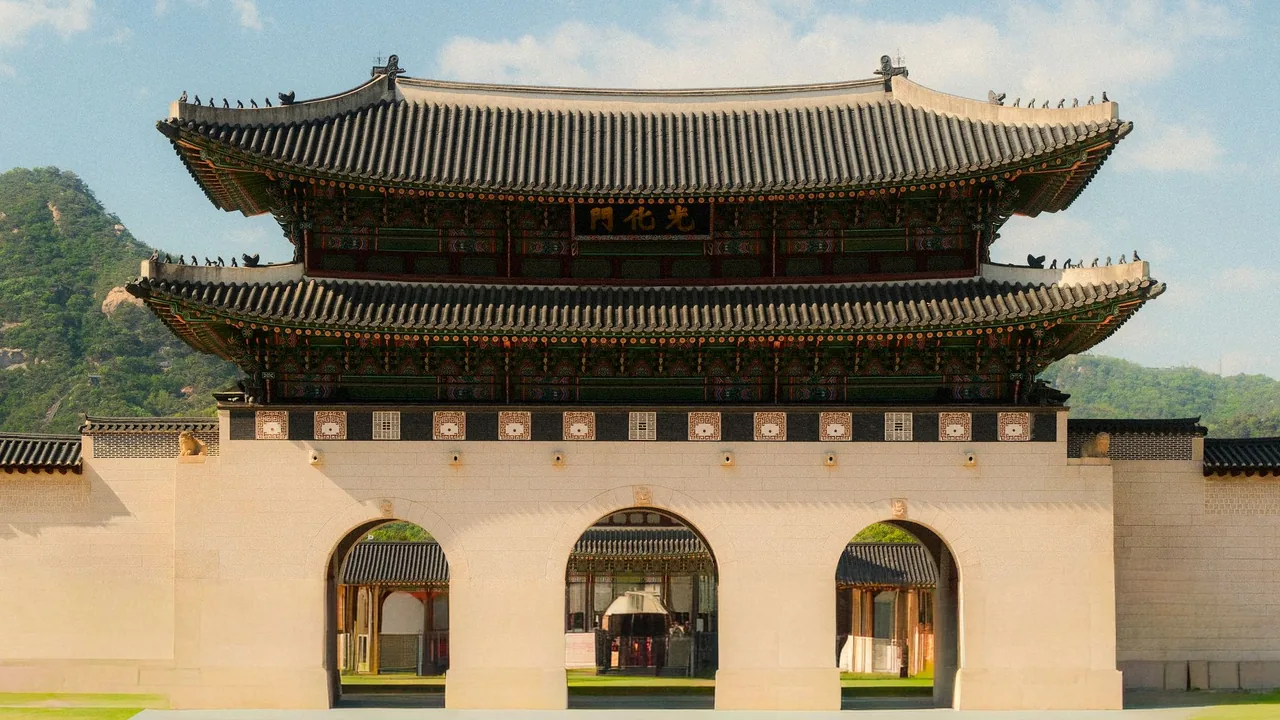
# Suwon 3-Day Itinerary for First-Time Visitors (2026)
Why Suwon? The Insider's Secret
Most first-time Korea visitors fixate on Seoul, but you're making a mistake if you skip Suwon. Located just 30 kilometers south of Seoul, this provincial capital punches well above its weight—and locals know it. You'll find the same energy as Seoul's Myeongdong, but with breathing room, authentic street food culture that hasn't been gentrified into Instagram blandness, and the Hwaseong Fortress skyline that rivals any Korean postcard. Plus, it's cheap. Your won stretches further here, and the Suwon skyline city center rivals Gangnam without the pretension.
This 3-day itinerary strips away the noise and delivers what actually matters: fortress exploration, neighborhood authenticity, and local eating experiences most tourists miss.
---
Day 1: Hwaseong Fortress & Paldalmun Historic District
Start early—7:30 AM if possible. You want the fortress before tour groups arrive.
Hwaseong Fortress isn't just any UNESCO site; it's a 1794 architectural blueprint of King Jeongjo's vision for rational urban planning. The 5.7-kilometer wall is climbable (most of it), and the views of Suwon's modern skyline contrasting with ancient ramparts are genuinely stunning.
Entry: ₩5,000 (₩2,500 for students) Time allocation: 2–3 hours for a solid walk
Head to the Paldalmun Gate entrance. Walk the eastern section first—fewer crowds, better light for photos. Stop at the Dongbuk Gongsimdon (watchtower) for views across the city. If you're feeling ambitious, loop back through Janganmun Gate on the western side.
Exit the fortress and head downhill to Paldal-gu, the historic merchant quarter. This area is where Suwon's authentic food culture lives.
Galbi-jjim (stewed short ribs) is the local signature dish—slow-cooked until the meat falls apart. Hit Suwon Galbi Chon (수원갈비촌), a pedestrian alley packed with family-run spots. Expect ₩25,000–₩35,000 per person for quality galbi-jjim with side dishes (banchan).
Alternatively, grab tteokbokki and kimbap at a pojangmacha (street stall) for ₩4,000–₩8,000.
Wander Paldalmun Historic District. This neighborhood feels like a time capsule—narrow alleyways, mom-and-pop fabric shops, and vendors selling dried goods you've never heard of. It's unglamorous, but that's exactly why it's worth your time.
Visit the Suwon Hwaseong Museum (₩3,000) if you want deeper context on the fortress's construction. Otherwise, just walk. Stop for injeolmi hotteok (red bean and cinnamon pastry) at street vendors near Paldalmun Gate (₩3,500).
Head to Gwanggyo Mountain Park or the observation deck area near Suwon Station for sunset. The suwon skyline city center transforms at dusk—neon signs flicker on, and the fortress walls are illuminated against a darkening sky. It's the photo moment you came for.
Dinner at Myeongdong Food Alley or Changyong District for samgyeopsal (grilled pork belly): ₩12,000–₩18,000 per person. Grill it yourself at your table, wrap it in lettuce, and pair with soju.
---
Day 2: Gwanggyo Mountain & Yeongtong District
Skip the cable car crowds at other Korean mountains. Gwanggyo Mountain offers a 1.5-hour hiking loop with minimal elevation gain and views of the suwon skyline city center from above.
Entry: Free Time: 1.5–2 hours for the main loop
The Gwanggyo Jungsimjeong (pavilion) at the summit gives you 360-degree views. On clear days, you can see Seoul's buildings to the north. Pack water; there's a small cafe at the parking lot (₩3,000 for coffee).
After your hike, cool down at the Gwanggyo Ecological Wetlands (admission free, but donations accepted). It's a quiet nature corridor with walking paths, native plants, and locals doing tai chi. Perfect decompression.
Head to Yeongtong, Suwon's modern commercial neighborhood. This is where younger Suwon residents hang out—less touristed than central areas.
Hit Yeongtong Gukbap Alley for gukbap (rice soup with beef broth): ₩7,000–₩9,000. Or grab jjamppong (spicy seafood soup) at any seafood restaurant: ₩12,000–₩15,000.
Yeongtong District has several shopping streets. Fashion Street runs parallel to the main subway exit—Korean brands, affordable chains, and used clothing boutiques. Budget 1–2 hours for browsing.
Cafe culture is strong here. Pop into any of the dozens of independent cafes. Specialty coffee runs ₩6,000–₩8,000; desserts are ₩5,000–₩8,000.
Unlike Gwanggyo Mountain, Gwanggyo Lake Park (₩5,000 entry, or free if you're just walking the perimeter) is a man-made reservoir surrounded by walking trails. The lakeside promenade at sunset is peaceful and less crowded than tourist-heavy spots.
Dinner at a Korean BBQ restaurant in Yeongtong: ₩15,000–₩25,000 per person. These places are lively in the evening—expect families and after-work groups.
---
Day 3: Haenggung Palace & Mannyeon District
Haenggung ("temporary palace") is where King Jeongjo spent his time when away from Seoul. It's less grand than Seoul's palaces but more intimate—and you'll actually see Korean history here, not just crowds.
Entry: ₩5,000 (₩2,500 for students) Time: 1–1.5 hours
Walk through the Injeongjeon (throne hall) and the residential quarters. The grounds are well-maintained, and there's a small museum explaining Jeongjo's reign. If you visit on a weekend, catch the traditional music and dance performances (included in entry; check schedule).
The alleyway behind Haenggung Palace is a neighborhood gem locals call Mannyeon-dong Alleyway (만년동 골목). This is old Suwon—ramshackle houses, tiny restaurants, vintage shops selling everything from old records to grandmother's furniture.
Don't come here for Instagram moments. Come here to understand how ordinary Koreans lived and lived well. Chat with shop owners (if they speak English, great; if not, a translation app works). Buy a snack from a vendor: tteokbokki, odeng, or mandu for ₩3,000–₩5,000.
This alley is famous for guksu (noodle soup). Multiple tiny restaurants compete for your business. Pick one with a line.
Cold buckwheat noodles or spicy noodle soup: ₩7,000–₩9,000. Add kimchi pancake (kimchi jeon): ₩3,000–₩5,000.
It's tight seating, shared tables, and zero English menus. That's the point.
Option A: Head to Suwon Department Store or Shinsegae near Suwon Station for polished shopping. ₩0–₩1,000,000 depending on your budget.
Option B: Visit the Suwon Museum of Art (₩5,000–₩10,000 depending on current exhibitions). It's smaller and quieter than Seoul's art institutions—a nice cultural pit stop.
Wrap up at Suwon Station area, the true commercial heart of the city. The skyline views from the station's upper levels or nearby buildings capture that final suwon skyline city center moment.
Grab coffee and pastries at one of the chains (Starbucks, Café Bene) or independent cafes: ₩5,000–₩8,000.
For your last dinner, try Suwon's famous maeuntang (spicy fish stew) or revisit galbi-jjim. Or play it safe with Korean fried chicken (chimaek): ₩18,000–₩25,000 for half chicken with beer.
---
5–7 Key Neighborhoods & Spots
- Hwaseong Fortress (화성) — Historic UNESCO site, 5.7 km walls, entry ₩5,000
- Paldal-gu (팔달구) — Merchant district, galbi-jjim specialty, ₩25,000–₩35,000 per meal
- Gwanggyo Mountain Park (광교산) — Free hiking, 1.5 hours, skyline views
- Yeongtong District (영통구) — Modern shopping, cafes, gukbap alley ₩7,000–₩9,000
- Haenggung Palace (행궁) — King Jeongjo's temporary palace, entry ₩5,000
- Mannyeon-dong Alleyway (만년동) — Authentic residential neighborhood, no entry fee
- Suwon Skyline City Center — Best views from Gwanggyo Mountain Park or Suwon Station area
---
8 Etiquette & Practical Tips
- Download Naver Map or Kakao Map. Google Maps works in Korea, but these apps are faster and include real-time subway info. Both have English interfaces.
- Use T-money card for transit. Buy one at any convenience store (GS25, CU, Emart24) for ₩2,500. Single rides on subway cost ₩1,350–₩2,500 depending on distance. Top up at kiosks; minimum ₩10,000.
- Cash is still king in Suwon's older neighborhoods. Many small vendors in Paldal-gu and Mannyeon don't accept cards. Withdraw ₩200,000–₩300,000 at a 7-Eleven ATM (no fees for international cards marked Cirrus/Plus).
- Respect temple and palace etiquette. Remove shoes when entering certain areas, don't touch artworks, and silence your phone. Bow slightly when greeting elders.
- Eat where locals eat. If a restaurant has a line at lunch, it's worth the wait. Menus are visual in most places—point at what other diners are eating.
- Learn basic Korean phrases. "Gamsahamnida" (thank you), "Joeseoyo" (delicious), and "Bill-juseyo" (check please) go a long way. Most service workers appreciate the effort even if they don't speak English.
- Dress modestly at temples and palaces. Shoulders and knees covered are best. Casual Western clothing is fine everywhere else.
- Public restrooms are free and abundant. Most subway stations, convenience stores, and restaurants have them. Carry small change if you need toilet paper from dispensers (₩500).
- Rush hours on the subway are 7–9 AM and 5–7 PM. Avoid if you hate crowds. Off-peak travel is smooth and civilized.
- Tipping is not expected or practiced in Korea. Rounding up at restaurants or leaving small change is appreciated but not necessary. Service charges are usually included.
---
FAQ: Suwon 3-Day Itinerary
A: Suwon is 30 kilometers south of Seoul. Take the Seoul Metro Line 1 or the express bus from Seoul Station (₩2,500–₩3,000; 40–60 minutes). The KTX (bullet train) also stops here if you're coming from other cities. Suwon Station is the main transportation hub—everything radiates from here. Most tourists find the subway easiest and cheapest.
A: Spring (April–May) and autumn (September–October) are ideal—mild weather, clear skies for fortress walks and skyline views. Summer (June–August) is hot and humid; winter (November–February) can be cold, though winter festivals at Hwaseong are worth experiencing. Avoid Lunar New Year (late January–February) and Chuseok (September–October) when everything is packed and prices spike.
A: Yes. This itinerary hits the major sites and gives you a taste of authentic neighborhoods without overloading you. You could extend to 4 days if you want to add Korean Folk Village (a 20-minute drive north) or deeper exploration of art museums and temples. But 3 days is the sweet spot for first-timers.
A: Budget ₩80,000–₩120,000 per day ($60–$90 USD). This includes one main meal (₩15,000–₩35,000), snacks (₩10,000–₩15,000), attractions (₩5,000–₩10,000), transit (₩5,000–₩10,000), and one casual evening meal. Accommodation adds ₩50,000–₩150,000 for a guesthouse or budget hotel. It's cheaper than Seoul and more forgiving on the wallet.
A: Not at all. Suwon Station, major attractions, and popular restaurants have English signage. Younger staff at cafes and shops speak basic English. Use a translation app for menus. The real advantage of going to smaller neighborhoods is cultural immersion—language barriers become part of the experience, not a problem.
A: Technically yes, but you'll miss the neighborhood depth and evening energy. Suwon reveals itself slower than Seoul—street food vendors are best at lunch and dinner, palaces close by 6 PM, and the nighttime skyline demands time to appreciate. Stay overnight at least once.
---
Final Thoughts
Suwon punches above its weight because it refuses to perform tourism. The fortress walls are genuinely historic. The street food is genuinely delicious. The skyline is genuinely worth watching unfold. You'll leave with stories about eating galbi-jjim in a plastic-chair restaurant with a Korean grandma, navigating Mannyeon Alleyway's warren of vintage shops, and watching the suwon skyline city center flicker to life at dusk—not because they were Instagram-famous, but because they were real.
That's what makes Suwon worth three days of your Korea trip.
---
Next Steps
Ask the KORLENS AI chat for Suwon place suggestions for a first visit based on your interests. It is an AI assistant that replies in seconds, not a human team, and it works from Korea Tourism Organization open data. Also visiting Seoul? Seoul Local Picks covers Seoul only.
Or explore our Complete Korea Itinerary Guide for 3-day plans in Seoul, Busan, Jeju, and beyond.
Next Step
About this guide
KORLENS is run by one person (KunStudio, a solo studio in Korea), not an editorial team. Guides are AI drafts based on public sources; some use Korea Tourism Organization TourAPI open data. KORLENS does not claim on-site visits or scheduled re-checks, so confirm hours, prices and closures with the venue before you go. Page last edited: 2026-06-15.
Plan your Korea trip with the KORLENS AI chat
Got a follow-up question after reading this? Ask the KORLENS AI chat in plain English. It is an AI assistant, not a person, and it replies in seconds with places from Korea Tourism Organization open data.
Ask the KORLENS AI chatCurious about Korean Saju? Try sajuapp.app
1,000-year-old Korean astrology, decoded by AI — available in 9 languages.
Suwon's Hidden Coffee Shops Locals Love (2026 Guide for Foreigners)
Suwon's third-wave coffee scene rivals Seoul without the tourist markup. Discover hidden cafés locals keep quiet about, with real prices and insider tips.
Daejeon Night Markets and Late-Night Eats (2026 Guide)
Skip Seoul's crowds. Daejeon's night markets serve authentic Korean street food at half the price, with zero tourist inflation. Here's where locals actually eat