Daejeon Night Markets and Late-Night Eats (2026 Guide)
Skip Seoul's crowds. Daejeon's night markets serve authentic Korean street food at half the price, with zero tourist inflation. Here's where locals actually eat
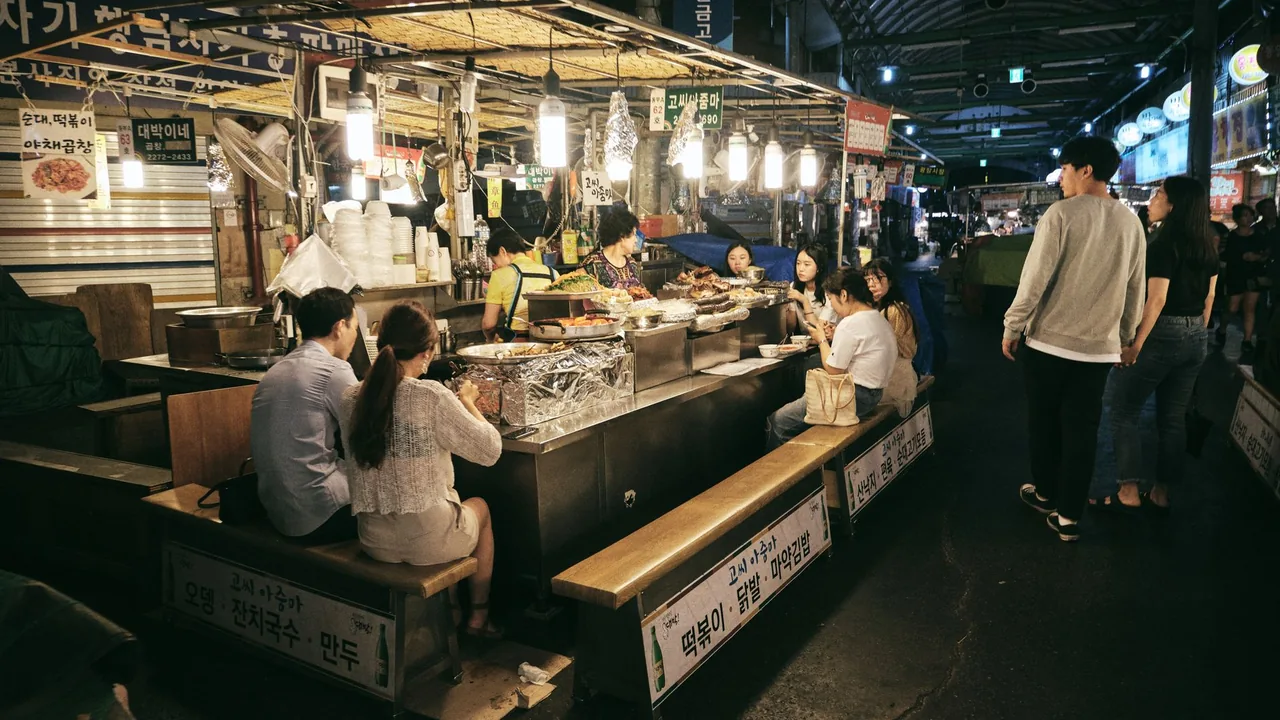
# Daejeon Night Markets and Late-Night Eats (2026 Guide)
Opening: Why Daejeon Should Be Your Night Market Destination
While tourists queue for overpriced tteokbokki in Seoul's Myeongdong, you could be eating the same dish—better quality, bigger portions—for less than half the price in Daejeon. This mid-sized city has developed a reputation among Korean foodies for having some of the most authentic, unpretentious night market scenes in the country. The food stalls here aren't performing for Instagram; they're feeding shift workers, university students, and families who demand quality at reasonable prices. If you want to eat like a local without the Seoul premium tax, Daejeon is your answer.
Why Daejeon's Late-Night Food Scene Matters to Travelers
Daejeon isn't a "night market" destination like some Southeast Asian cities—the culture is different. But what you get instead is something arguably better: functional, affordable, authentic Korean street food integrated into daily life. The night markets (pojangmacha) here operate between 5 PM and 2 AM, depending on location and season. They're not tourist attractions dressed up for cameras; they're where construction workers grab dinner at 11 PM, where university students meet before hitting clubs, and where families decompress after long workdays.
Prices are 30–50% cheaper than Seoul equivalents. A bowl of ramyeon costs ₩4,500 instead of ₩7,000. Tteokbokki and gimbap are consistently under ₩7,000. You'll find food stalls (daejeon night market food stall vendors) willing to customize orders, give you extra portions, and chat with you in broken English rather than rushing you through.
For travelers, this means:
- Real affordability: Budget ₩15,000–25,000 per person for a full meal with drinks
- Less tourist friction: Minimal English signage means authentic menus and pricing
- Convenience: Late-night options actually open late (not 10 PM "late")
- Unpretentious environment: No one's judging what you order or how you eat
5–7 Specific Night Market Spots & Neighborhoods
Location: Jungangno-daero, Jung-gu | Hours: 6 PM–1 AM | Vibe: Dense, crowded, local
This is Daejeon's most famous night market district, and for good reason. You're looking at 30+ food stalls clustered in a pedestrianized area. Expect tteokbokki (₩5,000–6,500), hotteok (pancakes, ₩3,000–4,000), odeng (fish cakes, ₩3,000–5,000), and grilled meats. The market gets properly packed after 8 PM on weekends. Don't come expecting a quiet meal; come for the energy. Parking is a nightmare—use the nearby Jungang-ro parking structure (₩2,500/hour).
Must-try stall: Look for the pojangmacha with the red umbrella and the bindaetteok (mung bean pancake, ₩6,000)—it's been operating for 12 years and uses fresh ingredients daily.
Location: Beomeo-dong, Seo-gu | Hours: 5 PM–11 PM (earlier than other spots) | Vibe: Neighborhood hangout, less touristy
If Jungangno feels too crowded, Beomeo-dong is your escape valve. This alley has 15–20 stalls, mostly focused on soups and stews. The tonkatsu (₩12,000–15,000) here is exceptional—lightly breaded, juicy, and served with fresh kimchi and rice. Ramyeon (₩4,500) is consistently good across most stalls. It closes early compared to other markets, so plan for dinner around 7–9 PM.
Must-try: Budae jjigae (army stew, ₩10,000–12,000) at any stall—Daejeon's version is less spicy than Seoul's and actually lets you taste the ingredients.
Location: Near Yuseong Hot Springs area | Hours: 6 PM–2 AM | Vibe: Student-heavy, energetic
Yuseong is where Daejeon's university districts cluster. This night market is younger, louder, and stays open significantly later than central Daejeon. You'll find experimental fusion stuff (jjajangmyeon tacos, Korean-Mexican fusion) mixed with classics. Prices are comparable to central Daejeon. The scene is heavy with university students and younger travelers, so expect lots of soju, beer, and noise after 10 PM.
Must-try: Jumokbap (rice hand rolls, ₩3,500–5,000)—smaller stalls here make these to order with your choice of fillings.
Location: Outside Daejeon Station | Hours: 5 PM–11 PM | Vibe: Quick bites, tourist-friendly
If you're arriving late or catching an early train, this is your option. It's smaller (8–10 stalls) but reliable. Kimbap (₩5,000–6,500), gukbap (soup with rice, ₩7,000–8,000), and hotteok are the primary offerings. Less atmosphere than Jungangno, but it's convenient and won't disappoint. Takes 10 minutes from the station exit.
Must-try: The kimchi kimbap (₩6,000) here is better than you'd expect—uses real, fresh kimchi, not the canned stuff.
Location: Sacheong-dong, Dong-gu | Hours: 6 PM–midnight | Vibe: Grilled meat focus, older crowd
This daytime traditional market transforms into a grilled meat and soup heaven after dark. Less crowded than Jungangno, with better ventilation (for a night market). Specialties: samgyeopsal (pork belly, ₩12,000–15,000 per serving), galbijjim (braised short ribs, ₩8,000–10,000), and bone broth soups (₩8,000–9,000). Older, local crowd means fewer tourists and more authenticity.
Must-try: Oxtail soup (₩9,000)—if it's available, get it. Sacheong's version simmers for 8+ hours and tastes it.
Location: Bangsong-dong, Nam-gu | Hours: 5 PM–1 AM | Vibe: Office workers, after-work socializing
This is more of a sprawling pojangmacha area than a compact market. About 50+ stalls spread across two intersecting streets. Caters to post-work crowds (5–9 PM is busy) but quiets down after 10 PM. Alcohol-forward—most tables have soju, beer, or makgeolli. Food includes the standards plus more elaborate dishes. Budget ₩20,000–30,000 per person with drinks.
Must-try: Nakji bokkeum (stir-fried octopus, ₩10,000–12,000)—the wok-charred version here has good spice and chew.
8 Practical Tips for Night Market Eating in Daejeon
- Bring cash. Period. Most daejeon night market food stall vendors don't take cards. ATMs are nearby but asking around for an ATM while hungry is annoying. Plan ₩50,000–80,000 cash per person for a multi-stall evening.
- Eat standing up or be prepared to share tables. These markets aren't designed for privacy. You'll stand at a high counter, or you'll squeeze onto a shared bench. Don't take it personally—it's normal, expected, and part of the charm.
- Order with hand gestures if needed. Even if a vendor speaks zero English, pointing at someone else's bowl or making eating motions gets understood instantly. Confidence helps.
- Go early (before 8 PM) if you dislike crowds. Peak hours are 8–11 PM on weekdays, 7 PM–midnight on weekends. Want elbow room? Eat at 5–6 PM or after 11 PM.
- Bring wet wipes or hand sanitizer. Hygiene is fine, but these are open-air markets. Your hands get greasy, sticky, and covered in seasoning powder. Wet wipes are your friend. Korean convenience stores stock them.
- Understand the side-dish system. When you order, you'll get banchan (side dishes)—kimchi, pickled radish, etc.—free. These refill automatically. You're not being generous; it's standard. Don't feel obligated to buy extra.
- Language barrier isn't actually a barrier. Point. Nod. Smile. Try to say "맛있어요" (mas-iss-oh-yoh, "it's delicious") when you finish. Vendors appreciate minimal effort far more than fluent tourists.
- Plan bathroom breaks before eating. Night market bathrooms are limited. Most vendors have one, but they're often single-stall, gender-neutral, and not designed for comfort. Use a nearby building's bathroom if possible (restaurants, department stores nearby often allow it).
- Order multiple small dishes, not one large meal. You can spend ₩15,000 on one bowl or ₩18,000 on five tiny dishes across three stalls. The latter is the move—more variety, more fun, more like a local.
- Spice tolerance matters. Most daejeon night market food stall offerings are medium-spicy or higher. If you can't handle gochugaru (red chili flakes), ask for "덜 맵게" (deol map-ge, "less spicy") and point. Vendors will adjust.
FAQ: Daejeon Night Markets & Late-Night Eating
A: In Daejeon (and Korea), they're often used interchangeably, but pojangmacha technically refers to food tents or stalls, while "night market" implies a neighborhood or cluster. Pojangmacha are temporary or semi-permanent structures; night markets are geographic areas where multiple pojangmacha congregate. Daejeon's daejeon night market food stall vendors operate both ways—some have permanent spots, others are seasonal.
A: Yes, but winter (November–February) has fewer stalls and shorter hours. Many vendors operate Thursday–Sunday only during winter. Spring through autumn (March–October) is peak season with most stalls open daily. Summer (July–August) can be quieter due to heat, but stalls adjust hours to stay open later (until 2–3 AM). Check locally before planning a trip around specific stalls.
A: Smell, crowd presence, and turnover are your indicators. If a stall has a line and the food looks freshly made (steam rising, ingredients being prepped in front of you), it's trustworthy. Avoid stalls with visible mold, strange smells, or zero customers at peak hours. Your immune system is stronger than you think, and Korea's food safety standards are strict. Trust busy stalls.
A: Not really. Prices are fixed and cheap already. Asking for discounts is considered insulting in Korean culture. However, if you order multiple dishes or show up regularly, some vendors give small extras (extra ramyeon noodles, more banchan). Just be a friendly regular; don't ask outright for deals.
A: Late May through September, Thursday–Saturday, 7:30–10 PM. Weather is warm, stalls are abundant, and you'll see both tourists and locals. September–October is also excellent—temperatures drop, energy is good, and fewer crowds than peak summer. Avoid holiday weeks (Chuseok in September, Lunar New Year in February) unless you specifically want chaos.
A: Limited but present. Vegetable tteokbokki (₩5,500–6,500), vegetable kimbap (₩5,000–6,000), and hotteok are reliably vegetarian. Soups are often made with meat broths, so ask "고기 없이" (go-gi-op-see, "without meat"). Pajeon (₩5,000–8,000) can be made vegetarian. It's not ideal for strict vegetarians, but you won't starve. Bring energy bars if plant-based is non-negotiable.
Final Word: Eat Like Daejeon Locals
Daejeon's night markets aren't Instagram setpieces or tourist attractions masquerading as "local experiences." They're where the city eats when it's hungry, tired, or celebrating. You'll eat better food at better prices than in Seoul, with zero pretense and maximum flavor. Bring cash, low expectations for ambiance, and high expectations for taste. Stand elbow-to-elbow with construction workers, university students, and families. Order too much. Refill your banchan. Say "맛있어요." Come back tomorrow.
The real Daejeon reveals itself after sunset, one bowl at a time.
---
Ask the KORLENS AI chat for Daejeon night market and late-night food suggestions based on your interests. It is an AI assistant that replies in seconds, not a human team, and it works from Korea Tourism Organization open data. Also visiting Seoul? Seoul Local Picks covers Seoul only.
Next Step
About this guide
KORLENS is run by one person (KunStudio, a solo studio in Korea), not an editorial team. Guides are AI drafts based on public sources; some use Korea Tourism Organization TourAPI open data. KORLENS does not claim on-site visits or scheduled re-checks, so confirm hours, prices and closures with the venue before you go. Page last edited: 2026-06-15.
Plan your Korea trip with the KORLENS AI chat
Got a follow-up question after reading this? Ask the KORLENS AI chat in plain English. It is an AI assistant, not a person, and it replies in seconds with places from Korea Tourism Organization open data.
Ask the KORLENS AI chatCurious about Korean Saju? Try sajuapp.app
1,000-year-old Korean astrology, decoded by AI — available in 9 languages.
Is it worth visiting, the best time to go, crowds and real cost.
Daejeon Luxury Guide 2026: Where the Wealthy Shop and Eat
Skip the Seoul crowds. Daejeon's luxury district caters to serious spenders with less tourism noise. Here's where locals with real money actually go.
Daejeon for Young Travelers 2026: Music, Cafes, Street Culture
Skip Seoul's crowds. Daejeon's youth street culture is where Korea's underground music, indie cafes, and real neighborhood energy live. Here's your insider map.