Daejeon Luxury Guide 2026: Where the Wealthy Shop and Eat
Skip the Seoul crowds. Daejeon's luxury district caters to serious spenders with less tourism noise. Here's where locals with real money actually go.
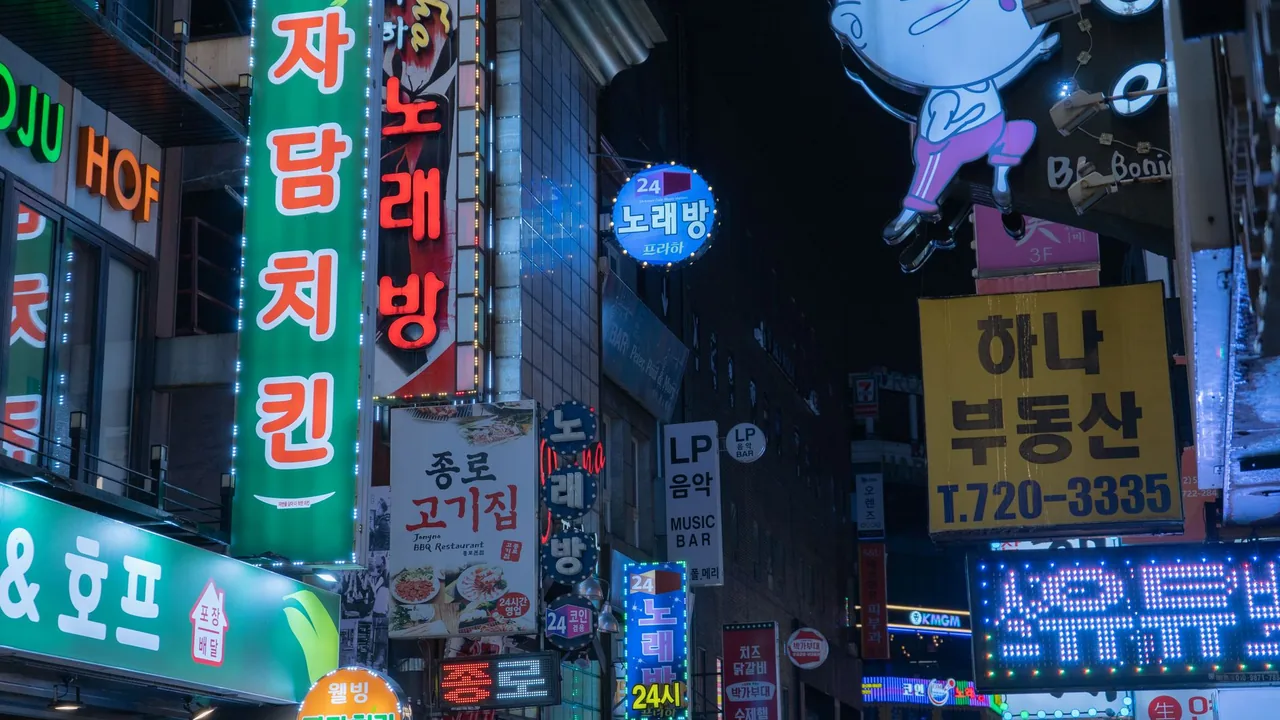
# Daejeon Luxury Guide 2026: Where the Wealthy Shop and Eat
You've probably heard that luxury Korea means Seoul—Gangnam, Myeongdong, Cheongdam-dong. But here's what locals actually know: Daejeon's wealth is quieter, more genuine, and frankly easier to navigate. The city hosts South Korea's tech and research elite, which means serious money flows through neighborhoods you won't find in most travel guides. If you're looking for high-end experiences without Seoul's tourist saturation, the daejeon luxury district is where you need to be.
Daejeon's Luxury Map: Where Money Actually Lives
Daejeon divides into five districts (gu), and wealth concentrates in three specific zones. The city's wealthy professionals—pharmaceutical executives, research scientists, tech founders—cluster around Dunsan-dong (West Ward) and Yuseong-gu (East Ward). These areas have evolved into Daejeon's de facto luxury districts, housing high-end restaurants, designer boutiques, and exclusive residential complexes that cater to serious spenders.
Unlike Seoul's scattered luxury sprawl, Daejeon's wealth is geographically compact. You can cover premium shopping and dining in two neighborhoods without endless Metro transfers. This concentration means better access: restaurants reserve tables exclusively for members, boutiques staff English-speaking associates, and concierge services know your preferences within weeks of first visits.
The psychology is different too. Daejeon's luxury sector operates on relationship-building rather than transaction speed. Money here is older, more established—inherited tech fortunes, family pharmaceutical businesses, multi-generational real estate wealth. This shapes how merchants treat clients: with patience, discretion, and genuine personalization.
5 Premier Daejeon Luxury Neighborhoods & Venues
If you're serious about daejeon luxury district experiences, you start here. Dunsan is where Daejeon's administrative elite and business owners conduct formal dining and shopping. The neighborhood clusters around Dunsan Avenue, a tree-lined boulevard hosting flagship designer stores, Michelin-adjacent restaurants, and luxury hotels.
Key spots:
- Lotte Department Store Daejeon (40,000–500,000 KRW per item): Rolex boutique, LVMH collection, Japanese denim premium brands. The salon floor hosts private shopping appointments with 48-hour notice.
- Signiel Premium Restaurant (120,000–280,000 KRW per person): Contemporary French-Korean fusion. Reservation only; private dining rooms available for 6+ guests.
- Luxury Hotel Lounge Access (80,000–150,000 KRW per afternoon tea): Hotel Intercontinental Daejeon offers membership afternoon tea with champagne service.
Getting there: Subway Line 1, Dunsan Station (Exit 2). The luxury corridor begins 150m from the station.
Yuseong represents newer wealth—software engineers, biotech researchers, startup founders. The neighborhood centers on Expo Science Park and radiates outward with high-end wellness centers, contemporary Japanese restaurants, and lifestyle boutiques. The vibe is younger, more experimental than Dunsan.
Key venues:
- Mitsui Outlet Park Daejeon Yuseong (premium brands, 50,000–300,000 KRW): Hermès, Coach, COACH outlet. Less crowded than Seoul equivalents; English-speaking staff standard.
- Kaiseki-Ya Premium (150,000–220,000 KRW per person): Omakase counter with single-sourced fish from Busan daily. 6-seat counter only; chef speaks English. Book 2 weeks ahead.
- Spa Lei Yuseong (180,000–450,000 KRW per session): Luxury spa offering 24K gold facials and private steam suites. Packages include lunch at private dining room.
Getting there: Subway Line 1, Yuseong Station (Exit 5). Premium zones spread 1–2km from station; taxi/car recommended.
You won't find tourist busloads here. Daeheung is where Daejeon's old money dines—family-run restaurants with 30-year waitlists for reservations, omakase venues that require personal introduction, wine bars stocked with pre-order Korean vintages.
Key establishments:
- Yakitori Momiji (85,000–160,000 KRW per person): Japanese charcoal grill; 8-seat counter. Owner sources free-range chickens from Jeollanamdo. No menu—trust the chef. Phone: 042-225-3391 (Korean preferred; English acceptable).
- Wine Bar Saphir (120,000–280,000 KRW per bottle): Curated South Korean and European wine list. Sommelier trained in Burgundy. Private tasting room available.
Getting there: Subway Line 1, Daejeon Station + 10min taxi to Daeheung. Not walkable from station; use Naver Map.
Hyowon is where wealthy families live—pristine high-rise apartments, country clubs, and private galleries. Few tourists come here because it's genuinely residential. But if you're staying 2+ weeks, this is where the real Daejeon luxury experience unfolds.
Key attractions:
- Daejeon Country Club Daejeon (membership/guest fees: 500,000–2,000,000 KRW for guest play): 18-hole course; gym, restaurant. Guest play possible with member introduction.
- Private Art Gallery Row (free–200,000 KRW per viewing): Five gallery-studios operate by appointment only. Specializes in contemporary Korean sculpture and painting.
Getting there: Taxi mandatory; 15km from central Daejeon. Not on primary Metro line.
If Dunsan feels established and Yuseong feels startup-trendy, Bangok is the emerging compromise. New luxury complexes opened 2024–2025, housing international brands yet avoiding Dunsan's formality.
Key venues:
- Shinsegae Premium Bangok (50,000–400,000 KRW): Smaller than Lotte but denser designer concentration. Personal shopper service available.
- Mol'lière Restaurant Group (140,000–250,000 KRW per person): Contemporary Korean-French. Private chef experiences can be arranged; 3-day advance notice required.
Getting there: Bangok Station (Subway Line 1); 5min walk to main complex.
8 Essential Etiquette & Practical Tips for Daejeon Luxury Experiences
- Reservations are non-negotiable. Unlike Seoul where you might walk into a restaurant, premium Daejeon venues require 1–3 weeks advance booking. Call directly (not via websites); Korean language helps but English-speaking receptionists exist at major establishments.
- Dress code matters more than you think. Business casual is absolute minimum for fine dining; jackets expected for Michelin-adjacent restaurants. Designer labels aren't required but quality fabrics signal respect.
- Cash is still preferred for smaller boutiques. While cards work everywhere, elite tailors and private galleries often request bank transfer or cash for transactions over 1,000,000 KRW due to VAT handling.
- Membership creates access. Luxury hotels, country clubs, and spa chains offer membership packages (typically 2,000,000–5,000,000 KRW annually) that unlock exclusive dining hours, guest privileges, and discounted spa treatments. If you're considering a second visit, membership becomes cost-effective.
- English is inconsistent outside Dunsan. Yuseong and Daeheung venues employ staff with limited English. Download Naver Papago, bring a translation app, or book through hotel concierge services (which speak English).
- Tipping isn't customary but service charges exist. Most high-end restaurants add 10% service charge automatically. Tipping beyond this (5% cash) is appreciated but not expected; it may confuse staff unfamiliar with tipping culture.
- Seasonal ingredients drive premium menus. Fine dining spots rotate menus quarterly. Spring (Apr–May) features mountain vegetables; fall (Sept–Oct) emphasizes game and mushrooms. Plan premium dining around seasons for best value.
- Hotel concierge services are free and invaluable. If you're staying at Intercontinental, Lotte, or similar, concierge can book restaurants, arrange car service, and provide real-time recommendations. Use them—they have relationships you don't.
- Counterfeit goods are virtually non-existent in authorized venues. Daejeon's luxury boutiques source directly from distributors. No need for paranoia about fakes in premium zones.
- Solo luxury dining is normal. Counter-style restaurants (omakase, yakitori) expect solo diners and often provide premium seating. Don't assume you need a group.
Frequently Asked Questions
Yes, but not dramatically. High-end restaurants run 15–20% cheaper; boutique items are price-fixed nationally. The real savings is in exclusivity per won spent—you get more personalized attention, shorter reservation queues, and less tourist infrastructure markup. An omakase seat that costs 250,000 KRW in Daejeon might run 300,000 KRW in Seoul's Gangnam, but the Daejeon experience is more intimate. You're paying for quality + discretion, not brand hype.
October–November (fall) and April–May (spring). Summer (July–August) sees humidity that makes shopping uncomfortable; winter (December–February) is cold but shopping-friendly. Avoid Korean holidays (Lunar New Year late January/early February, Chuseok late September/early October) when restaurants close or operate limited hours. Mid-week (Tuesday–Thursday) offers better restaurant availability than weekends.
Partially. Dunsan and Bangok are Metro-accessible; Yuseong is borderline. For Daeheung, Hyowon, and deeper Yuseong exploration, a rental car or regular taxi use is practical. Daejeon taxis are cheaper than Seoul (base fare ~3,000 KRW); UberX equivalent services also available via Kakao Map app.
Yes, but book through hotel concierge. High-end restaurants can communicate in English with advance notice; boutiques in Dunsan employ English speakers. For Yuseong and Daeheung, having Korean or hiring a translator (5,000–8,000 KRW/hour) is practical. Translation apps have improved significantly; Naver Papago is reliable for menus and reservation calls.
Daejeon's luxury positioning is genuine. The city has real wealth concentrated in specific demographics (biotech executives, tech founders, inherited pharmaceutical money). These aren't aspirational consumers—they're established money. That said, luxury is contextual. A 3,000,000 KRW Hermès bag means something different in Daejeon than Seoul. You're not buying for Instagram; you're accessing quality and relationships.
A quality lunch at a mid-tier premium restaurant costs 80,000–120,000 KRW per person. Dinner at a fine-dining establishment ranges 150,000–300,000 KRW. A spa afternoon is 150,000–400,000 KRW. Shopping is open-ended but expect 200,000+ KRW for meaningful purchases. A 3-day luxury visit (meals, one spa day, some shopping) realistically budgets 1,500,000–2,500,000 KRW (~$1,100–1,900 USD) per person.
Your Next Move
Daejeon's luxury district isn't about Instagram moments or designer labels—it's about access to experiences that Seoul's tourist-saturated venues simply can't offer. The wealth here is real, the relationships matter, and your effort to show respect (through advance booking, dress, language attempts) gets recognized and rewarded with better service.
Ask the KORLENS AI chat for Daejeon shopping and dining suggestions based on your interests. It is an AI assistant that replies in seconds, not a human team, and it works from Korea Tourism Organization open data. Also visiting Seoul? Seoul Local Picks covers Seoul only.
Daejeon's luxury is waiting—but only if you know where to look.
Next Step
About this guide
KORLENS is run by one person (KunStudio, a solo studio in Korea), not an editorial team. Guides are AI drafts based on public sources; some use Korea Tourism Organization TourAPI open data. KORLENS does not claim on-site visits or scheduled re-checks, so confirm hours, prices and closures with the venue before you go. Page last edited: 2026-06-15.
Plan your Korea trip with the KORLENS AI chat
Got a follow-up question after reading this? Ask the KORLENS AI chat in plain English. It is an AI assistant, not a person, and it replies in seconds with places from Korea Tourism Organization open data.
Ask the KORLENS AI chatTry the Korean skincare products mentioned in this guide
Olive Young Global — free international shipping over $60, ships to 150+ countries.
Shop Olive Young GlobalCurious about Korean Saju? Try sajuapp.app
1,000-year-old Korean astrology, decoded by AI — available in 9 languages.
Is it worth visiting, the best time to go, crowds and real cost.
Daejeon for Young Travelers 2026: Music, Cafes, Street Culture
Skip Seoul's crowds. Daejeon's youth street culture is where Korea's underground music, indie cafes, and real neighborhood energy live. Here's your insider map.
Daejeon for Foreigners 2026: Where to Eat, Drink, Stay
Skip Seoul. Daejeon is Korea's underrated tech hub with affordable eats, welcoming neighborhoods, and genuine local culture. Here's your 2026 insider guide.