Suwon on a Budget: How to Travel for KRW 100,000/Day in 2026
Skip Seoul crowds. Suwon delivers authentic Korean culture, world-class street food, and UNESCO history for half the price. Here's your KRW 100,000/day breakdow
# Suwon on a Budget: How to Travel for KRW 100,000/Day in 2026
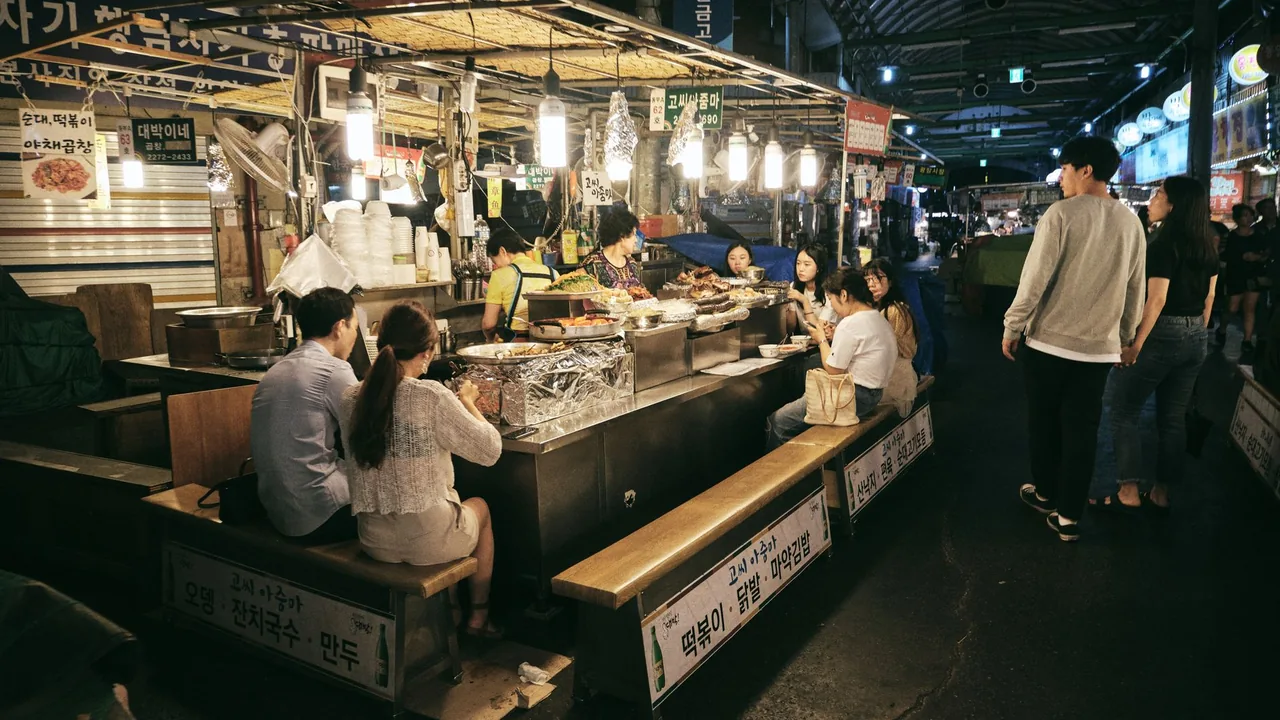
Most travelers skip Suwon entirely—they treat it as a Seoul suburb, a place to pass through on the way to the DMZ. That's your advantage. While Seoul's Myeongdong district charges KRW 18,000 for a basic kimbap, Suwon's suwon street food market serves you three dishes for that price, served by locals who've been running the same stall for 20 years. The city sits just 30km south of Seoul but operates on a completely different economic logic. You're looking at genuine cultural immersion, fortress walks that rival any Korean landmark, and meals that cost what you'd spend on a coffee in Gangnam—all while staying comfortably within a KRW 100,000 daily budget.
Where the Real Savings Are in Suwon
Your KRW 100,000 divides like this:
Food: KRW 35,000-40,000 Suwon's street food market and neighborhood pojangmacha (tent restaurants) are the backbone of your budget. A bowl of tteokbokki runs KRW 4,000-6,000. Grilled meat skewers (yakitori-style) cost KRW 1,000-2,000 each. A full meal at a local jeong-sikdang (Korean home-style restaurant) sets you back KRW 8,000-12,000. If you eat at convenience stores (CU, GS25), you're actually spending more per calorie.
Accommodation: KRW 40,000-50,000 Guesthouses in Suwon's Paldalmun area run KRW 40,000-55,000 for a private room. Dormitory beds drop to KRW 25,000-35,000. Book through Korean platforms like Naver Accommodation rather than Booking.com—you'll find local owners offering 5,000-10,000 KRW discounts for walk-ins.
Transportation: KRW 2,500-5,000 A single subway ride costs KRW 1,450. A day pass runs KRW 4,800. Buses are slightly cheaper. Getting from Seoul Station to Suwon takes 35-45 minutes by commuter train (ITX-Saemaeul) at KRW 3,400. Within Suwon, you won't need taxis if you use the subway and local buses efficiently.
Activities: KRW 5,000-15,000 Hwaseong Fortress (UNESCO) entrance: KRW 5,000. Paldalmun Night Market: free entry. Most temples and cultural sites charge KRW 3,000-8,000. Museums typically run KRW 3,000-5,000.
Buffer/Miscellaneous: KRW 5,000-10,000 Coffee, convenience store snacks, emergency cash.
5-7 Specific Neighborhoods & Spots with Real Prices
The heart of Suwon's street food economy. You'll find:
- Hotteok (sweet pancakes): KRW 3,000
- Handmade kimbap rolls: KRW 4,500-6,000
- Grilled fish cakes (odeng): KRW 1,500-3,000 per skewer
- Local seating: Free (eat standing up or claim a plastic stool)
Best time: 10 AM-2 PM for lunch crowds, 5 PM-9 PM for dinner. Avoid 12-1 PM peak if you hate lines.
Within 100m of the station:
- Suwon Backpackers House: KRW 35,000 dorm, KRW 50,000 private double
- Dongbang Guesthouse: KRW 40,000 private, includes instant noodles kit
- Station convenience stores sell meal combos: rice + side dish + drink for KRW 6,000
Walk west from Suwon Station toward Hansung University. This is where locals eat, not tourists. A full spread—grilled squid, tteokbokki, gimbap, beer—runs KRW 20,000 for two people.
Free to walk around the exterior (4 km). Entrance fee (KRW 5,000) is optional—locals often skip it. Nearby Hwaseong Haenggung Palace: KRW 3,000. Bring water (KRW 2,000 at 7-Eleven) and snacks from Paldalmun.
Southeast of central Suwon, populated by university students. Street food prices are 10-15% cheaper than downtown. Small restaurants cluster around Gwanggyo Mountain Park (free entry). A lunch set (kimchi jjigae with rice and sides): KRW 7,500.
Free wifi, clean bathrooms, and air conditioning if you need to cool off. The museum entrance is free to the lobby (actual museum: KRW 10,000, but you can bypass it). Perfect for a 1-hour rest when temperatures spike.
Gwanggyo Temple sits at the edge of Gwanggyo Mountain. Entrance: free. Temple stay (yuk-suk) starts at KRW 60,000 for meals + accommodation, which essentially replaces your daily food and lodging costs if you commit to staying one night. Minimal tourists, genuine monk interaction.
8 Practical Etiquette & Money-Saving Tips
- Bring a reusable cup to coffee chains. Starbucks and local coffee shops (Angel-in-us, Ediya) offer KRW 500-1,000 discounts. Over a week, that's KRW 3,500-7,000 saved.
- Learn "안 맵게 해 주세요" (an maep-ge hae ju-se-yo). "Not spicy, please." Food vendors respect this request and won't judge. It prevents food waste if spice levels knock you out.
- Eat where you see Korean grandmothers eating. Ignore English menus entirely. If a restaurant caters to tourists, prices have already inflated 20-30%. The best meal you'll have costs KRW 9,000.
- Pay in cash at street stalls and small restaurants. Credit card processing fees (often passed to you) inflate prices. ATMs near Suwon Station dispense KRW bills free of charge.
- Ask for "남은 반찬" (nam-eun banchan)—leftover side dishes. This isn't rude; it's standard. If a table leaves, servers often offer their untouched banchan to nearby diners. Save KRW 2,000-3,000 per meal.
- Buy tickets at convenience stores, not tourist booths. Hwaseong Fortress, museums, and temples sometimes offer KRW 500-1,000 discounts if you buy entry tickets at GS25 or CU beforehand. Tourist information centers markup prices.
- Use the Subway Card (Railplus) instead of single tickets. Each ride costs KRW 100 less with a card. Over 10 rides, you save KRW 1,000. Refundable at any station.
- Befriend guesthouse owners. They'll direct you to unmarked restaurants, give you free walking maps, and sometimes offer free snacks. Kindness is currency in Suwon's budget travel economy.
- Travel on weekday afternoons (Tue-Thu). Guesthouses offer walk-in discounts of 10-20% when occupancy is low. Saturday prices jump 30-50%.
- Carry hand sanitizer and wet wipes. Street food stalls are hygienic, but seating isn't always provided. You'll save KRW 1,000-2,000 per meal by eating standing at the market rather than paying for restaurant seating.
Frequently Asked Questions
Q: Can I actually eat for KRW 35,000/day without starving? A: Yes, but you need discipline. Breakfast: kimbap or hotteok (KRW 5,000). Lunch: jeong-sikdang meal (KRW 10,000). Dinner: street food mix at Paldalmun (KRW 15,000). Snacks: convenience store items (KRW 3,000-5,000). This assumes you're not eating imported foods or dining at "Korean fusion" spots. Local, non-touristy restaurants are abundant and cheaper.
Q: Is Suwon safe for solo budget travelers at night? A: Extremely safe. Crime rates are among Korea's lowest. The Paldalmun Night Market operates until 11 PM with consistent foot traffic. Guesthouses cluster near Suwon Station, which is well-lit and patrolled. Avoid walking alone in Yeongtong late at night simply because it's a residential area with fewer people—not because of danger.
Q: What's the best season for budget travel in Suwon? A: Autumn (Sept-Oct) and spring (April-May) offer perfect weather without inflated prices. Winter (Dec-Feb) has cheaper guesthouses but brutal cold; you'll spend more on hot meals and coffee. Summer (June-Aug) is stifling and expensive due to tourist overflow. Shoulder months (March, November) are ideal—mild weather, low crowds, stable prices.
Q: Can I day-trip from Seoul and save money compared to staying in Suwon? A: No. A commuter train round-trip to Suwon from Seoul costs KRW 6,800. You'd spend it on transit alone, plus Seoul accommodation is triple Suwon's price. If you're visiting Seoul, spend 2-3 days in Suwon first—your budget will stretch further, and you'll avoid Seoul's tourist trap pricing entirely.
Q: Are there hidden costs I'm missing? A: Tourism taxes don't exist in South Korea. Tipping is not expected (and often refused). However, guesthouses sometimes charge KRW 1,000-3,000 for linens or key deposits—clarify this when booking. Restaurant water is always free. Public restrooms are free, though some department store bathrooms require purchases. Overall, once you're on the ground, you won't encounter surprise fees.
Q: What if I want one "splurge meal" without destroying my budget? A: Suwon has excellent mid-range restaurants (KRW 15,000-25,000) that feel luxurious compared to street food but cost less than Seoul's budget options. Suwon Galbi (grilled ribs) spots near the fortress charge KRW 18,000-22,000 per portion. If you eat light for 2-3 days (KRW 25,000/day), you can afford one KRW 40,000 meal without exceeding your budget.
Your Move
Suwon isn't a compromise destination—it's a smarter choice. You'll eat better, stay longer, and experience Korea without the Seoul markup. The suwon street food market alone justifies the trip. Grab a Railplus card, book a guesthouse within walking distance of Paldalmun, and plan to spend your KRW 100,000 on experiences, not overpriced tourist meals.
Ask the KORLENS AI chat for Suwon place suggestions for a tight budget based on your interests. It is an AI assistant that replies in seconds, not a human team, and it works from Korea Tourism Organization open data. Also visiting Seoul? Seoul Local Picks covers Seoul only.
Next Step
About this guide
KORLENS is run by one person (KunStudio, a solo studio in Korea), not an editorial team. Guides are AI drafts based on public sources; some use Korea Tourism Organization TourAPI open data. KORLENS does not claim on-site visits or scheduled re-checks, so confirm hours, prices and closures with the venue before you go. Page last edited: 2026-06-16.
Plan your Korea trip with the KORLENS AI chat
Got a follow-up question after reading this? Ask the KORLENS AI chat in plain English. It is an AI assistant, not a person, and it replies in seconds with places from Korea Tourism Organization open data.
Ask the KORLENS AI chatCurious about Korean Saju? Try sajuapp.app
1,000-year-old Korean astrology, decoded by AI — available in 9 languages.
Best Neighborhoods to Stay in Suwon for Foreigners (2026 Guide)
Skip Seoul crowds. Suwon offers cheaper stays, faster bullet trains, and authentic Korean street culture. Here's where to actually book your room.
Suwon Transport Guide for Foreigners (2026): Subway, Bus, Taxi
Navigate Suwon like a local. Master the subway, bus system, and taxi culture with real prices, insider tips, and what actually works for foreign travelers.