Suwon Cultural Landmarks in Half a Day (2026 Local Guide)
Skip the generic tours. Locals hit Hwaseong Fortress and Paldalmun Gate in 4 hours, then dive into Suwon's hidden temple districts. Here's the insider playbook.
# Suwon Cultural Landmarks in Half a Day (2026 Local Guide)
Most visitors to Suwon treat it like a pit stop between Seoul and the southern provinces—a quick photo op at Hwaseong Fortress before jumping back on the KTX. Here's the local truth: if you're willing to skip the tourist lunch crowds and move deliberately, you'll uncover three centuries of Korean architectural ambition, royal strategy, and spiritual resilience in one afternoon. The real story isn't in the postcards; it's in the layering of sites that tell Suwon's transformation from a 18th-century fortress city to a modern metropolis that refuses to erase its past.
This guide shows you how to thread together the UNESCO sites, temple enclaves, and neighborhood heritage zones that locals actually visit—without the guidebook waffle.
---
Two-Stop Combos That Beat Any Single Landmark
You've heard the hype: Hwaseong Fortress is a masterpiece of Joseon-era military architecture. It is. But here's what separates locals from tour groups: instead of spending 2+ hours walking the entire 5.74 km perimeter, you enter at the south gate (Paldalmun) and walk the western arc to Dongnaemun Gate—roughly 2 km, 45 minutes at a contemplative pace. This captures the fortress's engineering logic (steep inclines, sightline placement, water-defense features) without the leg-numbing repetition.
Why the combo works: Paldalmun (the South Gate) is the original entry point King Sejong's son, Prince Sado, would have used during his exile here. Walking from it into the fortress, rather than to it, shifts your brain into historical sequence. You're not ticking a box; you're retracing a path.
Cost: ₩5,000 fortress entry + ₩2,000 Paldalmun Gate (combined ticket often ₩6,000)
Time: 1.5 hours total
---
While Hwaseong draws crowds, Yongju-sa sits quietly on the eastern edge of Suwon, a 40-minute bus ride that filters out 80% of tourists. Founded in 836 CE during the Unified Silla period, it's one of Korea's oldest active temples. The 1.5-meter-tall, 9th-century stone pagoda in the courtyard is the real artifact—not reconstructed, not polished, genuinely aged and asymmetrical in ways that modern replicas cannot replicate.
From Yongju-sa, you can reach Namsan Park (10-minute walk) in the same afternoon. The park wraps around the temple's back edge and offers forest trails, a small museum, and sweeping views toward the city. Locals come here on Sundays with coffee and books; it never feels commercial.
Cost: Temple entry free (donation ₩5,000–₩10,000 appreciated) + Park free
Time: 2–2.5 hours (including travel from central Suwon)
---
5–7 Specific Spots with Real KRW Prices
The UNESCO World Heritage centerpiece. Built 1794–1796 by King Jeongjo as a show of filial piety (honoring his exiled father), it's a 4-kilometer-radius fortress with 4 main gates, 14 bastions, and watchtowers placed with mathematical precision. The southern and western sections are best preserved and least crowded on weekday mornings (9–11 AM).
Entry: ₩5,000 adults | ₩2,500 youth | Free under 6 Hours: 9 AM–6 PM daily (reduced hours in winter) Insider note: Bring water. There's a convenience store near Paldalmun Gate but nothing mid-circuit. Wear shoes with ankle support—the stone paths are uneven.
---
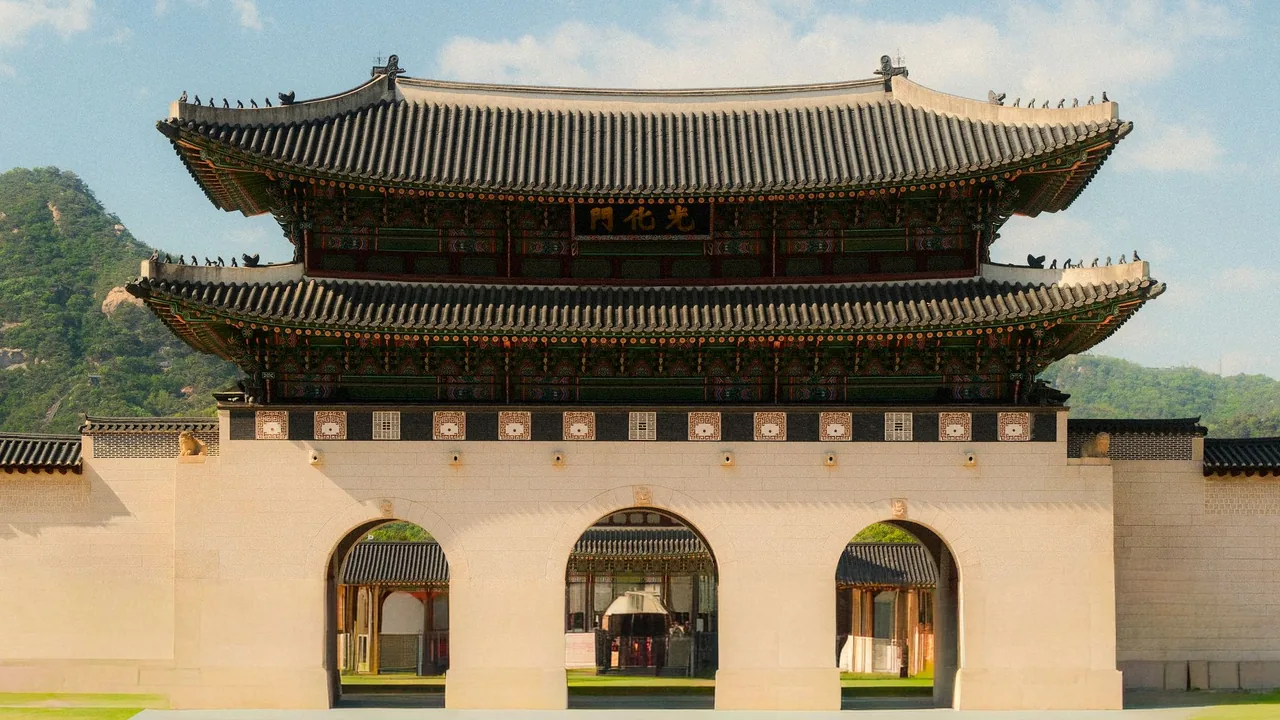
The South Gate and the fortress's original ceremonial entry. It's smaller and less mobbed than the East Gate (Dongnaemun), and it's where you'll see original stonework and latticed wooden doors that haven't been replaced. The gate sits at the lowest elevation of the fortress, so the architectural logic of defense becomes immediately visible from this vantage point.
Entry: ₩2,000 adults | ₩1,000 youth | Free under 6 (or bundled in combo ticket) Hours: 9 AM–6 PM daily Pro tip: Visit 30–45 minutes before sunset. The western stone walls turn amber, and you'll have the space almost to yourself.
---
One of Korea's oldest active temples (founded 836 CE). The 9-story stone pagoda (Silla period) and the Joseon-era wooden Buddha hall are the main draws. Unlike touristy temples closer to Seoul, it maintains a working monastic community; you might encounter monks in the courtyard or hear afternoon chanting around 4 PM.
Entry: Free (donation suggested ₩5,000–₩10,000) Address: 88 Yongju-ro, Yeongtong-gu, Suwon Hours: 8 AM–5 PM daily How to get there: From Suwon Station, take Bus 25 (₩2,450, ~40 minutes) toward Yongju-sa. Get off at the temple stop. Return bus from same location.
---
A 30-hectare forest enclave adjacent to Yongju-sa. The park has walking trails (1.5–3 km loops), a small horticultural museum (₩3,000), and a Korean traditional garden with pavilions and water features. Locals hike here on weekends; it's genuinely quiet on weekday afternoons.
Entry: Free (Museum: ₩3,000 adults | ₩1,500 youth) Hours: 9 AM–6 PM daily (trails open until dusk) Best for: Walking meditation, photos of autumn foliage (October), or a lunch break on park benches.
---
A smaller, specialized museum (not the main Municipal Museum). It focuses on King Jeongjo's intentions and the fortress's construction technology. The exhibits are Korean-heavy on signage, but the architectural models and period artifacts are self-explanatory. Most visitors skip this; locals use it to ground their fortress walk in historical context.
Entry: ₩2,000 adults | ₩1,000 youth | Free under 6 Hours: 10 AM–6 PM, closed Mondays Location: Near the North Gate (Gwangjongmun) Time needed: 40 minutes
---
A cluster of restored traditional Korean houses (hanok) turned into cafes, galleries, and restaurants in the northwest Paldal-gu district. It's newer (developed ~2010s) and feels less "authentic" than villages like Jeonju's, but it's genuinely local—families and students actually live here, and the cafes aren't price-gouged. A 20-minute walk through here, with a ₩5,000 coffee stop, fits perfectly as a break between Hwaseong and Yongju-sa.
Entry: Free (browse, pay for food/coffee as you go) Hours: Most shops 10 AM–7 PM Cost for a coffee/snack: ₩4,000–₩8,000
---
A 500-meter stretch in Paldal-gu where traditional Korean artisans (paper-makers, woodcarvers, ceramicists) have studios and small shops. This is not a tourist market; it's where Korean craftspeople sell to Korean collectors and art schools. You can watch artists work, ask questions (English limited but gesture-friendly), and buy unique pieces at genuine prices (₩15,000–₩50,000 for a handmade ceramic cup, for example).
Entry: Free (individual shop purchases vary) Hours: Most studios 11 AM–7 PM, closed Sundays/Mondays (check ahead) How to get there: Suwon Station Line 1, exit 5, then a 10-minute walk or short taxi ride (₩3,500)
---
8 Essential Etiquette & Practical Tips
- Dress modestly at temples. Shoulders covered, knees covered. Locals often wear scarves; if you don't have one, many temples loan them for free.
- Remove shoes before entering any wooden temple building. Socks are fine. Shoes stay at the entrance on cubbies or racks.
- Don't touch temple artifacts or photograph the Buddha statues directly. Photography is usually permitted in courtyards, but ask a monk or staff member if unsure. It's a courtesy, not a hard rule.
- Bring a reusable water bottle. Tap water in Suwon is safe to drink. Refill at convenience stores or temple fountains.
- Carry cash in small denominations (₩1,000–₩5,000 notes). Not all temple donation boxes or small shops accept cards. ATMs are abundant near stations.
- Visit Hwaseong Fortress on a weekday morning if possible. Weekends and afternoons (3–6 PM) get crowded with school groups. Tuesday–Thursday, 9–11 AM, is your sweet spot.
- Download Naver Map or Kakao Map before you go. Google Maps fails in rural temple areas. Both Korean apps have English options and real-time bus arrival predictions.
- Eat lunch before 12 PM or after 1:30 PM. Korean lunch culture is compressed into a noon rush. Restaurants near Hwaseong and temples are packed 12–1 PM. Local lunch sets (₩8,000–₩12,000) are tastier and cheaper if you avoid the rush.
- Respect "quiet hours" at temples. Many temples have afternoon meditation periods (roughly 2–4 PM). Avoid loud talking, phone calls, or group tours during these times.
- Bring comfortable walking shoes with good grip. Fortress stone paths are uneven and can be slippery when wet. Flat shoes are better than heels or sandals.
---
FAQ: Suwon Cultural Landmarks
A: Yes, if you're strategic. Hwaseong Fortress + Paldalmun Gate take 1.5–2 hours if you skip the full perimeter walk and focus on the west and south sections. Add 1 hour travel/buffer, and you have room for either a temple (Yongju-sa, 2–2.5 hours with travel) or a neighborhood walk (Hanok Village, 1 hour). The key is choosing one deep dive rather than surface-skimming five sites. Locals prioritize depth over breadth.
A: The entry fee (₩5,000) is genuinely worth it. The interior views—the gate mechanisms, the bastion design, the footprint of royal residence areas—are invisible from outside. Plus, the fortress is built on elevated terrain; walking the interior paths gives you vantage points that explain its military logic. Free views from the perimeter are nice for photos but miss the whole story.
A: Yongju-sa is ideal because it's less touristy than temples closer to Seoul, the grounds are spacious and meditative, and the 9th-century pagoda is genuinely impressive without feeling overcommodified. If you're short on time and already near central Suwon, Gwanggyo-sa (in the city center, 20 minutes from Suwon Station) is smaller and easier to fit in—but Yongju-sa's countryside feel is the richer experience.
A: April–May (spring) and September–October (autumn) are ideal. Spring brings blooming plum and cherry blossoms around the fortress. Autumn turns the temple grounds and Namsan Park into rust and gold. Summer is hot (30°C+) and humid, and the fortress paths get crowded with school groups on day trips. Winter is quiet but cold; wear layers.
A: The main Municipal Museum (near Gwangjong-mun) is well-curated but can be skipped if you're time-limited. The Hwaseong Fortress Museum (smaller, specialized) is better if you want context before walking the fortress. Skip overly commercialized fortress "cultural performances"—they're gimmicky and pricey (₩15,000+). Spend your money on entry fees and local food instead.
A: Yes. Official guides are available through the Suwon Tourism Bureau (around ₩100,000–₩150,000 for a half-day group tour). For solo travelers, guides add context but aren't necessary if you use this blog + a Korean map app. If you speak Korean or hire a private Korean-speaking guide, you'll get richer detail about royal family history and local community stories—but it's not essential for a first visit.
---
Your Half-Day Suwon Itinerary (Optimized)
9:00 AM–10:30 AM: Hwaseong Fortress (western arc) + Paldalmun Gate 10:30–11:00 AM: Suwon-Unseo Hanok Village (coffee break, walk through galleries) 11:00 AM–12:30 PM: Travel to Yongju-sa (Bus 25 from central Suwon) 12:30–2:00 PM: Yongju-sa Temple + Namsan Park 2:00+ PM: Return to Suwon Station or extend with dinner in a local neighborhood
Total cost: ~₩20,000–₩25,000 (entries + transport + 1 coffee)
---
Next Steps
You now have the local's playbook for Suwon's cultural landmarks. The insight here isn't just "what to see"—it's why these sites matter and how to move through them like someone who understands the city's layered identity.
Ask the KORLENS AI chat for Suwon cultural landmark suggestions based on your interests. It is an AI assistant that replies in seconds, not a human team, and it works from Korea Tourism Organization open data. Also visiting Seoul? Seoul Local Picks covers Seoul only.
The fortress won't move. But the light changes. Come soon.
Next Step
About this guide
KORLENS is run by one person (KunStudio, a solo studio in Korea), not an editorial team. Guides are AI drafts based on public sources; some use Korea Tourism Organization TourAPI open data. KORLENS does not claim on-site visits or scheduled re-checks, so confirm hours, prices and closures with the venue before you go. Page last edited: 2026-06-17.
Plan your Korea trip with the KORLENS AI chat
Got a follow-up question after reading this? Ask the KORLENS AI chat in plain English. It is an AI assistant, not a person, and it replies in seconds with places from Korea Tourism Organization open data.
Ask the KORLENS AI chatCurious about Korean Saju? Try sajuapp.app
1,000-year-old Korean astrology, decoded by AI — available in 9 languages.
12 Suwon Photography Spots for Instagram (2026 Local Picks)
Skip the tourist traps. Discover 12 authentic Suwon photography spots where locals actually shoot—from hidden alleyways to seasonal viewpoints that won't clog y
Suwon on a Budget: How to Travel for KRW 100,000/Day in 2026
Skip Seoul crowds. Suwon delivers authentic Korean culture, world-class street food, and UNESCO history for half the price. Here's your KRW 100,000/day breakdow