Suwon Night Markets and Late-Night Eats (2026 Guide)
Skip Seoul's crowded night markets. Suwon's late-night food scene is cheaper, less touristy, and packed with regional specialties. Here's where locals actually
Opening
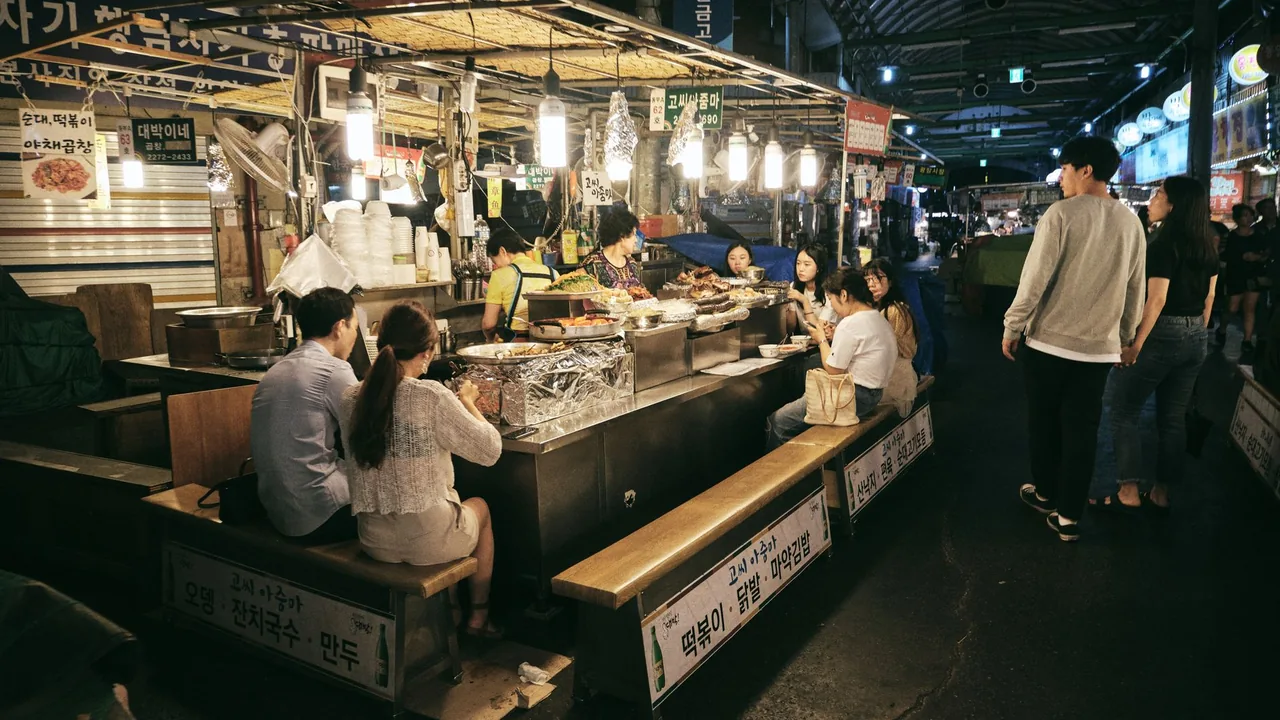
Most Korea travel guides point you toward Seoul's Myeongdong or Gangnam after sunset. That's a mistake. Suwon, just 30km south, has a night food culture that locals fiercely protect—cheaper, less English-friendly, and infinitely more authentic. You won't find Instagram influencers here at 11 p.m.; you'll find taxi drivers, construction workers, and families demolishing tteokbokki and grilled meats before heading home. If you want to eat where Suwon actually eats, you need to know where to go.
Why Suwon's Late-Night Food Scene Matters to Travelers
Suwon sits at a unique intersection: it's large enough (1.2 million people) to support serious late-night infrastructure, but small enough to avoid the tourist markup trap that strangles Seoul's night markets. The city has deep roots in certain dishes—notably Suwon galbi (short ribs marinated in pear and soy) and Suwon tteokbokki (the local red sauce is tangier, less sweet)—and the night markets are where these specialties thrive.
You'll also notice prices. A full bowl of late-night tteokbokki runs ₩4,000–6,000 here versus ₩8,000–10,000 in central Seoul. A grilled meat skewer sits at ₩3,000–4,500 instead of ₩5,000–7,000. The margins compound when you're eating multiple items, which you will.
More importantly, Suwon's night markets function as actual community hubs, not tourist theaters. The vendors know their regular customers by face. If you show up twice, you're remembered. That accessibility—and the genuine local energy—is worth the 40-minute train ride from Seoul.
5 Neighborhoods & Specific Spots
Location: Near Gwanggyo Station (Line 1), Exit 1
This is ground zero for late-night Suwon eaters. The alley officially opens at dusk and runs until 2–3 a.m. most nights. You'll find roughly 40 stalls compressed into a 200-meter stretch.
What to order:
- Tteokbokki: ₩5,000 (small), ₩8,000 (large). The signature here is sweeter than Seoul's, with a hint of fish sauce depth.
- Gyeran-mari (rolled omelet skewers): ₩2,500 per stick. Crispy outside, custard-soft inside.
- Odeng (fish cake soup): ₩3,000–4,000. Often paired with tteokbokki—buy both and dip the rice cakes in the broth.
- Grilled corn: ₩4,000. Charred at the edges, buttery in the center.
Arrive after 9 p.m. The stalls reach peak energy around 10–11 p.m.
Location: Paldal-gu, near Paldalmun Gate (Suwon's historic south gate)
Paldalmun Market is technically a daytime market, but the alleyways transform at night. Unlike Gwanggyo, this is more scattered and requires you to wander, which means you'll discover vendors that tourists completely miss.
What to order:
- Budae-jjim (army stew, Suwon style): ₩12,000–15,000 for 2 people. The Suwon version includes more vegetables and local anchovy broth.
- Jjim-galbi (steamed short ribs): ₩15,000–18,000. Order it here if you want a sit-down meal; the night stalls focus on grab-and-go.
- Kimchi-jjigae (kimchi stew) with instant noodles: ₩6,000–7,000.
- Hotteok (sweet red-bean pancake): ₩2,500.
Bring cash. Many vendors here don't take cards, and your phone's payment apps may struggle with smaller shops.
Location: Directly beneath Suwon Station (Line 1/Bundang Line)
This underground passage has 15–20 stalls operating until midnight. It's less atmospheric than street-level markets but perfect if you're catching a late train or want shelter during bad weather.
What to order:
- Kimbap: ₩4,000–5,500. Fresh rolls made in-store; better quality than you'd expect underground.
- Gimbap-jjim (steamed kimbap with vegetables): ₩5,000.
- Tteok-guk (rice cake soup): ₩5,000–6,000.
- Mandu (dumplings, fried or steamed): ₩5,000 for 8–10 pieces.
This zone closes by midnight, so don't count on it for very late eats (past 12:30 a.m.).
Location: Near Hwaseong Fortress walls, weekend nights only (Friday–Saturday)
This is newer (expanded in 2024) and more tourist-conscious than other markets, but still far less crowded than Seoul equivalents. It operates Friday and Saturday, 6 p.m.–midnight.
What to order:
- Suwon galbi (marinated short ribs): ₩18,000–22,000 for a 150g serving. This is the signature dish; don't skip it.
- Dakgangjeong (crispy fried chicken in sweet-spicy glaze): ₩9,000–11,000.
- Soondae-guk (blood sausage soup): ₩7,000–8,000.
- Injeolmi tteok (tteok coated in soybean powder): ₩4,000.
The crowd here skews younger and more mixed (locals + domestic tourists), so service staff are likelier to speak basic English.
Location: Yeongtong District, near Suin Station (Shin-Bundang Line)
This is the least-visited of Suwon's late-night zones by international travelers, which makes it perfect if you want authentic without compromise. It's narrower, noisier, and more classically Korean than Gwanggyo.
What to order:
- Sundae-bokkeum (stir-fried blood sausage with vegetables): ₩7,000–9,000.
- Nakji-bokkeum (stir-fried octopus, spicy): ₩9,000–11,000. Portions are generous.
- Beoseot-jeongol (mushroom hot pot): ₩12,000 for 2 people.
- Gyeran-bbang (egg bread): ₩2,500.
No English signage. Bring a translation app, or just point at what other people are eating.
Location: Rotates between Paldalmun, Gwanggyo, and near Suwon Station; check local announcements
These aren't permanent, but Suwon's city government has been promoting seasonal food truck nights. They're convenient if you're passing through and want variety in one spot.
Typical offerings:
- Tteokbokki variations: ₩5,000–6,000
- Hotteok: ₩2,500–3,000
- Korean fried chicken: ₩10,000–12,000
- Macaroni gratin (increasingly popular at Korean street stalls): ₩4,000–5,000
Etiquette & Practical Tips
- Bring cash. While card payment is spreading, many suwon night market food stalls operate on tight margins and prefer not to pay processing fees. ATMs are plentiful near markets, but lines at night can be long.
- Eat standing or find a nearby bench. Most night stalls don't have seating. Vendors provide small tables at some locations (like Gwanggyo), but don't expect dedicated dining areas. This is intentional—turnover is high, which keeps prices low.
- Order with confidence, even if there's a language gap. Point, use your phone's camera to translate the menu, or mime eating motions. Vendors are patient and used to non-Korean speakers, especially at markets that see some tourism.
- Don't assume spice levels. "Spicy" at Korean night stalls is legitimately hot. If you're sensitive, ask for "deul-deul-i" (mild) or "an-maep-ge** (not spicy). "Normal" (중간) is medium.
- Peak hours are 10 p.m.–midnight. Arrive before 9 p.m. if you want zero wait, or after 11:30 p.m. if you want a quieter experience. Never show up after 1 a.m. expecting full choice; vendors start cleaning up.
- Respect the local rhythm. If someone's eating next to you, don't photograph them without asking. The night markets are lived-in spaces, not Instagram sets. Vendors also appreciate if you don't film their prep process without permission.
- Combination ordering is normal. Buy tteokbokki and odeng together (vendors expect this). Grab a hotteok for dessert. Try multiple small items rather than one large dish—this is how locals eat at night.
- Bring a small towel or use napkins wisely. Suwon's night stalls provide napkins, but they're thin and you'll run through them fast, especially with oily items like gyeran-mari or grilled corn. Some vendors sell paper napkins (₩1,000 per pack).
- Use the bathroom before or after, not during. Most stalls don't have public restrooms. Nearby convenience stores (GS25, CU, Emart24) are your best bet.
- Tip is not expected, but rounding up is appreciated. If your tteokbokki is ₩5,400 and you pay with a ₩10,000 note, leaving the ₩4,600 in change is fine. Vendors won't expect you to round up, but some will appreciate it.
FAQ
A: Late May through September (warm weather, outdoor stalls fully operational). However, markets function year-round; winter (November–February) is quieter but still active, with soups and hot items taking priority. October and April are ideal for weather and crowd balance. Avoid major Korean holidays (Seollal in February, Chuseok in September) unless you enjoy massive crowds.
A: Take Seoul Metro Line 1 southbound to Suwon Station (45 minutes from Seoul Station, ₩2,850). From Suwon Station, Gwanggyo Alley is a 10-minute walk (Exit 1, follow signs). Paldalmun Market is accessible via Bus 11 or 36 (15 minutes, ₩2,450). A taxi from Suwon Station to any market costs ₩8,000–12,000. Ride-sharing apps (Kakao, Naver) work reliably here.
A: Yes. Markets are well-lit, busy, and heavily populated by locals. Standard city awareness applies (don't flash large amounts of cash, watch your belongings), but violent crime targeting tourists is extremely rare. Women traveling solo report feeling safe; markets have good police presence during peak hours.
A: Fresh seafood items beyond fish cakes—refrigeration can be inconsistent at outdoor stalls. Stick to cooked items, hot foods, and items made fresh to order (tteokbokki, grilled meat, fried items). Pre-made kimbap sitting in display cases all day is lower-risk but less fresh than stalls that roll it in-house.
A: Yes, but limited. Order vegetable tteokbokki (채소 떡볶이), hotteok, gyeran-mari, roasted corn, and injeolmi tteok. Many soups can be ordered without meat if you ask. Fish cakes (odeng) contain seafood paste, so verify ingredients if you're strict vegetarian. Suwon's night markets are meat-centric culturally, so options are fewer than in Seoul's trendier areas.
A: Increasingly yes, but assume cash-only to be safe. Larger stalls at Gwanggyo and Hwaseong Street accept cards (they'll have a Square-like reader). Smaller vendors at Yeongtong-gu and Paldalmun are often cash-only. Convenience stores nearby have ATMs; withdrawal fee is typically ₩1,000–2,500 if your card is foreign-issued.
Closing CTA
Suwon's night markets are proof that the best food experiences in Korea aren't always in Seoul. You'll eat better, spend less, and remember the encounter far longer than any tourist-optimized alley.
Ask the KORLENS AI chat for Suwon night market and late-night food suggestions based on your interests. It is an AI assistant that replies in seconds, not a human team, and it works from Korea Tourism Organization open data. Also visiting Seoul? Seoul Local Picks covers Seoul only.
The night markets are waiting. Get there hungry.
Next Step
About this guide
KORLENS is run by one person (KunStudio, a solo studio in Korea), not an editorial team. Guides are AI drafts based on public sources; some use Korea Tourism Organization TourAPI open data. KORLENS does not claim on-site visits or scheduled re-checks, so confirm hours, prices and closures with the venue before you go. Page last edited: 2026-06-19.
Plan your Korea trip with the KORLENS AI chat
Got a follow-up question after reading this? Ask the KORLENS AI chat in plain English. It is an AI assistant, not a person, and it replies in seconds with places from Korea Tourism Organization open data.
Ask the KORLENS AI chatCurious about Korean Saju? Try sajuapp.app
1,000-year-old Korean astrology, decoded by AI — available in 9 languages.
Suwon Luxury Guide 2026: Where the Wealthy Shop and Eat
Suwon isn't Seoul. The luxury district here is quieter, more refined, and frankly more accessible. Here's where high-net-worth locals actually spend their money
Suwon for Young Travelers 2026: Music, Cafes, Street Culture
Skip Seoul's tourist traps. Suwon's youth street culture—live music venues, underground cafes, and night markets—stays raw and affordable. Your insider's guide.