Suwon for Young Travelers 2026: Music, Cafes, Street Culture
Skip Seoul's tourist traps. Suwon's youth street culture—live music venues, underground cafes, and night markets—stays raw and affordable. Your insider's guide.
# Suwon for Young Travelers 2026: Music, Cafes, Street Culture
Suwon isn't trying to be Seoul, and that's exactly why you should go. While every Instagram account floods with Gangnam shots and Hongdae clichés, Suwon's youth street culture remains untouched—affordable, genuine, and evolving in real-time. You'll find live indie bands in converted warehouses, third-wave coffee shops run by actual enthusiasts (not franchises), and night markets where locals actually hang, not tourists performing leisure. This is where young Koreans go when they want authenticity without the Seoul markup.
Suwon After the Influencer Crowd: What Stayed Real
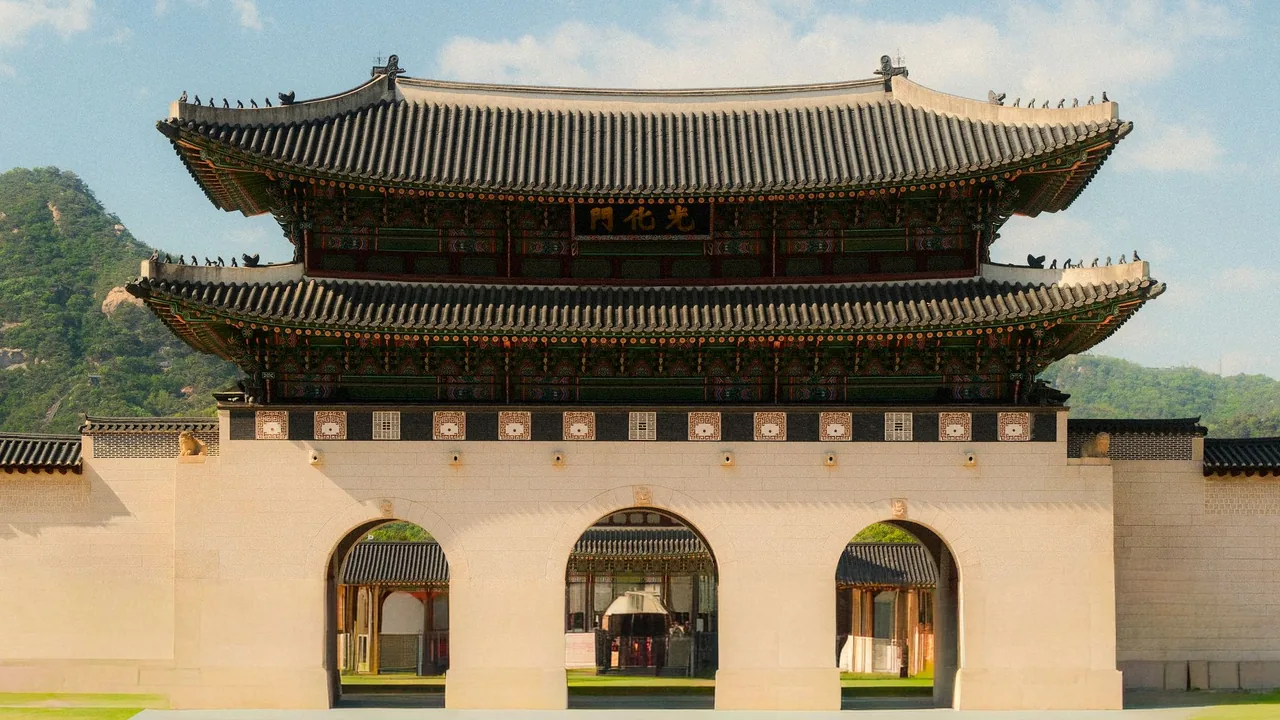
Influencers discovered Suwon's Hwaseong Fortress around 2023–2024. The expected happened: tour buses, filtered photos, generic ramen shops. But here's what matters: the neighborhoods beyond the fortress walls kept their pulse. Paldal-gu's creative district expanded without becoming precious. The underground music venues in Yeongtong-gu refused franchising deals. Coffee culture evolved organically—roasters competing on actual bean quality, not aesthetic.
You'll notice this immediately when you arrive. Street culture in Suwon moves at a different pace than Seoul. Young locals still gather at the same pojangmacha (street tent bars) their older siblings did. Indie record shops don't curate for tourists; they stock what local musicians actually buy. Live music venues book based on community reputation, not TikTok reach. The cafe scene is hyperlocal—owners know regulars by name and drink preference.
What's real here: affordability without compromise, community without performativity, and a creative scene still defining itself rather than following trends. This window won't stay open forever. 2026 is still early enough to experience Suwon before it becomes another Hongdae.
5 Essential Neighborhoods for Suwon Youth Street Culture
Best for: indie galleries, artist cafes, late-night culture
This is Suwon's creative heart. Narrow alleys lined with converted hanok buildings house artist studios, independent bookstores, and cafes run by photographers and designers. You'll find live jazz performances in basement clubs (cover charge: 10,000–20,000 KRW / ~USD 7.50–15) and experimental theater in repurposed warehouses.
Budget breakdown:
- Coffee at artist cafes: 5,000–8,000 KRW
- Meal at local pojangmacha: 6,000–10,000 KRW
- Live music venue cover: 15,000–25,000 KRW
The vibe here feels like Seoul's Hongdae 15 years ago—before it became Instagram's playground. Go on weekday evenings (6–10 PM) to catch the actual community.
Best for: indie rock, hip-hop, DIY venues
Younger travelers skip this entirely, which is why it matters. Yeongtong hosts Seoul-quality live music at Daegu prices. Venues like Neon Bar and smaller clubs pack 100–150 people for band performances Thursday through Saturday. You'll hear everything from Korean indie rock to underground hip-hop from artists who'll never tour Seoul.
Real costs:
- Beer (Cass/Hite): 4,000–5,000 KRW
- Cover charge (with drink): 15,000–20,000 KRW
- Galbi-jjim dinner before: 8,000–12,000 KRW
Talk to bartenders here. They know the scene intimately and can direct you to smaller shows not listed anywhere online.
Best for: third-wave coffee, roastery tours, cafe-hopping
This neighborhood has become Suwon's coffee destination for serious drinkers. Multiple specialty roasters operate within walking distance—Bloom & Roast, Slow Philosophy—where owners actually trained in Ethiopia or Colombia. You can watch beans being roasted and participate in cupping sessions.
Prices here are 20–30% cheaper than Seoul specialty cafes:
- Single-origin pour-over: 7,000–9,000 KRW
- Roastery bag (250g): 12,000–16,000 KRW
- Espresso-based drinks: 6,000–8,000 KRW
Ask owners about sourcing stories. These aren't corporate setups—they're genuinely passionate about coffee education.
Best for: street food, local gathering, authentic nightlife
Suwon's night markets are where youth culture actually congregates. Yeongtong Night Market operates Thursday–Sunday (6 PM–11 PM) with tteokbokki, hotteok, and street-grilled meats. You'll see teenagers, college students, and families mixing naturally—not performing for cameras.
Street food prices:
- Tteokbokki (portion): 5,000 KRW
- Hotteok (per piece): 3,000–4,000 KRW
- Grilled corn/sausage skewers: 3,000–5,000 KRW
- Soju bottle (shared): 4,000–6,000 KRW
Go hungry and plan to stay 2–3 hours. The real culture isn't the food—it's watching how young locals actually socialize.
Best for: street art, vinyl records, vintage shops
The blocks immediately surrounding Paldal Station (Lines 1 and Shinbundang) have exploded with independent storefronts. Vinyl record shops, vintage clothing stores run by college students, and street artists claiming entire walls legally. This is where Seoul's graffiti culture migrated when they tightened regulations.
Costs:
- Vintage clothing item: 15,000–40,000 KRW
- Vinyl record: 18,000–35,000 KRW
- Street art photography: free
- Beer at street-level bar: 4,000–5,000 KRW
Saturday afternoons bring DIY markets where local designers sell directly. No middlemen, no markups.
Best for: affordable eats, student bars (hofs), late-night karaoke
This isn't fancy, but it's essential for understanding how young Koreans actually live. Singil-dong clusters with cheap restaurants, convenience store drinking culture, and noraebang (karaoke booths) packed until 2 AM. The street energy here is unfiltered—no tourist presentation.
Realistic budget:
- Kimbap/gimbap: 4,000–5,000 KRW
- Student-friendly restaurant meals: 6,000–9,000 KRW
- Hof (beer hall) beer: 4,000–5,000 KRW
- Noraebang: 15,000–25,000 KRW per room/hour
You'll understand Suwon better spending one evening here than in tourist-focused areas.
8 Essential Etiquette & Practical Tips for Suwon Street Culture
- Cash over card in small venues. Many underground bars, smaller cafes, and pojangmacha still operate cash-only or have card minimums (10,000+ KRW). ATMs are everywhere, but carry 50,000–100,000 KRW for the evening.
- Respect the artists—no recording without permission. Live music venues are artist-focused, not content-creation spaces. Ask performers if photos are okay before shooting. Recording video without consent is considered disrespectful and can get you asked to leave.
- Quiet conversation after 10 PM in residential cafes. Many afternoon cafes become study/work spaces by evening. Keep your voice low if you're in a quieter spot. Loud groups are redirected to bars and pojangmacha.
- Learn the pojangmacha etiquette. These street tents have unwritten rules: ordering food is expected (even if it's just one banchan side dish), don't move chairs between tents, and tipping isn't expected but leaving the area tidy is mandatory.
- Check venue operating hours online via Naver or Kakao Map. Seoul's venues maintain consistent hours; Suwon's underground spots sometimes close early or add pop-up events. Call ahead (most have business phone numbers listed) if you're traveling specifically for a show.
- Dress code matters less here, but observe the room. Suwon's scene is casual, but don't wear resort wear to a serious music venue. Jeans, plain T-shirt, casual sneakers work everywhere. Loud tourist fashion will mark you immediately.
- Alcohol is social glue—participate or decline clearly. Refusing a drink in group settings can seem rude. Either drink (even if just one beer) or decline upfront with "감주합니다" (I don't drink alcohol). This is respected; half-measures aren't.
- Learn these Korean phrases for street culture.
- "여기 자리 있어요?" (Is this seat available?)
- "뭐 추천해요?" (What do you recommend?)
- "계산해 주세요" (Check, please)
- "좋은 공연이었어요" (That was a great show)
- Public bathrooms: expect squat toilets in older venues. Modern cafes have Western-style toilets, but some pojangmacha and older bars use traditional squat toilets. Bathroom tissue is often provided, but carry small packets as backup.
- Don't ask for English menus unless desperate. Suwon's local spots don't cater to tourists. Use Papago translation app, point at menu items, or ask for 추천 (recommendation). This effort is appreciated and often gets you better treatment.
FAQ: Suwon Youth Street Culture
A: Instagram local hashtags (#수원라이브뮤직, #수원인디밴드) show smaller venues, but the most authentic way is talking to bartenders and cafe owners. They know the underground circuit. Shows often get announced only week-of via Naver community boards or band Instagram accounts. Download Naver and Kakao apps—Korean venues rarely use international platforms. Most venues operate Thursday–Saturday; Sunday–Wednesday shows are rarer but often more intimate.
A: Yes, significantly safer than Seoul in many ways. Police presence is strong in entertainment districts. Stick to neighborhoods mentioned here and main streets. Pojangmacha areas are well-lit and crowded. Avoid deserted alleys after midnight, but this applies to any Korean city. Women solo travelers report feeling safer in Suwon than Hongdae. Just maintain normal city awareness—don't flash expensive items, don't accept drinks from strangers, and share your location with someone.
A: April–May and September–October are peak season—weather's good, and venues book ambitious lineups. Summer gets humid but has more frequent shows. Winter is quieter, but venues get cozier (lower cover charges, more relaxed vibes). Avoid early January and late August when many venues close for renovation. Check Kakao Map event calendars for venue-specific schedules.
A: Significantly less performative. Seoul's scene (Hongdae, Gangnam) caters to influencer culture; Suwon's is community-driven. Prices are 25–40% lower. Less English-speaking staff, but more genuine interaction. Seoul moves faster; Suwon has slower, deeper conversations. Musicians in Suwon often release music independently rather than chasing major labels. If you want Seoul's aesthetic, skip Suwon. If you want to understand how young Koreans actually live, Suwon is essential.
A: Basic survival Korean is helpful but not essential. "감사합니다" (thank you), "얼마예요?" (how much?), and ability to read Hangul get you far. Translation apps work well for menus. In cafes and music venues, owners often speak some English or German. Pojangmacha owners rarely speak English, but communication through pointing and smiling works perfectly. The effort to speak Korean—even badly—is always appreciated and often improves service.
A: Buy a Naver Card (rechargeable transit card: 2,500 KRW) at any convenience store. Single ride: 1,250–2,500 KRW depending on distance. Line 1 and Shinbundang Line cover all neighborhoods mentioned here. Taxis are cheap (initial: 3,500 KRW) but get them through Kakao Taxi app, not hailing. Bike rental (공유자전거) costs 1,000–2,000 KRW per 30 minutes for Suwon-specific bikes. For street culture, transit + walking is best—you notice details slower travelers miss.
The Real Move: Stay Longer, Go Deeper
Suwon in 2026 still rewards patience over speed. Spend at least three full days here—not to hit checkboxes, but to let neighborhoods reveal themselves. Sit in the same coffee shop twice. Return to the same pojangmacha. Chat with artists in Paldal-gu. Understand the musician who played Thursday night might have a Saturday set somewhere you'll find only by asking around.
The youth street culture here exists because locals sustain it, not because they're performing it for visitors. Your job is to respect that dynamic and participate genuinely. Buy the coffee. Tip the bartender. Show up to support the band.
Suwon's window of authenticity—where it's still affordable, still community-driven, still defining itself—is open now. In five years, this guide might become obsolete because the places here got discovered. Move fast on this one.
---
Ask the KORLENS AI chat for Suwon music and cafe suggestions based on your interests. It is an AI assistant that replies in seconds, not a human team, and it works from Korea Tourism Organization open data. Also visiting Seoul? Seoul Local Picks covers Seoul only.
Next Step
About this guide
KORLENS is run by one person (KunStudio, a solo studio in Korea), not an editorial team. Guides are AI drafts based on public sources; some use Korea Tourism Organization TourAPI open data. KORLENS does not claim on-site visits or scheduled re-checks, so confirm hours, prices and closures with the venue before you go. Page last edited: 2026-06-19.
Plan your Korea trip with the KORLENS AI chat
Got a follow-up question after reading this? Ask the KORLENS AI chat in plain English. It is an AI assistant, not a person, and it replies in seconds with places from Korea Tourism Organization open data.
Ask the KORLENS AI chatCurious about Korean Saju? Try sajuapp.app
1,000-year-old Korean astrology, decoded by AI — available in 9 languages.
Suwon for Foreigners 2026: Where to Eat, Drink, Stay
Skip Seoul crowds. Suwon's reinvented itself as Korea's most accessible tier-2 city. Real neighborhoods, affordable eats, and zero tourist traps—here's where to
Suwon Walking and Outdoor Courses Worth Doing (2026)
Skip the Seoul crowds. Suwon's walking trails offer fortress views, riverside paths, and local markets without the tourist markup. Here's your insider guide.