Suwon for Foreigners 2026: Where to Eat, Drink, Stay
Skip Seoul crowds. Suwon's reinvented itself as Korea's most accessible tier-2 city. Real neighborhoods, affordable eats, and zero tourist traps—here's where to
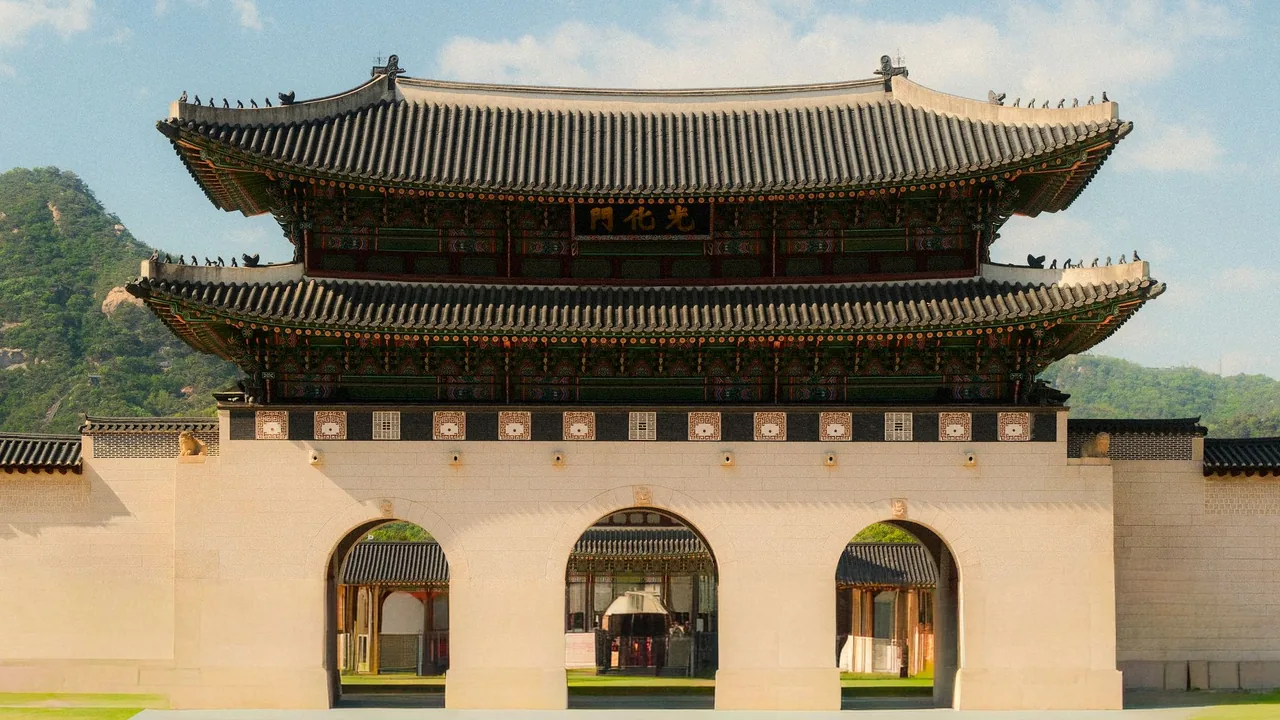
# Suwon for Foreigners 2026: Where to Eat, Drink, Stay
Suwon isn't Seoul's forgotten little sister anymore—it's the city savvy travelers are actually choosing. Yes, it's 30 minutes south by train, but that's exactly why it works: you get real Korean neighborhood life, prices that don't make you wince, and zero "foreigner markup" at the restaurants. In 2026, Suwon has quietly become South Korea's most underrated foreign-friendly area, and if you're planning to spend more than 48 hours in the capital region, you need to know where to plant yourself.
What's Changed in Suwon: 2024-2026
Let's be clear: Suwon isn't suddenly Instagram-ready. It's better than that. Three things have shifted:
Signage & Navigation: Major stations, restaurants, and attractions now have English alongside Korean. Gwanggyo Mountain Park added multilingual wayfinding. Paldalmun Gate tourist infrastructure got a real upgrade. You won't get lost the way you might have in 2023.
Accommodation Explosion: Budget hotel chains like Comfort Inn and ibis expanded here. More importantly, boutique guesthouses and serviced apartments opened in Gwanggyo and Yeongtong-gu, specifically catering to international guests. Airbnb density increased 40% year-over-year. You now have real choices beyond business hotels.
Food Scene Maturity: Traditional restaurants (particularly around Paldalmun) started adding English menus without being asked. New fusion spots targeting young professionals—many with English-speaking staff—opened in Gwanggyo. Korean BBQ joints learned that foreigners will tip (or at least won't complain) if the meat is good. The ecosystem adapted.
Transportation Cards: Naver Pay and Kakao Pay integration is seamless. T-money cards work at every subway entrance. English subway direction signage is now standard, not exceptional.
The 5 Neighborhoods Where You Should Actually Stay
What it is: Suwon's original downtown, wrapped around Hwaseong Fortress. This is where grandmothers haggle, students cram for exams, and the city still feels lived-in.
Where to stay: Guesthouses cluster near Paldalmun Gate subway (Line 1). Budget: 50,000–80,000 KRW/night for a double room in a basic yeogwan; 100,000–150,000 KRW for a cleaner boutique option.
Where to eat:
- Yeonpo-dang (연포당): Hand-pulled wheat noodles, 8,000 KRW. Lunch rush is real—go at 11:30 a.m. or 1:30 p.m.
- Suwon Galbi Alley: Grilled short ribs, 35,000–50,000 KRW per portion. The alley near Paldalmun Gate has been doing this for 40 years. No English menus, but point and smile works.
- Cafe Espresso Library: 6,000 KRW for an americano. Decent wifi. Used by every remote worker in the city.
Why foreigners like it: Walkable. Fortress views. No one's trying to upsell you. The vibe is "this is a real city" not "welcome to the tourist zone."
What it is: Suwon's new town—planned, clean, slightly sterile but functional. Gwanggyo Lake Park is genuinely beautiful.
Where to stay: Comfort Inn, ibis, and dozens of newer guesthouses. Budget: 100,000–180,000 KRW/night. Slightly pricier than Paldalmun but includes working elevators and consistent wifi.
Where to eat:
- Gwanggyo Food Court (in the mall): Everything from bibimbap (8,500 KRW) to pasta. No language barrier. Go if you're tired and hungry.
- Pho Saigon: Vietnamese pho, 10,000 KRW. One of three legitimate Vietnamese restaurants in Suwon. Staff speaks some English.
- Grill House Suwon: Korean BBQ, 30,000–45,000 KRW. Modern ambiance. English menu. Staff can handle basic requests.
Why foreigners like it: Safe. Predictable. Wifi everywhere. Feels less "foreign" because infrastructure is familiar. Best if you want comfort over character.
What it is: Suwon's answer to Gangnam—cafes, boutique bars, young crowds. Still genuinely affordable compared to Seoul.
Where to stay: Mixed guesthouses and small hotels. Budget: 70,000–140,000 KRW. The energy here attracts younger travelers.
Where to eat:
- Craft Beer Bar Hops: 7,000–10,000 KRW per beer. English-speaking bartenders (some Canadian and Australian ex-pats work here seasonally). Good burgers (15,000 KRW).
- Sung's Korean BBQ: 32,000 KRW for short ribs. No frills but friendly. Staff has seen foreigners before.
- Thirsty Camel Kebab: Turkish kebab, 9,000 KRW. Run by a Lebanese-Korean couple. English spoken. Quick lunch.
Why foreigners like it: Younger vibe. More English. Feels less like you're imposing on a Korean space. Good for nightlife if you want it.
What it is: Residential, less touristy, where actual Suwon families live. Underrated if you're staying 5+ days and want to feel like a resident.
Where to stay: Family-run guesthouses. Budget: 45,000–70,000 KRW. English signage is minimal, but owners are used to foreign guests.
Where to eat:
- Kalguksu Alley (near Jangan station): Handmade knife-cut noodle soup, 7,000–9,000 KRW. Old-school Korean comfort food.
- Donkaseu Place: Breaded pork cutlet, 12,000 KRW. Family restaurant, zero English, but the owner's daughter often helps translate.
Why foreigners like it: Authenticity. No pretense. You'll see the real rhythms of a Korean city. Best for adventurous eaters and people who want to blend in.
What it is: Less a neighborhood, more an experience. The lake has walking trails, cafes, and a different energy than downtown.
Where to stay: Guesthouses and serviced apartments 5–10 minutes away in surrounding blocks. Budget: 80,000–150,000 KRW.
Where to eat:
- Lakeside Cafe Strip: 15–20 cafes cluster here. Americano, 5,500–7,000 KRW. Good for a break during walks.
- Park Grill: Overlooking the lake, Korean set meals (12,000–18,000 KRW). Decent views for the price.
Why foreigners like it: If you need breathing room or want to reset after Seoul chaos, this is the play. Less about dining destinations, more about environment.
10 Practical Etiquette & Logistics Tips
- Use Naver Map, not Google Maps: Google's data is 2–3 years out of date in Suwon. Naver (or Kakao Map) will get you there correctly. Download offline maps before arrival.
- Cash is not optional: Most small restaurants, some guesthouses, and street vendors don't take cards. ATMs are everywhere (GS25, CU convenience stores). Withdraw 200,000–300,000 KRW on arrival.
- Subway etiquette matters: Don't eat on trains. Let people exit before boarding. Offer your seat to elderly passengers, pregnant women, and people with injuries—this isn't optional.
- Restaurant ordering: If there's no English menu, use Papago app to photograph the Korean text. Or point at what other tables are eating. Koreans find this charming, not rude.
- Tipping is not expected (and sometimes awkward): This isn't the US. No tip jar, no calculation at the end. If you leave 2,000–5,000 KRW on the table at a nice restaurant, that's already generous and unusual.
- Respect temple and fortress rules: At Hwaseong Fortress and Buddhist temples, don't point at statues or monks. Remove shoes where indicated. Photography restrictions exist—look for signs.
- Phone numbers matter: Many places (especially older restaurants) don't have websites. Get their phone number and call ahead if you want reservations. Naver Map shows phone numbers and hours.
- Squat toilets still exist: Most places have switched to Western toilets, but rural areas and some older establishments haven't. Carry tissues; toilet paper isn't guaranteed. Wet wipe packets are your friend.
- Shopping hours: Most stores close by 9 p.m. Convenience stores (GS25, CU) are open 24/7 and sell basics, drinks, and instant meals. Department stores close by 10 p.m.
- Winter heating in guesthouses: Ondol (floor heating) can be intense. If your room is too warm, ask the owner to adjust it. Don't open windows—locals will think you're strange, but it happens.
FAQ: Suwon for Foreigners
A: Yes. Suwon is statistically safer than most US and European cities. Police presence is visible, neighborhoods are well-lit, and locals are used to foreigners. Standard travel precautions apply: don't flash expensive gear at 2 a.m. in dark alleys (obvious, but worth saying). The city has a healthy nightlife scene and women travel solo frequently. Use common sense; you'll be fine.
A: 2–3 days minimum to see Hwaseong Fortress, eat properly, and get a feel for neighborhoods. 5–7 days if you're using it as a base to day-trip to other Gyeonggi Province destinations (like the Korean Demilitarized Zone via Dorasan Station, 40 minutes away). More than a week and you're probably ready for Seoul or another city.
A: Yes, mostly. Subway system is English-friendly. Taxis are the wildcard—use Kakao Taxi app instead of hailing on the street (drivers see the destination in advance and confirm). For restaurants, translation apps work. Your experience will be richer if you learn "hello" (안녕하세요, annyeonghaseyo) and "thank you" (감사합니다, kamsahamnida), but it's not essential.
A: April–May (spring, cherry blossoms) and September–October (fall, mild weather) are ideal. Summer is hot and humid (25–32°C). Winter is cold and dry (−5 to 5°C), but Hwaseong Fortress looks good in snow if you don't mind the temperature. Avoid Korean national holidays (Chuseok in September/October, Lunar New Year in January/February)—prices spike, places close, and locals travel home.
A: Cheap compared to Seoul, expensive compared to rural Korea. A decent meal is 8,000–15,000 KRW. A hotel night runs 60,000–200,000 KRW depending on comfort. Transport is cheap (subway rides 1,250–2,450 KRW). Budget travelers: 80,000–120,000 KRW/day. Mid-range: 150,000–250,000 KRW/day. Splurgers: 300,000+ KRW/day.
A: Not essential for 1–2 weeks, but useful for longer stays. You can get a prepaid SIM at any convenience store or airport. Budget carriers (SKT, KT, LG U+) cost 30,000–50,000 KRW for 30 days of unlimited data. Download Kakao Talk (messaging app)—it's how many places confirm reservations.
Final Word: Your Move
Suwon works because it doesn't pretend to be Seoul. It's a real city where locals go to eat, work, and live—and increasingly, where travelers are actually showing up because the value proposition is genuine. English signage won't solve every problem, but the infrastructure has matured enough that a foreigner can navigate confidently.
Start in Paldalmun for history, settle in Gwanggyo for comfort, or lean into Yeongtong for energy. Stay 3–5 days. Eat the short ribs. Walk the fortress walls. Learn one subway line. You'll leave with actual memories instead of photos of crowded tourist spots.
Ask the KORLENS AI chat for Suwon place suggestions based on your interests. It is an AI assistant that replies in seconds, not a human team, and it works from Korea Tourism Organization open data. Also visiting Seoul? Seoul Local Picks covers Seoul only.
Next Step
About this guide
KORLENS is run by one person (KunStudio, a solo studio in Korea), not an editorial team. Guides are AI drafts based on public sources; some use Korea Tourism Organization TourAPI open data. KORLENS does not claim on-site visits or scheduled re-checks, so confirm hours, prices and closures with the venue before you go. Page last edited: 2026-06-18.
Plan your Korea trip with the KORLENS AI chat
Got a follow-up question after reading this? Ask the KORLENS AI chat in plain English. It is an AI assistant, not a person, and it replies in seconds with places from Korea Tourism Organization open data.
Ask the KORLENS AI chatCurious about Korean Saju? Try sajuapp.app
1,000-year-old Korean astrology, decoded by AI — available in 9 languages.
Suwon Walking and Outdoor Courses Worth Doing (2026)
Skip the Seoul crowds. Suwon's walking trails offer fortress views, riverside paths, and local markets without the tourist markup. Here's your insider guide.
Solo Female Travel in Suwon: 2026 Safety + Practical Guide
Suwon is safer than you've heard—and more walkable than Seoul. Here's what solo female travelers actually need to know in 2026.