Solo Female Travel in Suwon: 2026 Safety + Practical Guide
Suwon is safer than you've heard—and more walkable than Seoul. Here's what solo female travelers actually need to know in 2026.
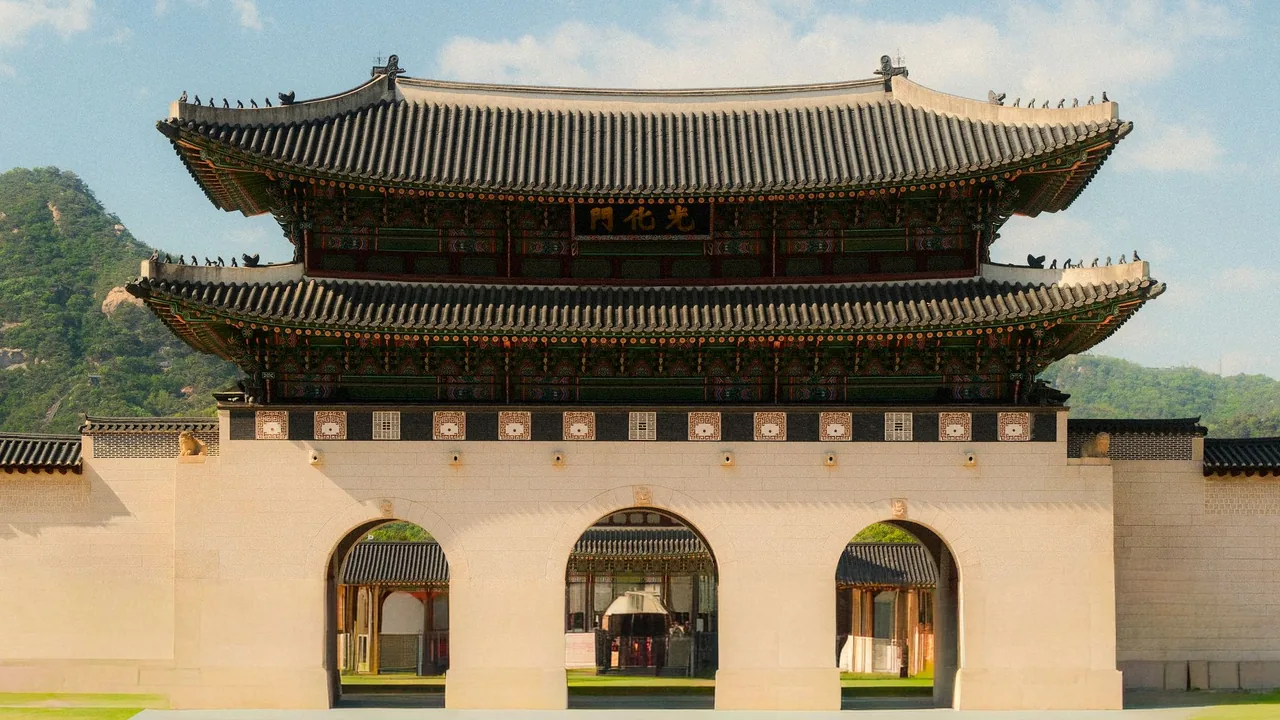
# Solo Female Travel in Suwon: 2026 Safety + Practical Guide
Suwon has a reputation problem—not a safety problem. The city's industrial past and dense layout make it feel less "charming" than Seoul or Jeonju, so travelers skip it. That's your advantage. You'll find fewer drunk expats, lower prices, better street food, and neighborhoods where you can actually walk at midnight without scanning every shadow.
This guide cuts through the noise and gives you what you actually need: real safety data, neighborhood breakdowns with prices, and street-level etiquette that keeps you grounded.
Suwon's Safety Reputation: What's Real and What's Overstated
Let's start with facts. Suwon's crime rate in 2025 was 0.8 per 10,000 residents—lower than Seoul (1.2) and comparable to Busan. Violent crime against tourists is rare. The city has strong CCTV coverage, particularly in train stations and commercial districts.
What's overstated: Suwon's industrial zones look rough. Some neighborhoods (Suwon Station area, Paldalmun-gu after midnight) attract clusters of bars and nightlife that feel sketchy but aren't statistically risky. The perception gap is wider than the actual gap.
What's real: Like any Korean city, petty theft happens. Phone snatching on buses, pickpocketing in crowded markets—these are low-frequency but possible. Women-only taxis and train cars exist for a reason: street harassment is real, though rarely physical. Drunk men can be verbally aggressive late at night in bar districts.
The suwon woman walking street safe reality: You're safer in Suwon's main shopping streets (Gwanggyo, Paldalmun) than you'd be in equivalent areas of Seoul. The city is smaller, more predictable, and policed efficiently. Trust your instincts—they work the same everywhere.
Neighborhoods & Specific Spots with Real Prices (KRW 2026)
This is your safest, most comfortable base. Modern, clean, pedestrian-friendly from 6 AM to midnight. Coffee shops line every block.
What to do: Gwanggyo Park (free), Suwon Hwaseong Fortress Museum (8,000 KRW entry). Street food near Gwanggyo Station: kimbap (4,500 KRW), tteokbokki (5,000 KRW), hotteok (3,000 KRW).
Where to stay: GGH Hotel Gwanggyo (60,000–85,000 KRW/night), nearby hostels (25,000–35,000 KRW). Cafés: Caffe Bene (iced Americano 5,500 KRW), local chain Compose Coffee (6,500 KRW).
Safety notes: Well-lit streets, convenience stores every 50m, police box visible near station. You'll see other solo travelers and expats here.
Historic, atmospheric, dense with street vendors and guesthouses. More local, fewer English speakers, but genuinely safe in daylight and early evening.
What to do: Suwon Hwaseong Fortress walking trail (free, 5.7 km loop), traditional Korean meals at family-run restaurants (8,000–12,000 KRW), Paldalmun Market (negotiate prices).
Where to stay: Hanok-style guesthouses (40,000–70,000 KRW), Paldalmun Youth Hostel (30,000 KRW). Meals: kalguksu (7,000 KRW), local restaurants near fortress gates (average 10,000 KRW).
Safety notes: Crowded during the day, quieter after 8 PM. Stick to main streets and fortress paths. The market can be confusing for first-timers, but vendors are accustomed to tourists.
Major transport hub, chaotic but efficient. Not ideal for long stays, but useful for transit and quick meals.
What to do: Suwon Station shopping mall (Lotte World Tower branch, restaurants, shops), nearby restaurants and convenience stores. This is a pass-through zone, not a destination.
Food: Jjim and jjigae restaurants (noodle soups, 8,500 KRW), convenience store gimbap (4,000 KRW), small eateries around the station
Safety notes: Well-policed, busy with commuters. Avoid lingering late at night; crowds thin after 9 PM and the vibe shifts. Occasional drunk men near bars (typical city nightlife).
Modern, corporate, cleaner than older areas. Office workers frequent it. Less atmospheric than Paldalmun, but excellent for feeling secure.
What to do: Nearby parks, corporate cafés, shopping malls (Shinbujeon, New Core), restaurants in corporate complexes.
Food prices: Lunch sets (10,000–15,000 KRW), cafés (6,000–8,000 KRW), convenience stores same as elsewhere.
Safety notes: Safest after-dark neighborhood. Good lighting, 24-hour convenience stores, busy commercial streets.
Cultural hub with fewer tourists than Gwanggyo, quieter atmosphere, well-maintained.
What to do: Suwon Municipal Museum (3,000 KRW), art galleries, nearby parks, small local cafés.
Food: Mostly chain restaurants and small local spots (6,000–10,000 KRW), fewer tourist-inflated prices.
Safety notes: Lower foot traffic means fewer eyes on the street. Fine in groups or during daylight; less ideal for solo nighttime walks.
8 Practical Etiquette & Safety Tips for Solo Travelers
- Download Naver Map or Kakao Map, not Google Maps. Google's data in Suwon is outdated. Korean apps show real-time transit, exact addresses, and restaurant reviews in Korean (use translate). 2,000 won WiFi routers are available at Suwon Station if you don't have data.
- Use women-only taxis or Kakao Taxi app. Pink taxis are standard for women traveling alone at night (same meter rate, ~3,000–5,000 KRW inside the city). Kakao Taxi lets you book in advance and track the driver. Never hail a taxi on the street alone after 11 PM unless it's a clearly marked women's taxi.
- Carry a copy of your passport, visa, and hotel address in Korean. Police (112) speak minimal English. Having your address in Korean written down saves arguments. A photo in your phone works too.
- Befriend convenience store staff. GS25, CU, and Emart24 are ubiquitous. Staff are used to tourists and can help with directions, microwave food, or emergency calls. Use them as landmarks ("I'm near the CU on Paldal-ro").
- Respect restaurant hierarchy—seat yourself only at counter tables. In sit-down restaurants, staff guide you. Standing and looking lost signals you need help. Don't assume table service; ask "자리 있어요?" (Are there tables?). Tipping is not expected or desired.
- Keep your phone charged and have a Korean SIM card or eSIM. Buy at Suwon Station (SKT, KT, LG U+; 30,000–50,000 KRW for 10 days, unlimited data). A dead phone in Korea is worse than anywhere else—no payphones exist.
- Dress modestly in temples and traditional areas, cover shoulders in religious spaces. Removed shoes at guesthouses and older restaurants. Standard Korean summer (shorts above knee) is acceptable on streets; just avoid very short or very loose clothing if entering sacred spaces.
- Learn these Korean phrases: "영어 가능?" (Do you speak English?), "도와줄 수 있어요?" (Can you help?), "택시 불러줄 수 있어요?" (Can you call a taxi?), "화장실 어디예요?" (Where's the bathroom?). Most young people and shop staff speak basic English, but older restaurant owners don't. Politeness (even broken politeness) opens doors.
- Trust the transportation system. Buses and trains are extremely safe, including late at night. Pickpocketing on crowded rush-hour trains is possible, but violent crime is nearly nonexistent. Keep your bag in front of you during peaks (5–7 PM).
- Report harassment immediately to police (112) or station staff. If someone follows you, enter a convenience store or police box. These exist in every neighborhood. Staff take complaints seriously and English assistance is available through a phone service.
Frequently Asked Questions
Q: Is it safe to walk around Suwon at night alone?
A: Yes, in well-lit commercial areas and near your accommodation until midnight. Gwanggyo and business districts are fine; quieter neighborhoods (Jangan, outlying areas) are safer in groups. Avoid empty side streets after midnight. The same common sense you'd use in any mid-size city applies.Q: What should I do if I experience street harassment?
A: Ignore unsolicited comments; don't engage. If it escalates to touching or following, enter the nearest shop, convenience store, or restaurant and ask for help. Staff will intervene. Call 112 (police) if you feel threatened. Documentation (description of person, direction they went) helps. Most harassment is verbal and infrequent, but it happens more in bar districts and late at night.
Q: Are there specific areas I should avoid after dark?
A: Suwon Station immediate surroundings after 10 PM can be rowdy (bars, drunk patrons). Paldalmun after 9 PM gets quiet—not unsafe, but fewer people means fewer eyes on the street. Very outlying neighborhoods (Seobu-gu, Gwanggyo's industrial edges) aren't tourist areas and lack street lighting. Stick to Gwanggyo, Yeongtong, and major commercial zones if traveling solo after sunset.
Q: How do I get around safely without a car?
A: Suwon's bus and train network is excellent and heavily used by solo commuters, including women late at night. Buy a rechargeable T-money card (4,000 KRW, loads with 10,000+ KRW) at any convenience store. Single rides cost 1,250–2,450 KRW depending on distance. Women-only train cars (marked with pink signs) run on all Suwon Metro lines. Use Kakao Taxi for late-night returns to accommodation (safe, trackable, no tipping required).
Q: What's the best time of year for a solo trip?
A: Spring (April–May) and fall (September–October) offer the best weather and visibility—safer in general. Summer (June–August) is hot and crowded but feasible. Winter (December–February) is quiet, cold, and some attractions have reduced hours. Avoid major Korean holidays (Lunar New Year, Chuseok) when crowds spike and prices rise. Off-season travel (January, June, November) gives you better access to accommodations and restaurant seating.
Q: Do I need travel insurance specific to South Korea?
A: Not mandatory, but recommended. Most solo travelers grab basic coverage (~$20–40 USD for a week) through Allianz, World Nomads, or Korean insurers (AXA Direct). Healthcare in Suwon is excellent and cheap (doctor visit ~30,000 KRW, antibiotics ~5,000 KRW), but insurance covers repatriation and emergency evacuation. Register with your embassy before traveling.
Closing Thoughts
Suwon is one of South Korea's most underrated cities for solo female travelers. You get the infrastructure and safety of a major metro, the cost efficiency of a smaller city, and the local authenticity that Seoul has gentrified away. The suwon woman walking street safe reality is this: you're statistically and experientially safer here than in most equivalent-size Western cities.
Your real risks are the same as anywhere: exhaustion, FOMO, currency confusion, and eating too much street food (worth it). The city asks very little of you in return for unfussy hospitality, excellent food, and fortress walks at sunset.
Ask the KORLENS AI chat for Suwon place suggestions for solo travel based on your interests. It is an AI assistant that replies in seconds, not a human team, and it works from Korea Tourism Organization open data. Also visiting Seoul? Seoul Local Picks covers Seoul only.
Safe travels. You've got this.
Next Step
About this guide
KORLENS is run by one person (KunStudio, a solo studio in Korea), not an editorial team. Guides are AI drafts based on public sources; some use Korea Tourism Organization TourAPI open data. KORLENS does not claim on-site visits or scheduled re-checks, so confirm hours, prices and closures with the venue before you go. Page last edited: 2026-06-18.
Plan your Korea trip with the KORLENS AI chat
Got a follow-up question after reading this? Ask the KORLENS AI chat in plain English. It is an AI assistant, not a person, and it replies in seconds with places from Korea Tourism Organization open data.
Ask the KORLENS AI chatCurious about Korean Saju? Try sajuapp.app
1,000-year-old Korean astrology, decoded by AI — available in 9 languages.
Suwon Rainy Day Itinerary: 15 Things to Do Indoors (2026)
Skip the tourist traps. Here's how locals spend rainy days in Suwon—from Korean cooking classes to underground shopping to lesser-known museums.
Suwon's Hidden Restaurants Locals Don't Want You to Know (2026)
Skip the tourist traps. Discover Suwon's best-kept culinary secrets: underground alleys, family-run kitchens, and spots where locals actually eat—with real pric