Suwon Luxury Guide 2026: Where the Wealthy Shop and Eat
Suwon isn't Seoul. The luxury district here is quieter, more refined, and frankly more accessible. Here's where high-net-worth locals actually spend their money
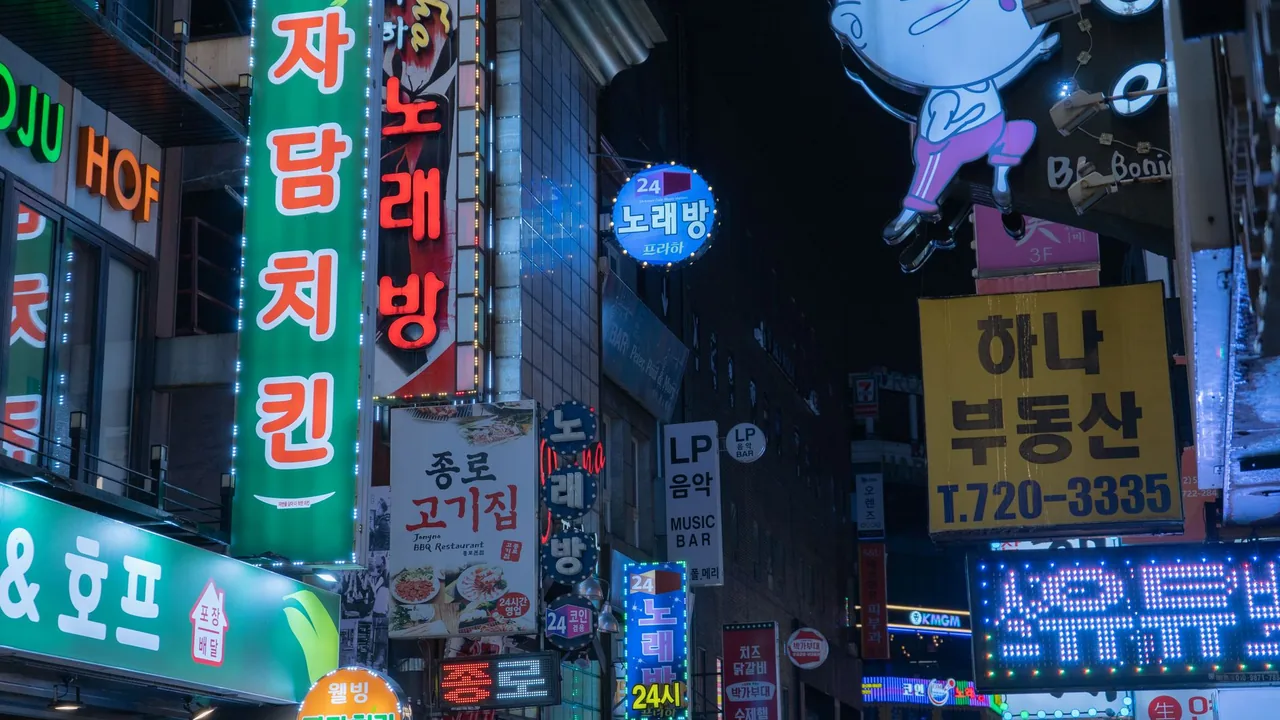
# Suwon Luxury Guide 2026: Where the Wealthy Shop and Eat
Suwon isn't trying to be Seoul, and that's precisely why it works for luxury travelers who know better. While Seoul's Gangnam district fights for attention with endless boutiques and Instagram restaurants, Suwon's wealthy elite operate in a pocket of refined restraint—where price tags reflect genuine craftsmanship rather than brand name alone. If you're looking for Korea's luxury market without the performative excess, you're in the right city.
The suwon luxury district isn't a single street. It's scattered across neighborhoods where old money and new entrepreneurs quietly consolidate. You'll find it in residential enclaves north of the fortress, in the polished corridors of Paldal-gu office towers, and in unmarked restaurants where reservations are harder to land than a Michelin star. This guide cuts through the noise and shows you exactly where to look.
Suwon's Luxury Map: Where Money Actually Flows
Suwon's wealthy don't cluster like Seoul's elite do. Instead, they operate across three distinct zones, each serving a different luxury appetite.
Yeongtong-gu (Gwanggyo & Maesil areas): This is Suwon's primary luxury district. Here you'll find the highest concentration of high-end retail, fine dining, and residential wealth. The neighborhood around Gwanggyo Premium Outlets sits next to exclusive apartment complexes where executives and business owners live. It's relatively new money—tech companies, logistics firms, manufacturing execs—so you'll see more contemporary luxury aesthetics.
Paldal-gu (Suwon Station corridor): The traditional power zone. Large corporate offices anchor this neighborhood, alongside established fine dining restaurants and heritage luxury hotels. This is where older, more conservative wealth operates. Think family-run textile companies, real estate magnates, and established restaurant groups.
Gwonseon-gu (Suwon's West side): Increasingly important. Large residential complexes house young executives and families who prefer quieter surroundings. Growing retail and dining options cater to this demographic. It's worth monitoring but currently secondary to Yeongtong and Paldal.
6 Neighborhoods and Spots Worth Your Time (and Won)
What you need to know: This isn't a discount outlet mall—it's where Suwon's wealthy buy seasonal wardrobe staples and accessories.
- Luxury brands present: Gucci, Prada, Saint Laurent, Celine, Moncler, Canada Goose
- Dining: Basement food court features Michelin-adjacent small plates (₩25,000–₩45,000 per person)
- Insider move: Visit Tuesday–Thursday mornings when crowds thin and personal shoppers have availability
- Price baseline: Designer handbags ₩800,000–₩3,500,000; seasonal clothing ₩200,000–₩800,000
What you need to know: Tree-lined streets with executive apartments (₩5–₩15 billion purchase price) and the restaurants that serve them.
- Flagship restaurants: Jungsik-style Korean fine dining (₩180,000–₩250,000 tasting menus), French bistros (₩120,000–₩180,000)
- Shopping: Independent luxury boutiques, bespoke tailors, high-end cosmetics shops
- Insider move: Many restaurants require membership or introduction; ask your hotel concierge
- Vibe: Quiet, residential, completely void of tourists
What you need to know: Where Suwon's establishment class conducts business and celebrates deals.
- Anchor: Hotel Naver Suwon (5-star, ₩350,000–₩600,000/night with executive floor access)
- Signature dining: Steakhouse chains (₩120,000–₩250,000 per person), Korean fine dining (₩200,000–₩350,000)
- Shopping: Luxury watch boutiques, high-end jewelry, designer menswear
- Insider move: Book dinner reservations through your hotel; walk-ins rarely get prime tables
What you need to know: Seoul's premium Korean restaurants have satellite locations here, minus the Seoul surcharge.
- Typical meal cost: ₩150,000–₩300,000 per person (10–20% cheaper than Seoul equivalents)
- Specialties: Seasonal Korean, premium banchan (side dishes), imported ingredients
- Reservation difficulty: High (book 3–4 weeks ahead via Naver or 네이버 예약)
- Insider move: Lunch reservations (11:30 AM–1:00 PM) easier than dinner; quality identical
What you need to know: New galleries, designer cafés, and emerging luxury brands.
- Featured: Contemporary Korean jewelry designers, ceramics studios with retail, independent fashion boutiques
- Café culture: Specialty coffee (₩8,000–₩12,000), artisanal pastries (₩6,000–₩15,000)
- Shopping: Limited but curated; expect items ₩150,000–₩800,000
- Insider move: Check Instagram for opening announcements; galleries rotate exhibitions monthly
What you need to know: Members-only restaurants where you truly understand local wealth hierarchy.
- Access: Membership ₩10,000,000–₩50,000,000+ annual fees (or hotel concierge introductions)
- Cuisine: French, Japanese kaiseki, Korean contemporary
- Average check: ₩250,000–₩500,000+ per person
- Insider move: Not possible as a tourist, but mention this to executives you meet—it signals you understand the market
10 Practical Etiquette and Logistics Tips
- Reservation culture is non-negotiable: High-end restaurants in Suwon don't hold walk-in tables for prime time. Book 2–4 weeks ahead through Naver 예약, Resy (limited coverage), or via your hotel concierge. Non-compliance = wait lists of 45+ minutes or outright rejection.
- Dress code matters, but subtly: Suwon's wealthy prefer understated luxury. Designer logos are acceptable but not required. Avoid athletic wear, flip-flops, or visibly worn clothing. Jeans are fine if high-quality; sneakers acceptable if luxury brands (Common Projects, etc.).
- Cash vs. card: 90% of restaurants accept Visa/Mastercard, but always carry a Korean debit card or ask ahead. Some establishments (older, family-run spots) remain cash-only for privacy reasons.
- Tipping is not standard but generous rounding is: 10% tipping isn't expected in Korea, but leaving ₩10,000–₩20,000 for exceptional service at high-end restaurants is appreciated and signals you understand the market.
- Private room (룸) requests are normal: Many fine dining establishments have private dining rooms (룸). Request this when booking if you value privacy—costs ₩50,000–₩150,000 extra but guarantees a curated experience without public observation.
- Language barrier solution: Speak with your hotel concierge 24 hours before dining. They'll brief restaurant staff on your preferences, dietary restrictions, and language needs. This transforms your experience from transactional to personalized.
- Shopping hours extend late: Department stores and boutiques stay open until 9:00–10:00 PM. Plan major shopping trips for 6:00–8:00 PM when personal shoppers are available and crowds have thinned.
- Membership unlocks discounts: Luxury hotels offer 5–15% discounts at affiliated restaurants and shops. Ask about concierge benefits before booking; some packages bundle dining credit.
- Seasonal menus reset quarterly: High-end restaurants change menus February, May, August, and November. If you're visiting during these windows, you're experiencing peak creativity and ingredient quality.
- Photography etiquette: Upscale restaurants discourage flash photography and video recording. Discreet phone photos of plating are fine; always ask staff first. Food is art; treat it accordingly.
FAQ: Suwon Luxury Market Questions Answered
Q: Is Suwon luxury actually cheaper than Seoul, or is that a myth? A: Measurably cheaper by 12–25% on equivalent experiences. A ₩200,000 tasting menu in Seoul costs ₩160,000 in Suwon's equivalent restaurants. Designer goods are identically priced (Korean retail is standardized), but dining, private events, and hospitality services cost less. You're not finding bargains—you're accessing efficiency.
Q: What's the best season for luxury dining in Suwon? A: Spring (April–May) and autumn (September–October) are peak. Restaurants source the best seasonal ingredients, restaurants introduce new menus, and weather permits outdoor experiences. Winter (November–February) brings truffle menus and luxury hotpot; summer (June–August) is quieter but features lighter, colder cuisine. Book accordingly.
Q: Can tourists actually access the private club scene? A: Rarely directly, but frequently through hotel concierges. High-end hotels (4+ stars) have partnerships with private clubs and can secure introductions. Expect one invitation per hotel stay maximum. Dress impeccably, be punctual to the minute, and never ask about membership details.
Q: Are luxury goods cheaper at Gwanggyo Premium Outlets vs. Seoul? A: Prices are identical. Tax refund percentages (13% for tourists, processed at airport) are standardized. The advantage is crowd size and personal attention—Suwon boutiques offer white-glove service without Seoul's tourist volume. If you're buying ₩3,000,000+ items, service quality matters more than price.
Q: What's the most overpriced luxury restaurant in Suwon I should avoid? A: Chain steakhouses (Outback, etc.) command Seoul prices without Seoul-caliber execution. Skip them. Instead, seek independent establishments and hotel-affiliated restaurants. Cost is 20% lower, and quality is 40% higher. Ask concierges for "chef's table" experiences—often better value than flagship venues.
Q: How do I navigate Suwon's luxury market without Korean language skills? A: Stay at 4+ star hotels and use concierge services exclusively for reservations and shopping guidance. Download Papago or Google Translate for menus. Luxury establishments employ English-speaking staff for affluent clientele. Never attempt fine dining reservations alone without Korean proficiency—communication gaps create disappointment.
Final Word
Suwon's luxury market operates on different principles than Seoul's. It's less about flash, more about craft. Less about being seen, more about genuine experience. If you're seeking Korea's high-end offerings without crowds and performative excess, you've found your city.
Ask the KORLENS AI chat for Suwon shopping and dining suggestions based on your interests. It is an AI assistant that replies in seconds, not a human team, and it works from Korea Tourism Organization open data. Also visiting Seoul? Seoul Local Picks covers Seoul only.
Your concierge awaits.
Next Step
About this guide
KORLENS is run by one person (KunStudio, a solo studio in Korea), not an editorial team. Guides are AI drafts based on public sources; some use Korea Tourism Organization TourAPI open data. KORLENS does not claim on-site visits or scheduled re-checks, so confirm hours, prices and closures with the venue before you go. Page last edited: 2026-06-19.
Plan your Korea trip with the KORLENS AI chat
Got a follow-up question after reading this? Ask the KORLENS AI chat in plain English. It is an AI assistant, not a person, and it replies in seconds with places from Korea Tourism Organization open data.
Ask the KORLENS AI chatCurious about Korean Saju? Try sajuapp.app
1,000-year-old Korean astrology, decoded by AI — available in 9 languages.
Suwon for Young Travelers 2026: Music, Cafes, Street Culture
Skip Seoul's tourist traps. Suwon's youth street culture—live music venues, underground cafes, and night markets—stays raw and affordable. Your insider's guide.
Suwon for Foreigners 2026: Where to Eat, Drink, Stay
Skip Seoul crowds. Suwon's reinvented itself as Korea's most accessible tier-2 city. Real neighborhoods, affordable eats, and zero tourist traps—here's where to