Jeju for Foreigners 2026: Where to Eat, Drink, Stay
Jeju isn't just a Korean honeymoon destination anymore. Here's where foreigners actually eat, drink, and sleep in 2026—with real prices and zero tourist traps.
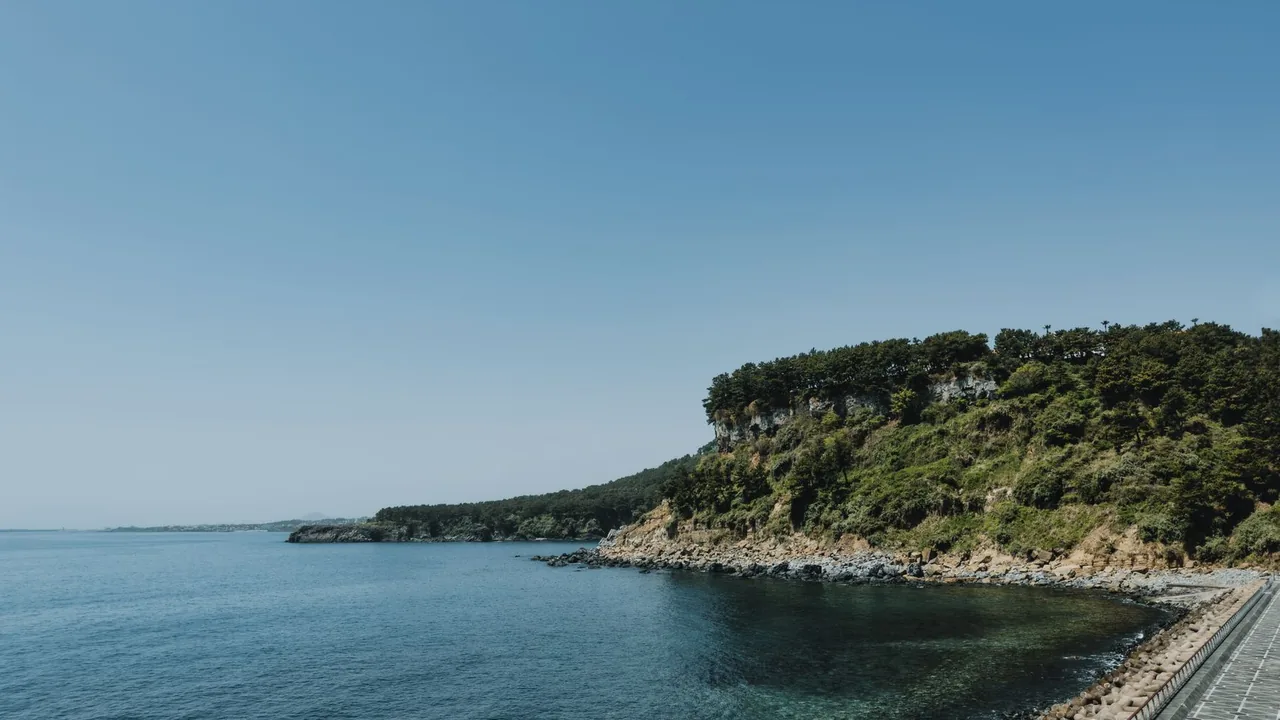
# Jeju for Foreigners 2026: Where to Eat, Drink, Stay
Jeju isn't just a Korean honeymoon destination anymore—it's become a legitimate expat hub and digital nomad haven. But here's the insider truth: most tourist guides will steer you toward overpriced seafood restaurants and cookie-cutter pension stays that cater to Instagram aesthetics, not actual living. If you're arriving in 2026, you need to know where real foreign communities gather, where English menus exist without the 40% markup, and which neighborhoods won't drain your budget in two weeks.
This guide cuts through the noise and shows you the actual foreign-friendly areas—the ones locals recommend, not the ones with the prettiest websites.
---
Jeju's 2024–2026 Reinvention: What's Changed for Foreigners
Jeju has undergone a quiet transformation over the past two years. Three major shifts matter to you:
1. The Infrastructure Boom Foreign-language signage, English-speaking staff, and digital payment systems have exploded. You can now navigate major areas using Google Maps, pay with Apple Pay or Kakao, and find English menus in 70% of restaurants across Jeju City, Seogwipo, and coastal areas. This wasn't true in 2023.
2. Digital Nomad Integration Co-working spaces designed for remote workers have tripled. Internet reliability has become a selling point, not an afterthought. Landlords now advertise "furnished for long-term expat lease" as a standard feature. WiFi 6 is increasingly common in accommodations above 350,000 KRW/month.
3. Culinary Openness While traditional Korean restaurants still dominate, there's now genuine restaurant diversity. Mediterranean, Vietnamese, Mexican, and Indian spots aren't afterthoughts anymore—they're integral to the dining ecosystem. More importantly, local chefs have stopped dumbing down flavors for foreign tourists.
---
5 Foreign-Friendly Neighborhoods: Real Spots, Real Prices
Gujwa sits on Jeju's east side, about 30 minutes from Jeju City. This is where you'll find the densest concentration of long-term foreigners (roughly 15% of the neighborhood), yet it hasn't been Instagram-ified. The vibe is genuinely local-first.
Where to Stay:
- Furnished one-bedroom apartments: 400,000–600,000 KRW/month
- Modern guesthouses: 80,000–120,000 KRW/night
- Recommendation: Check "Gujwa Expat Housing" groups on Facebook for direct landlord listings (often 10% cheaper than platforms)
Where to Eat:
- Gujwa Jjim Galbichim (Local stew spot): 12,000 KRW/bowl, 30+ years old, zero English but locals here speak broken English
- Cafe Osulloc (Tea & pastries): 8,000–12,000 KRW, international crowd, fast WiFi
- E-Mart (Local supermarket): Self-catering is 40% cheaper than restaurants; grab prepared kimbap (5,000 KRW), boiled eggs, and fresh fruit
Why Foreigners Choose It:
- Lowest rent on the island for non-tourist areas
- Beach access (Gujwa Black Sand Beach)
- Strong expat networking—easy to find local advice, carpool shares
---
Seogwipo's old downtown (not the new resort area) is where budget travelers and mid-range expats overlap. It's gritty, authentic, and genuinely diverse in dining.
Where to Stay:
- Budget hostels: 35,000–50,000 KRW/night (shared), 60,000–80,000 KRW/night (private)
- Serviced apartments (monthly): 700,000–900,000 KRW
- Best bet: Airbnb studios, 70,000–110,000 KRW/night (cleaner than old hotels, same price range)
Where to Eat:
- Olle Market (올레시장): Street food hub, 5,000–8,000 KRW per item, try the hotteok (sweet pancake, 3,000 KRW)
- Seogwipo Umashi Ramen: 9,000 KRW, family-run, owner speaks basic English
- Thalassa (Greek restaurant): 18,000–25,000 KRW mains, owned by expat couple, reliable WiFi, outdoor seating
- **Gogi BBQ (고기): 15,000–20,000 KRW per person (meat included), casual, foreigner-friendly
Why Foreigners Choose It:
- Best value-for-money on the island
- Authentic local culture without feeling exploitative
- Easy ferry access to nearby islands (Chuja, Moseulpo)
---
This area surrounds Jeju Port and has undergone massive gentrification. It's pricey but built explicitly for foreigners and remote workers.
Where to Stay:
- Modern apartments (furnished): 800,000–1,200,000 KRW/month
- Design hotels: 120,000–180,000 KRW/night
- Co-living spaces: 1,100,000–1,500,000 KRW/month (all-inclusive: WiFi, utilities, community)
- Standout option: Jeju Nomad Living (1,300,000 KRW/month, shared kitchen, events, 100+ residents)
Where to Eat:
- Cafe Yoon's Kitchen: 12,000–16,000 KRW, Western breakfast & lunch, excellent filter coffee
- Seoul Fish Market (인근 활어회): 18,000–28,000 KRW for sashimi sets, ultra-fresh, packed with foreigners
- Shake Shack (Jeju branch): 14,000–18,000 KRW, consistent, AC, good for work
- Kimchi Jjigae House: 10,000 KRW, traditional stew spot, zero English but hand-pointing works
Why Foreigners Choose It:
- 4G/5G coverage is perfect (important for remote work)
- Most English signage island-wide
- Walking distance to bars, night cafes, expat meetups
---
On Jeju's west coast, Hallim is where you go if you want to actually slow down. Fewer foreigners, lower prices, and some of South Korea's best natural scenery (Gujora Beach, Hyeopjae Beach).
Where to Stay:
- Pension/guesthouse: 70,000–100,000 KRW/night
- Monthly rentals: 500,000–700,000 KRW
- Farm stays (agritourism): 60,000–90,000 KRW/night (often includes meals)
Where to Eat:
- Hallim Fish Stew (할림 물회): 13,000–16,000 KRW, cold fish soup with local catch, family recipes 30+ years old
- Cafe Kneading: 8,000–11,000 KRW, homemade pastries, British owner, amazing WiFi
- Local Bakery (이름 없는 빵집): 2,000–5,000 KRW, bread so good it sells out by noon
Why Foreigners Choose It:
- Lowest stress level on the island
- Genuine agricultural tourism (can participate in citrus harvests Sept–Nov)
- Beach access without the party scene
---
If you want Western convenience without sacrificing access to attractions, Jungmun (between Jeju City and Seogwipo) is a compromise. It's touristy but functional.
Where to Stay:
- Hotels: 150,000–250,000 KRW/night
- Serviced apartments: 900,000–1,300,000 KRW/month
- Budget guesthouses: 85,000–120,000 KRW/night
Where to Eat:
- The Suites Hotel Restaurant: 22,000–35,000 KRW, buffet option (good for groups)
- Jeju Stone BBQ: 25,000–40,000 KRW per person, upscale, English menu
- CU Convenience Store (multiple locations): 7,000–12,000 KRW for prepared meals
Why Foreigners Choose It:
- Balanced location (30 min to Jeju City, 20 min to Seogwipo)
- All English signage
- Tourist infrastructure (rental cars, tour operators, language support)
---
8 Essential Etiquette & Practical Tips for Jeju
- Learn basic Korean numbers and greetings – "gamsahamnida" (감사합니다 – thank you) and "annyeonghaseyo" (안녕하세요 – hello) will unlock better service and genuine smiles. English-speaking staff prioritizes people who show effort.
- Carry cash – While digital payments are widespread in cities, rural Jeju and small restaurants still operate on cash-only. Always have 50,000–100,000 KRW in hand. ATMs are abundant but not guaranteed everywhere.
- Don't expect English outside tourist zones – Gujwa, Hallim, and smaller towns have minimal English. Download Papago or Google Translate's offline feature. Pointing at menu photos works 90% of the time.
- Tipping isn't expected, but appreciated – Unlike the West, Koreans don't tip. Rounding up 500 KRW or leaving small change is appreciated by restaurant staff but never required.
- Respect restaurant customs – Remove shoes in traditional spots, don't pour your own drink (pour for the eldest person; they'll pour for you), and finish your rice. Leaving food uneaten is considered wasteful.
- Understand "closed Monday" culture – Many small restaurants and cafes close Mondays for staff rest. Check ahead, especially in rural areas.
- Rent a car if staying 3+ days – Public buses exist but are infrequent outside main towns. A manual rental is 50,000–80,000 KRW/day; automatic is 70,000–100,000 KRW/day. Your international license works.
- Buy a local SIM card immediately – Tourist roaming is expensive. Local SIM plans (SK Telecom, KT, LG U+) are 30,000–50,000 KRW/month for 10–15 GB. Buy at the airport.
- Haggle only at markets, never in restaurants – Olle Market (Seogwipo) and smaller street markets allow negotiation; restaurants have fixed prices.
- Respect hiking etiquette on Hallasan – The main mountain draws 40,000+ hikers monthly. Register at ranger stations, start early (before 10 AM in summer), and never hike alone or after sunset.
---
FAQ: Your Burning Questions Answered
Q: What's the best time to visit for fewer tourists?
A: September–October and April–May are ideal. June–August are peak season (expect crowds and 30% price hikes). Winter (Dec–Feb) is quiet but can be rainy and windy; not ideal for outdoor exploration. March gets rain, but accommodation prices drop 20%. November is genuinely perfect—clear weather, comfortable temperatures (15–20°C), and manageable crowds.
Q: Is it safe to walk around at night?
A: Yes. Jeju is one of South Korea's safest destinations. Even in Jeju City, neighborhoods feel secure after dark. Seogwipo old town has occasional drunk patrons late-night but no real crime. The main concern is the lack of sidewalks in rural areas (poor street lighting). Use your phone flashlight when walking outside main town areas after 10 PM.
Q: How much should I budget per day as a foreigner?
A: Budget travelers: 50,000–70,000 KRW/day (dorm beds, street food, public transport). Mid-range: 100,000–150,000 KRW/day (private rooms, casual dining, activities). Luxury: 200,000+ KRW/day (hotels, restaurants, guided tours). Most foreigners spend 80,000–120,000 KRW/day comfortably.
Q: Do I need to speak Korean to survive here?
A: No, but basic effort helps. Major tourist areas (Jeju City waterfront, Seogwipo, Jungmun) have English signage. Rural areas don't. Translation apps work 80% of the time. The bigger issue is that staff in non-tourist restaurants rarely speak English, so ordering becomes pointing at pictures. This is actually part of the adventure.
Q: What's the longest I can stay without a visa?
A: 90 days for most nationalities under the visa exemption. US, EU, Canada, and Australia citizens get 90 days; check your embassy's specific terms. For longer stays, apply for a D-10 (jobseeker) or F-2 (long-term residency) visa at the immigration office in Jeju City. Processing takes 4–6 weeks.
Q: Is it cheaper to stay long-term or book nightly?
A: Long-term always wins. Monthly apartments are 40–50% cheaper per night than nightly rentals. If you're staying 3+ weeks, negotiate a monthly rate with guesthouses (they'll often accept 600,000 KRW/month vs. 75,000 KRW/night = 2,250,000 KRW monthly). Direct landlord rentals (Facebook groups) beat all platforms by 10–15%.
---
Final Thoughts: Move Beyond the Tourist Trail
Jeju for foreigners in 2026 isn't about finding the "best" Instagram-worthy spot—it's about finding your actual neighborhood. Whether that's the expat bubble of Jeju City waterfront, the slow-living beaches of Hallim, or the authentic grit of Seogwipo old town depends entirely on what you want from your time here.
The foreign-friendly areas we've mapped aren't secret anymore, but they're also not oversaturated. You'll meet other travelers, but you'll also encounter real locals, real prices, and real Korean life. That's the sweet spot.
Ready to dig deeper into a specific neighborhood or need personalized recommendations for your dates and budget?
Ask the KORLENS AI chat for Jeju place suggestions based on your interests. It is an AI assistant that replies in seconds, not a human team, and it works from Korea Tourism Organization open data.
Heading to Seoul as well? Seoul Local Picks covers Seoul only.
Happy travels. Enjoy your stay.
Next Step
About this guide
KORLENS is run by one person (KunStudio, a solo studio in Korea), not an editorial team. Guides are AI drafts based on public sources; some use Korea Tourism Organization TourAPI open data. KORLENS does not claim on-site visits or scheduled re-checks, so confirm hours, prices and closures with the venue before you go. Page last edited: 2026-05-29.
Plan your Korea trip with the KORLENS AI chat
Got a follow-up question after reading this? Ask the KORLENS AI chat in plain English. It is an AI assistant, not a person, and it replies in seconds with places from Korea Tourism Organization open data.
Ask the KORLENS AI chatCurious about Korean Saju? Try sajuapp.app
1,000-year-old Korean astrology, decoded by AI — available in 9 languages.
Is it worth visiting, the best time to go, crowds and real cost.
Best time to visit Jeju, month by month →Jeju Walking and Outdoor Courses Worth Doing (2026)
Skip the crowded Hallasan hikes. Local-vetted jeju walking trails and outdoor courses that deliver authentic views without the tour-bus chaos.
Solo Female Travel in Jeju: 2026 Safety + Practical Guide
Jeju is safer than you've heard—and more complex than travel blogs admit. Here's what actually matters for solo female travelers in 2026.