Solo Female Travel in Jeju: 2026 Safety + Practical Guide
Jeju is safer than you've heard—and more complex than travel blogs admit. Here's what actually matters for solo female travelers in 2026.
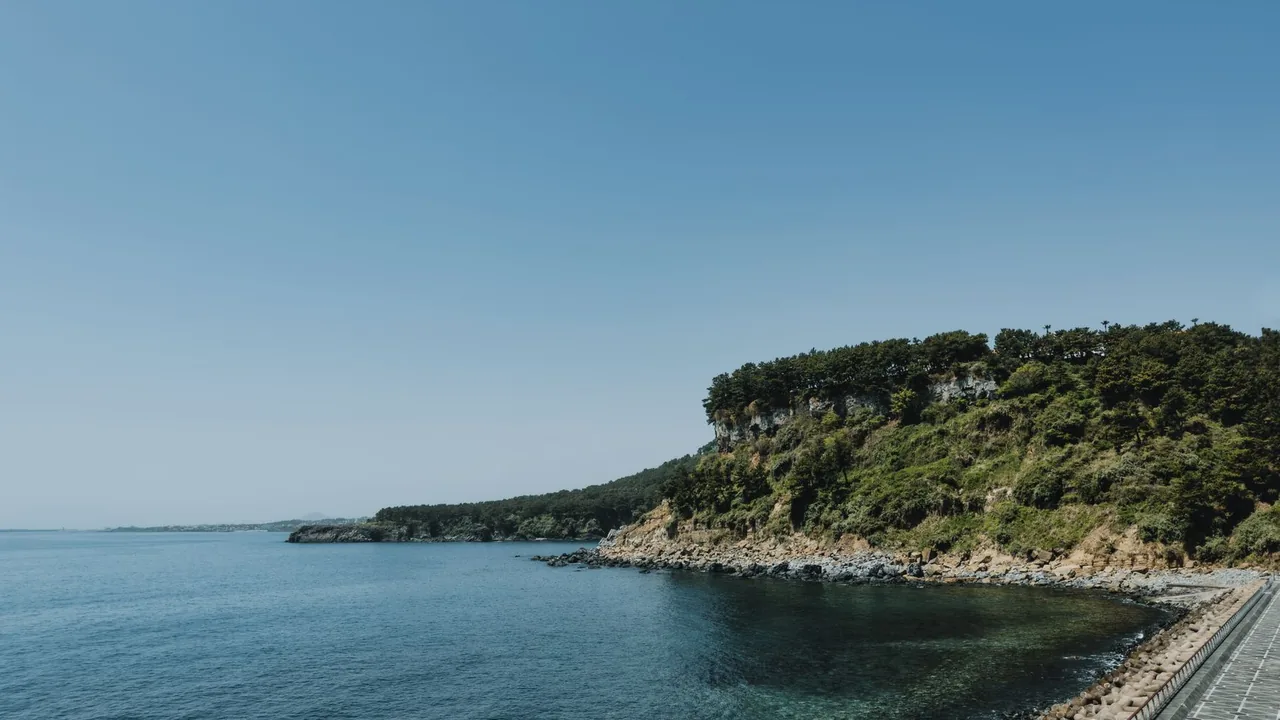
You Can Walk Jeju Streets at Night—But Not Every Street the Same Way
Jeju has a reputation as Korea's "safest island," and that's mostly true. But here's the local reality check: safety isn't uniform across neighborhoods, and your experience depends on which beaches you're visiting at 2 a.m. and whether you're downloading apps before you land. The good news? Solo female travelers aren't an anomaly here. Jeju's tourism infrastructure was literally built for independent visitors. Let's cut through the noise and give you what actually matters.
The Real Safety Picture: What's Legitimate, What's Overblown
Jeju records significantly lower violent crime rates than Seoul or Busan. Police presence is visible in central districts. Emergency services respond quickly—dial 112 for police, 119 for ambulance/fire. The island's economy depends on tourism, which means authorities take visitor safety seriously. Taxis are metered and regulated. Nightlife areas (Shinjeju, Neon Street) are well-lit and patrolled.
Some travel blogs treat Jeju like a fortress. It's not. It's a Korean island with normal social expectations and occasional drunk foreigners. Petty theft (phone snatching, bag slashing) happens but is rare—less common than Seoul's subway pickpocketing. Sexual harassment exists but isn't endemic to Jeju specifically; it's a Korea-wide cultural issue requiring your standard urban awareness, not heightened paranoia.
You'll encounter drunk groups, especially near university areas (Sinchon cluster near Jeju National University). Some clubs in Neon Street have aggressive door policies. Taxi scams targeting tourists exist but are easily avoided with metered cabs. The real risk isn't stranger danger—it's overconfidence making you drop standard travel awareness.
6 Neighborhoods: Where to Stay, Walk, and What Things Cost
Vibe: Modern, well-mapped, crowded Best for: First-timers, convenience-focused travelers Nightlife: Neon Street (네온거리) has clubs, bars, occasional chaos after midnight Where to stay: Budget guesthouses ₩50,000–₩80,000/night; mid-range hotels ₩120,000–₩180,000/night Food: Samgyeopsal ₩18,000–₩25,000 per person; coffee ₩5,000–₩7,000 Why solo-friendly: Packed with other tourists, English signage, ATMs everywhere Real talk: It's touristy enough to feel safe, sterile enough to feel less "authentic" Jeju
Vibe: Residential, working-class, real Korea Best for: Travelers wanting local experience over Instagram moments Neighborhoods to explore: Myeongnyun-dong (명년동) for street food; Dongmun Market (동문시장) for seafood Dongmun Market costs: Fresh sashimi ₩15,000–₩30,000/serving; bibimbap ₩9,000–₩12,000 Accommodation: Family-run minbak ₩45,000–₩65,000/night (no English, but honest owners) Daytime safety: Excellent; central streets busy until 10 p.m. Evening caution: Some rough bars near university district; stick to main streets after dark
Vibe: Beach town, Korean families, fishing village heritage Best for: Nature-focused travelers, cliffside hikes, quieter evenings Main area: Seogwipo Harbor walk (무료 – free), lined with restaurants Costs: Fresh eel bbq ₩25,000–₩35,000; coffee ₩4,500–₩6,000 Hotels: Mid-range ₩100,000–₩150,000/night Solo female reality: Very safe in daytime; minimal nightlife means fewer drunk crowds; fewer English speakers (download Papago offline translator) Best time to walk: 6 a.m.–6 p.m.; after dark, streets quiet but empty ≠ unsafe
Vibe: Agricultural, minimal tourism, volcanic landscape Best for: Drivers, photographers, solo travelers wanting solitude Highlights: Seongeup Folk Village (free entry); tangerine farms Food: Local noodle shops ₩8,000–₩10,000; nowhere to "go out" at night Accommodation: Farm stays (팬션) ₩55,000–₩85,000/night Safety note: Zero crime. Zero crowds. Zero nightlife. Safe because uneventful. Solo tip: Essential to rent a car here; public transport minimal after 5 p.m.
Vibe: Quiet beaches, haenyeo (female diver) culture, less touristy Best for: Contemplative travelers, beach walks, avoiding cruise-ship crowds Main draw: Guyam Island beach walk, Hyeopjae Beach (협재해변) Costs: Fresh seafood ₩12,000–₩20,000; beach cafés ₩5,000–₩8,000 Accommodation: Minbak ₩50,000–₩70,000/night Walking safety: Daytime excellent; evening very quiet (not suspicious, just rural) Why it works for solo females: Fewer drunk tourists, more respectful local vibe
Vibe: Hotel chains, tour groups, international feel Best for: Package travelers, want-it-easy solo travelers, business travelers Costs: Restaurant meals ₩20,000–₩40,000; hotels ₩150,000–₩300,000/night Safety level: Highest on island (security presence, controlled access) Downside: Expensive, corporate, least authentically Jeju Solo consideration: Safe but isolating; you'll mostly see other tourists
10 Practical Etiquette + Safety Tips You Actually Need
- Download Naver Map + Papago offline. Google Maps has gaps in Jeju. Papago works without data for basic translation. Korean addresses are navigation hell—save Naver Map bookmarks of places you plan to visit.
- Use metered taxis or call numbers from your guesthouse. Grab exists in Jeju but isn't as dominant as Seoul. Metered taxis start ₩3,800; most rides under ₩15,000. Don't accept rides from unmarked cars, period.
- Wear minimal jewelry and keep your phone secure in crowded areas. Jeju isn't a pickpocketing hot zone, but smartphones get snatched. Use a crossbody bag, not a backpack in Neon Street or markets.
- Carry your guesthouse's business card. Most won't have street addresses in English. A physical card with Korean text + phone number is your backup when you're lost.
- Notify someone of your daily plans, especially for remote hikes. Jeju's interior trails are safe but isolated. Tell your guesthouse owner or a friend where you're going. Trails are well-marked, but emergency rescue time = longer in rural areas.
- Respect hiking etiquette: start early, finish before dark. Hallasan (한라산) the island's main peak, is trafficked but turns dangerous after sunset. Don't be the solo hiker on a dark trail at 7 p.m. because you lost track of time.
- Expect older men to stare—it's not predatory, it's curiosity. Rural areas see fewer solo foreign women. You'll get looked at. It's awkward, not dangerous. Don't interpret all attention as threat.
- Avoid Neon Street solo after 1 a.m. That's when English-speaking drunk foreigners peak. Go with a group, or don't go. Same common sense you'd apply to any university bar district worldwide.
- Know that dating/hookup apps carry standard risks. Jeju has a small expat/digital nomad scene. Tinder exists. Use the same judgment you would anywhere—meet in public first, tell someone, trust your gut.
- Pharmacy runs are easy, direct, and no-judgment. Korean pharmacies sell contraception, pain relief, stomach meds over the counter. Point at what you need or show a photo on your phone to a pharmacist. No prescription required for most common medications.
FAQ: Your Actual Questions, Answered
In Sinjeju and Seogwipo central areas: yes, frequently. Main streets stay lit and have passersby until 11 p.m. Side streets and beaches after dark: depends on your risk tolerance. A solo woman walking Neon Street at 10 p.m. is normal. Walking an empty beach road at 2 a.m. is choosing risk unnecessarily. Apply urban awareness—Jeju is safer than most US cities, but "safer" isn't "no risk."
Hotels: Love hotels (료관소) are FOR sleeping, not sketchy. They're discreet, cheap (₩40,000–₩60,000/night), and common across Korea. Hostels: Jeju's backpacker hostels are well-reviewed on Booking.com and Hostelworld. Communal spaces = built-in safety. Staff manage incidents. Budget your ₩35,000–₩50,000/night for decent ones. Trust online reviews from other solo travelers.
Yes, but not because of Jeju specifically. Medical tourism makes Korean hospitals accessible and cheap. A bad scooter fall (common) runs ₩500,000–₩2,000,000 without insurance. Comprehensive travel insurance costs ₩30,000–₩50,000 for 2 weeks and covers emergency evacuation, medical, trip delay. Not optional if you're doing outdoor activities.
Police (112) respond in minutes in central areas, longer in rural zones. Guesthouse owners are your first call—they know local context and often speak English. If you're in a club/bar, find staff immediately. Jeju's tourism board takes complaints seriously. Document the incident (location, time, description). English-speaking tourist police exist in Sinjeju (☎ 064-710-3355).
Scooters: Cheap (₩30,000–₩40,000/day), flexible, but accidents happen. Only rent if you're experienced. Public buses: ₩2,500–₩5,000 per ride, good network in main towns, limited late-night service. Taxis: Most reliable for solo travelers (metered, regulated, ₩3,800 base + ₩100/100m). Rental cars: ₩60,000–₩100,000/day if you want full freedom. Best approach: buses for short city trips, taxis/rental car for longer distances or evening mobility.
Korea-wide: Don't touch strangers' food, don't eat while walking, don't leave tips (considered insulting). Jeju-specific: The island has strong haenyeo (female diver) heritage—respect if you visit working beaches. Some older locals resent tourism; be a guest, not an invader. Dress modestly on beaches and temples—bikinis are normal, but public nudity isn't. Don't assume English; politeness + Papago + pointing gets you everywhere.
Your Next Move
Jeju is genuinely safe for solo female travelers in 2026. Your real variable isn't crime—it's preparation. Download your maps, book your first night's guesthouse, tell someone your itinerary, and trust the experience.
Want neighborhood deep-dives or restaurant specifics? Ask the KORLENS AI chat for Jeju place suggestions. It has no live safety updates, so check official sources for current advisories. It is an AI assistant that replies in seconds, not a human team, and it works from Korea Tourism Organization open data. If you're planning a bigger Korea trip, read our Seoul Solo Female Travel Guide for a contrast. Also visiting Seoul? Seoul Local Picks covers Seoul only.
Walk confidently. Jeju woman walking street safe isn't a contradiction—it's standard.
Next Step
About this guide
KORLENS is run by one person (KunStudio, a solo studio in Korea), not an editorial team. Guides are AI drafts based on public sources; some use Korea Tourism Organization TourAPI open data. KORLENS does not claim on-site visits or scheduled re-checks, so confirm hours, prices and closures with the venue before you go. Page last edited: 2026-05-29.
Plan your Korea trip with the KORLENS AI chat
Got a follow-up question after reading this? Ask the KORLENS AI chat in plain English. It is an AI assistant, not a person, and it replies in seconds with places from Korea Tourism Organization open data.
Ask the KORLENS AI chatCurious about Korean Saju? Try sajuapp.app
1,000-year-old Korean astrology, decoded by AI — available in 9 languages.
Is it worth visiting, the best time to go, crowds and real cost.
Best time to visit Jeju, month by month →Jeju Rainy Day Itinerary: 15 Things to Do Indoors (2026)
Rain doesn't ruin Jeju trips—it unlocks them. Skip the outdoor hikes and dive into 15 indoor experiences, from noodle museums to lava caves, with real prices an
Jeju's Hidden Restaurants Locals Don't Want You to Know (2026)
Skip the tourist traps. Discover where Jeju locals actually eat—small alley restaurants, family-run spots, and unmarked doors serving the island's best food.