Jeju Walking and Outdoor Courses Worth Doing (2026)
Skip the crowded Hallasan hikes. Local-vetted jeju walking trails and outdoor courses that deliver authentic views without the tour-bus chaos.
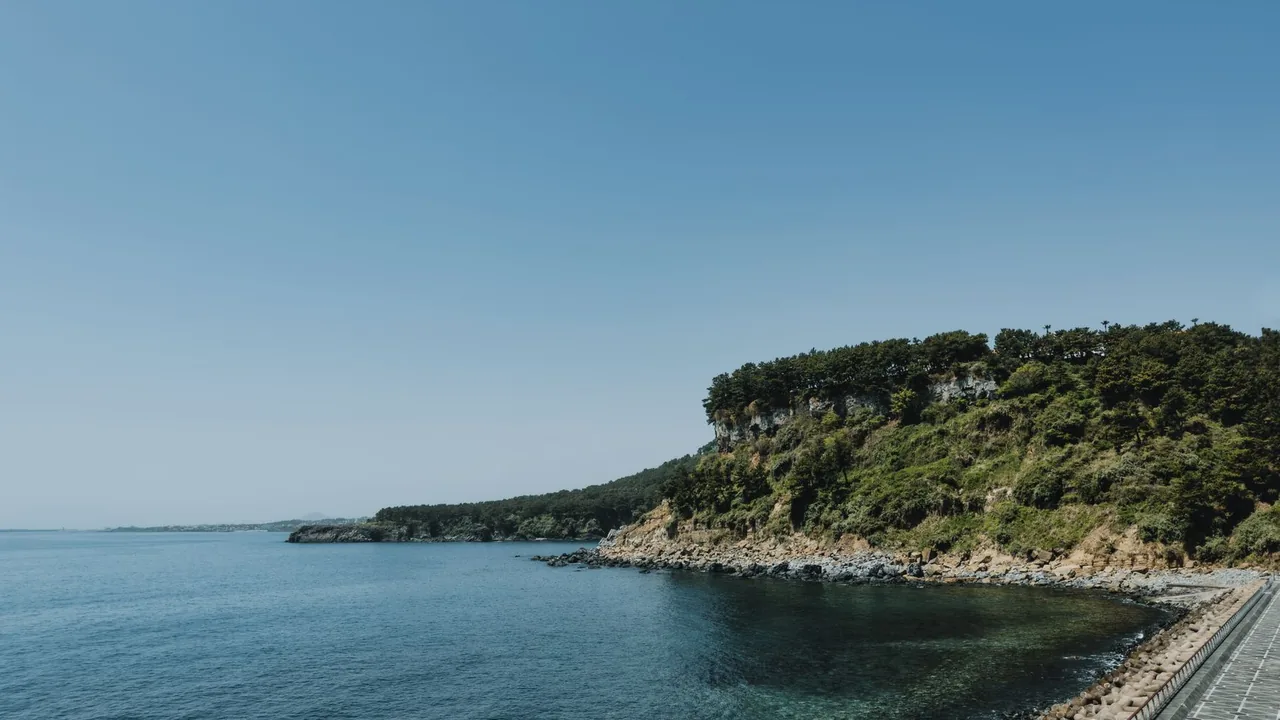
# Jeju Walking and Outdoor Courses Worth Doing (2026)
Here's what locals won't tell you: Hallasan isn't Jeju's best walk. Yes, it's iconic. Yes, it's stunning. But you'll spend half your day in a queue of 3,000 people shuffling up a volcanic cone, and the other half nursing sore knees. If you want real Jeju—the kind where you actually hear the wind and see the terrain—you need to abandon the main circuit and hit the courses that insiders use year-round.
This guide walks you through the outdoor trails and neighborhoods that matter, with exact prices, timing, and what to actually expect when you arrive.
Why Jeju's Outdoor Courses Remain Underused by Foreigners
Most visitors follow the same itinerary: rent a car, drive to Hallasan, snap a photo at the summit or turn back halfway. The island's smaller trails, olle-gil networks, and coastal walking routes stay quiet because they're not packaged neatly on booking sites. They require no entrance fee, no permit system, and no official "attraction" marker—which is exactly why they're worth your time.
Foreigners also assume Jeju is either beaches or mountains. The truth is richer: there are volcanic ridge walks, seawall promenades, forested interior loops, and agricultural routes that take you through actual neighborhoods where you'll encounter maybe two other visitors.
Second reason: information fragmentation. Korean hiking blogs have detailed route maps and seasonal updates; English sources regurgitate the same five "best hikes." You're reading this because the gap exists, and we're closing it.
Seven Jeju Walking Courses Worth Your Time (With Real Prices)
This is the jewel most foreigners miss. Route 7 takes you through volcanic forests, past grandmother-run vegetable stands, across traditional stone walls, and into villages frozen somewhere between 1990 and now. You'll walk past haenyeo (female diver) statues, cross streams, and hit the small town of Seongeup where you can grab mugwort ice cream for 4,500 KRW.
Cost: Free. Parking at Gujwa trailhead is 2,000 KRW. Best time: April–May or September–October. July–August is muggy; January gets icy. Difficulty: Moderate. Mostly flat with one 200-meter climb. What to bring: Water (refill at Seongeup convenience stores), sun protection, sturdy walking shoes.
Forget the main summit path that gets packed by 8 a.m. The ridge loop circles the base and interior of this UNESCO volcanic tuff cone, offering 360-degree views without the shoulder-to-shoulder crowds. You get sunrise views over the coast and—on clear days—views toward Udo Island.
Cost: 2,500 KRW entrance to Seongsan Ilchulbong park. Best time: Dawn (sunrise around 5:30 a.m. May–June). Go by 6:30 a.m. to beat tour groups. Difficulty: Easy to moderate. 180-meter elevation gain, well-marked. Pro tip: Eat breakfast at the small restaurants outside the park entrance (kalguksu noodles 9,000 KRW) before entering.
Gotjawal is ancient lava-tube forest—dense, cool, and surreal. The forest floor is chaotic with black volcanic rocks, gnarled roots, and endemic plants. Locals use these trails for morning walks; you'll see elderly couples and dog walkers, not buses. It's genuinely eerie in the best way.
Cost: Free. Small parking area: 2,000 KRW. Best time: Year-round. Morning (7–9 a.m.) is quietest. Difficulty: Moderate. Uneven terrain; good shoes essential. Trail markers: Yellow and red ribbons—can be sparse. Download offline map first.
This connects a black-sand beach with an old forest service road now converted into a walking route. You'll walk coastal cliffs, descend to a hidden beach, then cut inland through dense woodland. The Saryeoni section is especially magical because it's little-known and relatively shaded.
Cost: Free. Yongmeori parking: 3,000 KRW. Best time: April–June or September–October. Avoid February winds. Difficulty: Moderate to challenging. Some steep descents; 250-meter total elevation loss. Water: Bring 1.5–2 liters. No refill stops on the coastal section.
Most visitors hit the lower falls and leave. The upper trail ascends through moss-covered forest to a second waterfall, bamboo groves, and a quiet ridge with fewer people. In summer, you'll see cool canyon pools where locals swim (unofficial, but locals do it).
Cost: 2,500 KRW park entrance. Best time: Year-round. Less crowded June–August (rainy, but atmospheric). Difficulty: Easy to moderate. 120-meter elevation gain, paved initially, then gravel. Parking: 2,000 KRW. Arrive after 11 a.m. to avoid tour groups.
Mogul is an old Korean term for dense, untouched forest. This trail is inland, cool, and completely off the tourist circuit. You'll walk through groves of native trees, cross small streams, and emerge in quiet agricultural villages. It's the closest you'll get to "empty Jeju."
Cost: Free. No formal parking; street parking acceptable. Best time: May–October. November can be muddy. Difficulty: Moderate. Terrain varies from forest floor to open paths. Local insight: Ask at nearby convenience stores for the "Mogul kkeunchi" (Mogul end point) if you get lost—locals know it but signage is minimal.
This hike starts at a working Buddhist temple in the foothills, ascends through mixed forest, and crests at Sarabong Peak (1,194 m) with panoramic views of the southwest coast. The temple itself is peaceful; the hike feels more spiritual than sporty.
Cost: Free (temple donation optional: 3,000–5,000 KRW suggested). Best time: April–May, September–October. Avoid rain; trails get slick. Difficulty: Moderate to challenging. 400-meter elevation gain; some steep rocky sections. Temple hours: Open 8 a.m.–5 p.m. Arrive early to avoid afternoon cloud cover.
Eight Essential Etiquette and Practical Tips for Jeju Walking
- Start early—seriously. Jeju's afternoon weather is unpredictable. Clouds roll in by 2–3 p.m., especially in summer. A 6 a.m. start means you'll have clear views and avoid people.
- Carry more water than you think you need. Jeju's volcanic rock offers zero shade in exposed areas, and the wind dries you out fast. One liter minimum, even for "short" hikes. Convenience stores are not guaranteed on the route.
- Respect the stone walls. Those stacked-rock walls you'll see everywhere are working agricultural boundaries, sometimes centuries old. Don't climb them, move them, or use them for photo props.
- Wear proper hiking shoes, not sneakers. Jeju trails mix forest floors, volcanic rock (sharp edges), and occasional mud. Cheap trainers will leave your feet destroyed. Good shoes cost 80,000–150,000 KRW but worth it.
- Download offline maps before you go. Cell service is decent in towns but unreliable in forests and remote coastal areas. Use Naver Map or Kakao Map with offline mode downloaded.
- Don't hike alone on unmarked routes. For Gotjawal and Mogul, the second person isn't just company—it's safety. Trails can be confusing; an injury in a remote area without signal is serious.
- If you encounter haenyeo, leave them alone. These female divers are working, not performing. Photography without permission is rude and occasionally hostile-reaction-inducing.
- Pack your trash out. Jeju's trails stay relatively clean because locals actually care. Single-use trash (gum wrappers, energy bar packaging, used tissues) comes back with you.
- Respect posted seasonal closures. Some trails close temporarily during heavy rain, typhoon season (August–September), or mudslide risk. Check official sites before you go.
- Bring a light jacket year-round. Elevation changes and wind mean temperature swings of 5–10°C. Even in summer, it can feel cool at higher elevations at dawn.
FAQ: Jeju Walking Trails for Outdoor Lovers
Q: Can I do these walks if I'm not super fit?
A: Most of these trails are beginner-to-intermediate. Olle-Gil Route 7, Yongmeori Beach, and Cheonjeyeon Upper Trail are manageable for anyone doing regular cardio. Sarabong and Seongsan are steeper but shorter. Start with Cheonjeyeon (mostly flat with options to turn back), then progress. Jeju's not Patagonia; you won't be humiliated.
Q: What's the best season to walk these routes?
A: April–May and September–October are objectively ideal: temps 15–22°C, low rain, clear visibility, and fewer crowds. June–August is warmer but muggy, with afternoon thunderstorms. November–March is dry and quiet, but afternoon clouds are frequent and some trails get icy. Avoid walking mid-July through mid-August (peak heat and typhoons).
Q: Do I need a permit or booking for any of these trails?
A: No. Jeju's walking trails are free and unrestricted, with two exceptions: Seongsan Ilchulbong and Cheonjeyeon require entrance fees (both 2,500 KRW, paid at the gate). You don't need permits or reservations. Just show up.
Q: What should I eat/pack for a 3-4 hour walk?
A: Pack: 1.5–2L water, a protein-heavy snack (nuts, cheese, hard-boiled eggs), a banana or apple, electrolyte tablets (not necessary but helps in summer). For longer walks, a small sandwich is fine. After the walk, eat at small restaurants near parking areas—kalguksu, bibimbap, or grilled fish are standard and cheap (8,000–12,000 KRW). Avoid heavy meals before walking.
Q: Are these trails safe for women walking alone?
A: Olle-Gil routes and established trails like Seongsan and Cheonjeyeon are safe and well-traveled. Remote routes like Gotjawal and Mogul are better with a companion, not because of crime but because getting lost without signal is genuinely risky. Jeju has low crime; the risk is navigational and physical (injury with no backup). Use common sense: tell someone where you're going, carry a portable charger, and stick to marked routes if alone.
Q: What's the weather like in January/February?
A: Cold (3–8°C), windy, and low precipitation. Many trails are hikeable, but afternoon cloud cover is common. January can have icy patches on shaded sections. Bring layers: base layer, fleece, wind jacket. Mornings are sharp; afternoons warm up slightly. Visibility is often great before noon.
Final Word: Walk Like You Live Here
Jeju's best outdoor experiences don't come from checking boxes on an Instagram list. They come from arriving when locals arrive (early), following their routes (the olle-gils and forest trails), and sitting in silence long enough to hear something besides your own breathing.
The trails above are busy enough to be safe and maintained, quiet enough to feel like you've discovered something real. Bring water, wear decent shoes, download a map, and go before 9 a.m. That's the formula.
Ask the KORLENS AI chat for Jeju outdoor and walking suggestions based on your interests. It is an AI assistant that replies in seconds, not a human team, and it works from Korea Tourism Organization open data. Also visiting Seoul? Seoul Local Picks covers Seoul only.
Or read more: Complete Guide to Jeju Neighborhoods Worth Living In to understand the places these trails pass through.
Next Step
About this guide
KORLENS is run by one person (KunStudio, a solo studio in Korea), not an editorial team. Guides are AI drafts based on public sources; some use Korea Tourism Organization TourAPI open data. KORLENS does not claim on-site visits or scheduled re-checks, so confirm hours, prices and closures with the venue before you go. Page last edited: 2026-05-29.
Plan your Korea trip with the KORLENS AI chat
Got a follow-up question after reading this? Ask the KORLENS AI chat in plain English. It is an AI assistant, not a person, and it replies in seconds with places from Korea Tourism Organization open data.
Ask the KORLENS AI chatCurious about Korean Saju? Try sajuapp.app
1,000-year-old Korean astrology, decoded by AI — available in 9 languages.
Is it worth visiting, the best time to go, crowds and real cost.
Best time to visit Jeju, month by month →Solo Female Travel in Jeju: 2026 Safety + Practical Guide
Jeju is safer than you've heard—and more complex than travel blogs admit. Here's what actually matters for solo female travelers in 2026.
Jeju Rainy Day Itinerary: 15 Things to Do Indoors (2026)
Rain doesn't ruin Jeju trips—it unlocks them. Skip the outdoor hikes and dive into 15 indoor experiences, from noodle museums to lava caves, with real prices an