7 Best Day Trips from Jeju (2-Hour Radius, 2026)
Skip the crowded Jeju City beaches. These 7 countryside day trips within 2 hours reveal the island's real rhythm—volcanic villages, tea plantations, and coastal
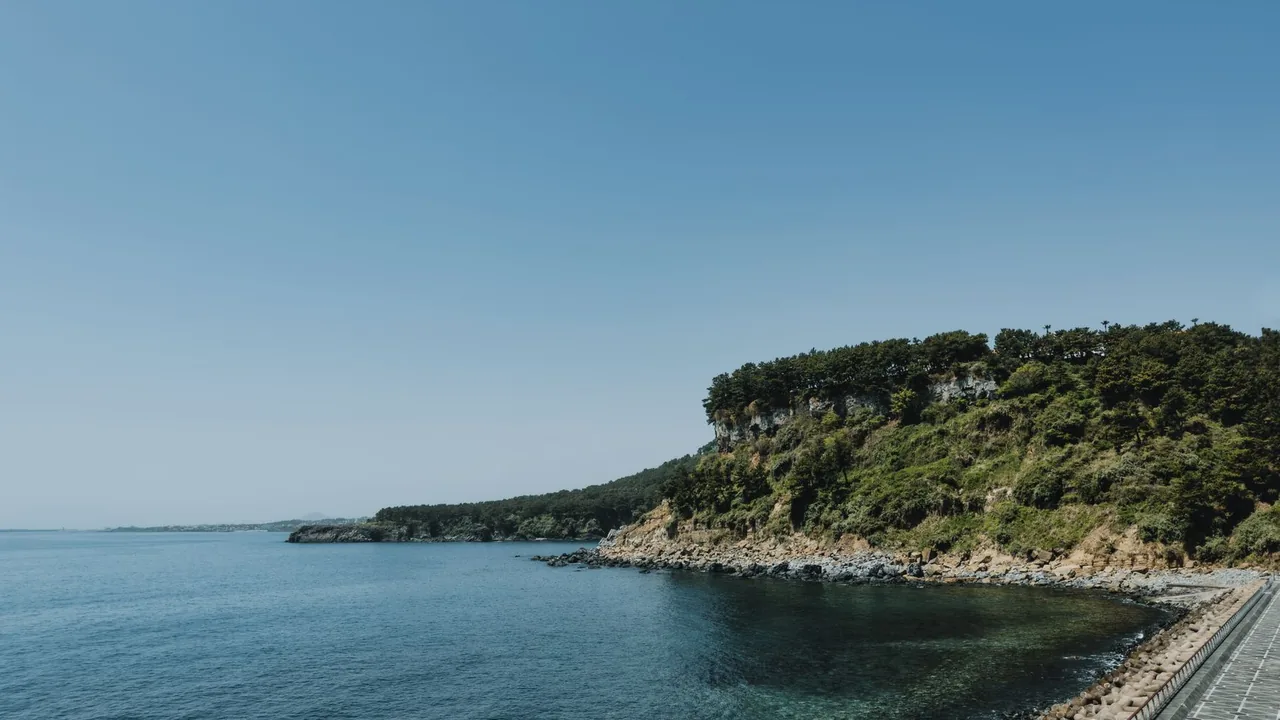
Opening
Most Jeju visitors spend their entire island time in Jeju City or chasing Instagram cliffs at Hallim Park. That's a missed opportunity. The real Jeju—the one where locals actually spend weekends—lives in the volcanic ridges, tea fields, and fishing villages that surround the island's interior. A 2-hour drive from central Jeju puts you in Korea's last authentic countryside, where you'll see haenyeo (female divers) still working the waters, tea farmers in rubber boots, and stone villages untouched by resort development. This guide cuts through the tourism noise and takes you where the island actually breathes.
Why a 2-Hour Radius Is the Sweet Spot from Jeju
Jeju is roughly 73 km long and 31 km wide—deceptively compact. A 2-hour drive covers nearly every worthwhile destination while keeping you away from the airport-to-hotel tourist corridor. This radius captures three distinct zones: the southern volcanic plateau (Gujwa, Seongup), the central highland (Hallasan slopes), and the eastern fishing coast (Pyoseon, Jongdal). You avoid excessive driving fatigue, save money on gas (petrol prices around 1,600 KRW/liter in 2026), and leave buffer time for meals, hiking, or wandering. Critically, you sidestep the four-hour round-trip tax that makes rushed tourism feel like checking boxes. You can actually sit in a teashop or linger at a viewpoint without watching your watch.
7 Best Jeju Day Trip Countryside Destinations
Seongup is what Korean heritage looks like when it's actually lived-in, not preserved. Stone walls (built without mortar) line lanes where you'll spot actual residents, not tour groups. The village sits at 400m elevation on Hallasan's eastern slope, so the air is noticeably cooler and clearer than the coast. Hit Seongeup Haenyeo Performance Theater (3,000 KRW entry) to see female divers demonstrate breath-hold diving—real skill, not theater. Grab lunch at a nameless soba restaurant (around 8,000–10,000 KRW for buckwheat noodles) where owners have worked since the 1990s. Walk the stone paths for an hour; you'll see traditional tteul (thatch) roofing, herb gardens, and the Seongeup Black Pig Meat Museum (free, but buys nothing). Bring 15,000 KRW cash for small purchases; most shops are cash-only.
Best time: Early morning (8–10 AM) before tour buses arrive. Stay 2–3 hours.
Jeju grows 60% of Korea's tea on its volcanic soils. O'Sulloc's plantation sprawls across 200+ hectares with views toward Hallasan. Unlike theme parks, this is an operating farm where you see actual tea leaves being dried and packaged. The museum entry is free; the real value is the tea tasting room (6,000–15,000 KRW for a flight of three teas) where you can taste the difference between spring, summer, and autumn harvests. A lunch set (noodles + tea dessert) runs 12,000–18,000 KRW. Walk the free plantation paths; it takes 30–45 minutes and smells intensely green in season. If you visit May–June, you might see harvest in action. The gift shop is pricey (tea boxes 25,000–60,000 KRW), but no pressure.
Best time: Late morning after Seongup. Combine both in one trip (15 minutes apart).
Pyoseon is where the last working haenyeo (female breath-hold divers) operate—roughly 200 active divers remain on Jeju, down from 27,000 in the 1960s. Walk the harbor (free) around 8–9 AM when divers return from morning dives. You'll see them emerge in wetsuits, haul sea urchin and abalone into boats, and strip off gear with practiced efficiency. The Haenyeo Center (3,000 KRW) has a small museum explaining diving history and selling fresh seafood at harbor prices (sea urchin 30,000–50,000 KRW/kg, abalone 80,000–120,000 KRW/kg—cheaper than Jeju City restaurants). Eat at one of four beachfront restaurants; order jjim (steamed seafood) for 25,000–35,000 KRW. Skip the "cultural performances"—watch the actual work instead.
Best time: Dawn visit (7–10 AM) to catch working divers. Afternoon visits are quieter but miss the action.
Gujwa County is Jeju's pork heartland—black pigs (native Korean breed) thrive in the volcanic region's cool microclimate. Gujwa-eup town center has six grilling restaurants within 200m of each other, each claiming local superiority. Try Halmae Dubu (grandmother tofu spot) for grilled black pork belly at 35,000–45,000 KRW per 100g plate. The meat is visibly darker, fattier, and richer than supermarket pork. Order saengsacho (raw greens) and ssamjang (dipping sauce) for wrapping, plus a stone-pot rice (5,000 KRW). Grill it yourself at your table; locals finish a meal in 30 minutes flat. No English menus—point at other tables or ask your hotel concierge for a note in Korean. Cash strongly preferred.
Best time: Lunch (11:30 AM–1:30 PM). Avoid 7–9 PM dinner rush.
Gotjawal is Jeju's weirdest ecosystem: a tangled forest growing on lava rock, not soil. The Jongdal section is the most accessible 1.2 km loop trail (free entry) winding through moss-covered rocks, miniature streams, and ancient juniper trees. Humidity stays high even in summer; it's noticeably cooler than outside. Bring sturdy shoes—rocks are slippery and uneven. The trail takes 45 minutes at a leisurely pace. There's a small gift shop at the trailhead (mostly snacks, 3,000–8,000 KRW). This isn't Instagram-famous, so you'll see mostly older Korean hikers and families. The parking area has two decent kimbap shops (5,000–7,000 KRW) if you want a light snack after.
Best time: Mid-morning, after your black pork lunch digests. Go between May–September for wildflowers.
If you drive north toward Gujwa County's border, you enter a forgotten zone where farming communities operate on pre-1980s rhythms. Stop at Seonheul Oreum (a small volcanic cinder cone, free) for a 20-minute walk with views across Jeju's interior plateau. Nearby, tiny villages sell strawberries, garlic, and wild mountain vegetables at farm-stand prices (strawberries 10,000–15,000 KRW/box in season, dramatically cheaper than Jeju City markets). This isn't a "destination"—it's a driving loop where you stop randomly, chat with farmers, and buy produce. Bring a small cooler for perishables. One village-edge restaurant, Suk's Kkokkomtang (wild vegetable soup), serves warming broths for 10,000–12,000 KRW; it's been open 20+ years with zero signage.
Best time: Saturday mornings for farmer's market energy. Afternoons are quieter.
If you're hiking Hallasan, start here. If not, drive it anyway. Samneung-ro is a mountain pass road connecting Jeju City to the southern slopes, climbing through chestnut orchards and mandarin groves. Stop at Hallasan National Park South Gate (free parking) and walk the first 2 km of the Seongeun Trail (60 minutes round-trip, moderate difficulty). You'll reach 1,000m elevation with views toward the summit and surrounding plateau. A park café serves patbingsu (red bean shaved ice, 6,000 KRW) and hot coffee (3,000 KRW). The road itself is stunning in autumn (October–November) and spring (April–May). If you skip hiking, drive it slowly, stop at roadside yuza (citrus) orchards, and grab fresh juice (8,000–12,000 KRW).
Best time: Early morning if hiking; any afternoon for the drive alone. Avoid in winter (snow closures).
Etiquette & Practical Tips for Jeju Countryside Travel
- Cash is non-negotiable in villages. Most restaurants, farm stands, and small museums don't accept cards. Withdraw 100,000–150,000 KRW from an ATM in Jeju City before heading rural. GS25 and CU convenience stores have ATMs everywhere.
- Rent a car, not a taxi. Taxis from Jeju City to villages run 80,000–120,000 KRW one-way. A daily rental (50,000–80,000 KRW) covers all seven stops and gives you control over timing. Book ahead on Naver or Kakao Rent Car.
- Respect haenyeo divers as working professionals, not museum exhibits. Don't photograph them without permission. If you want good photos, hire a local guide (200,000–250,000 KRW for a half-day) who has relationships with divers and knows when to visit.
- Speak quietly in villages, especially Seongup. These aren't theme parks. Residents live here. Loud tour groups (common 10 AM–2 PM) disrupt daily rhythms. Early mornings reward silence with authenticity.
- Bring sunscreen and a hat, even in cooler zones. Jeju's UV index is intense year-round. The volcanic black soil amplifies sun reflection. Reapply every two hours if you're hiking gotjawal or tea plantations.
- Download Naver Map and Kakao Map offline. Rural areas have weak cell service. Offline maps are essential for navigation. Both apps work in English once downloaded.
- Ask your hotel concierge for business cards with your destination written in Korean. Most villagers don't speak English. Showing a taxi driver or shop owner a printed address (in Hangeul) saves 10 minutes of confusion. Hotels print these free of charge.
- Eat where you see locals eating. If a restaurant has five Korean families and zero tourists, the food is genuine and the price is honest. Empty restaurants with English menus typically mark up 30–50%.
- Pack a small backpack with water and snacks. Convenience stores in villages are sparse and close early (8–9 PM). A 1.5L bottle (2,500 KRW) and rice crackers (3,000–5,000 KRW) keep you comfortable between stops.
- Visit between May–October for the best weather. Winter roads (November–March) can ice over without warning. Summer (July–August) is humid but safe. Spring and fall offer ideal conditions—cool, clear, and photogenic.
FAQ: Jeju Day Trip Countryside Travel
Yes. You'll need a valid passport + an International Driving Permit (IDP) issued by your home country's automobile association before arriving in Korea. Korean rental companies won't rent without both documents. If you forgot your IDP, hire a driver through Naver or Kakao (roughly 150,000 KRW for a half-day) instead of renting solo.
May–June and September–October are optimal. Spring (May–June) brings wildflowers, tea harvests, and strawberry season—farm stands overflow with fresh produce. Fall (September–October) offers clear skies, comfortable hiking weather, and haenyeo divers in peak activity (post-summer). Avoid July–August humidity and November–February road closures at higher elevations.
Yes, but it requires 12+ hours and heavy driving. A more realistic approach: pick three geographically clustered stops per day. Day 1: Seongup Folk Village + O'Sulloc Tea + Pyoseon Haenyeo. Day 2: Gujwa Black Pork + Jongdal Gotjawal + border villages. Day 3: Samneung-ro scenic drive + Hallasan hiking. This rhythm avoids exhaustion and gives each place breathing room.
Partially. Jeju's intercity buses connect Jeju City to towns like Gujwa, but rural villages require transfers. Expect 60–90 minutes and three changes to reach most destinations. A rental car saves time and money; most people choose driving. If you prefer transit, hire a guided tour (250,000–400,000 KRW per person for half-day) through Viator or Klook.
Estimate 150,000–200,000 KRW per person for a two-person team: car rental (80,000 KRW split), petrol (25,000 KRW), meals (50,000 KRW: entry fees + snacks (15,000 KRW). If you're solo, costs per-person rise to roughly 200,000–250,000 KRW. Compare this to Jeju City restaurant prices (entrees 20,000–50,000 KRW) and it's cost-neutral while far more memorable.
Closing: Go Deeper
These seven spots are your entry into Jeju's actual backbone—not the postcard version, but the living, working island where farmers wake before dawn and divers hold their breath for 40 seconds underwater. A 2-hour countryside loop from Jeju City breaks you free from the tourist current and into the rhythms that real Jejuans know.
Ask the KORLENS AI chat for Jeju day-trip suggestions based on your interests. It is an AI assistant that replies in seconds, not a human team, and it works from Korea Tourism Organization open data. Also visiting Seoul? Seoul Local Picks covers Seoul only.
Next Step
About this guide
KORLENS is run by one person (KunStudio, a solo studio in Korea), not an editorial team. Guides are AI drafts based on public sources; some use Korea Tourism Organization TourAPI open data. KORLENS does not claim on-site visits or scheduled re-checks, so confirm hours, prices and closures with the venue before you go. Page last edited: 2026-05-27.
Plan your Korea trip with the KORLENS AI chat
Got a follow-up question after reading this? Ask the KORLENS AI chat in plain English. It is an AI assistant, not a person, and it replies in seconds with places from Korea Tourism Organization open data.
Ask the KORLENS AI chatCurious about Korean Saju? Try sajuapp.app
1,000-year-old Korean astrology, decoded by AI — available in 9 languages.
Is it worth visiting, the best time to go, crowds and real cost.
Best time to visit Jeju, month by month →Jeju 3-Day Itinerary for First-Time Visitors (2026)
Skip the tourist traps. This Jeju itinerary takes you from the skyline city center to hidden neighborhoods, local markets, and volcanic landscapes—no filter req
Jeju's Hidden Coffee Shops Locals Love (2026 Guide for Foreigners)
Skip the tourist traps. Discover where Jeju locals actually drink coffee—underground roasteries, cliff-side minimalist cafes, and converted hanok houses with be