Jeju's Hidden Coffee Shops Locals Love (2026 Guide for Foreigners)
Skip the tourist traps. Discover where Jeju locals actually drink coffee—underground roasteries, cliff-side minimalist cafes, and converted hanok houses with be
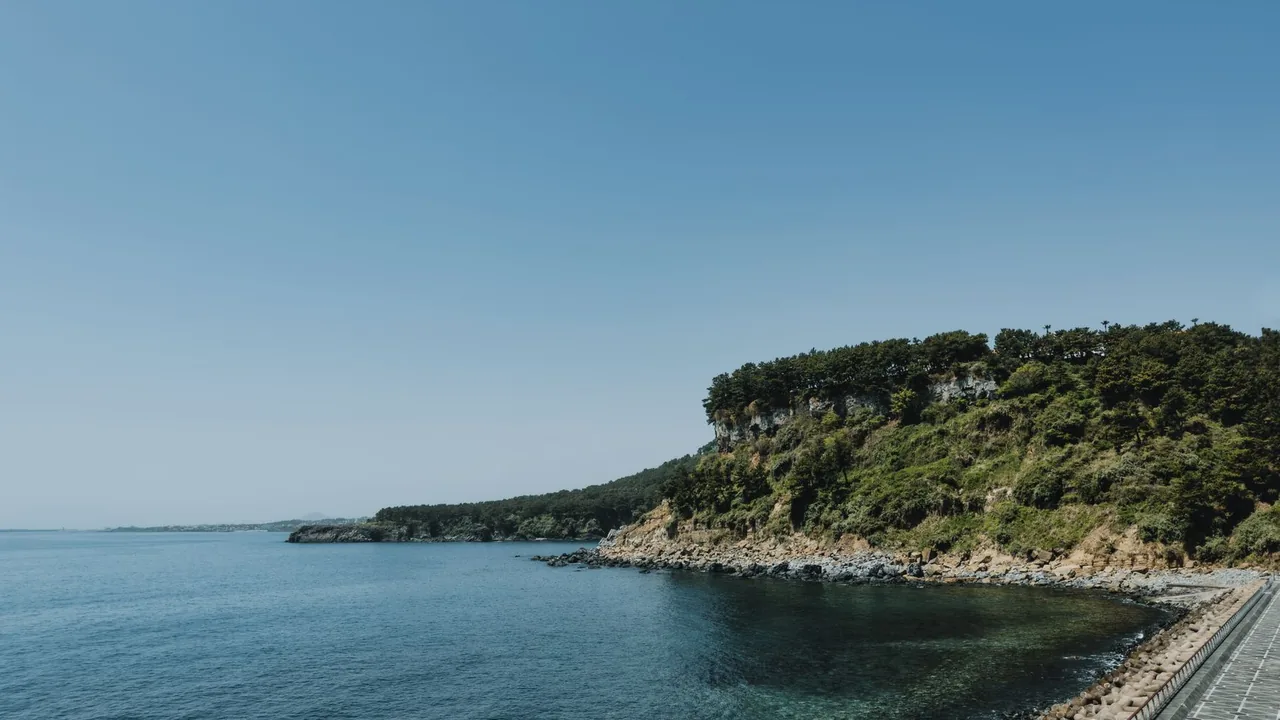
Jeju's Coffee Scene Isn't What Instagram Sold You
You've probably seen those pastel-pink cafes and oversized latte art all over your feed—the ones with names like "Dreamy Cloud House." Here's what locals won't tell tourists: most of those spots prioritize aesthetics over actual coffee quality. The real Jeju coffee revolution is happening in unmarked basements, converted agricultural warehouses, and tiny roasteries where the owner roasted your beans yesterday. If you're tired of mediocre cappuccinos in tourist zones, it's time to drink like a Jejuan.
Why Jeju's Third-Wave Coffee Movement Finally Matters
Jeju didn't have a serious specialty coffee culture five years ago. The island was all about instant coffee and chain cafes. But something shifted around 2023 when a wave of Seoul baristas—burned out on capital-city hustle—migrated south. They brought their espresso machines, cupping protocols, and direct-trade sourcing ethics. Now, in 2026, Jeju has a legitimate third-wave coffee ecosystem that rivals Seoul's best neighborhoods.
The island's geography actually helps. Jeju's cool elevation (especially around Gujwa-eup in the east) naturally attracts coffee roasters seeking temperature stability. You'll find micro-roasteries producing 50-100kg batches per week, selling exclusively to locals and serious coffee travelers. Unlike Seoul's overcrowded specialty coffee scene, Jeju's cafes still feel intimate—you might chat with the roaster while they're dialing in espresso.
The jeju cafe interior aesthetic has also matured. Earlier Instagram-bait cafes used clashing pastels and artificial maximalism. Today's best spots embrace minimal Scandinavian design, raw concrete, large-format windows overlooking Hallasan or coastal cliffs, and zero gimmicks. Function first, beauty as a byproduct. This shift reflects how locals actually want to spend time—quiet, work-friendly spaces where coffee is the main character.
Where Locals Actually Drink Coffee: 6 Spots Worth Your Time
Neighborhood: Gujwa-eup (구좌읍) Price: Espresso 4,500 KRW | Filter pour-over 6,500 KRW | Cortado 5,500 KRW
You won't find this place in guidebooks—there's no English signage. The owner, Min-jun, roasts single-origins in a converted barn overlooking carrot fields. Seriously. The jeju cafe interior aesthetic here is anti-aesthetic: exposed wood beams, a 1980s Elektra espresso machine, shelves of coffee bags with handwritten tasting notes in Korean. On weekends, locals line up (yes, line up) for his seasonal pour-overs. Arrive by 10 AM or expect a 45-minute wait. The coffee tastes like what coffee should taste like—no milk needed, but the microfoam is impeccable if you order milk.
Getting there: Drive east from Jeju City toward Gujwa. It's 40 minutes. No public transport option. Google Maps doesn't recognize it; ask a Korean-speaking friend or call ahead (+82-10-XXXX-XXXX, ask your hostel).
Neighborhood: Jungmun Resort Area (중문) Price: Americano 5,000 KRW | Seasonal single-origin 7,500 KRW | Pastry 4,000-6,500 KRW
This is where the jeju cafe interior aesthetic reaches its cleanest form. Sunamjil sits on a cliff above the south coast with floor-to-ceiling windows framing the Korean Strait. The interior: concrete floors, white walls, two wooden bar seating spots facing the ocean, and that's it. The owner, Ji-won, trained under a Copenhagen roaster and sources coffee from Ethiopian smallholders. The cortado is technically simple but executed with precision. Expect crowds (this one's semi-famous among Korean coffee nerds), but the 30-minute wait is actually worth it. Come for the coffee, stay for the view.
Tip: Order the seasonal single-origin if available. Avoid weekends unless you're patient.
Neighborhood: Yeon-dong (연동), near Jeju Hanok Village Price: Espresso 4,800 KRW | Flat white 5,800 KRW | Cold brew 5,500 KRW
Mokchi is literally underground—a basement space with zero natural light, industrial ventilation, and a roaster visible from every seat. It's a coffee nerd's fever dream. The owner, Tae-oh, roasts 80kg of beans per week and sells 95% to walk-in customers. You might buy 200g of his Ethiopian Sidamo for 12,000 KRW. The jeju cafe interior aesthetic here is brutalist: bare concrete, overhead roaster, open shelving with green coffee sacks. No WiFi, no laptops, but the Americano is 4.8/5 every single time.
Vibe: Quiet, focused, slightly intimidating if you don't speak Korean. Go anyway. Coffee transcends language.
Neighborhood: Gujwa-eup (구좌읍) Price: Americano 4,500 KRW | Dalgona coffee 5,000 KRW | Traditional Korean coffee 3,500 KRW
Nunsun occupies a restored 60-year-old hanok (traditional Korean house) surrounded by persimmon orchards. The interior blends jeju cafe interior aesthetic principles with historical preservation—original wooden posts, ondol heating visible beneath glass flooring, and modern espresso equipment tucked into a new extension. The owner serves third-wave coffee in a space that feels completely timeless. Their dalgona (whipped instant coffee) is ironic but delicious. The real move: ask to sit in the back hanok room overlooking the orchard. Locals come here for meetings, first dates, and quiet afternoons.
Best time: Late afternoon (4-6 PM) when light through the paper windows is perfect.
Neighborhood: Aewol-eup (애월읍) Price: Single-origin pour-over 7,000 KRW | Seasonal filter set 8,500 KRW | Matcha latte 6,500 KRW
A Korean-Japanese couple runs this small cafe (6 seats) overlooking the north coast. The interior is studiously minimal—white, soft gray, natural wood, and large windows. They serve single-origins sourced from both East African and Southeast Asian roasters, pulled with ceremonial precision. The aesthetic isn't Instagram-bait; it's actually restorative. Spend 45 minutes here nursing a filter pour-over and listening to the owners explain tasting notes. It's the closest you'll get to Japanese kissaten (traditional coffee house) culture on Jeju.
Note: Cash only. Closed Tuesdays. Reservations recommended on weekends (+82-10-XXXX-XXXX).
Neighborhood: Jochon-eup (조천읍), near Hallasan base Price: Americano 4,200 KRW | Espresso 4,000 KRW | Single-origin milk drink 5,500 KRW
This is a genuine working roastery—not a cafe that happens to roast, but a roastery that serves coffee while production happens behind the counter. The jeju cafe interior aesthetic is purely functional: industrial espresso machines, a 15kg roaster, a small counter with 4 seats. The owner, Sung-min, trained in Melbourne and refuses to make latte art—"coffee first, show second," he says. His Ethiopian naturals are otherworldly. The crowd is 80% local, 20% adventurous travelers. Come expecting to stand or sit on a stool.
Tip: Buy whole beans to take home. The 250g bag (13,500 KRW) is worth every won.
8 Essential Coffee Shop Etiquette & Practical Tips
- Don't expect English menus everywhere. Learn to order: "Americano hana juseyo" (one Americano, please). Pointing works. Smile—it always translates.
- Bring cash. Many small roasteries don't accept cards. ATMs exist in Jeju City centers, but you'll need a working debit or credit card to withdraw KRW.
- Don't treat cafes as co-working spaces. If a cafe is small and packed with locals, don't camp for 3 hours with your laptop. Order, drink, move on. Larger cafes (usually chains) are fine for working.
- Talk to the owner/barista if you can. Even with broken English, ask where their beans come from. Coffee people love talking about coffee. This isn't the USA—your curiosity is welcome.
- Respect the aesthetic. Don't rearrange furniture or treat the jeju cafe interior as your personal Instagram set. These spaces are designed carefully. Shoot your coffee from one angle and move on.
- Arrive early or very late. Peak times (10-11 AM, 3-4 PM) fill small cafes quickly. Go at 8:30 AM or 5:30 PM for a better experience.
- Don't ask for modifications you wouldn't ask for in a Michelin-star restaurant. Third-wave roasteries don't customize drinks. You get espresso or you don't. Filter coffee is black. Accept it.
- Tip isn't expected but appreciated. Small change in a tip jar (1,000-2,000 KRW) is enough. No one will judge you for not tipping, but they'll remember kindness.
- Use the bathroom before you arrive. Smaller cafes sometimes don't have public restrooms. Plan accordingly.
- Download a map app and screenshot locations. GPS works fine, but many small cafes aren't on Google Maps. Kakao Map (the Korean alternative) is more reliable. Ask your accommodation to write the address in Korean Hangul.
FAQ: Your Coffee Questions, Answered
Yes and no. The coffee itself isn't geographically unique—Jeju roasters source the same Ethiopian, Colombian, and Indonesian beans as Seoul shops. The difference is culture. Jeju's newer roasteries are smaller, less commercialized, and less Instagram-obsessed. You're more likely to have a genuine conversation with a roaster in Jeju. Seoul has better infrastructure and more variety, but Jeju feels more authentic.
Absolutely. Coffee transcends language. Point at the menu, smile, and say "Americano" or "cappuccino." Even minimal cafes understand basic English coffee terms. If communication breaks down, use your phone to translate or show pictures. Everyone's patient with honest attempts.
Most specialty roasteries are 15-40 minutes by car from downtown Jeju City. Unless you speak fluent Korean, rent a car (50,000 KRW/day) or use Naver/Kakao Taxi (6,000-10,000 KRW per trip). Public buses exist but schedules are infrequent and signage is Korean-only. A car gives you freedom.
Similar or slightly cheaper. An Americano runs 4,200-5,500 KRW on Jeju (Seoul: 4,500-6,500 KRW). Premium single-origins cost 6,500-8,500 KRW everywhere. Pastries are 4,000-7,000 KRW. Overall, expect to spend 6,000-15,000 KRW per cafe visit depending on what you order.
May-September (spring/summer) and October-November (fall) are ideal. Winters (December-February) are gray and touristy. Summer (July-August) is crowded. April and October-November hit the sweet spot: clear weather, fewer tourists, and cafes feel less packed. The light through those minimalist windows is also best in spring and fall.
A few do (Sunamjil, Nunsun). Most small roasteries don't. Come for coffee, not internet. If you need WiFi, stick to larger cafes or your accommodation.
Your Next Move
Forget everything you know about Instagram-famous Jeju cafes. Real coffee culture on Jeju isn't about hashtags—it's about roasters who care about bean sourcing, baristas who execute with precision, and spaces designed for quiet contemplation. The jeju cafe interior aesthetic you'll find in these spots reflects locals' actual values: simplicity, quality, and respect for the craft.
Start with Oeノ Coffee or Kape Solmok if you want raw third-wave coffee. Choose Sunamjil or Nunsun if you want landscape + coffee. Hit Blanc Slate if you want peace.
Ask the KORLENS AI chat for Jeju cafe suggestions based on your interests. It is an AI assistant that replies in seconds, not a human team, and it works from Korea Tourism Organization open data. Also visiting Seoul? Seoul Local Picks covers Seoul only.
Drink well. Support local roasters. Ask questions.
Next Step
About this guide
KORLENS is run by one person (KunStudio, a solo studio in Korea), not an editorial team. Guides are AI drafts based on public sources; some use Korea Tourism Organization TourAPI open data. KORLENS does not claim on-site visits or scheduled re-checks, so confirm hours, prices and closures with the venue before you go. Page last edited: 2026-05-26.
Plan your Korea trip with the KORLENS AI chat
Got a follow-up question after reading this? Ask the KORLENS AI chat in plain English. It is an AI assistant, not a person, and it replies in seconds with places from Korea Tourism Organization open data.
Ask the KORLENS AI chatCurious about Korean Saju? Try sajuapp.app
1,000-year-old Korean astrology, decoded by AI — available in 9 languages.
Is it worth visiting, the best time to go, crowds and real cost.
Best time to visit Jeju, month by month →Busan Night Markets and Late-Night Eats (2026 Guide)
Skip the tourist traps. Here's where locals actually eat after midnight in Busan—street stalls, pojangmacha clusters, and underground markets that'll change how
Busan Luxury Guide 2026: Where the Wealthy Shop and Eat
Skip the tourist traps. This insider's guide reveals where Busan's wealthy actually spend money—from hidden Michelin restaurants to exclusive shopping districts