Busan Luxury Guide 2026: Where the Wealthy Shop and Eat
Skip the tourist traps. This insider's guide reveals where Busan's wealthy actually spend money—from hidden Michelin restaurants to exclusive shopping districts
# Busan Luxury Guide 2026: Where the Wealthy Shop and Eat
Busan doesn't have the international spotlight of Seoul, which is precisely why Korea's wealthy prefer it. You'll find no tourist-trap Myeongdong chaos here—just well-heeled locals, discreet establishments, and restaurants that require connections to book. The city's luxury infrastructure is lean, sophisticated, and genuinely hard to crack unless you know where to look.
Busan's Luxury Map: Where Money Actually Moves
Unlike Seoul's obvious luxury corridors, Busan's wealth concentrates in specific pockets: Haeundae (beachfront prestige), Seomyeon (business elite hub), Nam-gu (shipping and finance money), and Jangnim-dong (old money residential). Each district serves different wealth demographics. Shipping magnates cluster in Nam-gu. Entertainment and hospitality money flows through Seomyeon. Tech and startup wealth gravitates toward Haeundae. Understanding these micro-territories saves you from wasting time in mid-market areas marketed as "luxury."
The real tell isn't flashy signage—it's absence of signage. Busan's luxury economy runs on membership, referrals, and reputation. Walk into a nondescript building in these districts and you might find a Michelin-starred kitchen or a private wine cellar. This is intentional.
7 Neighborhoods and Spots Where Busan's Wealthy Spend
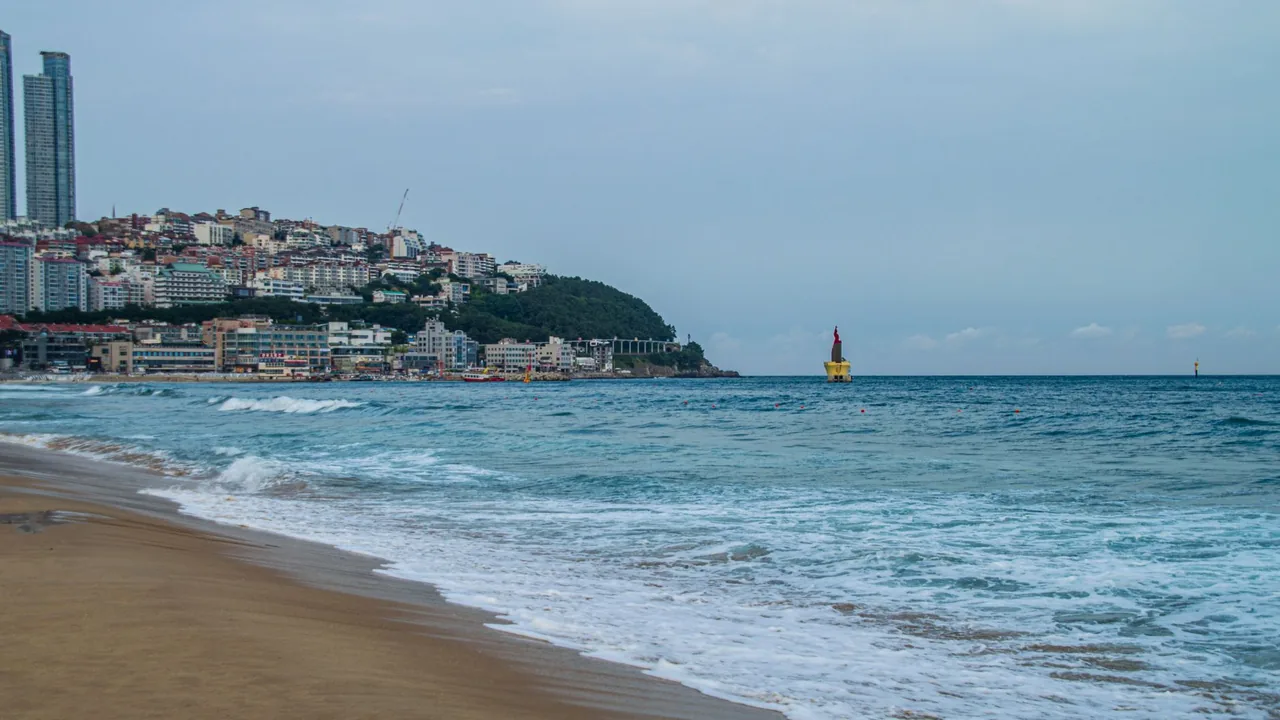
Haeundae is Busan's most visible luxury zone, but it's also the most stratified. The beachfront itself caters to medium-luxury (think high-end resorts). The real money lives in the residential towers behind the beach and eats in unmarked restaurants tucked into basement levels.
Key spot: Park Hyatt Busan (lunch from ₩85,000; dinner omakase from ₩280,000). The sushi counter here is where Busan shipping executives conduct informal board meetings. Book through your hotel—walk-ins rarely get seated.
Also go: Seacloud Resort area. Private clubs and restaurants dot this hillside. You'll need a member's introduction, but if you're staying at a luxury hotel, concierges often have connections.
Seomyeon is dense, vertical, and ruthlessly efficient—much like the corporate money that congregates here. This is where banking and finance professionals eat power lunches. The food is excellent but functional; you're here for the connections, not the ambiance.
Key spot: Lotte Department Store Busan. The restaurant selection (floors 8-10) serves ₩40,000–₩120,000 meals. Korean fine dining, sushi, French—all legitimate quality. The clientele is entirely local wealth; you'll hear business Korean, not tourist English.
Also go: Busan Tower area restaurants. Several unmarked 25th+ floor establishments cater to executives. Prices range ₩60,000–₩150,000 per person for Korean BBQ and seafood.
Nam-gu is understated to the point of invisibility. Shipping and trading families have lived here for 40+ years. The restaurants don't advertise; they don't need to. The hotels are immaculate but quiet.
Key spot: Busan Tower Hotel's fine dining venues. Sashimi sets (₩120,000–₩200,000) feature fish that arrived at the port yesterday. The Busan Aquarium is nearby, so tourist foot traffic exists, but the restaurants themselves are segregated—you'll sit among shipping executives, not families with strollers.
Also go: Private clubs on Yeongdo Island. Access is by membership only, but luxury hotels can arrange day passes for guests. Expect ₩150,000–₩300,000 for a complete meal and drinks.
Walk Jangnim-dong and you'll see nothing flashy. Older villas, carefully maintained gardens, zero tourist infrastructure. This is residential wealth, and it eats at home or in member-only establishments.
Key spot: Shinsegae Department Store (Jangnim branch). Smaller than Seomyeon's location, it attracts a more refined local clientele. The dining options (₩50,000–₩130,000) are high-quality without pretense.
Also go: Local Korean fine dining restaurants hidden on side streets. Ask your hotel concierge for "Jangnim-dong 맛집" (best restaurants). You'll get directions to places with no English signage, 8-seat kitchens, and ₩80,000–₩150,000 per person for seasonal Korean cuisine.
Gwangalli is newer, shinier, and more international than Haeundae. It attracts younger wealth, entrepreneurs, and foreign business residents.
Key spot: The Bay 101 complex. Multiple restaurants, ₩70,000–₩180,000 price range. This is where Busan startup culture eats. Quality is consistent, and you'll actually find English menus.
Also go: Rooftop bars and clubs in the beachfront towers. Entrance fees are ₩30,000–₩50,000; drinks run ₩15,000–₩25,000. Less formal than other luxury zones, more about networking and visibility.
Centum City is Busan's answer to Gangnam—massive, corporate, utterly modern. Tech companies, financial firms, and shopping malls define the landscape.
Key spot: Centum City Fine Dining Cluster. Multiple Michelin-rated restaurants in the towers (₩150,000–₩350,000 per person). This is where Seoul-based executives eat when they visit Busan offices.
Also go: Luxury hotel restaurants. Four- and five-star properties cluster here. French, Japanese, Korean fine dining—all ₩100,000+ per person, but quality is Seoul-standard.
Marine City's twin towers house some of Busan's wealthiest residents. It's a closed ecosystem: apartment complexes, private restaurants, private clubs.
Key spot: In-building fine dining establishments. Only accessible to residents or their invited guests. If you're staying nearby, ask your concierge about day-use club passes. Expect ₩200,000–₩400,000 for a complete experience.
10 Essential Etiquette and Practical Tips
- Dress code is non-negotiable. Business casual minimum for fine dining restaurants. Luxury establishments in Busan are more conservative than Seoul. Women: tailored clothing, minimal loud patterns. Men: blazers expected for dinner reservations.
- Book ahead, always. Walk-ins at high-end restaurants almost never work. Use Naver Reservation or ask your hotel concierge 2-3 days minimum in advance.
- Bring cash (and a card). Most fine dining accepts cards, but some traditional establishments and private clubs prefer cash. ATMs are everywhere—withdraw at your hotel to avoid tourist surcharges.
- Speak quietly in restaurants. Busan's wealthy eat with restraint. Loud conversation marks you as a tourist. Match the ambient noise level of the room.
- Tipping is not customary and can offend. Leave no tip at restaurants or clubs. Service charge is included. Tipping implies the establishment didn't pay fair wages, which is insulting.
- Understand club membership culture. Many top establishments are membership-only. Your hotel concierge is your key. Be specific: "I'm interested in fine dining," not "Where's the best restaurant?" Vagueness kills introductions.
- Respect table sequencing in Korean fine dining. You don't order appetizers à la carte. The chef prepares a progression (banchan + main courses). Eat in the order presented. Substitutions are rarely accommodated.
- Cash payment preference = status. Paradoxically, paying in cash at luxury establishments can signal insider status. It's old-money behavior. Cards work fine, but cash is never wrong.
- Photography is discouraged. Don't photograph your food in fine dining spaces. It's considered tacky. Private clubs especially forbid it—violation can result in blacklisting from the establishment.
- Learn basic Korean numbers. When paying, waiters will speak Korean. ₩80,000 = 팔만원 (pal-man-won). Knowing this prevents awkward silences and shows respect.
Frequently Asked Questions
Q: What's the difference between Busan luxury and Seoul luxury?
A: Seoul luxury is accessible and branded. You can walk into a Michelin restaurant wearing jeans (barely). Busan luxury is gatekept and relationship-based. Seoul tells you it's luxury through signage and marketing. Busan assumes you already know. Busan's wealthy eat in unmarked restaurants; Seoul's wealthy photograph their food. Both are valid, but Busan requires more insider knowledge.
Q: How much should I budget per day for luxury dining and shopping in Busan?
A: For fine dining (dinner only): ₩150,000–₩350,000 per person. Lunch is cheaper (₩60,000–₩120,000). Shopping varies wildly by store and item. Luxury retail in Shinsegae or department stores mirrors Seoul prices. Budget ₩2,000,000–₩4,000,000 for a three-day luxury experience if you eat one fancy dinner daily and shop moderately.
Q: Are there English-speaking luxury restaurants in Busan?
A: Some, but expecting English is risky. High-end sushi establishments (especially omakase) often have English-speaking chefs. French restaurants have English menus. Traditional Korean fine dining rarely does. Your hotel concierge can pre-call and request an English-speaking staff member. Never assume—always arrange ahead.
Q: Is luxury shopping better in Busan or Seoul?
A: Seoul has selection; Busan has intimacy. Busan's department stores (Shinsegae, Lotte) stock major luxury brands but with smaller inventory. Personal shopping services are more available in Busan—staff remembers you. If you need specific items, Seoul is safer. If you want a curated, personalized experience, Busan's smaller luxury ecosystem is better.
Q: What's the best time to visit Busan's luxury district?
A: October–November (fall) and April–May (spring) are ideal. Summer is humid and crowded. Winter is quiet but depressing. September is typhoon season. Spring and fall offer perfect weather and fewer tourists in luxury spaces. Book restaurants before visiting—peak season (July, December) requires 1-2 weeks advance notice.
Q: Can I access Busan's luxury clubs as a visitor?
A: Technically no, but practically yes. Your hotel concierge has relationships with clubs and can arrange guest passes (usually ₩50,000–₩100,000 day-use fee). Luxury hotels (Park Hyatt, Lotte, Shinsegae) have the strongest connections. Budget hotels have weaker ties. The key is asking politely and booking ahead.
Your Next Move
Busan's luxury landscape isn't designed for guidebooks—it's designed for insiders. But now you know where to look, what to expect, and how to navigate it without embarrassing yourself.
The experience isn't about Instagram moments or famous names. It's about eating yesterday's catch at a sushi counter where shipping executives close million-dollar deals. It's about a tailored blazer and a quiet dinner in a restaurant that won't appear in your search results.
Ask the KORLENS AI chat for Busan shopping and dining suggestions based on your interests. It is an AI assistant that replies in seconds, not a human team, and it works from Korea Tourism Organization open data. Also visiting Seoul? Seoul Local Picks covers Seoul only.
Otherwise, scroll through Seoul. Busan's waiting for you.
Next Step
About this guide
KORLENS is run by one person (KunStudio, a solo studio in Korea), not an editorial team. Guides are AI drafts based on public sources; some use Korea Tourism Organization TourAPI open data. KORLENS does not claim on-site visits or scheduled re-checks, so confirm hours, prices and closures with the venue before you go. Page last edited: 2026-05-26.
Plan your Korea trip with the KORLENS AI chat
Got a follow-up question after reading this? Ask the KORLENS AI chat in plain English. It is an AI assistant, not a person, and it replies in seconds with places from Korea Tourism Organization open data.
Ask the KORLENS AI chatTry the Korean skincare products mentioned in this guide
Olive Young Global — free international shipping over $60, ships to 150+ countries.
Shop Olive Young GlobalCurious about Korean Saju? Try sajuapp.app
1,000-year-old Korean astrology, decoded by AI — available in 9 languages.
Is it worth visiting, the best time to go, crowds and real cost.
Best time to visit Busan, month by month →Busan for Young Travelers 2026: Music, Cafes, Street Culture
Skip the touristy beaches. Busan's real youth scene lives in indie music venues, third-wave cafes, and street art alleys where locals actually spend money.
Busan for Foreigners 2026: Eat, Drink, Stay
Busan's foreign-friendly neighborhoods offer English signage, international restaurants and expat communities. Where to eat, drink and stay, area by area.