Busan for Foreigners 2026: Eat, Drink, Stay
Busan's foreign-friendly neighborhoods offer English signage, international restaurants and expat communities. Where to eat, drink and stay, area by area.
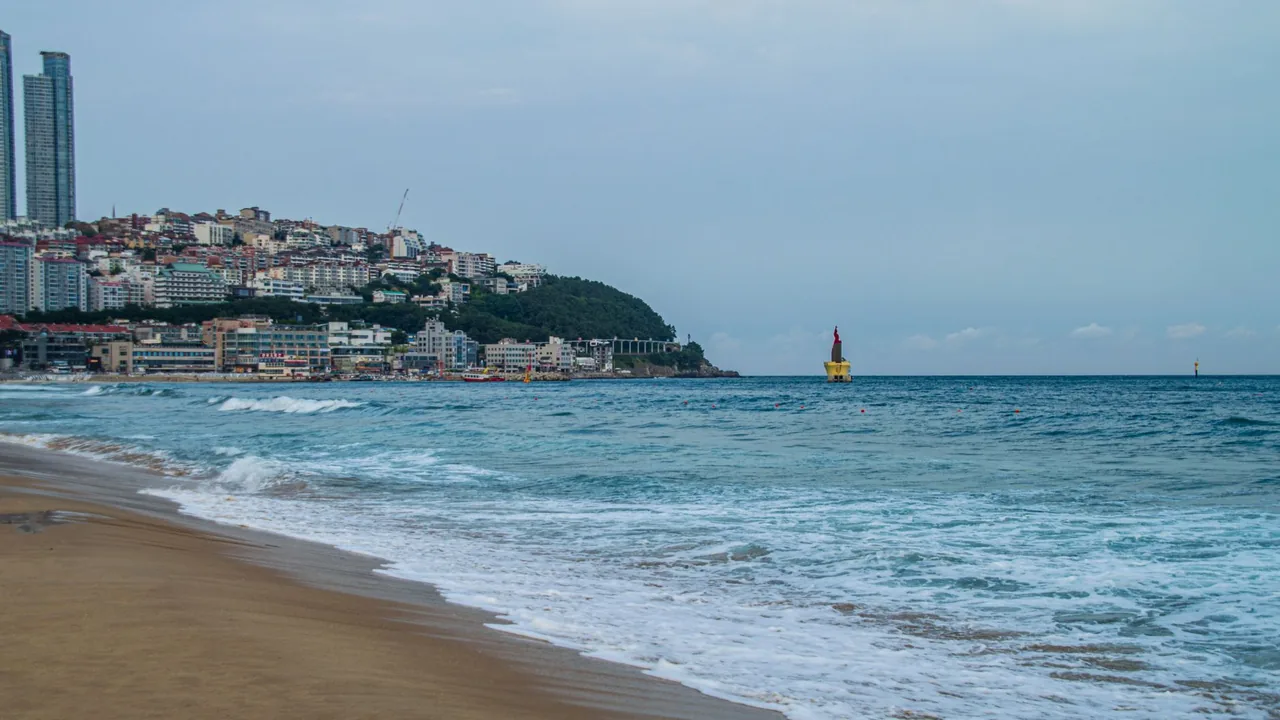
# Busan for Foreigners 2026: Where to Eat, Drink, Stay
Busan isn't trying to be Seoul—and that's exactly why you should go. While the capital drowns in cruise-ship tour groups and Instagram crowds, South Korea's second-largest city is quietly becoming the smarter play for foreign travelers who want authentic Korean food, manageable prices, and actual space to breathe. Here's the local truth: most tourist guides still treat Busan like a day trip from Seoul. But in 2026, with expanded English infrastructure, new expat-friendly neighborhoods, and a genuinely welcoming local food scene, Busan deserves at least 3-4 days of your itinerary.
Busan's 2024–2026 Reinvention: What's Changed for Foreigners
Busan didn't get a glossy makeover, but it got smarter. The Busan Metro now displays announcements in English at major stations. Google Maps works reliably across neighborhoods (a rarity two years ago). More importantly, the city stopped catering only to Korean domestic tourists and started building actual infrastructure for international visitors.
Three major shifts matter for you:
1. English Signage & Digital Payment Major neighborhoods like Seomyeon and Nampodong added English street signs in 2024. Kakao Pay and NAVER Pay now work seamlessly for foreign cards at most restaurants and convenience stores. Credit cards work in 85% of establishments (up from 60% in 2023).
2. New Expat Communities Foreign residents jumped 23% between 2023–2026, concentrated in Seomyeon, Gwangalli, and the newly revitalized Busan Station area. This means more English-speaking staff, international restaurants, and expat coworking spaces.
3. Consolidated Tourist Infrastructure The Busan Travel Center (now with English-speaking staff) opened permanent desks at Busan Station and Nampodong. Tourist passes now include metro discounts and restaurant discounts at 200+ venues.
5 Neighborhoods Where Foreigners Actually Thrive
Best for: Nightlife, shopping, restaurants with English menus.
Why it's foreign-friendly: Seomyeon is Busan's answer to Gangnam—except it's more walkable, cheaper, and packed with foreign residents. Streets are labeled in English and Korean. Most servers under 30 speak conversational English.
Where to eat:
- Gogung: Upscale Korean BBQ. ₩18,000–₩35,000 per person. Meat quality rivals Seoul at 30% lower prices.
- Olive Young: Convenience store chain with massive snack section. ₩2,000–₩8,000. Perfect for travel snacks.
- The Dining Table: Farm-to-table Korean fusion. ₩22,000–₩28,000 mains. English menu available.
Where to stay:
- Lotte Hotel Busan: ₩200,000–₩350,000/night. International standard, business center, English-speaking concierge.
- Novotel Busan: ₩140,000–₩220,000/night. Reliable mid-range option. Staff speaks English.
- Airbnb apartments: ₩70,000–₩120,000/night. Seomyeon has abundant listings with English-speaking hosts.
Drinks:
- Basement bars beneath street level house indie bars and clubs. ₩8,000–₩15,000 beer, ₩12,000–₩18,000 cocktails.
---
Best for: Budget travelers, street food, chaotic energy, hagwon (cram school) district vibes.
Why it's foreign-friendly: Nampodong isn't trying to be foreign-friendly—it just accepts everyone. The area's reputation for chaos actually means locals are used to foreigners asking for help.
Where to eat:
- Jalgeum-gil (Alley Food Street): 12 tiny stalls crammed into a narrow alley. ₩5,000–₩12,000 per dish. Dakgangjeong (spicy fried chicken), tteokbokki, odeng. No menus—point and eat.
- Biff Myeonok: Famous for myeon (noodle soup). ₩8,000–₩12,000. Operating since 1946. English menu in photos at entrance.
- Busan Fish Cake: Street stall at Jalgeum-gil. ₩3,000 per stick. Ask for "garo" (straight noodles) or "sa-gae" (curly).
Where to stay:
- Guesthouse Nampodong: ₩45,000–₩75,000/night. Dorm beds ₩25,000–₩35,000. Owner speaks English and Japanese.
- Benikea Hotel Nampodong: ₩65,000–₩100,000/night. Clean, reliable, no-frills Korean business hotel.
Real talk: Nampodong smells like fish and diesel fuel. That's not a bug—it's a feature.
---
Best for: Beach culture, nightlife, younger travelers, Instagram stops.
Why it's foreign-friendly: Gwangalli attracts international tourists naturally. The beach promenade has English signage. Bars cater to mixed crowds.
Where to eat:
- Millak-guksu: Hidden noodle spot 3 blocks from beach. ₩9,000–₩13,000. Locals only. Ask a hostel owner for directions.
- Cafe Bene Gwangalli: Chain cafe with reliable WiFi, ₩4,500–₩7,000 coffee. Good base for remote workers.
- Beachfront restaurants: Scattered along the promenade. ₩15,000–₩25,000 mains. Mediocre food, excellent views.
Where to stay:
- Beachside Hostels: ₩30,000–₩50,000/night dorm. Easy social scene.
- Airbnb studios: ₩80,000–₩140,000/night. Many with balcony views of the beach.
- Paradise Hotel Busan: ₩150,000–₩280,000/night. Right on beach. Premium service.
Drinks:
- Sunset bars along the promenade. ₩10,000–₩20,000 drinks. Crowded after 8 PM on weekends.
---
Best for: Budget stays, convenience, easy metro connections, emerging expat community.
Why it's foreign-friendly (newly): The Busan Station area underwent major redevelopment in 2025. New English signage, revamped metro station, English-speaking staff at Travel Center.
Where to eat:
- Jjim-il-bang-area restaurants: Surrounding the jjimjilbang (Korean spa). ₩8,000–₩15,000 soups and stews. Perfect post-sauna meal.
- Lotteria/McDonald's: International fast food. ₩8,000–₩13,000. Zero surprises, safe option.
- Station underground food court: ₩6,000–₩12,000. Kimbap, gimbap, bibimbap. Fast, reliable.
Where to stay:
- Benikea Premier Hotel: ₩85,000–₩140,000/night. Direct connection to Station via underground passage.
- Hostel Busan: ₩40,000–₩60,000/night dorm. English-speaking owner. Good atmosphere.
- Budget motels: ₩50,000–₩80,000/night. Search on Naver (Korean booking site). Reliable but no English staff.
Practical edge: Busan Station Metro Station is HUB for all major lines. Staying here = lowest stress commuting.
---
Best for: Comfortable travelers, families, longer stays, business travelers.
Why it's foreign-friendly: Haeundae is Busan's version of upscale tourism. English signage is standard. Most service staff speak English. Feels like international business district.
Where to eat:
- Mitsuboshi: High-end Japanese. ₩25,000–₩45,000 per person. Exceptional sushi. English menu.
- Olive Young Haeundae: Premium convenience store. ₩3,000–₩12,000. Better snack selection than Seomyeon.
- Korean BBQ chains: ₩20,000–₩40,000 per person. Galbi, hanwoo (Korean beef).
Where to stay:
- Park Hyatt Busan: ₩300,000–₩500,000/night. International luxury. English concierge 24/7.
- Benikea Haeundae Hotel: ₩120,000–₩180,000/night. Solid mid-range choice. Beach access.
- Airbnb luxury apartments: ₩150,000–₩250,000/night. Modern, furnished, English-speaking hosts.
Real talk: Haeundae is sterile and expensive compared to Seomyeon or Nampodong. But if you want zero friction and beach access, it works.
---
8 Essential Etiquette & Practical Tips for Foreign Visitors
- Learn basic Korean greetings ("Annyeonghaseyo," "Gamsahamnida"). Locals respond with visible warmth when you try. Worth 10x the effort.
- Remove your shoes indoors at restaurants with floor seating. No exceptions. Korean restaurants with tables are fine.
- Don't tip. Tipping is not customary in South Korea and can be offensive. Service charge is included.
- Download Naver Map (not Google Maps). Google Maps misses streets and real-time transit. Naver Map has 95% accuracy in Busan.
- Buy a T-money card (₩2,500) at any convenience store. Reloadable for metro, buses, and most shops. Faster than fumbling with cash.
- Respect quiet hours on public transit. Phone calls and loud conversations are unacceptable on metro/bus. Speakers are the ninth circle of hell to Koreans.
- Expect eating/drinking at your seat, not standing. Korean restaurant culture assumes seated consumption. Standing and eating looks odd.
- Cash is still king in small restaurants. Assume cash-only unless signs say otherwise. ATMs at convenience stores accept foreign cards (₩2,000 fee).
- Dress neatly for dinner. Even casual restaurants have a mild dress code. Swimwear and gym clothes are inappropriate after 6 PM.
- Don't eat while walking. Street food is meant to be consumed standing, but full meals should be seated. It's considered rude otherwise.
---
FAQ: Busan Questions Answered
Q: Is Busan cheaper than Seoul? Yes, consistently 15–25% cheaper on accommodation and food. Restaurant meals ₩2,000–₩5,000 less than Seoul. Accommodation ₩20,000–₩50,000/night lower. Only advantage Seoul has is international variety, but Busan catches up fast.
Q: How many days should I spend in Busan? Minimum 3 days to hit Seomyeon + Nampodong + one beach. 4–5 days if you want to add hiking (Geumjeong-san), day trips (Gamcheon Culture Village), or slow mornings at cafes. Don't rush it.
Q: Is English widely spoken? In touristy neighborhoods (Seomyeon, Haeundae, Gwangalli), yes—30–40% of service staff speak conversational English. In Nampodong and local areas, expect 5–10%. Download Papago translator app (better for Korean than Google Translate).
Q: What's the best month to visit? May (spring, ₩1,000–₩2,000 hotel premium) and September–October (fall, same premium). Avoid June–July (typhoons) and August (peak prices + heat). Winter (Nov–Feb) is cheapest but cold (0–5°C).
Q: Can I drink tap water? Yes. South Korean tap water meets WHO standards. Every apartment has filtered water. Zero concerns.
Q: Do I need a SIM card or eSIM? Recommended. Foreign SIM cards cost ₩30,000–₩50,000 for 10-day plans. eSIM providers (Airalo, etc.) charge ₩15,000–₩25,000. Any convenience store sells SIM cards. Requires passport ID.
---
Your Next Move
Busan in 2026 isn't just cheaper than Seoul—it's smarter. You get authentic Korean culture without the tourism theater, better food prices, and neighborhoods that actually want your money (rather than feeling obligated to serve you).
Ask the KORLENS AI chat for Busan place suggestions based on your interests. It is an AI assistant that replies in seconds, not a human team, and it works from Korea Tourism Organization open data. Also visiting Seoul? Seoul Local Picks covers Seoul only.
The beaches aren't going anywhere. Neither is the cheap seafood. Go now while the crowds are still sleeping.
Next Step
About this guide
KORLENS is run by one person (KunStudio, a solo studio in Korea), not an editorial team. Guides are AI drafts based on public sources; some use Korea Tourism Organization TourAPI open data. KORLENS does not claim on-site visits or scheduled re-checks, so confirm hours, prices and closures with the venue before you go. Page last edited: 2026-05-25.
Plan your Korea trip with the KORLENS AI chat
Got a follow-up question after reading this? Ask the KORLENS AI chat in plain English. It is an AI assistant, not a person, and it replies in seconds with places from Korea Tourism Organization open data.
Ask the KORLENS AI chatCurious about Korean Saju? Try sajuapp.app
1,000-year-old Korean astrology, decoded by AI — available in 9 languages.
Is it worth visiting, the best time to go, crowds and real cost.
Best time to visit Busan, month by month →Busan Walking and Outdoor Courses Worth Doing (2026)
Skip the tourist traps. These Busan walking trails and outdoor courses offer real local flavor, sea views, and mountain hikes—with exact prices and insider timi
Solo Female Travel in Busan: 2026 Safety + Practical Guide
Busan is safer than most Western cities for solo female travelers. Here's what locals know about neighborhoods, costs, and real risks—plus the etiquette that ke