Busan for Young Travelers 2026: Music, Cafes, Street Culture
Skip the touristy beaches. Busan's real youth scene lives in indie music venues, third-wave cafes, and street art alleys where locals actually spend money.
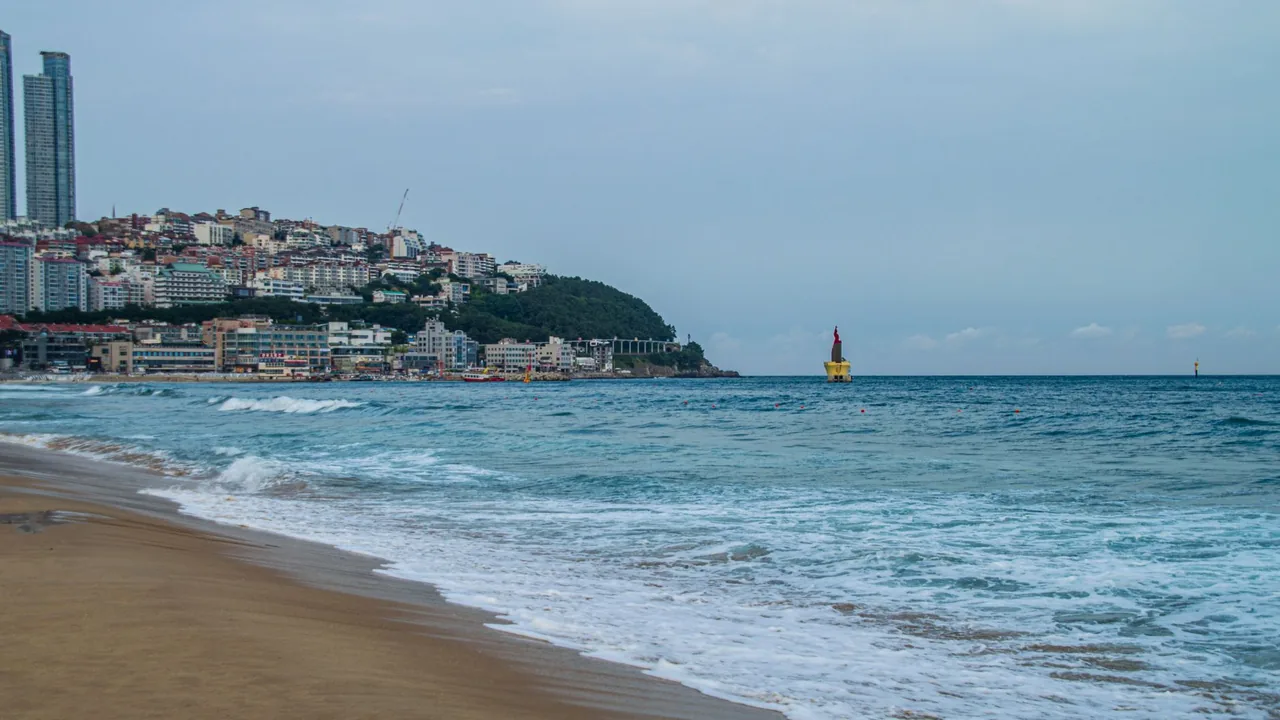
# Busan for Young Travelers 2026: Music, Cafes, Street Culture
Forget what you saw on Instagram three years ago. Busan isn't Haeundae's beach clubs and themed cafes anymore—or rather, that's not where the city's actual creative energy lives. The real busan youth street culture happens in converted warehouse districts, basement music clubs where the sound system matters more than the Instagram angle, and alleyways where artists still tag walls without asking permission first. If you're coming to Busan in 2026 looking for authenticity, you need to know where the money and passion actually flows—and it's not always where the tourist buses go.
Busan After the Influencer Crowd—What Stayed Real
Here's what changed: Instagram tourism peaked around 2022-2023. The cute cafes got renovated into luxury chains. The street art got pressure-washed. But something interesting happened next—young Busan residents stopped trying to perform for the camera and went back to what they actually cared about.
What stayed real are the things that don't photograph well. The live music venues in converted shipping containers. The 24-hour pojangmacha (street food tents) where art students debate politics until 3 AM. The record shops run by people who've been buying vinyl since the '90s. The graffiti culture in industrial zones that local crews actively defend and maintain.
The difference between 2024 and 2026? Young Busan travelers now expect substance. They want to hear music that was recorded last month, not a DJ playing safe remixes. They seek out cafes where the owner roasts their own beans, not franchises with filtered lighting. They photograph street culture, sure, but they're also asking where the actual community gathers—because they know that's where the better photo lives anyway.
This shift means you're arriving at the right time. The overcrowding has thinned. Prices stabilized. And the venues that survived are genuinely good.
5-7 Neighborhoods: Where Young Busan Actually Hangs
Seomyeon is technically Busan's downtown, but young travelers confuse it with old business districts. Wrong. This is where 70% of Busan's live music venues cluster, and the infrastructure hasn't changed because it doesn't need to.
What you'll find: Basement music clubs (15,000–25,000 KRW entry, 8,000 KRW beer), vinyl record shops, ramen joints open until 5 AM. The venues here range from intimate 60-capacity clubs to mid-size halls hosting Korean indie bands before they hit Seoul.
Key venue: Club Myth (클럽 미스) operates from a converted arcade basement. Shows most nights. No dress code. Sound is crisp. 20,000 KRW typical entry, drinks 7,000–9,000 KRW.
Coffee: Café Onion (카페 어니언) is run by a former bassist. Hand-pour V60 only. 6,000 KRW pour-over. Opens 11 AM. Gets packed by noon because word-of-mouth is the only marketing.
Food: Seomyeon Ramen Alley (서면라면골목) near the subway. Pick any stall. 6,000–8,000 KRW. The competition is brutal, so quality stays high.
Why go: This is where young Busan musicians actually perform and practice. It's not a destination neighborhood—it's a working neighborhood that happens to have incredible infrastructure for music.
---
Nampo gets tourist traffic, but the street-level youth culture is still there if you walk three blocks off the main drag.
What you'll find: Tteokbokki vendors competing for quality (5,000 KRW), pojangmacha streets filling up at 11 PM, street artist studios in upper-floor lofts. The famous Busan Street Art Area is here—but skip the organized mural district and find the real crews working Biff Plaza's exterior walls.
Street food cost: 5,000–8,000 KRW per item. A full night eating from tents: 25,000–35,000 KRW.
Coffee: Nampo Coffee Lab (남포커피랩). Specialty roaster. Single-origin beans. 7,000–8,000 KRW espresso drinks. Quiet upstairs workspace.
Etiquette note: Street vendors get irritable if you order and don't eat standing right there. Don't photograph food without asking. Most don't mind, but it's respectful.
Why go: This is where you see busan youth street culture in its most chaotic, real form. No curated experience. Just humans making and eating food, tagging walls, and living.
---
A former warehouse district near the metro. Now semi-officially designated an arts area. This is messy—some studios are thriving artist spaces, others are Instagram café shells. You'll know which is which immediately.
What you'll find: Artist studios (some open to walk-ins, some closed), experimental cafes, occasional weekend markets, graffiti that changes weekly.
Cost: Browsing free. Coffee at artist-run cafes: 6,500–7,500 KRW. Art purchases vary wildly.
Real spots: Look for hand-painted signs instead of professional signage. That's where actual artists work. The renovated storefronts with perfect Instagram angles? Skip them. The ramshackle studio with a hand-written menu? That's where you go.
Why go: You'll see the exact tension between authenticity and tourism. It's uncomfortable. That's the point. This is a working neighborhood still being discovered, so you're watching culture happen live.
---
A narrow shopping street that young Busan people have claimed for vintage fashion, alt clothing, and underground sneaker culture.
What you'll find: Vintage stores (1990s-2000s Korean street fashion), sneaker boutiques, secondhand record shops, small galleries in building basements.
Cost: Vintage tees 12,000–20,000 KRW. Sneakers 80,000–200,000 KRW depending on rarity. Thrift browsing is free.
Essential: Mott Vintage (모트 빈티지)—curated '90s Korean and Japanese fashion. Owner knows every piece's history. No one buying just for photos; everyone here is actually looking.
Why go: Gwangbok-ro is where Busan's subculture aesthetics come from. Skaters, alt musicians, designers—they shop here. You'll see the actual references for the street style you see elsewhere.
---
Small bars, mostly unmarked or hand-signed, clustered in residential zones near Suyeong Station. Young professionals, artists, and creatives drink here because it's cheap and no one cares what you look like.
What you'll find: Craft beer bars (9,000–12,000 KRW per 500mL), soju tents, late-night izakayas. Most places don't have English menus or signs. That's the whole point.
Entry: No cover charge typically. Order one drink, stay three hours if you want.
Language: Learn these phrases: "뭐 추천해요?" (What do you recommend?), "한 잔 더" (One more glass). Bartenders here respect the effort.
Why go: This is where young Busan people actually socialize. No performances. No curated experiences. Genuine human interaction happens in these rooms.
---
University neighborhoods are always reliable for cheap, real food and young crowds. Kyungsung's area is no exception—and it's less touristy than Seoul equivalents.
What you'll find: Cafes everywhere (5,000–6,500 KRW coffee), cheap restaurants (8,000–12,000 KRW meals), studio rooms for music practice that rent hourly.
Essential: Practice room studios (연습실) rent 10,000–15,000 KRW per hour. If you're a musician, this is where local bands rehearse. You might hear someone working on next month's album.
Why go: Pure young energy. Students everywhere, no tourists. Prices are lowest here because competition is merciless. Casual, pressure-free vibe.
---
The beach itself is fine. Better: the actual industrial warehouses, art projects, and street culture in the surrounding area. Young Busan artists have claimed this zone because rent is still cheap.
What you'll find: Graffiti workshops, DIY galleries, skate parks, warehouse parties (rare, seasonal), beach raves on summer weekends (if you know who to ask).
Cost: Most activities free or 5,000–10,000 KRW.
Real talk: This area is still developing. You might show up and find a closed gallery, or stumble into an underground art festival. That's the appeal—it's not settled yet.
Why go: This is where Busan youth street culture pushes boundaries. Legal gray zones, experimental projects, actual risk-taking happens here.
---
8 Practical Tips for Moving Through Busan Youth Culture
- Download Naver Map and Kakao Map. Google Maps has gaps in Busan. Both apps show subway times, restaurant info in Korean, and user reviews that are actually honest. Set one as your default.
- Speak Korean minimally but directly. "안녕하세요" goes a long way. "감사합니다" (thank you) is non-negotiable. Don't apologize for not speaking Korean fluently—just try. People here respect the effort.
- Use contactless payment exclusively. Toss or Kakao Pay. Carry 20,000 KRW cash maximum. Most places under 10,000 KRW don't accept foreign cards. Young venues prefer digital.
- Venues close early on weekdays (midnight–1 AM), late on weekends (4–5 AM). Plan accordingly. Nothing happens between 3–6 PM. Most young people work or study then.
- Subway cards are your identity. Buy a Beesncard at any GS25 convenience store. 2,500 KRW. Load cash onto it. Every subway entry, you're recognized as a regular, not a tourist. Real Busan youth use these.
- Photography etiquette is strict now. Don't photograph people without asking. Don't photograph street art in progress (artists might be working permit-gray projects). Don't photograph food vendor stalls close-up without permission. One warning, and word spreads fast in small communities.
- Festival season is summer (June–August) and autumn (September–October). Music festivals, street art events, indie markets happen then. Book venues weeks ahead. Instagram event pages are your best source—search "부산 페스티벌" (Busan festival).
- Hagwon (study rooms) culture exists. If you want to meet young Busan people in neutral spaces, practice rooms and study cafes are actually good. You're not intruding—that's the purpose.
- Tips are not expected and often refused. Service charge isn't added. Don't tip at bars or cafes. It creates awkwardness. Round up if you want to be generous; anything more feels patronizing.
- Respect the graffiti hierarchy. There's legal art, tolerated art, and serious crew territory. You can look and photograph. Don't tag anything. Don't remove anything. If crew members are present, introduce yourself respectfully.
---
FAQ: Busan Youth Culture in 2026
No. Budget 40,000–60,000 KRW daily for food, coffee, and one venue entry. Accommodation is your major cost (30,000–80,000 KRW for budget hostels). The actual cultural experience is cheap. A night out with food, drinks, and live music: 35,000–50,000 KRW. Compare that to Seoul.
May–June and September–October. Summer is hot and humid; venues get packed with tourists. Winter is quiet but moody—good for introspective jazz clubs. Spring and autumn have the most street festivals and outdoor markets. Book music venues two weeks ahead in peak season.
Not strictly, but 20–30 words helps massively. Learn subway station names, "감사합니다" (thank you), "뭐 추천?" (what do you recommend), and "안녕" (hello/goodbye). Younger venue staff might speak English. Older shop owners won't. Written Korean is less important than showing respect through effort.
Ask at record shops or coffee bars in Seomyeon. Find venues' Instagram pages (search band names + "공연" meaning performance). Join Busan expat Facebook groups—people post event info constantly. Word-of-mouth is your best source. Showing up to one venue connects you to the network.
Generally yes, but use common sense. Dadaepo and outer industrial zones are safe but poorly lit. Don't walk alone at 2–4 AM in empty areas. Seomyeon, Nampo, and Gwangbok-ro have foot traffic until late. Young Busan people walk freely at night; your risk is low if you stay in populated areas and keep valuables secure.
Don't critique Korean culture, even casually. Don't photograph police or military (they exist in Busan due to proximity to North Korea). Don't haggle prices except at street markets (and even then, minimally). Don't expect vegetarian/vegan options readily available. Don't assume English will work—learn to use Korean apps. Don't post about illegal art or parties on public social media.
---
The Difference Between Visiting and Understanding
You can spend two weeks in Busan and see the neighborhoods, drink the coffee, attend the shows. Or you can spend five days, go to one venue three nights in a row, order in Korean, ask questions, and actually enter the community.
Busan youth street culture isn't a thing you consume. It's a thing you participate in. The difference between a tourist and a traveler here is whether you're an audience member or a participant. Audiences photograph. Participants linger, ask questions, show up the next week.
The venues, cafes, and streets we've mentioned—they'll still be here in a month. The people running them will remember your face if you come back. That's the real Busan. Not the photo. The return.
Ready to Go Deeper?
Ask the KORLENS AI chat for Busan music and cafe suggestions based on your interests. It is an AI assistant that replies in seconds, not a human team, and it works from Korea Tourism Organization open data. Also visiting Seoul? Seoul Local Picks covers Seoul only.
The scene is always moving. Stay connected.
Next Step
About this guide
KORLENS is run by one person (KunStudio, a solo studio in Korea), not an editorial team. Guides are AI drafts based on public sources; some use Korea Tourism Organization TourAPI open data. KORLENS does not claim on-site visits or scheduled re-checks, so confirm hours, prices and closures with the venue before you go. Page last edited: 2026-05-26.
Plan your Korea trip with the KORLENS AI chat
Got a follow-up question after reading this? Ask the KORLENS AI chat in plain English. It is an AI assistant, not a person, and it replies in seconds with places from Korea Tourism Organization open data.
Ask the KORLENS AI chatCurious about Korean Saju? Try sajuapp.app
1,000-year-old Korean astrology, decoded by AI — available in 9 languages.
Is it worth visiting, the best time to go, crowds and real cost.
Best time to visit Busan, month by month →Busan for Foreigners 2026: Eat, Drink, Stay
Busan's foreign-friendly neighborhoods offer English signage, international restaurants and expat communities. Where to eat, drink and stay, area by area.
Busan Walking and Outdoor Courses Worth Doing (2026)
Skip the tourist traps. These Busan walking trails and outdoor courses offer real local flavor, sea views, and mountain hikes—with exact prices and insider timi