Jeju 3-Day Itinerary for First-Time Visitors (2026)
Skip the tourist traps. This Jeju itinerary takes you from the skyline city center to hidden neighborhoods, local markets, and volcanic landscapes—no filter req
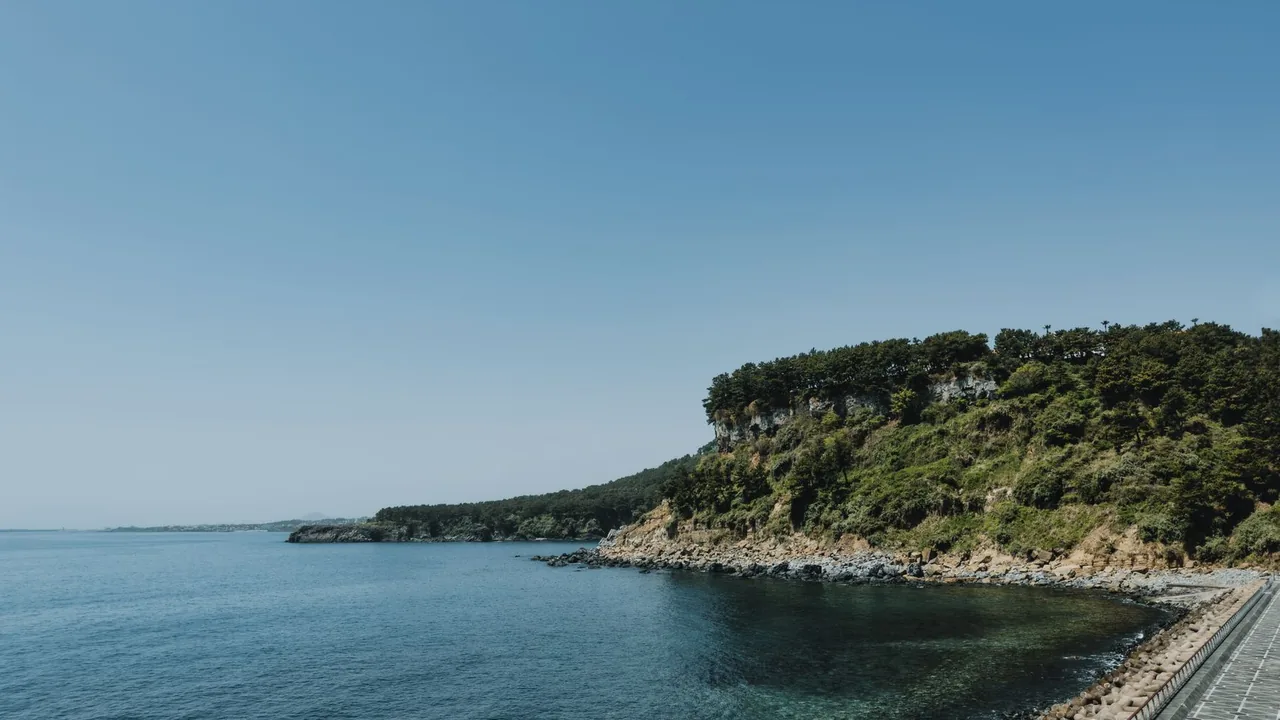
# Jeju 3-Day Itinerary for First-Time Visitors (2026)
Here's what nobody tells you about Jeju: the best experiences aren't at the crowded theme parks or the Instagram-famous cafés plastered across Korean travel blogs. Instead, they're in the neighborhoods where locals actually live, the raw volcanic landscapes that haven't been gentrified into oblivion, and the markets where you can eat fresh seafood for less than a coffee costs downtown. If you're landing in Jeju for the first time, you've got exactly 72 hours to either follow the herd or do this right. This itinerary skips the tourist theater and gives you the real island—neighborhoods, local life, and yes, the Jeju skyline city center views that matter.
Day 1: Jeju City Center & Harubang Soul
Start your Jeju story where most locals still do. Head to Jeju Skyline City Center (제주 스카이라인 시티 센터) to get oriented. The observation deck isn't as high as Seoul's, but the 360-degree view gives you a geographic snap of the island—mountains to the north, sea in every direction, and the sprawl of Jeju City below. Go early (8:00 AM) to avoid tour groups. Entry is 10,000 KRW; spend 45 minutes here.
From there, walk 15 minutes downhill to Dongmun Market (동문시장), a 70-year-old marketplace that still smells like working Jeju. Don't buy trinkets. Instead, grab fresh-pressed tangerine juice (2,500 KRW) and sit at the fishcake stall near the back entrance. Order odeng (fish cakes) on a skewer for 3,000 KRW. This is breakfast the way locals eat it.
Head to Gujwa (구좌), a quiet neighborhood on the northeast coast where fishing boats outnumber cars. This is the Jeju that hasn't made it onto tourism boards yet. Walk along the fishing village, peek into small restaurants, and hit Gimnyeong Beach (김녕 해수욕장) if the weather cooperates. The water is colder than you expect, but the black sand is unmistakable—volcanic basalt.
Grab lunch at any ajumma-run kalguksu (knife-cut noodle soup) restaurant here. You'll pay 6,000–8,000 KRW and eat better than at any tourist-branded establishment. Ask for a table by the window if possible.
Return to Jeju City center and walk the Harubang Stone Statue Trail (하르방 거리). Harubang statues—those grinning granite guardians—are literally everywhere in Jeju, and the city center has thoughtfully preserved them. This is a free walk. Stop at Café D.O (10,000 KRW for a cappuccino) and watch the sunset from the balcony overlooking Jeju harbor. Dinner at Black Pork Street (흑돼지 거리) costs 15,000–20,000 KRW per person for grilled pork and soju. Go to any stall; they're all legitimate.
---
Day 2: Volcanic Heart & Mountain Villages
Almost everyone hikes Hallasan (한라산), Jeju's 1,947-meter volcanic centerpiece. The reality: if you're fit, do it. If you're not, skip the summit and hike Seongpanak Trail (성판악 탐방로) instead—a 4-hour round trip to the crater rim with no summit push required.
Start at 7:00 AM. Parking is 2,500 KRW. Trail entry is free. Bring water (3 liters minimum) and snacks. You'll spend 4–5 hours here. The views at the crater lake alone justify the climb.
Alternatively, if hiking isn't your thing, visit Hallasan National Park's Visitor Center and walk the 30-minute loop trail near the base—10,000 KRW entry, peaceful, and you still get volcanic geology without the sweat.
After Hallasan, drive to Sangumburi (상군부리), a 5,000-year-old tuff cone crater that's uniquely preserved. Entry is 5,000 KRW. Walk the 20-minute crater loop. It's quiet, otherworldly, and free of the tour-bus crowds that swarm Hallasan.
Nearby, Jeju Haenyeo Museum (제주 해녀 박물관, entry 8,000 KRW) tells the real story of Jeju's female free-divers—a matriarchal tradition that Western media has sanitized into irrelevance. Spend an hour here. It matters.
Drive back to Gujwa for dinner. Visit Seongeup Folk Village (성읍 민속마을) on the way—it's a preserved traditional Korean village that doesn't feel like a museum. Entry is 5,000 KRW. Walk the stone-walled lanes, peek into hanok houses, and grab yakgwa (fried honey pastries) from a local vendor (3,000 KRW). Eat dinner at a local jjim restaurant (braised dish house). Expect to pay 10,000–12,000 KRW for abalone or black pork jjim with rice and side dishes.
---
Day 3: Coastal Routes & Sunset Neighborhoods
Jeju's Olle Trail (올레길) is a 426-km walking path that circles the island. You don't need to do the whole thing. Pick Olle Trail 7 (제주올레 7코스), a 16-km coastal walk from Gujwa to Pyeongdae. Alternatively, do Olle Trail 14 (7 km, more manageable)—it's gentler and passes fishing villages where you'll see real life, not tourism.
Park your rental car, walk 2–3 hours, and grab lunch at a naejil (local restaurant) near the endpoint. Order jjim (steamed seafood) or hoe (raw fish)—these cost 12,000–15,000 KRW. This is where your Instagram-worthy moment happens naturally, not by design.
Head west to Hyeopjae Beach (협재 해수욕장) in Gujwa. It's technically touristy, but early afternoon means fewer crowds. The sand is fine and white. Rent a sunbed for 5,000 KRW and swim for an hour. The water here is warmer than the east coast.
Skip the beach restaurants. Instead, drive inland to Gujwa's Back Roads and find a hole-in-the-wall sikdang (casual eatery) for jjim or boiled seafood. Budget 8,000–10,000 KRW.
If you haven't been to Seongeup yet, fit in a 1-hour visit. Otherwise, drive to Jeju City and spend the late afternoon in the Sino-Japanese Style Architecture District near Jeju Port. This is where you see how Jeju's modern history differs from mainland Korea—colonial-era facades, narrow alleys, and small galleries.
End your 3 days at Jeju Traditional Market Night Street (제주 전통시장 야시장) if it's operating (seasonal, usually spring–autumn). Otherwise, return to Dongmun Market and eat fresh at the stalls. Try nakji-bokkeum (stir-fried octopus, 12,000 KRW) or live abalone jjim (20,000 KRW). Drink omegi-tteok (barley tea) for free at any stall.
End with soju and local black pork at your original Black Pork Street spot. You've earned it.
---
Key Neighborhoods & Spots with Prices
| Neighborhood | What to Do | Budget | Why Go | |---|---|---|---| | Gujwa | Fish markets, coastal walks, village restaurants | 6,000–12,000 KRW meals | Authentic fishing village life | | Jeju City Center | Skyline viewing, Dongmun Market, harubang walks | 10,000 KRW (tower), 3,000–8,000 KRW (market) | Local hub, affordable dining | | Seongeup Folk Village | Heritage walk, hanok houses, yakgwa tasting | 5,000 KRW entry, 3,000 KRW treats | Preserved traditional Korea | | Hallasan National Park | Hiking, crater lake, volcanic geology | Free–10,000 KRW entry | Core Jeju identity | | Sangumburi | Crater walk, geology, quiet reflection | 5,000 KRW entry | Unique volcanic landscape | | Olle Trail | Coastal walking, village discovery, authentic dining | Free (walking), 8,000–15,000 KRW meals | Real Jeju neighborhoods | | Hyeopjae Beach | Swimming, beach time, sea views | 5,000 KRW (sunbed), 10,000 KRW (casual food) | Warmer water, less crowded midday |
---
10 Practical Tips Every First-Time Visitor Needs
- Rent a car. Public transport exists, but it's slow. Get a rental from Jeju Airport (35,000–50,000 KRW/day). You'll need it for Day 2–3.
- Download Naver Map or Kakao Map. Google Maps is incomplete on Jeju. Use these apps for navigation, restaurant reviews, and real-time public transport info.
- Bring cash. Rural restaurants and markets don't always accept cards. ATMs are everywhere in Jeju City but less common in villages. Budget 300,000–400,000 KRW for 3 days if you eat conservatively.
- Weather changes fast. Pack layers. Jeju's weather flips from sunny to rainy in 30 minutes. A light rain jacket is non-negotiable.
- Eat where ajummas are eating. If a restaurant's clientele is all local grandmothers, it's legitimate. Tourist spots have English menus; skip them.
- Sunrise > Sunset. Wake up at 5:30 AM for Hallasan or coastal hikes. The crowds don't arrive until 9:00 AM. Golden hour light is best before 7:00 AM on Jeju.
- Don't skip off-season. May and September are perfect (warm, fewer tourists). July–August are swamped and hot. Winter is surprisingly beautiful but cold.
- Black pork is real. Jeju's black pig breed produces sweeter, more tender meat than mainland pork. Eat it at least once. It's worth the 15,000–20,000 KRW.
- Respect haenyeo (female divers). If you see them in the water, don't photograph without permission. They're working, not performing.
- English is limited outside Jeju City. Learn basic phrases: "얼마예요?" (How much?), "감사합니다" (Thank you), and "주문 하겠습니다" (I'll order this). Politeness gets you far.
---
FAQ
Budget 1,000,000–1,500,000 KRW ($750–$1,100 USD). Breakdown: car rental (150,000 KRW), accommodation (300,000–500,000 KRW for budget guesthouses), food (400,000–600,000 KRW at local prices), attractions and entry fees (50,000–100,000 KRW). Flying in/out is separate. Stay in guesthouses or boutique hotels in Jeju City—they're cheaper and more central than beach resorts.
Stay in Jeju City for all 3 nights. It's central, has the most restaurants and convenience stores, and you can day-trip to every corner of the island in under 90 minutes. Renting a car means you don't need beach accommodations. This saves money and gives you flexibility.
No. Hallasan is iconic but not mandatory. If you're not a hiker, spend Day 2 visiting smaller craters (Sangumburi), the Haenyeo Museum, folk villages, and coastal walks. You'll see the same volcanic geology and experience more local life without the 5-hour slog.
Yes, but barely. Compress Day 1–2 into one full day: Jeju City + Hallasan/Sangumburi. Then do Day 3 as written. You'll skip neighborhoods like Gujwa and move too fast. Three days is minimum for a real experience; four is ideal.
May and September. Weather is stable, temperatures are 18–23°C, and you avoid summer crowds and winter cold. March–April and October–November work too. Avoid July–August (humid, packed, 30°C+) and December–February (cold, windy, some trails closed).
Rent a car. Tours lock you into fixed schedules and tourist-zoned restaurants. A car gives you the freedom to eat at locals' spots, sit quietly at volcanic sites, and skip overcrowded attractions. International Driver's Permit (IDP) is technically required; bring it just in case.
---
Final Thoughts
Jeju isn't Jeju City or Jeju's Instagram skyline. It's the smell of black pork grilling at a street stall, the sound of waves on volcanic sand, the sight of haenyeo emerging from the ocean in their bright red suits, and the quiet of a village where your rental car is one of five vehicles on the main road. This itinerary takes you there—not through tourism's front door, but through the neighborhoods and rhythms where Jeju actually lives.
Three days isn't much, but if you skip the theme parks and crowded observation decks, you'll leave Jeju with real memories instead of checked boxes. That's the difference between visiting an island and understanding it.
---
Ask the KORLENS AI chat for Jeju place suggestions for a first visit based on your interests. It is an AI assistant that replies in seconds, not a human team, and it works from Korea Tourism Organization open data. Also visiting Seoul? Seoul Local Picks covers Seoul only.
Next Step
About this guide
KORLENS is run by one person (KunStudio, a solo studio in Korea), not an editorial team. Guides are AI drafts based on public sources; some use Korea Tourism Organization TourAPI open data. KORLENS does not claim on-site visits or scheduled re-checks, so confirm hours, prices and closures with the venue before you go. Page last edited: 2026-05-26.
Plan your Korea trip with the KORLENS AI chat
Got a follow-up question after reading this? Ask the KORLENS AI chat in plain English. It is an AI assistant, not a person, and it replies in seconds with places from Korea Tourism Organization open data.
Ask the KORLENS AI chatCurious about Korean Saju? Try sajuapp.app
1,000-year-old Korean astrology, decoded by AI — available in 9 languages.
Is it worth visiting, the best time to go, crowds and real cost.
Best time to visit Jeju, month by month →Jeju's Hidden Coffee Shops Locals Love (2026 Guide for Foreigners)
Skip the tourist traps. Discover where Jeju locals actually drink coffee—underground roasteries, cliff-side minimalist cafes, and converted hanok houses with be
Busan Night Markets and Late-Night Eats (2026 Guide)
Skip the tourist traps. Here's where locals actually eat after midnight in Busan—street stalls, pojangmacha clusters, and underground markets that'll change how