Jeju Cherry Blossom 2026: Best Spots and Exact Timing
Skip Seoul crowds. Jeju's cherry blossoms peak 1-2 weeks earlier with better weather and half the tourists. Here's exactly where to go and when.
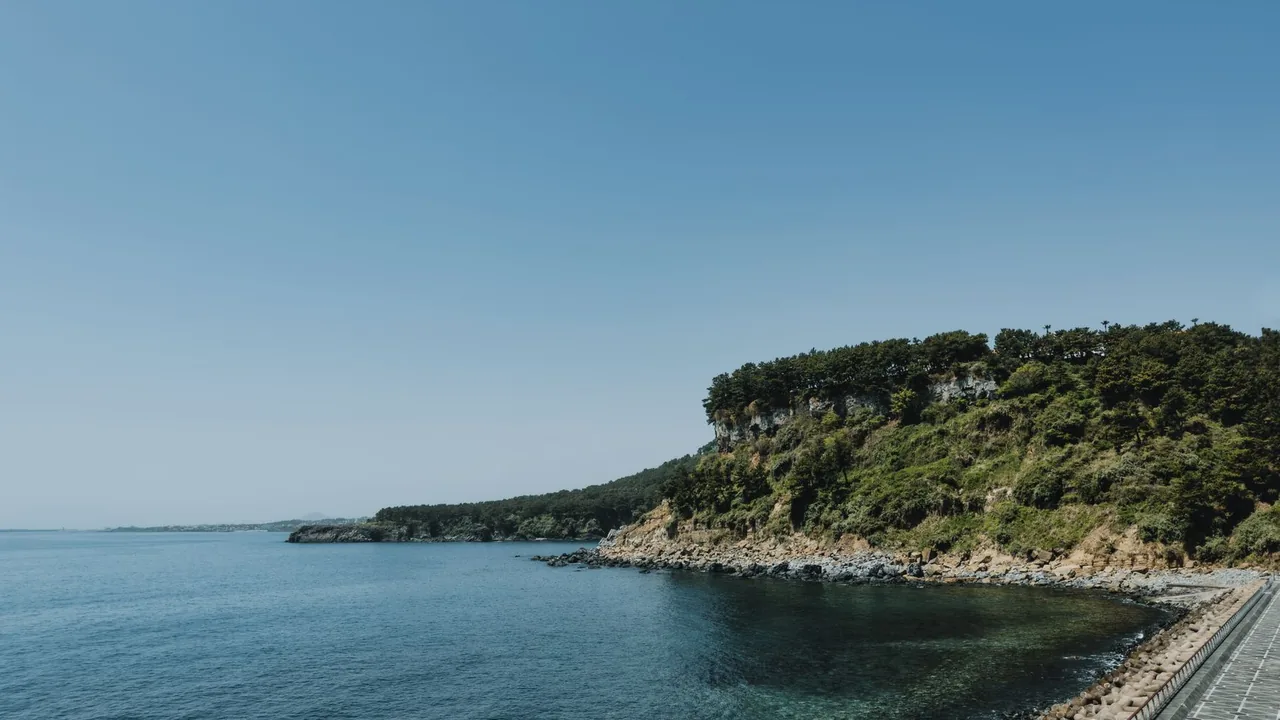
The 2026 cherry blossom season has ended. Unverified 2026 bloom dates were removed from this guide; the one confirmed date is Jeju's official first bloom on March 28, 2026, announced by the Jeju Regional Meteorological Administration. The 2027 forecast is here: Korea Cherry Blossom Forecast 2027.
# Jeju Cherry Blossom 2026: Best Spots and Exact Timing
Forget everything you know about Korean cherry blossoms. While Seoul's crowds explode in late March, Jeju's blooms hit their stride 7-10 days earlier—and they last longer, with fewer tour buses. The island's temperate subtropical climate means your cherry blossom timing here matters more than anywhere else in Korea, and if you get it right, you'll actually see the flowers instead of the backs of 50,000 other people's heads.
Here's what the locals know: Jeju's cherry blossom season doesn't follow Seoul's rules. The island's warmer winters and coastal influence bring the bloom earlier than on the mainland. You'll also encounter better weather—less rain, more consistent temperatures—and trail access that doesn't require elbowing through packed temple grounds.
How Jeju's Cherry Blossom Timing Differs from Seoul
Jeju peaks 7-10 days earlier than Seoul in a typical year. The Jeju Regional Meteorological Administration recorded the official 2026 first bloom on March 28, two days later than in 2025. The island sits at a lower latitude and receives warmer ocean currents that accelerate bud development compared to Seoul's colder inland climate.
Most critically: Jeju's blooms last longer. While Seoul's flowers drop within 5-7 days once peak hits, island conditions—cooler nights, moderate humidity, less wind—extend Jeju's window to 10-12 days. This matters if you're flexible on dates.
Season length also differs. In Seoul, you're chasing a 3-week window before everything falls. In Jeju, early varieties (wild cherries, Yoshino) bloom from early March, while late varieties (double-petaled Somei Yoshino) stretch into late March and even early April. You can pick your timing based on flower type.
Weather patterns work in your favor. Seoul's spring brings unpredictable rain (average 40-50mm in March); Jeju averages 35-40mm and often concentrates rain into 1-2 days rather than scattered showers. Temperature swings are gentler—fewer freezing nights that kill open blossoms.
5 Prime Cherry Blossom Spots in Jeju
This is Jeju locals' favorite for a reason: a 6km tree-lined route through rural farmland with minimal crowds. Over 3,500 cherry trees line the road between Gujwa Town Hall and the coast. You get unobstructed views, sky-high light quality for photography, and an actual sense of solitude.
What you pay:
- Entry: Free (it's a public road)
- Street food stalls: 6,000-8,000 KRW (tteokbokki, hotteok)
- Parking: Free at Gujwa Town Hall lot
- Café stops nearby: 4,000-6,500 KRW (coffee, pastries)
Practical note: Go early (6-7am) for light crowds and morning photography. The road becomes congested after 10am during peak days. A car or scooter rental (45,000-60,000 KRW/day) makes this worthwhile since the road stretches 6km—walking takes 90 minutes one-way.
The town center itself hosts 2,000+ flowering cherry trees, particularly dense around the Seogwipo Civic Center and old downtown streets. This is also where you blend flower-viewing with actual city exploration—cafés, restaurants, galleries all open during bloom.
What you pay:
- Street access: Free
- Parking (2-3 hours): 2,000-3,000 KRW
- Breakfast/café: 5,000-8,000 KRW
- Lunch (local restaurants): 8,000-15,000 KRW
Real advantage: You're not traveling specifically to see flowers; you're in a functional city that happens to be spectacular in March. The harbor area near Seogwipo Port has excellent late-afternoon light and traditional Korean buildings framed by blooms.
This is the touristy option, but done right. Hallim Park is a massive landscaped garden (9 hectares) with dedicated cherry orchards, greenhouses, and walking paths. You'll see crowds here, but they're contained within park boundaries—you won't feel like you're drowning in people.
What you pay:
- Admission: 10,000 KRW (adult)
- Parking: Included
- Cafeteria (inside park): 6,000-12,000 KRW
- Gift shop: Average 8,000-20,000 KRW for locally made items
Worth it if: You want curated, photo-perfect views, you're traveling with elderly family members or young kids (paved paths, facilities), or you're only in Jeju for 1-2 days and need concentrated viewing. Not worth it if: You want authentic, crowd-free cherry blossom experience.
Beyond the main festival road, Gujwa's surrounding villages have unmarked cherry tree clusters—old farmhouses with massive century-old trees, quiet village roads, minimal signage. This requires local knowledge or a scooter, but you'll see cherry blossoms the way Jeju residents experience them.
What you pay:
- Scooter rental: 45,000-55,000 KRW/day
- Fuel: ~8,000 KRW
- Street snacks (village stores): 2,000-5,000 KRW
Insider move: Stop in Gujwa town, grab coffee from a local café (4,500 KRW), ask the owner which farmhouse routes are currently blooming. Most will point you toward private family properties—always ask permission before photographing, but most owners welcome respectful visitors and sometimes offer you tea.
University campuses across Korea hide some of the best cherry blossom spots because tourists don't think to look there. Jeju National University has 800+ cherry trees planted across campus, shaded walkways, and student cafés. You get a genuine local vibe—actual students studying, professors walking, normal campus life happening alongside seasonal beauty.
What you pay:
- Campus access: Free
- Parking: 2,000 KRW (all-day lot)
- Student cafeteria (open to visitors): 4,500-8,000 KRW for meals
- Campus café chain: 4,000-5,500 KRW
Best time to visit: Weekday mornings (8-10am) when campus is quieter. Weekends bring family groups, so you trade solitude for atmosphere.
This UNESCO-adjacent village preserves traditional Jeju architecture and is ringed with cherry trees that bloom among stone walls and thatched-roof houses. It's equal parts cherry viewing and cultural experience—you're walking through living history with flowers as the bonus.
What you pay:
- Entry: Free (it's a functioning village)
- Folk village museum (optional): 3,000-5,000 KRW
- Traditional restaurants: 8,000-18,000 KRW
- Local café: 4,000-6,000 KRW
Etiquette and Practical Tips for Jeju Cherry Blossom Season
- Go early in the morning (before 8am). This single choice changes your entire experience. You'll have light, minimal crowds, better air quality, and that hushed feeling that cherry blossoms deserve. The trade-off: you need to stay overnight or wake at 5am.
- Check the official Jeju cherry blossom forecast weekly. The Jeju Tourism Organization updates bloom status every 3-5 days starting March 1st. Weather conditions shift fast—a warm day can accelerate bloom by 2-3 days; rain can delay it. Bookmark: jejutour.go.kr/cherry
- Don't photograph people without asking. Jeju's rural blooming areas attract Instagram photographers. Be respectful of families and locals who come for quiet viewing, not content creation. If you want someone in your shot, ask first.
- Stay on marked paths and respect private property. Those farmhouses with ancient cherry trees? They belong to families. Don't climb walls, trespass into yards, or treat someone's home as a scenic backdrop without permission.
- Bring a light jacket. Mornings in mid-March average 5-8°C; by midday it might hit 12-15°C. You'll be removing layers, not staying warm in one coat. Bring something packable.
- Use a car or scooter for route flexibility. Public buses in Gujwa and surrounding areas run infrequently (often 1 bus per hour). A rental car (70,000-90,000 KRW/day) or scooter (45,000-55,000 KRW/day) lets you chase specific blooming locations and stop spontaneously.
- Eat where locals eat. During cherry blossom season, small roadside restaurants near blooming spots get swamped. Skip festival food tents (marked-up prices, lower quality) and head to established restaurants in Gujwa town or Seogwipo proper. You'll spend less and eat better.
- Don't expect perfect blooms after rain. Jeju's subtropical location means occasional heavy rain during March. After rain, blooms drop rapidly. If rain is forecast, go the day before or wait 3-4 days for next-generation blooms to open.
- Respect quiet hours in rural areas. Early morning in villages means people are working. Keep music off, don't shout, treat the space as a shared resource, not your private photo location.
- Plan for variable conditions. Unlike Seoul, where cherry blossom timing is predictable, Jeju's subtropical microclimate creates pockets of early and late blooms. If one area is past peak, another 15km away might be perfect. Flexibility beats rigid itineraries.
Frequently Asked Questions
A: The 2026 season is over, and this guide does not give an observed 2026 peak week for Jeju; the official first bloom was recorded on March 28, 2026. Different varieties bloom at different times, so check the weather forecast 7-10 days out and monitor jeju.go.kr/cherry starting March 10th.
A: Central Jeju City (around downtown) offers the best infrastructure and restaurant options. Seogwipo works if you're combining cherry blossoms with beach/waterfall exploration. Gujwa is tiny and fills up quickly during bloom—if you want Gujwa's festival road, book accommodations there 3+ weeks ahead or stay in Seogwipo (30 min drive) and visit Gujwa for sunrise. Budget: Gujwa guesthouses (50,000-80,000 KRW), Seogwipo hotels (100,000-180,000 KRW), Jeju City (80,000-150,000 KRW).
A: Absolutely. Cherry viewing takes 2-4 hours depending on locations. That leaves 4-6 hours for other activities. Combine Gujwa blooms (early morning) with Seongeup village (late morning), then head to Haenyeo performances or Teddy Bear Museum (afternoon). The key: book accommodations centrally and plan routes geographically to minimize drive time.
A: Yoshino cherry (most common in Jeju parks/roads) has pale pink/white petals, blooms mid-March, and lasts 7-10 days. Wild cherry (in rural areas/mountains) has smaller flowers, deeper pink, blooms slightly earlier (March 12-20). Double-petaled varieties are heavier, bloom late (March 22-April 2), and last longer because petal density slows drop. For maximum viewing options, visit 2-3 different areas at 3-5 day intervals.
A: Don't panic. Second-generation blooms emerge 5-7 days after first-bloom peak. Higher elevation areas (central Jeju plateaus around Hallasan foothills) bloom 3-5 days later than coastal areas. Late-variety trees extend the season to early April. If March 25+ blooms are mostly gone in Gujwa, head to mountain-adjacent areas (near Sangumburi Crater or higher elevation farmland) where blooms persist.
A: If you're comparing pure cherry blossom experience: yes, Jeju is worth it. You get earlier timing, longer bloom windows, fewer crowds, and better weather. Flights from Seoul to Jeju (1 hour, 40,000-60,000 KRW round-trip) + extra nights aren't cheap, but you're trading money for actual solitude and better photography. If you're already in Seoul and only have 1 day: skip it. If you have 3+ days and value experience over convenience, Jeju is absolutely worth the trip.
Your Jeju Cherry Blossom Checklist
You now have timing, exact locations, and insider pricing. The only move left is booking. Start with accommodations (Gujwa fills fastest, central Jeju most flexible) and a car/scooter rental. Download the Jeju tourism app, set weekly reminder alerts starting March 1st, and plan your route based on real-time bloom reports—not this article, which is your baseline, not your final answer.
Cherry blossom season is short. Get it right, and you'll see why locals guard Jeju's spring as something separate from Seoul's crowded spectacle.
Ask the KORLENS AI chat for Jeju spring blossom spot suggestions based on your interests. It is an AI assistant that replies in seconds, not a human team, and it works from Korea Tourism Organization open data. Also visiting Seoul? Seoul Local Picks covers Seoul only.
Happy blooming.
Next Step
About this guide
KORLENS is run by one person (KunStudio, a solo studio in Korea), not an editorial team. Guides are AI drafts based on public sources; some use Korea Tourism Organization TourAPI open data. KORLENS does not claim on-site visits or scheduled re-checks, so confirm hours, prices and closures with the venue before you go. Page last edited: 2026-10-04.
Plan your Korea trip with the KORLENS AI chat
Got a follow-up question after reading this? Ask the KORLENS AI chat in plain English. It is an AI assistant, not a person, and it replies in seconds with places from Korea Tourism Organization open data.
Ask the KORLENS AI chatCurious about Korean Saju? Try sajuapp.app
1,000-year-old Korean astrology, decoded by AI — available in 9 languages.
Is it worth visiting, the best time to go, crowds and real cost.
Best time to visit Jeju, month by month →7 Best Day Trips from Jeju (2-Hour Radius, 2026)
Skip the crowded Jeju City beaches. These 7 countryside day trips within 2 hours reveal the island's real rhythm—volcanic villages, tea plantations, and coastal
Jeju 3-Day Itinerary for First-Time Visitors (2026)
Skip the tourist traps. This Jeju itinerary takes you from the skyline city center to hidden neighborhoods, local markets, and volcanic landscapes—no filter req