Gyeongju Cultural Landmarks in Half a Day (2026 Local Guide)
Skip the tourist grind. Hit Gyeongju's best heritage sites in 4 hours with insider two-stop combos, real prices, and what locals actually do.
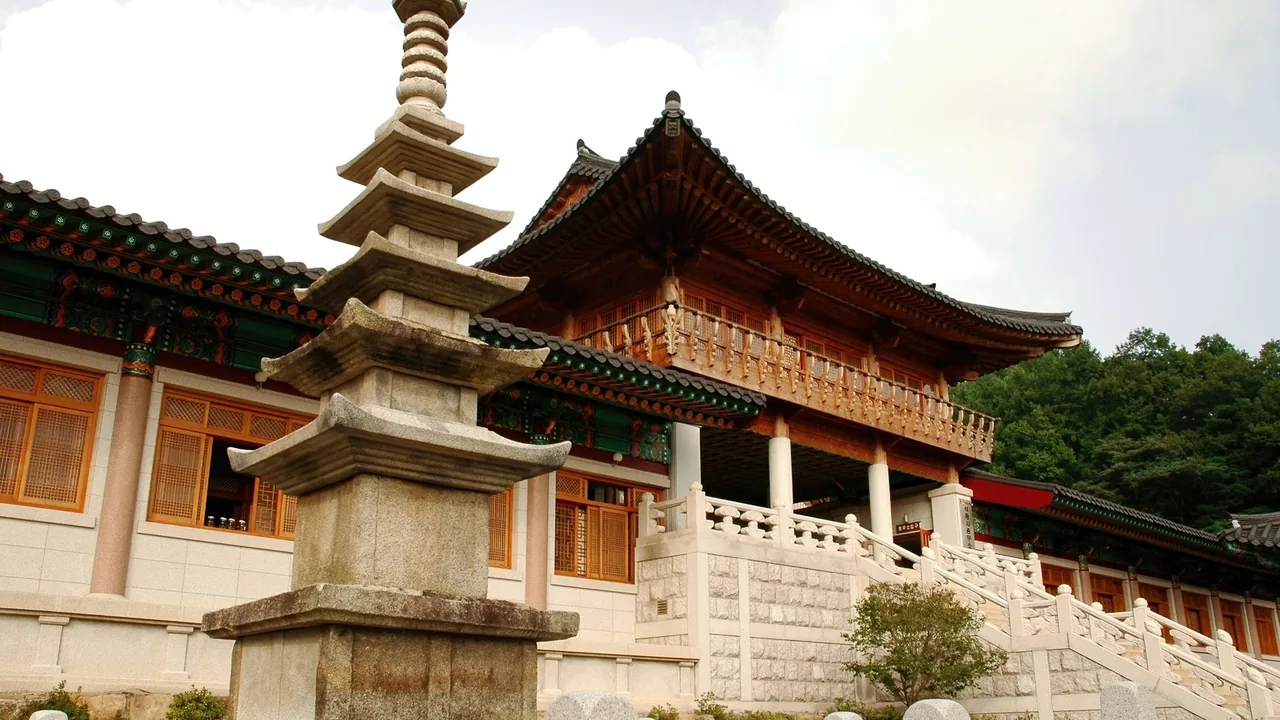
Opening: Why Most Travelers Miss Gyeongju's Real Magic
Here's what you won't find in standard guidebooks: Gyeongju isn't a single must-see destination—it's actually a sprawling open-air museum. Most visitors spend 8–10 hours scrambling between temples and tombs, frustrated by bus schedules and forgetting why they came. The insider move? Stop treating Gyeongju like a checklist. Instead, pick two complementary landmarks, anchor your morning and afternoon, and move intentionally. You'll see more, understand deeper, and actually remember what you witnessed.
---
Two-Stop Combos That Beat Single-Landmark Tourism
Why together? Bulguksa Temple (built 774 CE) and its sister site Seokguram sit 3km apart on the same mountainside. You experience both the built temple and the carved grotto in one coherent story of Unified Silla's Buddhist ambition. Most tourists do Bulguksa alone; you'll have Seokguram nearly to yourself if you arrive by 8:30 a.m.
Flow: Start at Bulguksa base (7:30 a.m. opening), spend 90 minutes exploring the two stone pagodas and wooden halls, then take the uphill shuttle bus (or 20-minute hike) to Seokguram. The 45-minute visit to the grotto, with its 3.7-meter Buddha carved into stone, hits differently after walking Bulguksa's earthly gardens.
Why together? Anapji (built 674 CE) was the royal leisure garden of Silla kings. Cheomseongdae, a 10-minute walk away, is the world's oldest existing astronomical observatory. Together, they tell you how Silla royalty balanced pleasure and knowledge—one image, two chapters.
Flow: Lunch in downtown Gyeongju (see neighborhood recs below), then visit Anapji Pond from 2–3 p.m. when light hits the reconstructed palace walls. End at Cheomseongdae (admission until 6 p.m.) for a quieter, golden-hour moment overlooking the city.
---
5–7 Specific Spots with Real Prices (2026)
Location: Bulguk-ro 385, Gyeongju | 불국사 Admission: ₩12,000 (adults); ₩9,000 (teens); children under 7 free Opening hours: 07:00–18:00 (year-round) Insider note: Arrive by 7:45 a.m. to beat tour groups. The two National Treasure pagodas (Dabo and Seokga) are most photogenic before 9 a.m. Skip the cafeteria; bring coffee from town.
Location: Same mountain as Bulguksa; shuttle bus ₩2,500 round-trip Admission: ₩6,000 (included with Bulguksa combo pass, ₩17,000) Opening hours: 07:00–18:00 Insider note: The grotto interior is climate-controlled and tight (capacity ~40 people per 10 mins). If you're claustrophobic, the exterior stone architecture still impresses. Photography inside is forbidden.
Location: Inwangdong-ro 40, Gyeongju | 안압지 Admission: ₩5,000 (adults); ₩3,500 (teens) Opening hours: 09:00–22:00 (lighting extends evening visits) Insider note: Night viewing (after 19:00) is magical but crowded on weekends. Weekday afternoons are peaceful. The reconstructed Imhajeong pavilion is photo-worthy, but the adjacent museum is underwhelming—skip it if short on time.
Location: Gyerim-ro, Gyeongju (walking distance from Anapji) | 첨성대 Admission: Free entry; donation encouraged (₩1,000–3,000) Opening hours: 09:00–18:00 (21:00 in summer) Insider note: One of Korea's most underrated monuments. The 9.4-meter stone tower (629 CE) has a quiet, meditative quality. Best visited solo or with one companion, not a group.
Location: Iljeong-ro 186, Gyeongju | 경주 국립박물관 Admission: ₩5,000 (adults); ₩2,500 (teens) Opening hours: 09:00–18:00 (closed Mondays) Insider note: If you're short on time, prioritize the Gold Crown Hall (Geumgwantaesil). The Silla Golden Crowns (National Treasures) are worth the entry alone. Audio guide: ₩3,500 (English available).
Location: Inwangdong-ro 102, Gyeongju | 동궁과 월지 Admission: ₩5,000 (adults); ₩3,500 (teens) Opening hours: 09:00–22:00 (night lighting Sep–May) Insider note: Reconstructed palace of the Crown Prince. The pond reflects temple lanterns beautifully at dusk. Less crowded than Anapji but similar vibe. Combine with Anapji if you have extra 45 minutes.
Location: Yangdong-gil 65, Gyeongju | 양동민속마을 Admission: Free to roam; hanok stay ₩80,000–150,000/night; museum entry ₩3,000–5,000 Opening hours: Open 24/7 (museums 09:00–17:00) Insider note: Live Joseon-era village with occupied hanok homes. Not ancient, but authentic 16th–18th century architecture. Better for afternoon wandering than structured touring. Quiet on weekday mornings.
---
8 Practical Etiquette & Insider Tips
- Temple entry: Remove shoes at designated areas. Dress respectfully (cover shoulders and knees). Many temples forbid photography inside prayer halls—look for signs.
- Timing for crowds: Visit temples by 8:00 a.m. or after 4:00 p.m. Midday (11:00–15:00) sees peak tour-bus traffic.
- Combo passes save money: Buy the integrated ₩17,000 pass (Bulguksa + Seokguram + Anapji) at any site. Individual entry totals ₩23,000.
- Transportation: Rent a bicycle for ₩10,000/day (Gyeongju Bike rental, downtown) or use the "City Tour Bus" (₩20,000 all-day pass). Taxis are metered and reliable for longer jumps.
- Offering etiquette: If you leave coins or bow at a temple, do so quietly. Loud tourists damage the meditative atmosphere locals value.
- Language barrier: Carry a translation app. Many elderly staff at smaller sites speak Korean only. English signage at major landmarks is decent.
- Seasonal note: Spring (Apr–May) and autumn (Sep–Oct) are ideal. Summer heat (35°C+) and winter cold (below 0°C) make half-day touring exhausting. Wear comfortable walking shoes—stone paths are uneven.
- Food pause strategy: Eat lunch between morning and afternoon combos (12:00–13:30). Avoid eating inside temples or sacred areas. Local restaurants near Anapji serve excellent dwenjang jjigae (soybean stew, ₩8,000–12,000).
- Hydration: Bring a refillable bottle. Convenient stores (GS25, CU) are everywhere; bottled water costs ₩2,000–3,000.
- Respectful photography: Don't climb on archaeological monuments for selfies. Avoid pointing cameras at people without permission, especially in folk villages where residents live.
---
FAQ: Common Gyeongju Cultural Landmark Questions
A: Budget ₩35,000–50,000. Admission (₩17,000 combo), meals (₩15,000–20,000), transport (₩5,000–10,000). Higher if you hire a personal guide (₩80,000–120,000 for 4 hours). Accommodation varies; budget travelers stay in guesthouses (₩30,000–50,000/night).
A: Major sites (Bulguksa, Anapji, museum) have bilingual signage and rental audio guides in English. Smaller temples rely on Korean placards only. Download the "Gyeongju Tour" app (English available) beforehand.
A: Spring (April–May) and autumn (September–October) offer mild weather and clearest photography light. Summer is hot; winter is cold and some paths may ice over. Avoid Korean holidays (Lunar New Year, Chuseok) when crowds spike.
A: The Daereungwon Tomb Cluster is near Anapji and free to walk around. Individual tombs aren't excavated; you see large grass-covered mounds. It's a quiet 20-minute visit—add it to your afternoon if time permits.
A: Rushed: 45 minutes. Comfortable pace: 90–120 minutes. Detailed exploration with audio guide: 2–2.5 hours. Most locals spend 90 minutes; you'll feel the transition from "sightseeing" to "experiencing."
A: Anapji and Donggung Palace are mostly flat and accessible. Bulguksa has steep stairs and uneven stone—difficult but doable with assistance. Seokguram requires a shuttle bus and has no wheelchair ramp. Cheomseongdae and Yangdong Village are not accessible.
---
Closing: Your Next Move
Gyeongju's gyeongju cultural landmark heritage isn't rushed—it's earned. By committing to two combos and moving with intention, you transform a half-day blur into a coherent narrative of Unified Silla's 1,000-year reign.
Ask the KORLENS AI chat for Gyeongju cultural landmark suggestions based on your interests. It is an AI assistant that replies in seconds, not a human team, and it works from Korea Tourism Organization open data. Also visiting Seoul? Seoul Local Picks covers Seoul only.
Save this guide, wear comfortable shoes, and move mindfully. Gyeongju rewards intention over speed.
Next Step
About this guide
KORLENS is run by one person (KunStudio, a solo studio in Korea), not an editorial team. Guides are AI drafts based on public sources; some use Korea Tourism Organization TourAPI open data. KORLENS does not claim on-site visits or scheduled re-checks, so confirm hours, prices and closures with the venue before you go. Page last edited: 2026-06-25.
Plan your Korea trip with the KORLENS AI chat
Got a follow-up question after reading this? Ask the KORLENS AI chat in plain English. It is an AI assistant, not a person, and it replies in seconds with places from Korea Tourism Organization open data.
Ask the KORLENS AI chatCurious about Korean Saju? Try sajuapp.app
1,000-year-old Korean astrology, decoded by AI — available in 9 languages.
Is it worth visiting, the best time to go, crowds and real cost.
Best time to visit Gyeongbuk, month by month →12 Gyeongju Photography Spots for Instagram (2026 Local Picks)
Skip the tourist crowds. Discover 12 authentic Gyeongju photography spots locals actually shoot—from hidden temple angles to neon-lit alleyways. Real prices, re
Gyeongju on a Budget: How to Travel for KRW 100,000/Day in 2026
Skip Seoul. Gyeongju delivers ancient temples, street food markets, and cultural immersion for less than half the price. Here's how to live on KRW 100,000/day.