Gyeongju on a Budget: How to Travel for KRW 100,000/Day in 2026
Skip Seoul. Gyeongju delivers ancient temples, street food markets, and cultural immersion for less than half the price. Here's how to live on KRW 100,000/day.
# Gyeongju on a Budget: How to Travel for KRW 100,000/Day in 2026
The Contrarian Truth About Gyeongju
Most budget travelers fixate on Seoul, Busan, and Jeju. That's exactly why you shouldn't. Gyeongju—the ancient capital of the Silla Kingdom—is South Korea's best-kept budget secret. You get UNESCO sites, zero tourist markup, and locals who actually have time to chat without rushing to the next Instagram spot. The math works: you can eat well, sleep safely, and visit three historical sites for KRW 100,000 per day. Here's exactly how.
Where the Real Savings Are: By Category
Gyeongju guesthouses (called minbak or yeoinsuk) charge half what Seoul hostels demand. A private room in a family-run guesthouse runs KRW 25,000–30,000. Dorms go as low as KRW 15,000. Unlike Seoul's cramped boxes, Gyeongju rooms often include traditional ondol (heated floor) and access to a shared kitchen. Budget chains like Korea Guesthouse and Stay Gyeongju maintain quality without premium pricing.
Pro tip: Book Sunday through Thursday for an additional 10–15% discount. Weekend rates jump because Seoul day-trippers flood the city.
This is where Gyeongju shines. A full meal at a local bapsang (family restaurant) costs KRW 7,000–10,000. The gyeongju street food market delivers lunch for KRW 12,000–15,000. Rice bowls, soups, and side dishes are genuine—not tourist-priced. You'll eat better than in Seoul for one-third the cost. Convenience stores (GS25, CU, Emart24) sell gimbap, kimbab triangles, and ramyeon for KRW 4,000–6,000.
Daily breakdown:
- Breakfast (kimbap, coffee, yogurt): KRW 8,000
- Lunch (street market): KRW 12,000
- Dinner (restaurant bowl): KRW 10,000
- Snacks/drinks: KRW 5,000–8,000
Gyeongju is walkable. The city center spreads across 3–4 km—entirely doable on foot. Buses cost KRW 1,250 per ride (or KRW 2,050 with transfers). A day pass runs KRW 5,000. Most temples and historical sites are within walking distance or a short bus ride from central Gyeongju. Taxis are rare and unnecessary.
Temple entrances are KRW 3,000–5,000. Bulguksa Temple (the big one) is KRW 12,000. Seokguram Grotto costs an additional KRW 4,000. Many smaller sites—like Donggung Palace and Wolji Pond—charge nothing. Museums run KRW 5,000–8,000. A strategic day visiting two major temples and one free site costs around KRW 20,000.
5 Neighborhoods & Spots With Real Prices
Budget: KRW 12,000–18,000 per meal
This is ground zero. Located in the heart of downtown, the market buzzes with lunch crowds around noon. Vendors serve kalguksu (knife-cut noodles) for KRW 8,000, tteokbokki (spicy rice cakes) for KRW 7,000, and hotteok (sweet pancakes) for KRW 3,000. The atmosphere is authentic—no English menus, no Instagram filters. Eat standing at communal tables or grab and go. The market opens early (6 AM for breakfast vendors) and stays active until 8 PM. Beginners should arrive at 11:30 AM when staff is patient with tourists and the pace is still manageable.
Budget: KRW 16,000 entry + free walking trail
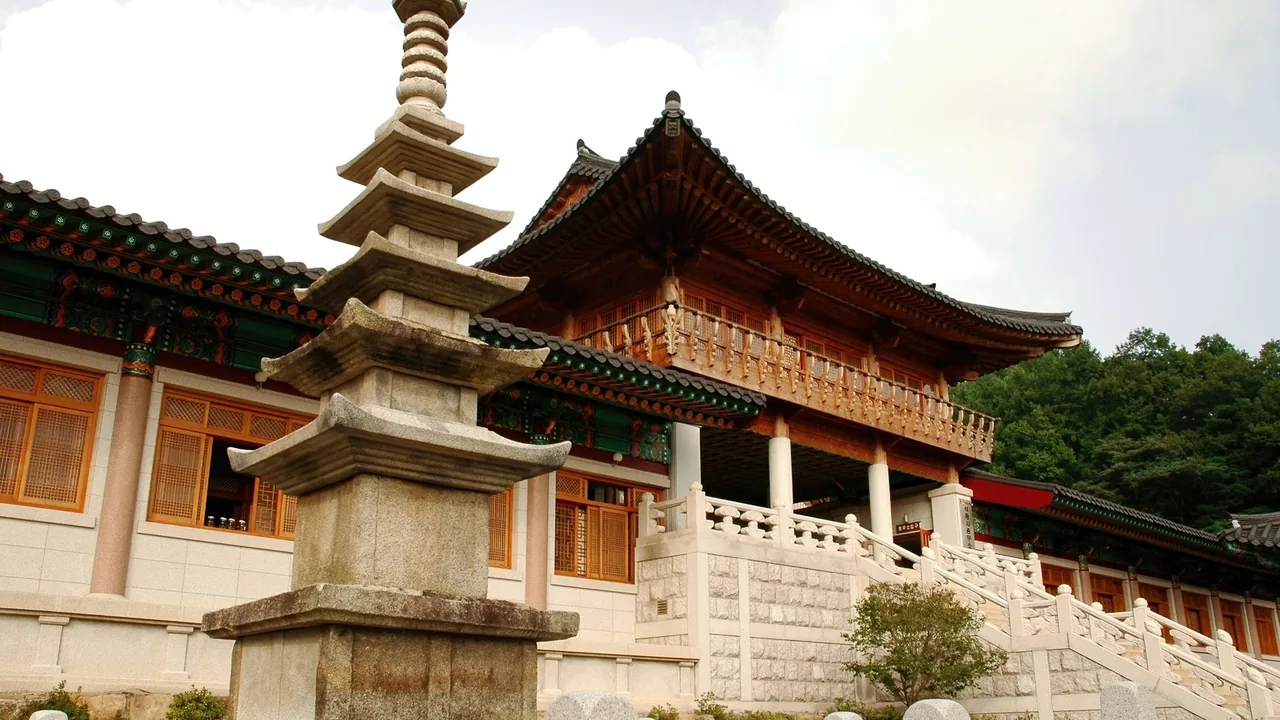
Located in the forested hills south of Gyeongju center, this UNESCO double-site demands a full morning. Bulguksa entry is KRW 12,000; Seokguram adds KRW 4,000. Skip the shuttle bus (KRW 2,000 each way) and hike the 30-minute forest trail for free—it's actually more rewarding than the paid paths. Pack a convenience store kimbap (KRW 4,000) and eat on the temple grounds. Arrive by 8:30 AM to beat tour groups. The temple's multi-tiered pagodas and stone bridges photograph beautifully with low morning light and minimal crowds.
Budget: KRW 0
Most visitors skip this because there's no admission fee—which means fewer crowds. The reconstructed Silla palace complex sits beside an ornamental pond that mirrors the surrounding forest. The reconstruction work (completed 2018) is meticulous and educational. The on-site museum costs KRW 5,000 but the outdoor grounds are entirely free. Spend two hours here in the early morning before organized groups arrive. Bring water; there are minimal facilities.
Budget: KRW 3,000 entry
Gyeongju's royal tombs dot this hillside park like massive grass-covered domes. The entry fee is a steal. You can walk among 23 Silla royal burial mounds, touching 1,500-year-old history. The park is peaceful in the afternoon when morning crowds thin. Bring a notebook; the silence invites reflection. A small museum explains the archaeological findings. Expect to spend 1.5–2 hours here.
Budget: KRW 8,000 entry (free after 6 PM)
The reconstructed Anapji (also called Anak Pond) is where Silla aristocrats once held garden parties. Entry costs KRW 8,000, but after 6 PM entry is free and lights illuminate the pavilions. Skip the daytime crowds and arrive at sunset. The two-hour evening walk costs nothing and the reflection of lit buildings in water is stunning. Night photography here is exceptional. Bring a light jacket; evenings cool down even in summer.
Budget: KRW 0–5,000
Cheomseongdae is the world's oldest existing astronomical observatory (7th century) and sits on a public plaza with free access. The surrounding neighborhood hosts three small markets (Friday, Tuesday, Thursday mornings) selling produce, textiles, and local snacks at local prices. Zero tourist markup. You'll find dried persimmons, sesame seeds, and fermented vegetable side dishes. These markets are where locals actually shop.
8 Etiquette & Practical Tips
- Learn basic temple etiquette. Remove shoes before entering main halls. Bow slightly when passing monks. Photography is restricted in certain inner sanctums—look for signs.
- Carry small cash. While cards work in larger establishments, many street vendors, markets, and family restaurants accept cash only. ATMs cluster near the intercity bus terminal.
- Speak slowly at street markets. Many vendors don't speak English. Pointing, smiling, and showing KRW amounts works perfectly. Locals appreciate the effort.
- Visit temples at dawn. You'll dodge crowds, see monks performing morning routines, and catch sunrise light on stone pagodas. Breakfast costs less at temple-adjacent cafés before 8 AM.
- Use the Naver Map app (not Google Maps). Google Maps is unreliable in Gyeongju. Naver or Kakao Map apps provide accurate bus routes, walking times, and local restaurant info in English.
- Buy a Gyeongju City Tour Bus pass. KRW 15,000 for unlimited day use covers all major sites. It's cheaper than individual rides if you visit four or more attractions.
- Eat where Korean families eat, not where tourists congregate. Restaurants within five blocks of Bulguksa temple charge 30–40% premiums. Walk further into residential neighborhoods for authentic pricing.
- Respect photography boundaries. Some temples prohibit commercial or drone photography. Always ask permission before photographing monks or intimate moments in courtyards.
- Visit during shoulder seasons (April–May, September–October). Prices dip slightly outside peak summer and winter. Crowds are manageable, and weather is ideal for walking.
- Join a free temple tour if available. Some temples (like Bulguksa) occasionally offer free guided tours in English on weekends. Check with your guesthouse the night before.
FAQ: Budget Travel in Gyeongju
Yes—with discipline. A realistic breakdown: accommodation KRW 30,000 (split across 2–3 nights), meals KRW 40,000, attractions KRW 15,000, transport KRW 5,000, buffer KRW 10,000. The margins are tight but achievable if you avoid alcohol, skip paid museum exhibits, and eat where locals eat. Your biggest variable is guesthouse pricing—negotiate multi-night rates or book well in advance for discounts.
Arrive by bus (KRW 1,250 from city center) at 7:30 AM before entry fee collection officially starts. The gates open around 7 AM and staff often don't begin collecting fees until 8 AM. Alternatively, hike the free forest trail from Seokguram Grotto if you enter that first (fee KRW 4,000). The trail takes 30 minutes and deposits you at Bulguksa' back entrance, bypassing the main gatehouse. Bring a packed lunch.
Formal free walking tours don't exist, but guesthouse owners frequently offer informal neighborhood walks for guests, sometimes including breakfast. Ask upon check-in. Additionally, the Gyeongju Tourism Information Center (near the intercity bus terminal) provides free maps and sometimes pairs visitors with English-speaking volunteer guides on weekends. No guarantees, but the service exists.
Gyeongju's city center is walkable. For distant temples (Bulguksa, Seokguram), use intercity buses (KRW 1,250–2,050 per ride) or the Gyeongju City Tour Bus (KRW 15,000 all-day pass). The Tour Bus runs fixed routes hitting major temples. Local bus numbers: #10, #11, #12 hit most tourist sites. Use Naver Map to plan routes. Taxis are expensive and unnecessary.
Tuesday through Thursday in shoulder seasons (April, October) see lowest prices and smallest crowds. Summer (July–August) brings peak prices due to domestic vacation season. January–February is coldest but offers 15–20% guesthouse discounts. Avoid Korean holidays (Lunar New Year, Chuseok) when prices spike 40–60%.
Bulguksa Temple and Donggung Palace are non-negotiable—they're the historical heart of Gyeongju and relatively affordable. The gyeongju street food market is essential for authentic meals and local atmosphere. Tumuli Park offers unique burial mound experience for minimal cost. Skip expensive museum exhibits and paid night light shows; focus on the actual archaeological sites instead.
Close Out & Call-to-Action
Gyeongju proves that budget travel doesn't mean sacrificing experience. You get 1,500 years of history, market energy, temple peace, and genuine local meals—all for less than a single night in Seoul. The city rewards slow travelers who linger at ponds, skip crowded attractions, and eat where families eat.
Start your Gyeongju planning now. Save this guide, bookmark Naver Map, and set a guesthouse alert for your dates.
Ask the KORLENS AI chat for Gyeongju place suggestions for a tight budget based on your interests. It is an AI assistant that replies in seconds, not a human team, and it works from Korea Tourism Organization open data. Also visiting Seoul? Seoul Local Picks covers Seoul only.
Gyeongju is waiting. And it's affordable.
Next Step
About this guide
KORLENS is run by one person (KunStudio, a solo studio in Korea), not an editorial team. Guides are AI drafts based on public sources; some use Korea Tourism Organization TourAPI open data. KORLENS does not claim on-site visits or scheduled re-checks, so confirm hours, prices and closures with the venue before you go. Page last edited: 2026-06-25.
Plan your Korea trip with the KORLENS AI chat
Got a follow-up question after reading this? Ask the KORLENS AI chat in plain English. It is an AI assistant, not a person, and it replies in seconds with places from Korea Tourism Organization open data.
Ask the KORLENS AI chatCurious about Korean Saju? Try sajuapp.app
1,000-year-old Korean astrology, decoded by AI — available in 9 languages.
Is it worth visiting, the best time to go, crowds and real cost.
Best time to visit Gyeongbuk, month by month →Best Neighborhoods to Stay in Gyeongju for Foreigners (2026 Guide)
Skip the tourist traps. Stay where locals eat, work, and live. Our insider guide to Gyeongju's best neighborhoods reveals hidden gems beyond Bulguksa Temple cro
Gyeongju Transport Guide for Foreigners (2026): Subway, Bus, Taxi
Gyeongju's transit system is smaller than Seoul's—and that's its advantage. Here's how to navigate it like a local without getting lost.