12 Gyeongju Photography Spots for Instagram (2026 Local Picks)
Skip the tourist crowds. Discover 12 authentic Gyeongju photography spots locals actually shoot—from hidden temple angles to neon-lit alleyways. Real prices, re
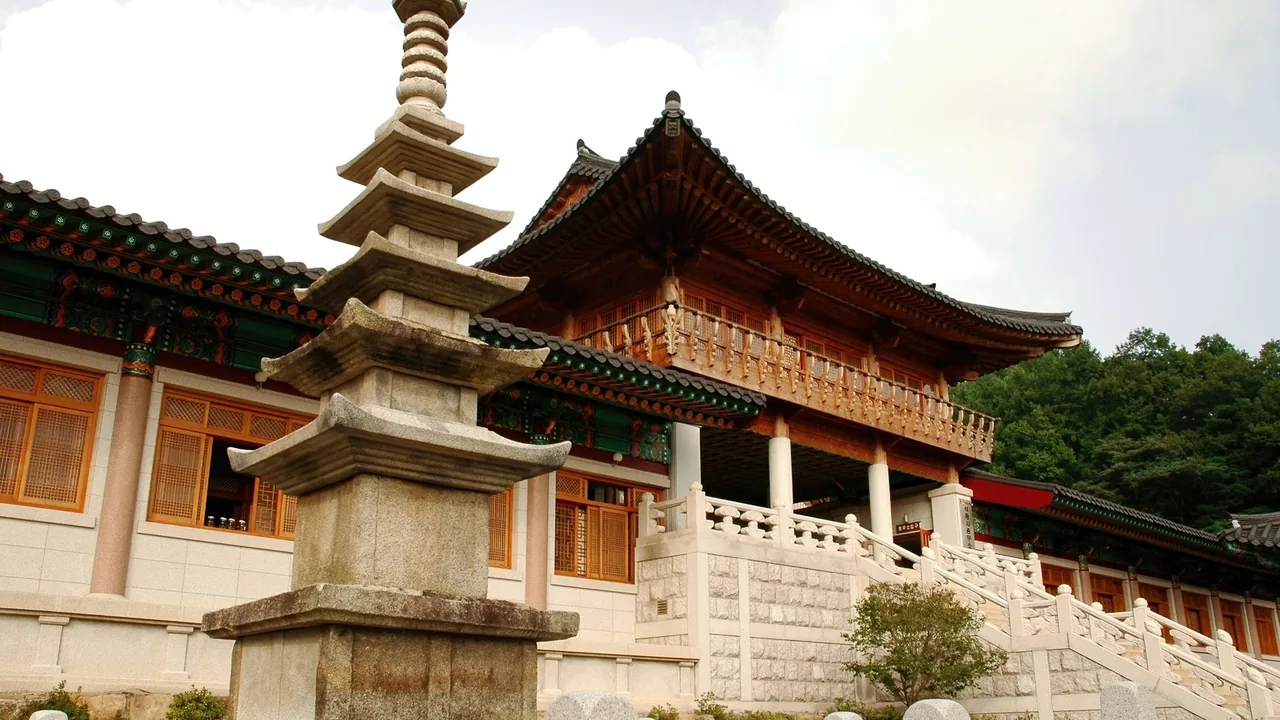
# 12 Gyeongju Photography Spots for Instagram (2026 Local Picks)
Here's what you won't read in most Gyeongju guides: the famous temple shots everyone posts get stale fast, and the real magic happens in the spaces between the monuments. Instagram feeds flood with identical Bulguksa photos while the actual visual stories of this ancient capital sit ignored. This guide cuts through that noise and shows you where Gyeongju residents and serious photographers actually point their lenses.
Beyond Cliché Shots — What Gyeongju Locals Actually Post
Yes, Bulguksa and Seokguram are stunning. No, you shouldn't spend your entire visit queuing for the same angle 10,000 other visitors have already taken. Locals know that Gyeongju's real photographic wealth lives in texture: the decay of 1970s apartment blocks next to thousand-year-old stone walls, the geometric precision of rice paddies meeting temple rooflines, the specific quality of light at golden hour when it hits the Dongdae fortress ramparts.
What separates a forgettable Gyeongju photo from one that stops the scroll is specificity. It's shooting during the shoulder seasons (May, September, October) when crowds thin but the light remains dramatic. It's finding the 200-year-old wooden house on a back alley in Donggung-dong that no travel blog mentions. It's understanding that Gyeongju isn't a theme park—it's a lived city where modern Korea and ancient Silla kingdom coexist in visual tension.
This is what we're chasing in the spots below.
12 Gyeongju Photography Spots (With Real Details)
Why locals shoot it: The reconstructed Silla royal palace offers clean architectural lines and water reflections without the Bulguksa crowds.
Best time: Early morning (6:30–7:30 AM) or sunset (5:30–6:30 PM in winter). Light hits the wooden columns perfectly between 5–6 PM.
Entry: ₩4,000 | Open year-round, 9 AM–10 PM
Local tip: Skip the main pond view. Walk behind the reconstructed buildings where the original palace foundations create a layered depth. The autumn foliage reflected in the smaller eastern pond (less visited) is extraordinary in October.
---
Why locals shoot it: Everyone shoots the main temple complex. Locals slip away to the tree-lined walking paths on the east side.
Best time: Mid-morning (9–10 AM) when soft light filters through maple leaves. April (cherry blossom) and October (maple) are peak.
Entry: ₩5,000 (temple) | 7 AM–5 PM (winter), 7 AM–6 PM (summer)
Local tip: The stone staircase leading from the main temple down the forested slope offers layered composition shots. Bring a wide lens. The stream at the bottom has excellent water reflections if there's been recent rain.
---
Why locals shoot it: Nighttime LED-lit reflection photography. The pond glows differently every month with seasonal color schemes.
Best time: 30 minutes after sunset (6:15–6:45 PM in winter, 7:15–7:45 PM in summer). Bring a tripod.
Entry: ₩3,000 | 9 AM–10 PM daily
Local tip: The eastern bank (opposite the main viewing platform) gets far less foot traffic and offers cleaner reflection shots. Winter nights (Dec–Feb) have the clearest, coldest light.
---
Why locals shoot it: Authentic residential hanok—not a commercial tourist village. Real families still live here.
Best time: Early morning (7–8 AM) for soft light and fewer people. Late afternoon (4–5 PM) for warm side-lighting on clay tile roofs.
Entry: Free | Best explored 8 AM–5 PM
Local tip: Respect privacy—only photograph exteriors and public spaces. The narrow alley running north-south through the village's center, especially near the small shrine, has incredible dimensional depth. Shoot toward the light source rather than away from it.
---
Why locals shoot it: Solitary ancient stone structure against open sky. Minimal crowds if you arrive at the right time.
Best time: 6–7 AM in spring/autumn for golden hour with dew on grass. Winter sunrise (6:50–7:10 AM) for blue-hour silhouettes.
Entry: Free | Accessible 24/7
Local tip: The observatory sits in a small grassy field. Shoot from ground level with wide aperture (f/2.8 or wider) to isolate the structure with foreground wildflowers (May–June) or frost (Dec–Feb). The area east of the main structure has fewer roped-off zones.
---
Why locals shoot it: Gaudy, authentic street-food energy. Neon signs reflecting on wet pavement after rain. Zero Instagram polish—pure documented chaos.
Best time: 6–9 PM, especially on weekends. Shoot after light rain for reflections.
Entry: Free (budget ₩15,000–25,000 if eating) | 6 PM–11 PM daily
Local tip: Bring a fast prime lens (35mm f/1.8 or 50mm f/1.4). White balance shifts constantly under neon—embrace the color cast or bracket your shots. The alley connecting to the main night market has less foot traffic and better composition angles.
---
Why locals shoot it: Layered traditional village with controlled density. The village government allows photography if respectful.
Best time: 6:30–7:30 AM before tour groups arrive. Mist often hangs in October–November mornings.
Entry: ₩5,000 | 9 AM–6 PM (but accessible early for landscape shots outside paid area)
Local tip: Don't pay to enter if you're only shooting landscape/architectural frames from the perimeter roads. The elevated viewpoint on the north side of the village overlooks the entire settlement with perfect backlighting at sunrise.
---
Why locals shoot it: Ancient burial mounds surrounded by urban landscape. Unique juxtaposition.
Best time: Early morning (7–8 AM) or late afternoon (4–5 PM). The tomb mounds cast dramatic shadows.
Entry: Free | Accessible 24/7, though areas are roped during certain hours
Local tip: Walk the perimeter path at the western edge. The combination of grass-covered mounds against modern apartment buildings in the background offers visual irony that photographs beautifully. Wide-angle lens is essential here.
---
Why locals shoot it: Manicured but not artificial. Institutional gardens with genuine design thought.
Best time: Mid-morning (10–11 AM) or late afternoon (3–4 PM). Spring (April–May) for blooms; autumn (Oct–Nov) for color.
Entry: ₩6,000 (includes museum) | 10 AM–6 PM (closed Mondays)
Local tip: Most visitors photograph the front entrance and courtyard. The rear gardens (accessible to museum visitors) are substantially less crowded. The stone lantern area near the water feature is a gem.
---
Why locals shoot it: Serene morning light on water. The cycling infrastructure is so good you can move quickly between angles.
Best time: 6–7 AM year-round. Mist on water (March–May, October–November) is exceptional.
Entry: Free | Path is public 24/7, though it's busiest 6–9 AM and 5–7 PM
Local tip: Rent a bike (₩3,000–5,000/hour from vendors near the lake entrance) to reach less-accessible vantage points. The northern shore has fewer visitors. Shoot with the low morning sun creating a lens-flare effect across the water.
---
Why locals shoot it: Genuine neighborhood. Aging residential architecture with character. No tourist polish.
Best time: Early morning (7–8 AM, weekdays preferred) or late afternoon (4–5 PM). Avoid peak lunch and dinner hours.
Entry: Free | Public roads accessible anytime
Local tip: This is a living neighborhood—be respectful. Shoot the intersections where sunlight creates strong geometric shadows. The older utility poles and weathered walls have color and texture that modern Gyeongju lacks. Ask permission before photographing people.
---
Why locals shoot it: Not the grotto interior (which prohibits photography), but the approach—the forested mountain path leading up has incredible dappled light and seasonal variation.
Best time: Mid-morning (9–10 AM) for directional side-light through trees. Spring (May) for azaleas; autumn (October) for foliage.
Entry: ₩4,000 (Bulguksa entry covers this) | 7 AM–5 PM (winter), 7 AM–6 PM (summer)
Local tip: The path leading up from the temple base (rather than the bus approach) offers better photographic opportunities. Shoot with shallow depth of field to isolate tree textures and foliage. The stone steps create compositional leading lines.
---
Etiquette & Practical Photography Tips
- Respect temple photography rules. Many temples prohibit interior photography; some prohibit tripods. Ask staff before setting up. Seokguram interior is strictly no-photo.
- Get permission in residential areas. Okcheon-dong, Yangdong, and Sangdong-dong are homes, not attractions. Photograph respectfully and ask before photographing people or private property.
- Carry a lightweight tripod. Most of your best shots (sunrise, reflection, long exposure) require one. Carbon fiber models (₩60,000–150,000 at local camera shops) are worth the weight savings.
- Peak seasons = bad light timing. April–May and September–October are crowded and competitive. Visit off-peak (June–August, November–January) for space and unique light conditions.
- White balance shifts under temple roofing. The red/gold lacquer of temple buildings reflects warm tones. Bracket your white balance settings or shoot in RAW for post-processing flexibility.
- Bring a polarizing filter. Gyeongju's water surfaces (ponds, lakes, streams) are highly reflective. A circular polarizer (₩30,000–80,000) cuts glare and deepens sky color dramatically.
- Plan for weather. Fog (November–March mornings) and rain (June, September) create atmosphere but demand fast shutter speeds. Check forecasts and bring ND filters for intentional long-exposure shots in bright conditions.
- Scout locations the day before. You'll identify better angles, understand light direction, and avoid wasting golden hour time searching for composition.
- Arrive 30+ minutes early. If sunrise is at 6:47 AM, be in position at 6:15 AM. Blue hour light (pre-sunrise) is often more dramatic than actual sunrise.
- Pack layers and hydration. Early morning shoots in autumn/winter get cold. Dehydration happens fast at high-altitude sites like Seokguram. ₩2,000–4,000 convenience store drinks are everywhere.
---
FAQ
A: Autumn (October–November) wins for reliable light, foliage color, and fewer crowds than spring. However, each season offers distinct advantages: spring (April–May) brings cherry blossoms and fresh greens; summer (June–August) offers dramatic storm clouds and lush textures; winter (December–February) provides clean, cold light and mist on water. If crowds matter more than light, go June–August or January–February.
A: No. A smartphone with manual controls (iPhone Pro, Samsung S-series, Google Pixel) captures technically competent images. The difference is creative control. A mid-range APS-C mirrorless camera (₩800,000–1,500,000 used) or DSLR (₩500,000–900,000 used, available in Daegu camera markets) gives you lens flexibility and low-light performance that smartphones struggle with. Rent locally if you want to test before buying.
A: Arrive 45–60 minutes before official sunrise time. You'll catch blue hour (that cool, diffused light 30–40 minutes pre-sunrise), which often outperforms actual sunrise. Set up, take 50+ test shots, adjust composition. By the time the sun appears, you're ready.
A: Not legally. South Korean airspace is heavily restricted, and Gyeongju has protection zones around temples and historical sites. Drone use without permits is a ₩10 million+ fine. Ground-level shots only.
A: Gyeongju proper has limited selection. Daegu (45 min by train/bus) has several camera stores in the downtown area near Dongseong-ro Street. New gear is pricier than online; used gear is cheaper. For rentals, check local tourist information centers for partnerships with camera rental shops (typically ₩20,000–50,000/day for decent kit lenses).
A: Yes, unless you ask first. The Noseo-dong night market vendors are accustomed to foreign photographers but still appreciate a gesture of respect (a smile, asking "사진 괜찮아요?" [sajin kwenchanhayo?] — "is a photo okay?"). Always delete on request. Street photography in residential neighborhoods should be minimalist—avoid photographing people's faces without permission.
---
Your Next Step: Go Deeper
These 12 spots are your foundation, but Gyeongju rewards curiosity. Walk alleys you didn't plan to. Sit on a bench for 20 minutes and watch light change. Talk to locals at convenience stores—they'll mention spots tourists never find.
Ask the KORLENS AI chat for Gyeongju photo spot suggestions based on your interests. It is an AI assistant that replies in seconds, not a human team, and it works from Korea Tourism Organization open data. Also visiting Seoul? Seoul Local Picks covers Seoul only.
The ancient capital is waiting. Frame it your way.
Next Step
About this guide
KORLENS is run by one person (KunStudio, a solo studio in Korea), not an editorial team. Guides are AI drafts based on public sources; some use Korea Tourism Organization TourAPI open data. KORLENS does not claim on-site visits or scheduled re-checks, so confirm hours, prices and closures with the venue before you go. Page last edited: 2026-06-25.
Plan your Korea trip with the KORLENS AI chat
Got a follow-up question after reading this? Ask the KORLENS AI chat in plain English. It is an AI assistant, not a person, and it replies in seconds with places from Korea Tourism Organization open data.
Ask the KORLENS AI chatCurious about Korean Saju? Try sajuapp.app
1,000-year-old Korean astrology, decoded by AI — available in 9 languages.
Is it worth visiting, the best time to go, crowds and real cost.
Best time to visit Gyeongbuk, month by month →Gyeongju on a Budget: How to Travel for KRW 100,000/Day in 2026
Skip Seoul. Gyeongju delivers ancient temples, street food markets, and cultural immersion for less than half the price. Here's how to live on KRW 100,000/day.
Best Neighborhoods to Stay in Gyeongju for Foreigners (2026 Guide)
Skip the tourist traps. Stay where locals eat, work, and live. Our insider guide to Gyeongju's best neighborhoods reveals hidden gems beyond Bulguksa Temple cro