Daejeon Nightlife Guide 2026: Bars, Clubs, and Late Eats
Skip Seoul crowds. Daejeon's nightlife scene offers authentic Korean drinking culture, neon-lit clubs, and late-night food that won't drain your wallet. Here's
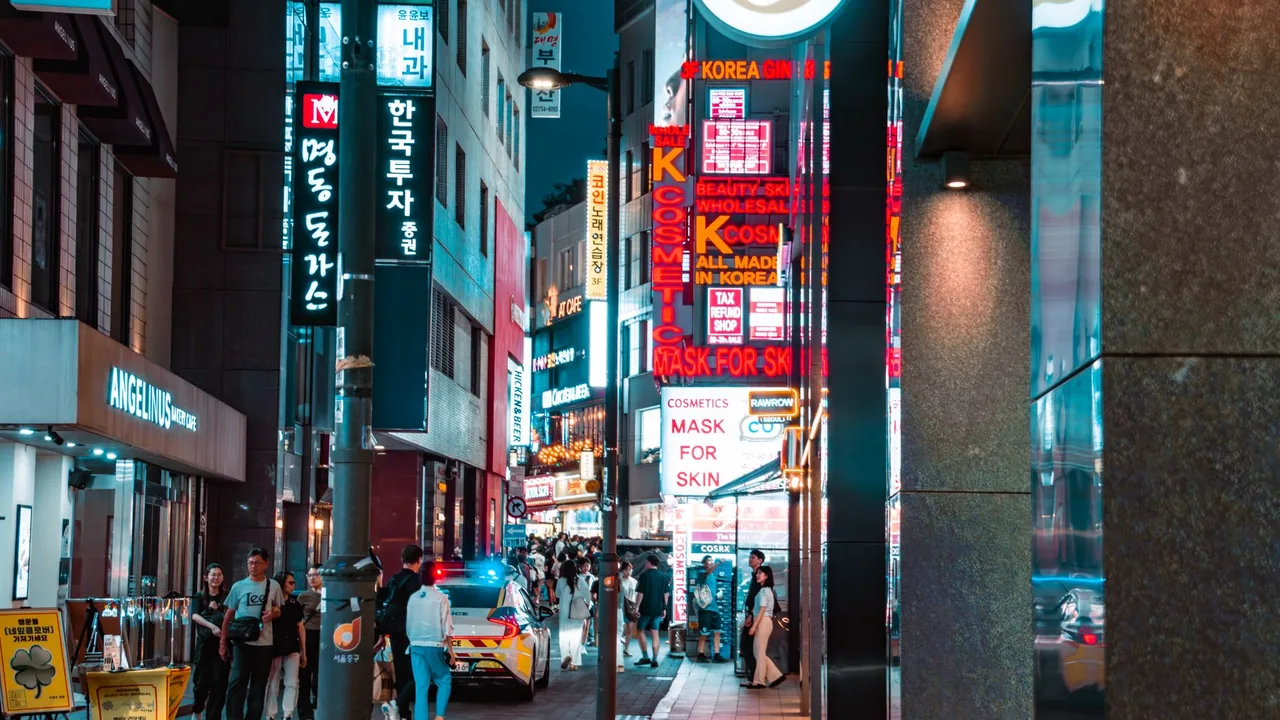
Opening
Daejeon isn't Seoul, and that's exactly why you should be here after dark. While other cities fight for table space in overcrowded Gangnam clubs, Daejeon's nightlife neon glows quietly across neighborhoods where you can actually have a conversation with locals, nurse a drink for ₩8,000, and eat fresh tteokbokki at 2 a.m. without the tourist markup. The city's night economy thrives on university students, office workers, and a small but dedicated expat community—which means venues range from hole-in-the-wall pojangmacha (food tents) to underground electronic music clubs that rival anything in the capital.
---
Daejeon Nightlife Tribes — Find Yours
Daejeon's after-dark scene breaks into distinct communities, each with its own geography and vibe.
The University Quarter Crowd: Students from KAIST and Chungnam National University drive energy into areas like Bangrim-dong and Dunsan. Think cheap beer, soju bombs, and dance clubs where cover charges rarely exceed ₩10,000. This crowd skews younger (20s-early 30s), gregarious, and forgiving of bad dance moves.
Corporate Professionals: Office workers congregate in Daejeon Station and Dongdaemun areas, favoring upscale soju bars, whiskey lounges, and izakayas. Expect to pay ₩15,000–₩25,000 per drink, but the crowd is mature, English-friendly, and less interested in getting wasted than in unwinding professionally.
Foreigner & Expat Hub: The English-teaching and international business community clusters around certain bars and clubs, particularly near Dunsan and Daejeon Station. These venues stock import beers, have English-speaking staff, and host mixers and events.
Late-Night Foodies: Food-focused night owls hunt pojangmacha alleys, instant-noodle bars (ramyeon-jip), and 24-hour Korean restaurants. This is the cheapest, most authentic experience—₩5,000–₩10,000 per meal.
---
5 Must-Visit Neighborhoods & Specific Spots
Bangrim-dong is daejeon nightlife neon at its most visceral. Narrow alleys buzz with neon karaoke signs, pojangmacha tents, and two-story drinking spots stacked shoulder-to-shoulder. The neighborhood exists almost entirely to serve KAIST students, so you'll find the cheapest drinks in the city.
Must-visit: Neon Square (네온스퀘어) — a basement bar complex with multiple rooms, projection screens, and Korean indie rock performances. Beer: ₩6,000–₩7,000. No cover. Weekends get packed by 10 p.m.
Late-night eat: Hit the pojangmacha tent row directly outside Bangrim Station for tteokbokki (₩5,000), odeng (fish cake soup, ₩6,000), and hotteok (filled pancakes, ₩3,000). Most stay open until 3 a.m.
Dunsan is where corporate money and expat comfort intersect. Broader streets, better-lit establishments, and English-speaking bartenders. Prices are 30–50% higher than Bangrim, but the crowd is less rowdy and more conversational.
Must-visit: The Craft — an imported-beer bar with 40+ rotating taps and a knowledgeable owner. Pint: ₩12,000–₩15,000. Small snacks (cheese, jerky): ₩8,000–₯12,000. This is where you'll overhear English conversations.
Also check: Lounge 49 — rooftop soju and cocktail bar with views of the city neon grid. Soju ₩18,000, cocktails ₩16,000–₯20,000. Open until 2 a.m.
Late-night eat: 24-hour Convenience Store Culture — Dunsan GS25 and CU locations stay open all night with ramyeon, gimbap, and kimbab. Ramyeon with egg: ₩5,000. Add toppings at the counter.
Near the main transit hub, you'll find a blend of corporate bars, older pojangmacha, and Korean drinking spots. Less trendy than Dunsan, less chaotic than Bangrim. Good middle ground.
Must-visit: Mac's Pub — Western-style bar popular with expats and younger professionals. Import beers ₩10,000–₯13,000, whiskey ₩15,000. Pool table, darts, projector sports. Open until 3 a.m. weekends.
Hidden gem: Pojangmacha Alley (Station Back) — Small tent cluster behind the station with ajumma-run stalls. Soju + snack combos: ₯10,000–₯15,000 total. Authentic; no tourists.
If you want proper clubs with DJs, production, and daejeon nightlife neon as spectacle, head to Suseong. This area has evolved into Daejeon's clubbing district, with multiple venues clustered within walking distance.
Must-visit: Apex Club — 3-story dance club with international and Korean DJs. Mix of K-pop, house, and techno. Entry: ₩20,000 (includes one drink). Beers ₯7,000–₯10,000 additional. Open 10 p.m.–5 a.m. Friday–Sunday.
Also check: Vibe — Smaller, more underground electronic venue. Minimalist aesthetic. Entry ₯15,000. Artists range from experimental electronic to indie. Capacity ~200. Less touristy than Apex.
Central Daejeon has fewer flashy venues but more character. Older buildings, traditional Korean bars (hof), and hidden speakeasies. This is where you find locals who've been drinking at the same spot for 20 years.
Must-visit: The Bar Below — Unmarked basement speakeasy (seriously, you'll miss it if you're not looking). No sign outside. Located in a historic building. Cocktails ₯18,000–₯22,000. Craft-focused, moody lighting. Open Wed–Sun, 7 p.m.–midnight.
Late-night eat: Jjim & Bap Alley (찜&밥 골목) — Cluster of small restaurants serving jjim (Korean steamed dishes) and rice bowls. Incredibly cheap. Jjim + rice + soup + kimchi: ₯8,000–₯12,000. Several open until 3–4 a.m.
---
8 Practical Nightlife Etiquette & Safety Tips
- Drink with Elders Respectfully: If an older Korean person pours your drink, hold your glass with both hands. Return the favor. Never pour for yourself if anyone older is present. This applies even in casual bars.
- Pojangmacha (Food Tent) Currency: Bring cash. Most tents and ajumma-run stalls don't accept card. ATMs are nearby, but don't assume.
- Soju Etiquette: Always clink glasses firmly. "Geonbae" (건배 — cheers) is standard. You're expected to drink shots quickly, not sip. If you refuse, explain clearly ("I can't drink more") rather than pretending.
- Club Entry Dress Code: Daejeon clubs are less strict than Seoul, but avoid athletic wear, flip-flops, or obvious gym clothes. Clean jeans and a shirt are fine.
- Taxi Safety After Dark: Download a Korean taxi app (Kakao Taxi) or ask the bar to call one. Avoid unlicensed taxis. Most drivers don't speak English; have your destination written in Korean or use the app.
- Stay Hydrated: Koreans don't order water at bars; you'll have to ask. Bartenders will bring a pitcher free. Alternate alcohol with water, especially if you're new to soju.
- Card Minimums: Some smaller bars have minimum card purchases (often ₯10,000–₯20,000). Ask before ordering. Cash is safer for small rounds.
- Late-Night Etiquette in Clubs: Lines for restrooms can be 10+ minutes. No queue-jumping. Crowding and bumping happen; it's not personal. Keep your drink close and phone secure.
- Subway Closure: Last subway is around midnight; buses run until 11 p.m. After that, it's taxi or overnight club. Plan accordingly.
- Hagwon Effect: You'll notice clusters of teenagers around 9–10 p.m. near pojangmacha. They're grabbing snacks between hagwon (cram school) sessions. This is normal and safe; Daejeon is very low-crime for nightlife.
---
FAQ: Daejeon Nightlife Essentials
Q: Is Daejeon nightlife safe for solo female travelers? A: Yes, significantly safer than Seoul or Busan. Daejeon is well-lit, has visible police presence, and the nightlife crowd is mixed and relatively mellow. Pojangmacha areas bustle until 3 a.m. with families and solo diners. Stick to main areas (Bangrim, Dunsan, Station), avoid deserted alleys, and use Kakao Taxi instead of hailing cabs. Many solo female travelers report feeling more comfortable here than in larger cities.
Q: What's the cheapest way to experience Daejeon nightlife? A: Pojangmacha and ramyeon-jip (instant noodle bars). You can eat and drink for ₯10,000–₯15,000 total for a full evening. Bangrim-dong's basement bars offer cheap draft beer (₯6,000–₯7,000). Happy hour deals exist at Western bars but aren't as common as Seoul. Avoid clubs (entry fees) and high-end lounges. Campus bars near KAIST cater to budget-conscious crowds.
Q: When is the best time to go out? A: Thursday–Saturday, 10 p.m.–1 a.m., is peak time. Weekdays are quieter but less crowded; good for conversations. University breaks (January, July–August) attract more students. Summer (June–August) brings open-air pojangmacha and rooftop bars. Winter venues are indoor-heavy. Midnight–3 a.m. is second wind territory—clubs heat up around 1 a.m.
Q: Do I need to speak Korean? A: Not essential. Dunsan and Daejeon Station areas have English-speaking staff. University bars attract English-friendly crowds. Pojangmacha ajumma communicate through gestures and pointing. Download a translation app. Many younger Koreans (under 35) speak English. However, learning basic phrases ("Geonbae," "Hana juseyo [one, please]") earns respect and smiles.
Q: What's the difference between a "pojangmacha" and a "hof"? A: Pojangmacha (포장마차) are outdoor food tents with folding chairs and tables, focused on food with soju/beer. Hof (호프) are indoor casual bars with beer-focused menus and some food; think Korean pub. Pojangmacha is cheaper (₯5,000–₯12,000) and more transient. Hof is slightly more permanent and social (₯8,000–₯15,000 per drink). Both are staples of daejeon nightlife neon culture.
Q: Are there LGBTQ+ friendly venues in Daejeon? A: Yes, but the scene is smaller than Seoul. Some bars in Dunsan and near the university areas are known to be welcoming, though not explicitly branded as queer venues. Online communities (Korean apps like Blah, Hornet) offer better intel than guidebooks. Daejeon is conservative overall, but nightlife districts tend to be more liberal.
---
Closing: Your Next Move
Daejeon's nightlife scene doesn't need Instagram-worthy selfies or three-hour club queues to deliver authenticity. Whether you're nursing a ₯6,000 beer in Bangrim-dong neon, haggling over tteokbokki prices in a pojangmacha alley, or discovering an unmarked basement cocktail bar, you're experiencing Korean drinking culture on its own terms—cheaper, friendlier, and without the capital-city pretense.
Ask the KORLENS AI chat for Daejeon nightlife suggestions based on your interests. It is an AI assistant that replies in seconds, not a human team, and it works from Korea Tourism Organization open data. Also visiting Seoul? Seoul Local Picks covers Seoul only.
Want more? Read our Complete Daejeon Travel Guide for day activities, food, temples, and how to spend 48 hours in Korea's underrated city.
Next Step
About this guide
KORLENS is run by one person (KunStudio, a solo studio in Korea), not an editorial team. Guides are AI drafts based on public sources; some use Korea Tourism Organization TourAPI open data. KORLENS does not claim on-site visits or scheduled re-checks, so confirm hours, prices and closures with the venue before you go. Page last edited: 2026-06-13.
Plan your Korea trip with the KORLENS AI chat
Got a follow-up question after reading this? Ask the KORLENS AI chat in plain English. It is an AI assistant, not a person, and it replies in seconds with places from Korea Tourism Organization open data.
Ask the KORLENS AI chatCurious about Korean Saju? Try sajuapp.app
1,000-year-old Korean astrology, decoded by AI — available in 9 languages.
Is it worth visiting, the best time to go, crowds and real cost.
Daejeon Shopping Guide 2026: Best Districts and Markets
Skip the Seoul crowds. Daejeon's shopping districts deliver authentic Korean markets, better prices, and zero tourist markup. Your insider map to every neighbor
Daejeon Cultural Landmarks in Half a Day (2026 Local Guide)
Skip the tourist traps. Hit Daejeon's best daejeon cultural landmark heritage sites in 4 hours with insider routes, real prices, and what locals actually do.