Daejeon Cultural Landmarks in Half a Day (2026 Local Guide)
Skip the tourist traps. Hit Daejeon's best daejeon cultural landmark heritage sites in 4 hours with insider routes, real prices, and what locals actually do.
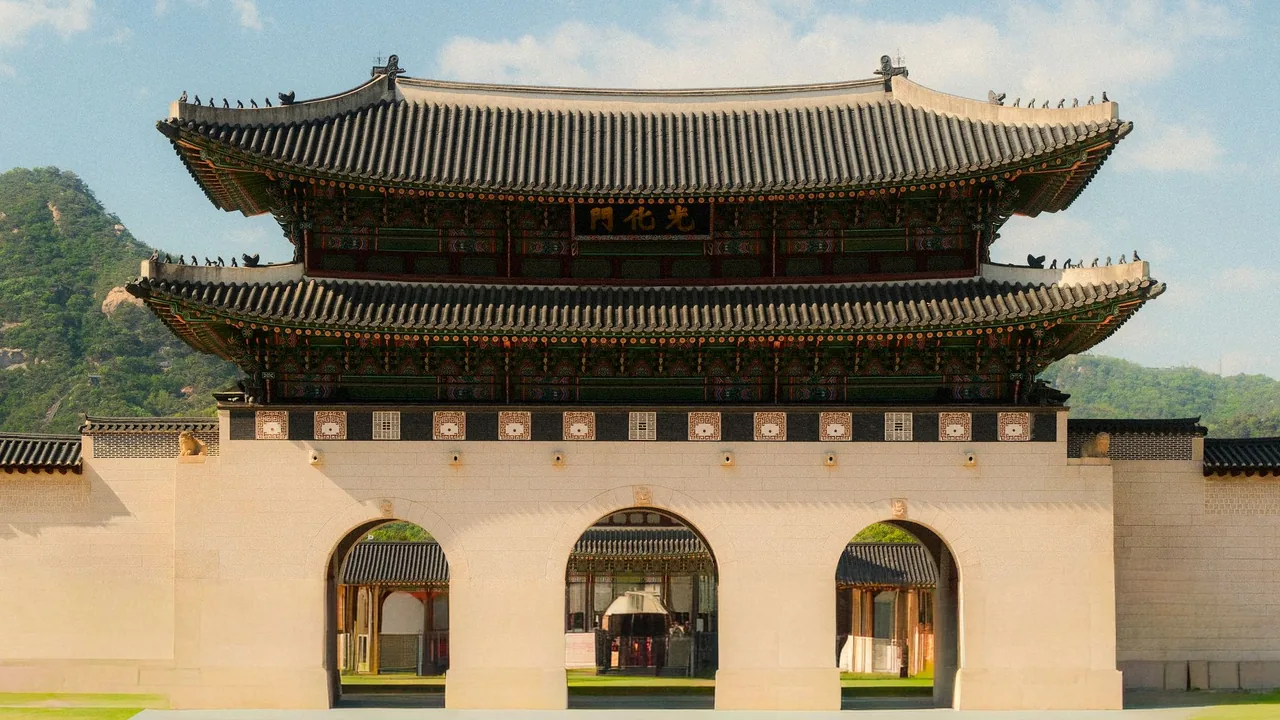
# Daejeon Cultural Landmarks in Half a Day (2026 Local Guide)
Daejeon gets overlooked. Most travelers skip straight to Seoul or Busan, assuming Korea's fifth-largest city is all science parks and office towers. That's exactly why you should go—the daejeon cultural landmark heritage sites here are less crowded, more authentic, and you can experience the real ones in a single afternoon without feeling rushed or performing cultural tourism for Instagram.
Here's what locals know: Daejeon's cultural identity isn't about scale. It's about intentionality. You'll find Confucian temples that still host active rituals, neighborhood museums that curate stories instead of hoarding artifacts, and historic districts where residents actually live—not perform for visitors. This guide gives you the routes that work, the prices that won't surprise you, and the etiquette that keeps you respectful in spaces where culture still lives.
The Two-Stop Combos That Beat Any Single Landmark
Start at Gyeonggi-Daejeon Confucian Temple (Daejeon Hyanggyo). This isn't a museum—it's an active ritual space. On ceremony days (check lunar calendar ahead), you'll witness jesa (ancestral rites) conducted by robed scholars. Even on regular days, the wooden halls, courtyard layout, and silence hit differently than tourist-packed Seoul temples. Admission is free. Spend 45 minutes here.
Walk directly into the Hyang-gyo District (about 8-minute walk). This neighborhood was historically where Confucian education happened. Today it's boutique cafes, small galleries, and actual residents. Grab lunch at a kalguksu (knife-cut noodle) restaurant here—expect 7,000–9,000 KRW. Spend 90 minutes wandering, eating, and talking to shopkeepers who'll tell you which old buildings are original and which are reconstructed.
Why it beats going solo to one: You get both active ritual culture and lived, everyday culture. The transition between them shows you how heritage functions in Daejeon, not just exists in it.
The National Museum of Korea - Daejeon (10,000 KRW entry, closed Mondays) holds Silla and Baekje artifacts that rival Seoul's collections but with half the crowds. Plan 90 minutes here. The audioguide is essential—rent one for 3,000 KRW or use the app (free WiFi throughout).
Exit directly to Expo Park, which was the 1993 World Expo site. Walk the sculpture gardens and pavilions—many designed by Korean architects testing ideas before Seoul got them. No admission fee for the grounds. Spend 60–75 minutes here, particularly at the Expo Science Park (5,000 KRW if you want interior exhibits, but the grounds are free and better for cultural context).
Why it beats going solo: Museum + outdoor space prevents fatigue, and the Expo architecture is itself a cultural landmark—it shows how Korea presented itself to the world 30 years ago.
5 Specific Spots with Real 2026 Prices
Address: 34 Munhwa-ro, Jung-gu Admission: 4,000 KRW (permanent collection); rotating special exhibitions 5,000–8,000 KRW Time needed: 90 minutes Why go: Focuses on Korean modern and contemporary art from the 1960s onward. Current 2026 rotation emphasizes regional artists—work you won't see in Seoul. The building itself is worth photos (glass and wood, 2013 design by local firm). Locals come here for quiet; you will too.
Address: 28-1 Baekje-ro, Jung-gu Admission: Free Time needed: 45 minutes Why go: Functioning temple with active scholar community. Ceremony schedule posted on-site and website. Even without ceremony, the wooden architecture and courtyard arrangement teach you Confucian spatial logic. Wear quiet shoes; people study here.
Address: 265 Daehak-ro, Yuseong-gu Admission: 10,000 KRW (Daejeon residents get discounts; present ID) Time needed: 120 minutes Why go: Three stories of Silla, Baekje, and Goryeo celadon, bronze mirrors, and calligraphy. The soomok (wooden ledger fragments from 700 CE) are Daejeon artifacts that show the region's administrative importance. Closed Mondays; plan accordingly.
Address: Yurim-ro, Yuseong-gu Admission: Free Time needed: 60 minutes Why go: Preserved Joseon-era scholar village (about 20 traditional houses still occupied). Walk the stone pathways—locals jog here at dawn. No cafes inside the village (respectful to residents), but outside boundary has cafe chains. This is where you see how heritage residents live, not theater.
Address: 193 Munwharo, Jung-gu Admission: 5,000 KRW Time needed: 45 minutes Why go: Photography-focused museum rotating Korean photojournalism and contemporary Korean photographers' work. Smaller than Seoul equivalents, so curators' choices feel deliberate. Current 2026 focus includes historical documentation photography from Daejeon's industrial growth (1970s–1990s). Surprisingly moving.
Address: Jung-gu, along Saseong-cheon Admission: Free Time needed: 75 minutes Why go: This isn't a museum, but it's cultural infrastructure. Daejeon residents use this restored stream as civic gathering space. Seasonal festivals happen here (cherry blossoms, lantern festivals). Walking it shows you how the city values heritage integration—the stream runs past traditional neighborhoods and modern apartments coexisting.
Address: 201-4 Godeok-ro, Seo-gu Admission: 5,000 KRW Time needed: 30 minutes Why go: Quirky but legitimate cultural artifact. Shows how Korea's drinking culture (alcohol, coffee, tea) evolved. Includes tasting (usually included in admission). Not essential, but if you have 30 minutes of buffer time, it's more memorable than another cafe.
8 Etiquette & Practical Tips (2026)
- Confucian temples are active spaces. Turn your phone to silent. Don't speak loudly. If ceremony is happening, don't photograph people—watch instead. If you're uncertain about access, ask staff first.
- Remove shoes where indicated. Most Joseon-era buildings require barefoot or sock entry. Wear socks without holes. It matters culturally and practically (floors are cold in winter).
- Museum audio guides are worth it. Korean context is dense. A 3,000 KRW audioguide cuts learning time by 40% and prevents misinterpretation. Some museums now have free apps—ask at entry.
- Arrive early at temples. 9 AM arrival beats 1 PM arrival by 300% in terms of atmosphere. Ritual times (often dawn) aren't tourist-friendly, but mid-morning is optimal.
- Don't eat near cultural sites. Pack snacks and eat at designated picnic areas, not inside museums or temple grounds. It's respectful and enforced in some places.
- Use T-money card or local subway app (Daejeon Metro app). One 2,250 KRW ride covers most landmarks. Taxis are cheap (3,000 KRW base, ~10,000 KRW between landmarks) but subway is faster during rush hours (8–10 AM, 5–7 PM).
- Photography rules vary. Most daejeon cultural landmark heritage sites allow photos in permanent collections but not in special exhibits or ceremonies. Always ask. "Sajin joah-yo?" (Is photography okay?) is enough.
- English signage is improving but patchy. Download Naver Map or Kakao Map before arriving (works offline). Most 2026 landmarks have basic English, but staff English is limited. Translation app (Google Lens) is essential for reading older plaques.
- Bring a notebook. Write down opening hours, closed days, and ceremony dates on-site. Websites sometimes have outdated info; staff corrections are more reliable.
- Visit weekdays if possible. Daejeon's sites don't get Seoul crowds, but Korean school groups visit Wednesday–Thursday. Tuesday and Friday mornings are quietest.
FAQ: Daejeon Cultural Landmarks
Yes, if you're strategic. Daejeon cultural landmark heritage sites are geographically compact compared to Seoul. The two-stop combos above give you the highest-yield routes—mix active ritual space (temple) with artifact museums (art, archaeology). You won't feel rushed if you pick one combo and skip side attractions. Attempting all seven spots in half a day creates museum fatigue and defeats the purpose of cultural immersion.
April–May and September–October are optimal. Spring brings temple festivals and outdoor heritage areas (Yurim Park, Saseong Stream) into focus. Fall offers the same plus comfortable walking temperatures. Avoid July–August (humidity, tourist season crowds worsen) and December–January (many sites have reduced hours, ceremonies happen on lunar calendar dates). If visiting during Chuseok (lunar September) or Seollal (lunar January/February), specifically plan to witness jesa rituals at Confucian temples—it's cultural theater at its most authentic.
Most daejeon cultural landmark heritage sites have stairs and uneven pathways—not wheelchair-friendly without assistance. Temple visits require shoe removal (problematic for mobility issues). However, Daejeon Museum of Art, National Museum, and Photo Museum have elevators and accessible restrooms. Call ahead (Daejeon Tourism: 042-270-7000) if you need accommodations. Children under 12 are fine in most spaces but may struggle with extended museum time; Expo Park and stream walks are better for families.
Partially. Permanent museum exhibits have English labels, but Confucian philosophy and ritual context need audioguide or translated explanation. Consider hiring a guide through Daejeon Tourism office (5–6 hours, ~150,000–180,000 KRW for English speaker) if you want depth. Otherwise, consider doing museum visits with audioguides and using Google Translate for temple plaques—imperfect but effective enough for appreciation.
Expect 50,000–80,000 KRW total. Museum entries: 25,000–30,000 KRW. Lunch: 8,000–15,000 KRW. Transport (subway/taxi): 10,000–15,000 KRW. Audio rentals: 3,000–6,000 KRW. Coffee/snacks: 5,000–10,000 KRW. Daejeon is cheaper than Seoul for culture—you're not paying Seoul markup prices. If you skip museum entries (valid if you focus on Hyang-gyo District, temples, and parks), you can do it for 25,000 KRW.
No major closures reported as of June 2026. However, always check official websites before visits—Korean conservation projects sometimes run 6–12 months without advance notice. Call ahead to specific sites if you're traveling on a specific date with limited flexibility. Tourism office hotline (042-270-7000) has current updates.
Your Move
Daejeon cultural landmark heritage sites won't give you Instagram-famous moments or hours-long queues. They'll give you something rarer: a half-day where you actually understand how Koreans value and live with history, not just visit it.
Start with Combo 1 (Confucian Temple + Hyang-gyo District) if you want lived culture and local atmosphere. Choose Combo 2 (National Museum + Expo Park) if you prefer curated artifacts and modern Korean design context. Both finish by 2 PM, leaving your evening free.
Ask the KORLENS AI chat for Daejeon cultural landmark suggestions based on your interests. It is an AI assistant that replies in seconds, not a human team, and it works from Korea Tourism Organization open data. Also visiting Seoul? Seoul Local Picks covers Seoul only.
Daejeon's waiting. It's patient, uncrowded, and ready to show you what cultural tourism actually looks like when tourists aren't the priority.
Next Step
About this guide
KORLENS is run by one person (KunStudio, a solo studio in Korea), not an editorial team. Guides are AI drafts based on public sources; some use Korea Tourism Organization TourAPI open data. KORLENS does not claim on-site visits or scheduled re-checks, so confirm hours, prices and closures with the venue before you go. Page last edited: 2026-06-13.
Plan your Korea trip with the KORLENS AI chat
Got a follow-up question after reading this? Ask the KORLENS AI chat in plain English. It is an AI assistant, not a person, and it replies in seconds with places from Korea Tourism Organization open data.
Ask the KORLENS AI chatCurious about Korean Saju? Try sajuapp.app
1,000-year-old Korean astrology, decoded by AI — available in 9 languages.
Is it worth visiting, the best time to go, crowds and real cost.
12 Daejeon Photography Spots for Instagram (2026 Local Picks)
Skip the tourist traps. These 12 Daejeon photography spots reveal where locals actually shoot—from hidden canal walks to neon-soaked alleyways.
Daejeon on a Budget: How to Travel for KRW 100,000/Day in 2026
Skip Seoul's tourist inflation. Daejeon delivers authentic Korean culture, street food, and exploration for KRW 100,000/day—if you know where locals eat and sle