Daejeon on a Budget: How to Travel for KRW 100,000/Day in 2026
Skip Seoul's tourist inflation. Daejeon delivers authentic Korean culture, street food, and exploration for KRW 100,000/day—if you know where locals eat and sle
# Daejeon on a Budget: How to Travel for KRW 100,000/Day in 2026
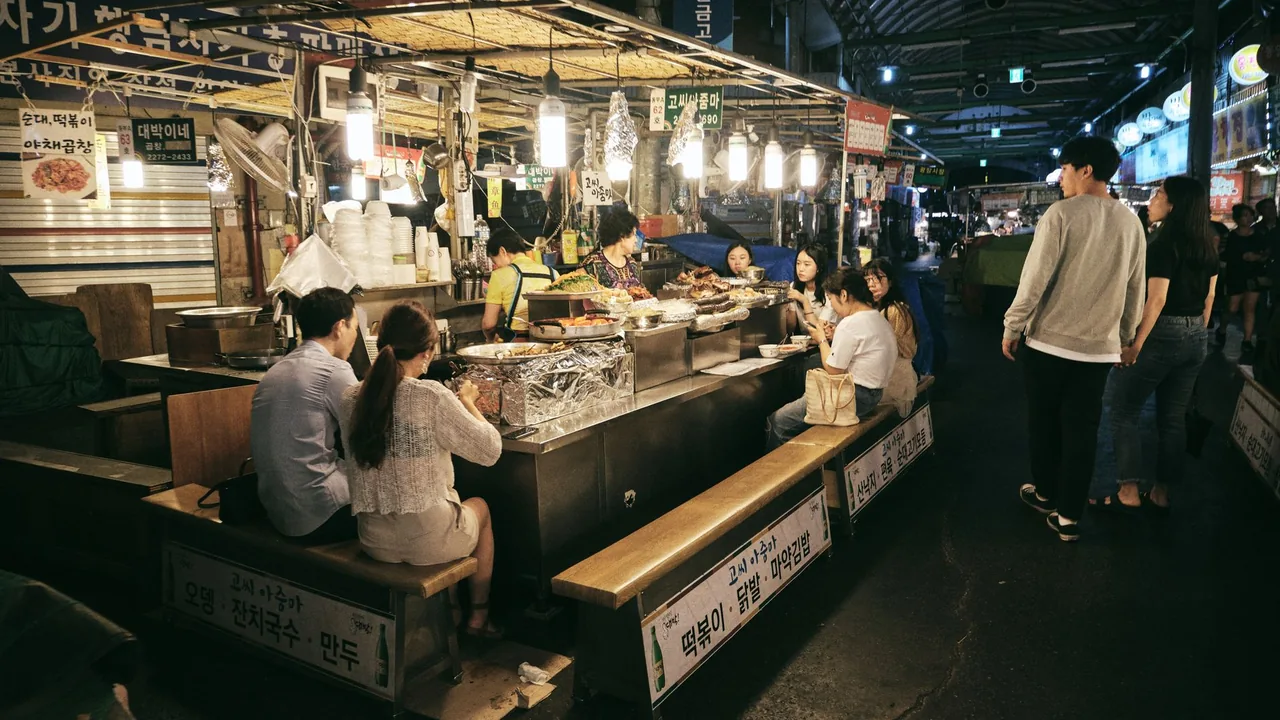
Daejeon isn't on most tourists' radars—and that's exactly why your money stretches further here. While Seoul bleeds your wallet dry with tourist markups and Busan charges beach-town premiums, this central Korean city welcomes you with reasonable prices, zero foreigner tax, and street food that tastes like locals made it specifically for you. Here's the truth: KRW 100,000/day is genuinely doable in Daejeon, but only if you abandon the "travel blogger" playbook and adopt the habits of residents who've been eating well for decades.
Where the Savings Actually Are in Daejeon — by Category
This is your biggest advantage. Daejeon street food markets—especially Daejeon Station Market and Jung-gu Market—operate on local pricing, not tourist pricing. A full meal of kimbap, tteokbokki, and gimbap runs KRW 8,000–12,000. You'll find zero English menus and zero Instagram-bait plating. The food is functional, delicious, and cheap. Sit-down restaurants in residential neighborhoods charge KRW 8,000–10,000 for lunch sets (jungsikdang). Coffee? KRW 3,000–4,500 at local cafés, not the KRW 6,000–8,000 chain coffee shops charge.
Forget boutique guesthouses. Book a goshiwon (독서실 style room) or basic motel in the Jung-gu or Seo-gu districts. These aren't glamorous, but they're clean, safe, and often include a small desk, fan, and basic shower. Coupang stays (capsule-style budget chains) run KRW 35,000–45,000. Airbnb and budget hotels near Daejeon Station go for KRW 40,000–55,000. The key: stay within a 15-minute walk of a subway or bus stop. Location premium doesn't exist here like it does in Seoul.
Daejeon's subway and bus system uses a single payment card (Cashbee or Korea Tour Card). One ride costs KRW 1,250. A day pass doesn't make financial sense unless you're taking 8+ trips. Just load KRW 20,000 on your card and ride. Everything is 15–25 minutes apart by transit. Walking is often faster and free.
Most museums cost KRW 5,000–10,000. The National Science Museum is free. Hiking Gyejoksan Mountain costs zero won. Expo Park (a massive green space from 1993's EXPO) is free. You're not paying Namsan Tower prices; you're exploring a real working city where locals actually live.
5–7 Specific Spots/Neighborhoods with Real KRW Prices
Location: Exit 1 or 2, Daejeon Station (Line 1) What to eat: Kimbap (KRW 8,000), tteokbokki (KRW 7,000), gimbap (KRW 6,000), gyeran mari (KRW 4,000) Why it matters: This is the beating heart of Daejeon's daejeon street food market ecosystem. Vendors have been working the same stalls for 20+ years. Order in Korean or point. No one cares. The tteokbokki vendors will remember your face by day two. Arrive 11am–1pm for lunch crowds (busier = fresher ingredients rotated faster).
Location: Near Chungnam National University (Line 1 stop: Gaepo) What to eat: Kalguksu (KRW 9,000), sundubu jjigae (KRW 9,000), dakgangjeong (KRW 11,000) Why it matters: College town dining. Students keep prices competitive. Portions are generous. The kalguksu places here serve hand-cut noodles in broth that justifies the 15-minute subway ride from downtown. Dinner 5pm–8pm; many close by 9pm.
Location: Subway Line 1, stations between Daejeon and Banwoldae What to eat/stay: Jungsikdang lunch sets (KRW 8,000–10,000), goshiwon motels (KRW 35,000–45,000/night) Why it matters: This is where Daejeon residents actually eat. No tourism infrastructure means no tourism prices. You'll find 5,000-won ramyeon, ajumma-run cafeterias with steam rising from old pots, and zero waiters pushing upsells. Stay here, eat here, walk here. This is the real Daejeon.
Location: Seo-gu, near Geumgang Park Station (Line 2) What to eat: Bindaetteok (KRW 5,000), yachae jeon (KRW 6,000), kimchi jjigae (KRW 8,000) Why it matters: Less crowded than Daejeon Station Market. Fish vendors, produce stalls, and food counters occupy the same warren of tight aisles. Lunch here costs KRW 10,000–12,000 total (soup + side + rice). Quieter vibe = easier to navigate as a foreigner.
Location: West Daejeon, accessible via Bus 101 or taxi (KRW 8,000 from Station) What to eat: Street vendor Korean corn (옥수수, KRW 3,000), bungeoppang (KRW 5,000), hotteok (KRW 4,000) Why it matters: 180-hectare green space built for 1993's World Expo. Completely free. Spend 4–5 hours here walking, sitting, eating cheap street snacks. Less touristed than similar parks elsewhere. Bring a gimbap from the Station Market (KRW 8,000) and eat it overlooking the lake. This is your free-and-delicious afternoon.
Location: Subway Line 1, Dunsan Station area What to eat: Coffee chain alternatives (KRW 3,500–4,500), bowls (KRW 9,000), donskatsu (KRW 10,000) Why it matters: Newer, cleaner, less crowded than Jung-gu. Subway-adjacent. Budget franchise cafés cluster here. Accommodation slightly pricier (KRW 45,000–55,000) but the neighborhood feels safer if you're new to Daejeon. Good compromise between "authentic" and "comfortable."
Etiquette & Practical Tips (Numbered List)
- Always have cash. Daejeon's street food markets and small motels often reject cards. Withdraw KRW 100,000–200,000 at arrival. ATMs (GS25, CU convenience stores) are everywhere, but stalls move faster with won bills.
- Learn these five phrases: 얼마예요? (how much?), 계산해주세요 (bill, please), 물 주세요 (water, please), 맛있습니다 (it's delicious), 감사합니다 (thank you). Vendors appreciate effort more than fluency.
- Eat lunch 11:30am–1:30pm, dinner 5:30pm–7:30pm. Outside these windows, many local spots close or run low on hot dishes. This isn't Seoul with 24-hour everything.
- Take a screenshot of your accommodation address in Korean. Show taxi drivers or bus staff the image. Addresses are formatted differently than Western convention; images avoid confusion and overcheating.
- Buy a Cashbee card (not rechargeable—single-use convenience cards) at any convenience store. Load it with KRW 20,000–30,000 for subway, bus, and sometimes food vendors. Simpler than fumbling with coins.
- Avoid taxis after 11pm if unfamiliar with the city. Use Naver Map (app) to plan subway/bus routes instead. Night taxi drivers sometimes take longer routes. Daytime, taxis are honest and cheap (KRW 4,500–8,000 for most trips).
- Goshiwon rooms have thin walls. If you stay in a budget motel, don't expect silence. Bring earplugs. Hot water is 24/7; showers are private but small. This is normal in Korea's budget tier.
- Sunday is a day many local restaurants close. Plan your meals around Wednesday–Saturday. Daejeon Station Market operates most days, but small goshikdangs (Korean cafeterias) close Sundays.
- Download Naver Map and Kakao Map. Google Maps is sparse here. Use these two apps for everything: restaurants, buses, subway, real-time arrival times, even bathroom locations (Korean: 화장실).
- Tip is not expected and often offensive. Prices include service. Rounding up small change to the nearest 1,000 won is appreciated but never obligatory.
FAQ
Answer: It's your full daily budget if you're disciplined. Food: KRW 25,000–30,000. Accommodation (amortized over 7+ nights): KRW 50,000–60,000/night divides into roughly KRW 7,000–8,500/day. Transport: KRW 10,000–15,000. That leaves KRW 5,000–10,000 for one paid attraction (museum, park entry) or buffer. If you stay 14+ nights, your per-night accommodation cost drops further, making the daily budget easier. Single-night stays inflate costs significantly.
Answer: A goshiwon is a study room that evolved into cheap housing—tiny (3m x 2m), shared bathroom on the floor, basic bed. Motels are designed for couples/travelers, with private bathrooms, air-con, TV, and a small seating area. Both are KRW 35,000–50,000/night. Motels are more comfortable; goshiwons are more authentic and slightly cheaper. Neither is luxury, but both are clean in Daejeon. Check photos carefully before booking.
Answer: Yes, absolutely. Point at food in glass cases. Hold up fingers for quantity (하나 = one, 둘 = two). Learn "cash" (현금, hyunjeum) and "card" (카드). Most vendors know basic numbers in English. The atmosphere is fast-moving but patient. You won't be the only non-Korean speaker; Daejeon has a university population and foreign residents. Smile, point, eat, repeat. Language barrier is minimal at food markets.
Answer: Yes. It's safer than Seoul in terms of street crime (less dense = less risk). The main issues are directional confusion (streets aren't laid out in grids) and late-night isolation. Stay in Jung-gu or Dunsan (populated districts). Use Naver Map religiously. Don't walk alone past midnight in residential areas. As with any Korean city, petty theft at hostels is rare; just lock valuables in your room. Daejeon residents are helpful and generally friendly to visitors.
Answer: Vegetarian is manageable; vegan is harder. Tell vendors 고기 없이 (meat-free). Kimchi jjigae, tteokbokki, and gimbap can be ordered without meat. Bibimbap with no meat exists. Tofu dishes (sundubu) are everywhere. However, broths often contain anchovy or fish stock; communicate clearly. Write down your restriction in Korean or use Google Translate's camera feature to show vendors a written request. Markets are more flexible than sit-down restaurants.
Answer: Yes. Jinan's ginseng fields (30 min by train), Danyang's national park (1 hour by bus), and Cheongju (30 min by express bus) are all accessible. Train/bus costs KRW 5,000–12,000 one-way. Attraction fees vary (KRW 5,000–15,000). Pack your own lunch (gimbap from a market: KRW 8,000) to avoid upcharge tourist town restaurants. A day trip costs roughly KRW 30,000–40,000 total, doable within your budget if you skip a paid attraction in Daejeon proper.
Closing
Daejeon works because it's not trying to be Seoul 2.0 or a postcard town. It's a mid-sized city where scientists, students, and families actually live—and that normality is your budget superpower. Your KRW 100,000/day stretches here because there's zero "tourism tax," zero Instagram premium, and zero pressure to spend like a traveler. You eat like a resident. You sleep like a resident. You move like a resident.
The daejeon street food market won't have Instagram-worthy plating or English descriptions. The motel room won't have a design aesthetic. The subway won't have tourist announcements. But that's exactly where your money goes further, and where Daejeon's real character emerges.
Ask the KORLENS AI chat for Daejeon place suggestions for a tight budget based on your interests. It is an AI assistant that replies in seconds, not a human team, and it works from Korea Tourism Organization open data. Also visiting Seoul? Seoul Local Picks covers Seoul only.
Daejeon is waiting. Your wallet will thank you.
Next Step
About this guide
KORLENS is run by one person (KunStudio, a solo studio in Korea), not an editorial team. Guides are AI drafts based on public sources; some use Korea Tourism Organization TourAPI open data. KORLENS does not claim on-site visits or scheduled re-checks, so confirm hours, prices and closures with the venue before you go. Page last edited: 2026-06-12.
Plan your Korea trip with the KORLENS AI chat
Got a follow-up question after reading this? Ask the KORLENS AI chat in plain English. It is an AI assistant, not a person, and it replies in seconds with places from Korea Tourism Organization open data.
Ask the KORLENS AI chatCurious about Korean Saju? Try sajuapp.app
1,000-year-old Korean astrology, decoded by AI — available in 9 languages.
Is it worth visiting, the best time to go, crowds and real cost.
Best Neighborhoods to Stay in Daejeon for Foreigners (2026 Guide)
Skip Seoul's crowds. Daejeon offers authentic Korean living at half the price. Here's where savvy travelers actually stay in this underrated city.
Daejeon Transport Guide for Foreigners (2026): Subway, Bus, Taxi
Navigate Daejeon like a local. Complete guide to subway, bus, and taxi systems with real prices, insider tips, and etiquette rules for 2026.