Daejeon Transport Guide for Foreigners (2026): Subway, Bus, Taxi
Navigate Daejeon like a local. Complete guide to subway, bus, and taxi systems with real prices, insider tips, and etiquette rules for 2026.
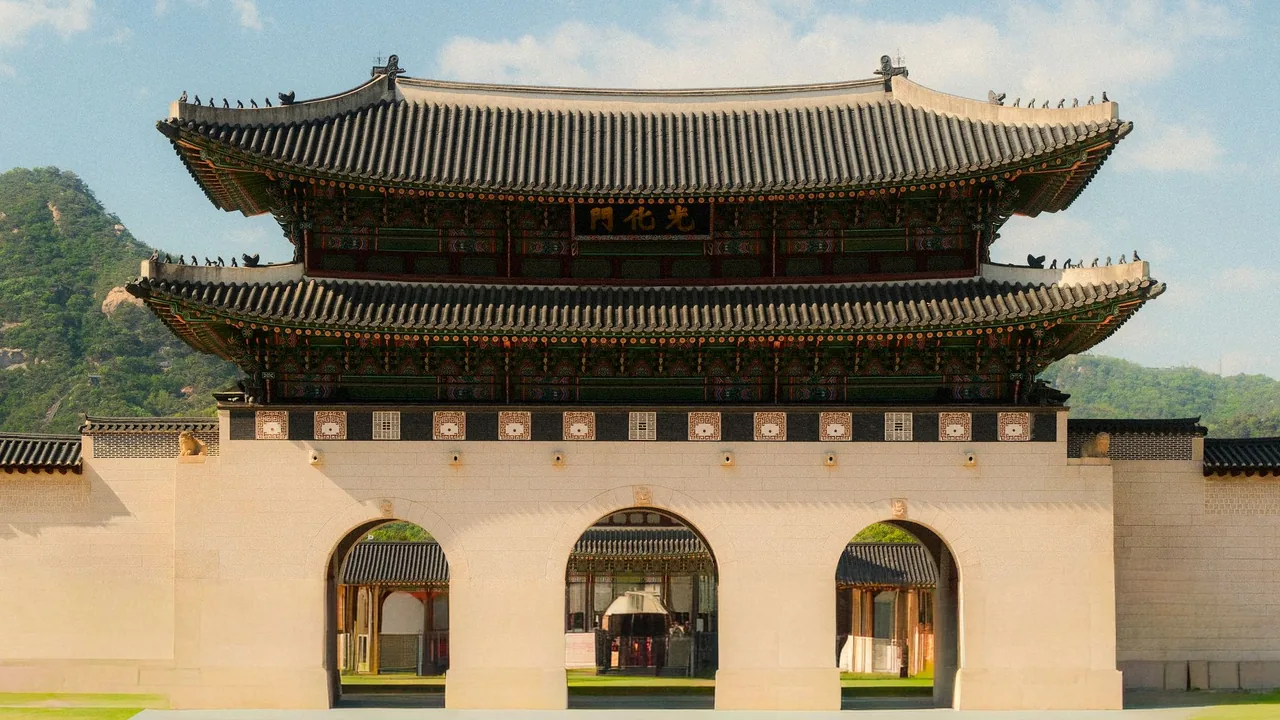
# Daejeon Transport Guide for Foreigners (2026): Subway, Bus, Taxi
Daejeon isn't Seoul, and that's exactly why its transit system actually works better for foreigners. You won't battle 10 million daily commuters on the subway, but you will need to know the quirks—like how the bus driver won't always give change, or why taxis here still avoid card payments. This guide cuts through the confusion and gets you moving through South Korea's fifth-largest city with confidence.
What Actually Works (and Doesn't) for Foreigners
Here's the local truth: Daejeon's Daejeon Metro is your friend. Two lines, clean, predictable, and staffed with people who won't judge you for staring at the map for three minutes. The real friction? Buses. Daejeon's bus system is efficient for locals but requires more street smarts from foreigners—no English announcements, cryptic route numbers, and a cash-first culture that frustrates card users.
Taxis are plentiful and cheap compared to Seoul, but language barriers bite hard. Most drivers don't speak English, and they'll absolutely refuse a card if it's not registered with their system.
The transit card solution: Buy a Cashbee or T-money card at any GS25 or CU convenience store (₩2,500–₩4,000). Load it with cash, and you unlock subway discounts, bus transfers, and payment at 90% of shops. This single move eliminates half your transport headaches.
Real Costs: 5 Key Routes & Neighborhoods
Distance: 12 stops | Fare: ₩1,450 (card) or ₩1,550 (cash) | Time: 28 minutes
Dunsan is Daejeon's modern business hub. Hotels, restaurants, and shopping malls cluster here. The subway runs directly through it—get off at Dunsan or Government Complex stations.
Distance: 8 stops | Fare: ₩1,250 (card) or ₩1,350 (cash) | Time: 18 minutes
Eunhaeng-Dong is packed with street food, cafes, and the young crowd. Weekend shopping scene is intense. Line 2 opened partially in 2023 and still expanding—check current routing before you go.
Distance: ~6 km from downtown | Fare: ₩1,250 (transfer included with card) | Time: 22 minutes
Jungang Market is Daejeon's oldest and most chaotic street market. Fish, vegetables, street snacks. Bus 103 departs every 8–12 minutes from downtown Daejeon Station area. Cash preferred—most vendors won't swipe cards, and ATMs inside are unreliable.
Distance: 8 km | Subway + walk: ₩1,450 + 15-min walk OR Bus 101: ₩1,450, 25-min ride | Best option: Bus 101 direct
Expo Science Park is Daejeon's flagship attraction. The bus is faster than the subway connection. Load your T-money card and tap on at the rear reader—don't forget the exit tap or you'll be charged the maximum fare.
Distance: 14 km | Fare: ₩1,900 (single journey, no transfer) | Time: 38 minutes | Frequency: Every 20 minutes
Beautiful botanical gardens, 40-minute ride from downtown. Use a T-money card; cash riders sometimes get confused about change. Garden entry: ₩3,000.
Distance: 3–5 stops from Daejeon Station | Fare: ₩1,250 | Time: 10 minutes
Walk around Gangbyeon-dong and the older commercial streets. Cheaper restaurants, vintage shops. Subway reaches it faster than buses, which get stuck in traffic.
Distance: ~4 km | Fare: ₩8,500–₩10,200 (2026 rates) | Time: 12–18 minutes depending on traffic
Cheaper than Seoul's equivalent, but traffic on weekday mornings (7–9am) and evenings (5–7pm) can double your time. Payment: Insist on cash before entering if card is uncertain. Most drivers carry change but hate giving it—exact cash wins points.
8 Essential Etiquette & Practical Tips
- Tap your card TWICE—entry and exit. On buses, scan at the rear reader when boarding, then again when leaving. Missing the exit tap triggers the max fare charge. Foreigners do this wrong constantly.
- No eating on the subway. Drinking water is technically allowed, but eating—even a sandwich—draws stares. People respect this rule fiercely in Korea.
- Priority seats are sacred. If you sit in a blue/pink colored seat and an elderly person boards, stand immediately. Failure to do so will result in audible disapproval from other passengers.
- Buses stop on demand. Announce your stop by pressing the red button or saying the stop name loudly. Otherwise, the driver assumes nobody's getting off.
- No loud phone calls. Texting fine, voice calls not acceptable on transit. Keep your volume down or get the silent disapproval treatment.
- Load your T-money card with at least ₩5,000. Buses and subway machines accept cards only—ATMs aren't always near stations. Running out mid-journey is embarrassing and expensive.
- Get off quickly at your stop. Daejeon commuters don't wait. Step out fast; people behind you won't pause.
- Taxi door opens automatically. Don't pull—let it open, and don't slam it. Hitting the automatic door hard enough to damage it carries a small fine the driver will demand.
- Ask the hotel concierge for directions, not the driver. Most taxi drivers use GPS and can't read English addresses. Hotel staff will write directions in Korean that the driver understands.
- Keep your receipt if you left a bag. Daejeon has a solid lost-and-found system for taxis. The receipt has the taxi number; call the taxi company (usually printed on the receipt) within 24 hours.
Frequently Asked Questions
Q: Is Daejeon's public transport better than Seoul's?
A: Easier to navigate, definitely. Fewer lines means less decision paralysis. But Seoul's English signage and foreigner-friendly infrastructure give it the edge for non-Korean speakers. Daejeon requires more active problem-solving—you'll need Google Maps and a willingness to ask staff for directions in broken Korean.
Q: Can I use my Seoul T-money card in Daejeon?
A: Yes. T-money is nationwide. Your balance transfers. However, Daejeon also uses Cashbee—most vendors accept both, but T-money is more universal. If you only have Cashbee from a local store, it works everywhere in Daejeon.
Q: What's the fastest way to get from Daejeon Station to the airport?
A: Daejeon International Airport is 40 minutes south. Take the Airport Limousine Bus (₩9,000–₩11,000 depending on destination) directly from Daejeon Station. It's cheaper and faster than taxi. Buses depart every 20–30 minutes, 6am–9pm. Book online via Naver or Kakao Map, or buy tickets at the station ticket booth.
Q: Are night buses safe?
A: Very safe. Daejeon has virtually no street crime affecting tourists. Night buses run until around midnight. After midnight, use taxis—they're cheaper than most Western cities anyway. Uber-style apps like Kakao Taxi work if you have a Korean phone number, but asking your hotel to call a taxi is more reliable.
Q: Do I need to download an app for Daejeon transit?
A: Naver Map or Kakao Map is essential. Both show real-time subway/bus arrivals, route options, and fares in English. Google Maps works but isn't always current for Daejeon-specific changes. Download both before you arrive.
Q: What happens if I don't tap my card on the bus exit?
A: You'll be charged the maximum single-journey fare (₩2,150). If this happens multiple times, your card gets flagged. Go to any convenience store and explain (in broken English, using Google Translate) that you're a foreign tourist and forgot. Staff are usually sympathetic and will reset your card balance.
Ready to Move Through Daejeon Like You Know the City?
Daejeon's transport system rewards preparation. Buy a T-money card, download Naver Map, and respect the unspoken rules (priority seats, no food, tap twice on buses). You'll move faster than 90% of visiting foreigners and won't get stuck waiting for a taxi driver who speaks English.
Ask the KORLENS AI chat for Daejeon place suggestions based on your interests. It is an AI assistant that replies in seconds, not a human team, and it works from Korea Tourism Organization open data. Also visiting Seoul? Seoul Local Picks covers Seoul only.
Safe travels through Daejeon.
Next Step
About this guide
KORLENS is run by one person (KunStudio, a solo studio in Korea), not an editorial team. Guides are AI drafts based on public sources; some use Korea Tourism Organization TourAPI open data. KORLENS does not claim on-site visits or scheduled re-checks, so confirm hours, prices and closures with the venue before you go. Page last edited: 2026-06-12.
Plan your Korea trip with the KORLENS AI chat
Got a follow-up question after reading this? Ask the KORLENS AI chat in plain English. It is an AI assistant, not a person, and it replies in seconds with places from Korea Tourism Organization open data.
Ask the KORLENS AI chatCurious about Korean Saju? Try sajuapp.app
1,000-year-old Korean astrology, decoded by AI — available in 9 languages.
Is it worth visiting, the best time to go, crowds and real cost.
Daejeon Cherry Blossom 2026: Best Spots and Exact Timing
Skip Seoul crowds. Daejeon's cherry blossoms peak 3–5 days earlier and cost half the price. Best neighborhoods and insider etiquette rules.
7 Best Day Trips from Daejeon (2-Hour Radius, 2026)
Skip the tourist traps. These 7 countryside day trips from Daejeon hit the sweet spot between accessibility and authenticity—all within 2 hours by car or train.