Daejeon Shopping Guide 2026: Best Districts and Markets
Skip the Seoul crowds. Daejeon's shopping districts deliver authentic Korean markets, better prices, and zero tourist markup. Your insider map to every neighbor
# Daejeon Shopping Guide 2026: Best Districts and Markets
The Reality Nobody Tells You
Daejeon isn't Seoul, and that's exactly why you should shop here. While tourists queue outside Myeongdong for overpriced skincare, you'll find the same products—sometimes cheaper, always less crowded—across Daejeon's market streets. The city's five districts each specialize in different goods, and locals know the rhythms: weekday mornings are quiet, Friday evenings flood with office workers, and markets close between 1–3 p.m. for lunch. This guide cuts through the noise and gets you to what actually matters: where to spend your money, what to expect, and how not to look lost.
Match Your Shopping Purpose to the Right District
Daejeon's layout isn't random. Each neighborhood evolved around specific commerce, and shopping there means you're in the right ecosystem.
Seo-gu (West District): Fashion, cosmetics, bulk bargains. Think high foot traffic, fast-moving inventory, student prices.
Jung-gu (Central District): Department stores, branded goods, premium shopping. Quieter, pricier, business-casual clientele.
Dong-gu (East District): Furniture, home goods, wholesale. Industrial vibe. You go here knowing exactly what you need.
Dae-dong (Great East): Residential shopping, neighborhood markets. Genuine local experience, lower tourism overhead.
Nam-gu (South District): Mixed retail, suburban malls. Useful if you're based there, not a shopping destination.
---
6 Specific Neighborhoods & Markets You Need to Know
This is Daejeon's answer to Myeongdong, but locals actually shop here instead of tourist-watching. Two parallel streets (roughly 500m) packed with independent boutiques, chain stores (Zara, H&M, Uniqlo equivalents), and street vendors.
What to buy: Seasonal fashion, winter coats (₩60,000–₩150,000), shoes (₩30,000–₩80,000), accessories.
Real price example: A branded winter parka costs ₩89,000–₩110,000 in mid-season sales. Same jacket in Seoul subway shops: ₩130,000+.
When to go: Weekday mornings (9–11 a.m.) are manageable. Friday after 4 p.m. is packed. Tuesday–Thursday are ghost town.
Logistics: Metro Line 1, Dunsan Station, Exit 1. Walk 5 minutes.
---
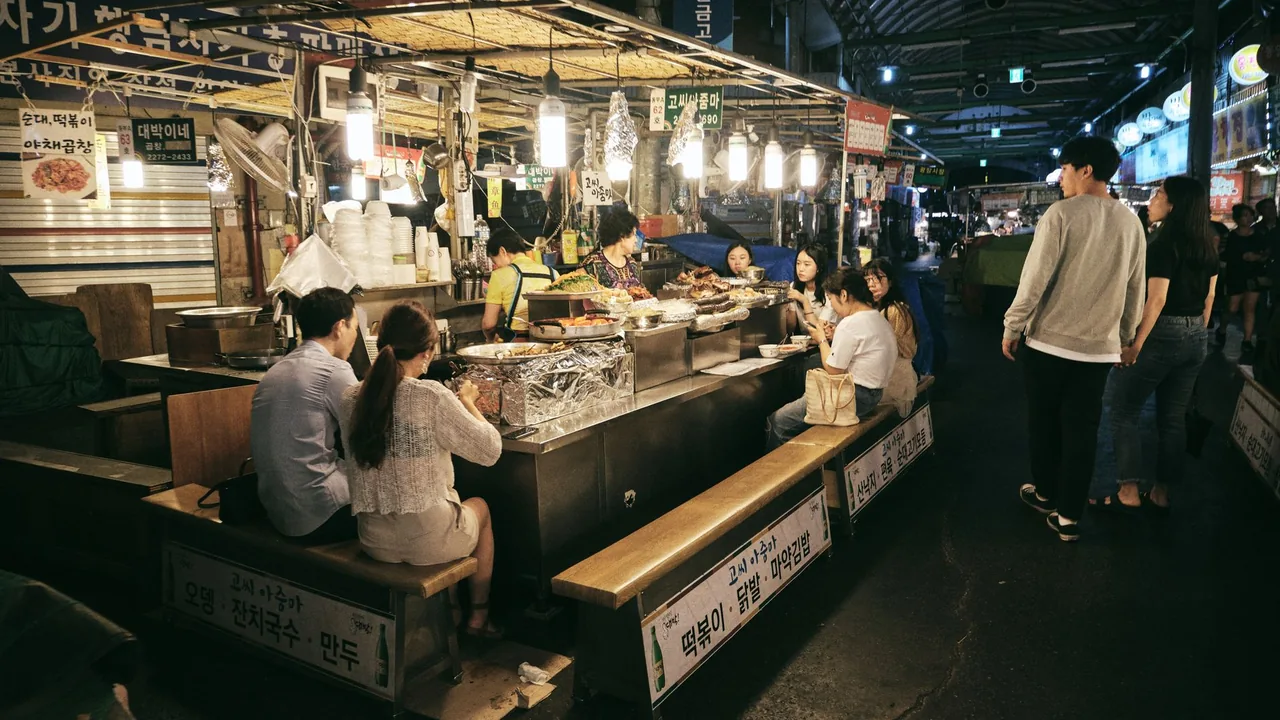
This is the real deal. Not a tourist market. Families, ajummas, restaurant owners, and serious home cooks shop here daily. Roughly 800 stalls across four sub-markets.
What to buy: Vegetables (₩2,000–₩8,000/bunch), fish (₩8,000–₩25,000/pack), dried goods, kitchen equipment, random housewares, street food.
Real example: A whole mackerel: ₩12,000. Bundle of Korean perilla leaves: ₩3,000. Stainless steel bowls (5-piece set): ₩15,000.
Food stalls: Tteokbokki, mandu, kimbap. Meals ₩5,000–₩8,000. Legitimately cheap and good.
Timing: Open 8 a.m.–7 p.m. Busiest 10 a.m.–1 p.m. Avoid lunch hour unless you like chaos.
Getting there: Metro Line 1, Daejeon Station. Walk 10 minutes or taxi ₩3,500.
---
Officially Chungnam National University area, but the book and stationery cluster is what matters. Independent bookstores, used book cafés, and stationery shops line the neighborhood.
What to buy: Korean literature (English translations ₩12,000–₩18,000), stationery (notebooks ₩3,000–₩8,000), vintage finds, art supplies.
Local secret: Used book stalls sell recent releases at 40% off. Korean grammar books and study materials are cheaper here than anywhere in Korea.
Vibe: Hipster-leaning, full of students, plenty of cafés for breaks.
Access: Metro Line 1, Chungdae Station, Exit 2. It's a 15-minute walk, uphill. Doable.
---
This isn't a traditional market. But it's where Daejeon locals buy outlet-priced branded goods. Multiple Korean and international brands at 30–60% off retail.
What to buy: Clothing (Nike, Adidas, local brands), shoes, accessories, kids' wear.
Price reality: An Adidas tracksuit normally ₩180,000 sells for ₩78,000–₩95,000 here.
Warning: No bargaining. Prices are fixed. Sales staff are indifferent to English.
Getting there: Metro Line 1, Convention Center Station. Direct access.
---
If you're furnishing an apartment or stocking a kitchen, this industrial area is unbeatable. Wholesale prices, bulk discounts, zero markup.
What to buy: Bedroom sets, dining tables, kitchen appliances, storage solutions, office furniture.
Real example: A basic Korean-style bed frame: ₩180,000 (retail ₩350,000+). Stainless steel refrigerator: ₩1,200,000 (vs. ₩1,600,000 retail).
How it works: Walk in, ask prices, negotiate if buying multiple items. Shop owners expect it.
Catch: Delivery fees apply if shipping. Local delivery ₩50,000–₩100,000.
Logistics: Taxi or rental car recommended. Not easily metro-accessible.
---
A mid-tier shopping experience. Not luxury, not bargain. Useful if you want a clean, organized, air-conditioned environment without Seoul-level crowds.
What to buy: Fashion (Zara, Mango, local brands), cosmetics (Sulwhasoo, Laneige at standard prices), accessories, casual dining.
Price point: Standard Korean retail. No discount. No bargain. But reliable and safe.
Vibe: Families, office workers, people with limited time.
Getting there: Metro Line 2, Expo Park Station, direct access.
---
10 Practical Shopping Rules for Daejeon
- Bring cash and a small backpack. Many independent vendors don't take cards reliably. Markets are crowded; you'll want hands free.
- Learn these Korean phrases: "얼마예요?" (How much?), "쌌어요?" (Is it cheaper?), "깎아 줄래요?" (Can you negotiate?). Basic respect = better prices.
- Markets close 1–3 p.m. This is universal lunch break. Don't plan shopping then unless you enjoy watching people eat.
- Cash-only vendors do exist. ATMs are everywhere, but have 50,000–100,000 KRW on hand. Reduces friction.
- Haggle, but smartly. At traditional markets and wholesale areas, 10% off is reasonable. In branded outlets or department stores, don't bother.
- Check expiry dates on skincare/food products. They're legitimate, but Korean products sometimes sit in storage longer than expected.
- Sizes run small. Korean S = typical XS/XS. Always try on or know your conversion.
- Download Naver Map offline. Subway service is reliable, but street-level navigation matters. Internet can lag.
- Tax refunds exist, but require receipts and passport. You need ₩100,000+ in a single store to trigger VAT refund. Markets and small shops don't participate.
- Avoid Monday openings. Some neighborhood shops close Mondays. Call ahead or check Naver if it's a specific place.
---
FAQ: Your Real Daejeon Shopping Questions Answered
A: Partially true, not fully. Department stores and branded outlets have similar prices. Street fashion and traditional markets are 15–30% cheaper in Daejeon because there's less tourist overhead and rent is lower. The real advantage is experience: you shop like a local, not a tourist. Wholesale areas (furniture, housewares) are significantly cheaper—sometimes 40% off retail. Focus your budget there, not fashion.
A: Tuesday–Thursday, 9–11 a.m., or 5–7 p.m. Weekday mornings are quiet and vendors are fresh. Evening sessions catch office workers and dinner shoppers. Fridays and weekends are crowded but have more selection because restocking happens. Avoid lunch (1–3 p.m.) and Sundays (many older vendors close). Plan around this rhythm.
A: Department stores and major outlets have English-speaking staff. Traditional markets and small boutiques almost never do. Your best bet: Naver Papago app for real-time translation, memorize key phrases, or go with a Korean friend. Most vendors are patient with tourists—they just want your money.
A: No meaningful difference from Seoul. Prices are set nationally by brands (Laneige, Sulwhasoo, Dr. Jart+). Discount stores like CosRX or Purito brands might be ₩2,000–₩5,000 cheaper, but that's inconsistent. Buy cosmetics where it's convenient, not for the savings.
A: Counterfeit goods (if offered), unpackaged beauty products, electronics without warranty cards, and anything that feels too cheap. Daejeon's markets are legitimate, but occasionally you'll see fake branded items. If a ₩200,000 handbag is being sold for ₩30,000, it's fake. Walk away. Stick to fresh goods, local brands, and reputable vendors.
A: Compare prices across 3–4 similar stalls. Watch how much locals pay for the same item. If your price is 2–3x higher, pushback is fair. Most traditional markets use scales for produce, so weight-based pricing is transparent. For clothing or goods without fixed pricing, negotiate to 80–90% of the asking price.
---
Final Word
Daejeon shopping isn't Instagram-worthy glitz. It's practical, real, and reflective of how actual Korean people buy their clothes, food, and furniture. You're not visiting a consumer museum—you're shopping in a functional city. That's the advantage.
Start at Dunsan Fashion Street to build confidence, then move to the Traditional Market for the genuine local experience. Hit the specialty districts based on what you need. Bring cash, be patient with language barriers, and remember: the best deal is the one you didn't rush into.
Ask the KORLENS AI chat for Daejeon shopping suggestions based on your interests. It is an AI assistant that replies in seconds, not a human team, and it works from Korea Tourism Organization open data. Also visiting Seoul? Seoul Local Picks covers Seoul only.
Shop like you live here.
Next Step
About this guide
KORLENS is run by one person (KunStudio, a solo studio in Korea), not an editorial team. Guides are AI drafts based on public sources; some use Korea Tourism Organization TourAPI open data. KORLENS does not claim on-site visits or scheduled re-checks, so confirm hours, prices and closures with the venue before you go. Page last edited: 2026-06-13.
Plan your Korea trip with the KORLENS AI chat
Got a follow-up question after reading this? Ask the KORLENS AI chat in plain English. It is an AI assistant, not a person, and it replies in seconds with places from Korea Tourism Organization open data.
Ask the KORLENS AI chatTry the Korean skincare products mentioned in this guide
Olive Young Global — free international shipping over $60, ships to 150+ countries.
Shop Olive Young GlobalCurious about Korean Saju? Try sajuapp.app
1,000-year-old Korean astrology, decoded by AI — available in 9 languages.
Is it worth visiting, the best time to go, crowds and real cost.
Daejeon Cultural Landmarks in Half a Day (2026 Local Guide)
Skip the tourist traps. Hit Daejeon's best daejeon cultural landmark heritage sites in 4 hours with insider routes, real prices, and what locals actually do.
12 Daejeon Photography Spots for Instagram (2026 Local Picks)
Skip the tourist traps. These 12 Daejeon photography spots reveal where locals actually shoot—from hidden canal walks to neon-soaked alleyways.