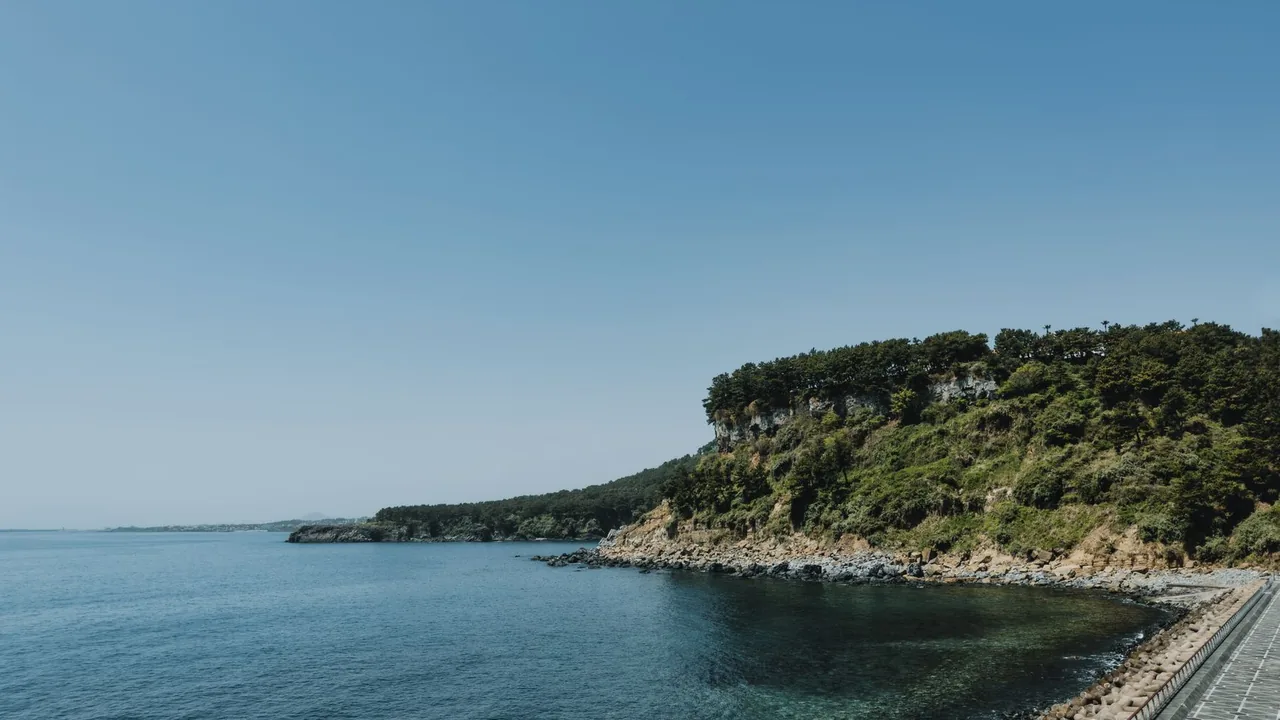
Is Jeju worth visiting? An honest take — and Jeju vs mainland Korea
Wondering whether to add Jeju Island to your Korea trip? Here's the honest answer — a hikeable volcano, lava caves, waterfalls, beaches and a slow island pace versus the mainland's cities, history and shopping. Who Jeju is genuinely worth it for, the real downsides, and whether the extra flight earns its place.
The honest verdict
Jeju is worth visiting — if you treat it as its own trip, not a rushed overnight. It is Korea's volcanic holiday island: a hikeable peak, lava caves, waterfalls, coastal cliffs and beaches, all at a slower, more rural pace than the mainland. It is strongest for nature, scenic-drive and beach lovers with two or three nights and a rental car. The catch is the logistics: it's a separate flight, you really want a car, and on a short Korea trip that time may be better spent on the mainland. Know the trade-offs below and you'll know whether the flight earns its place.
Leaning towards adding Jeju?The quickest gut-check is to look at what you'd actually do there — a Hallasan or oreum hike, a UNESCO lava-tube and waterfall day tour, a coastal-drive sightseeing trip. Browse the real options and the decision usually makes itself.
Free cancellation on most · best-seller Jeju experiences
GetYourGuide · free cancellation up to 24h · verified traveler reviews
Affiliate links to GetYourGuide. If you book through them, KORLENS may earn a small commission at no extra cost to you. We only suggest experiences that fit your trip honestly.
Worth it or not — the honest scorecard
What Jeju does brilliantly, and the catch for each — so you decide with clear eyes, not just the highlight reel.
Nature & scenery
Worth it: Korea's best concentration of natural drama — a hikeable volcano (Hallasan), lava-tube caves, waterfalls, coastal cliffs and oreum cones you won't find on the mainland.
The catch: It is spread across the island, so the best of it needs a car, and weather can close viewpoints and trails on short notice.
Beaches & coast
Worth it: Genuine holiday beaches and turquoise-tinged coves, plus scenic coastal drives — a true island break, not a city day at the sea.
The catch: Beaches truly shine only in warm months, which are also the hottest, busiest and priciest, with a rainy spell.
Pace & vibe
Worth it: Noticeably slower and more rural than Seoul or Busan — a relaxed, scenic-drive rhythm that's a real change of pace.
The catch: If you mainly want dense big-city energy, history, shopping and nightlife, the mainland does far more of it.
Food & culture
Worth it: A distinct island food scene — black pork, fresh seafood, citrus — and unique heritage like the haenyeo (women divers).
The catch: Cultural depth is lighter than the mainland's palaces and historic cities, and the best local spots often have little English.
Getting there & around
Worth it: A short, frequent domestic flight from Seoul or Busan makes the island easy to reach in under an hour or so.
The catch: It's a separate flight leg, and once there a rental car (with an international permit) is almost essential — taxis add up fast.
Value
Worth it: Outside peak season, an island holiday at often-reasonable prices; many viewpoints, beaches and coastal walks are free.
The catch: Peak summer hotels and car rentals spike, and adding Jeju means a flight, transfers, a car and at least two more nights.
Jeju vs mainland Korea — which is right for you
They're different trips, not better-or-worse. On a first, week-or-less trip the mainland usually wins on variety; with more time, or if nature is the point, Jeju is a strong add-on rather than a replacement.
Pick Jeju if you want…
- Volcanic scenery, hikes and lava caves.
- Beaches and a real island holiday feel.
- Scenic coastal drives at a slow pace.
- Nature over cities, with a rental car.
Pick mainland Korea if you want…
- Palaces, history and big-city neighborhoods.
- The deepest shopping and nightlife in Korea.
- Easy day trips like the DMZ from Seoul.
- Maximum variety without a separate flight or car.
Who Jeju is worth it for, and when to go
- Give it two or three nights, and a car. The flight from Seoul is around an hour, but the island is built around driving — a rental car (with an international permit) lets you pair the east and west coasts, a hike and a beach without taxi bills or feeling stuck near your base.
- Shoulder seasons for the best balance. Late spring and early autumn arguably hit the best mix of mild weather, green or golden scenery and thinner crowds; summer is warm beach season but hottest, busiest and priciest, with rain and occasional typhoon risk.
- Budget the extra flight and car. Adding Jeju means a domestic flight, transfers, a rental car and at least two more nights — see the Korea trip cost guide to weigh it against the rest of your trip.
See what you'd actually do
한국 체험 둘러보기
서울, 부산, 제주를 비롯한 전국 5,000개 이상의 투어. 실제 여행자 리뷰 기반.
On the fence about adding Jeju? Browsing the real experiences is the quickest gut-check — a Hallasan hike, UNESCO lava-tube or coastal day tour usually tips the decision one way or the other.
Affiliate disclosure: links on this page to GetYourGuide (and the partners below) are affiliate links. If you book through them, KORLENS may earn a small commission at no extra cost to you. We only suggest experiences that fit your trip honestly.
Frequently asked: is Jeju worth visiting?
Is Jeju Island worth visiting in 2026?
For most travelers, yes — if you give it at least a couple of nights and treat it as its own trip, not a quick stop. Jeju is Korea's volcanic holiday island: a tall central peak you can hike, lava-tube caves, waterfalls, coastal cliffs, beaches and a noticeably slower, more rural pace than Seoul or Busan. It is especially worth it if you like nature, scenic driving and relaxed island travel, and if you can spare two or three nights. It is a weaker fit if you only have a few days total for Korea, dislike needing a car, or are mainly after big-city shopping, history and nightlife, where the mainland does far more.
Jeju vs mainland Korea — which should I visit?
They are different trips, not better-or-worse. Mainland Korea (Seoul, Busan and beyond) is where the cities, palaces, history, shopping, nightlife and most day trips are — the deepest, most varied side of the country. Jeju is nature-first and calmer: volcanic landscapes, hikes, beaches and a scenic-drive holiday feel, but it requires a separate flight and usually a rental car. If it is your first trip and you only have about a week, the mainland alone is the safer pick for variety. If you have more time or specifically want an island-and-nature break, Jeju is a strong add-on rather than a replacement.
Is Jeju worth the extra flight from Seoul or Busan?
It depends on your time and what you want. Jeju is an island, so reaching it means a short domestic flight (roughly an hour from Seoul, less from Busan) — quick and frequent, but it is still a separate leg with its own airport transfers and, ideally, a rental car once there. The honest math: if you have a week or less for all of Korea, that flight and the island's driving distances can eat into mainland time you might value more. With ten days or more, or if nature and beaches are a priority, the extra flight is usually well worth it. A rushed overnight, by contrast, barely scratches the island.
What are the downsides of visiting Jeju?
Plainly: it is spread out and built around driving, so without a rental car (and an international permit) you spend a lot on taxis or feel stuck near your base; the weather is changeable — wind, rain and fog can close viewpoints or trails with little warning; the headline spots get crowded and commercial in peak season while the quieter corners need a car to reach; and outside tourist zones the language barrier is real, as elsewhere in Korea. None are deal-breakers, but Jeju rewards planning — a car, a weather buffer and realistic distances — rather than improvising on arrival.
How many days do you need in Jeju?
Two to three nights is the sweet spot for a first visit: enough to pair the east and west coasts, a waterfall or two, a beach, a lava-tube cave and either a Hallasan hike or an easier oreum (volcanic cone) walk, without spending the whole time in the car. One night feels clipped and stressful given the flight and driving. Four or more nights suits hikers, beach loungers or anyone wanting a genuine slow-island rhythm. A same-day or single-overnight trip from the mainland, by contrast, only lets you see one corner.
When is the best time to visit Jeju?
It depends what you want. Late spring and early autumn are arguably the best all-round: mild weather, green or golden landscapes and the island at its prettiest, with fewer weather closures than mid-summer or winter. Summer is warm beach season but also the hottest, most humid, busiest and most expensive, with a rainy spell and occasional typhoon risk. Autumn brings comfortable temperatures and clear views. Winter is mild compared to the mainland and quieter, though windy and too cool for the beach. Whatever month, check crowd and cost pressure — and the weather outlook — for your exact dates before booking.
KORLENS itinerary PDF
Skip the planning — grab a ready-made itinerary
Want the day-by-day done for you? These are our own downloadable Korea itinerary PDFs — a realistic, area-grouped plan you can follow on your phone. Save the hours of piecing one together yourself.
These are KORLENS's own paid itinerary PDFs, sold through Gumroad. Optional — the free guides on this site stand on their own.
Sponsored picks
Adding Jeju? Line up the essentials
Compare flights to Jeju (CJU), hotels, eSIM, insurance and an airport transfer in advance — the early-booking moves that keep an island add-on smooth. KORLENS earns a small commission on bookings; your price stays the same.
Top tours & tickets
Skip-the-line entry to palaces, hanbok rental, DMZ day trips.
Cheap flights to Korea
Aviasales compares 100+ airlines + 728 agencies. Lowest-price calendar.
Hotels in Korea
Trip.com compares 100K+ properties. Free cancel on most rooms.
Experiences & day trips
K-pop dance class, Nami Island, cherry blossom tours, hanbok shoot.
Travel insurance
EKTA covers medical, baggage and trip cancellation for your Korea trip.