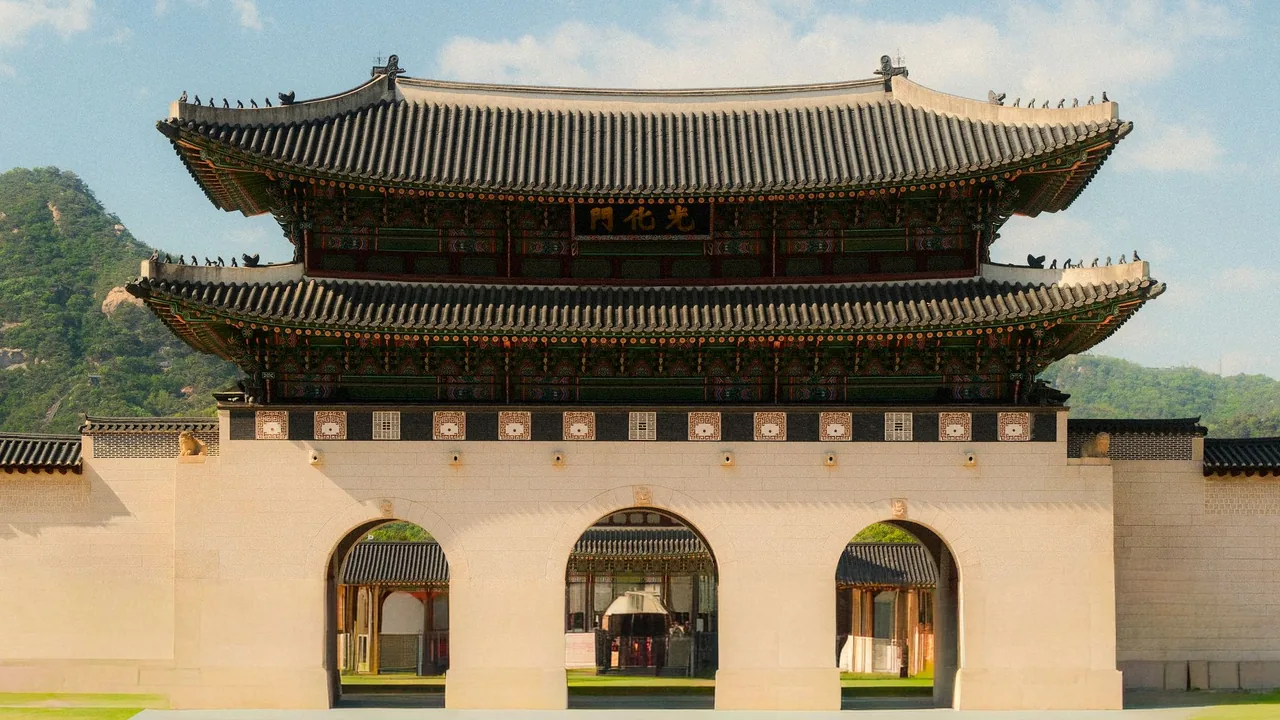
Is Korea worth visiting in 2026? An honest reality check
Trying to decide if South Korea is worth the trip? Here's the honest answer — what genuinely makes it worth it, the real downsides nobody sugarcoats, the best time to go, rough costs, and who should skip it.
The honest verdict
For most travelers, South Korea is absolutely worth visiting in 2026 — as long as you go in for what it actually does best. It is a compact, safe, easy-to-cross country that packs world-class food, fast and cheap transport, ancient palaces beside neon megacities, and real mountains and coastline into a short flight-hop of distance. It is strongest for food, culture and city lovers, and a weaker fit if you mainly want quiet beaches, total escape from crowds, or effortless English everywhere. Know the trade-offs below and you'll have a great trip rather than a disappointed one.
Leaning towards going?The fastest way to know if Korea is your kind of trip is to look at what you'd actually do there — palace and DMZ day trips, food tours, hanbok and K-culture experiences. Browse the real options and the decision usually makes itself.
Free cancellation on most · best-seller Korea experiences
GetYourGuide · free cancellation up to 24h · verified traveler reviews
Affiliate links to GetYourGuide. If you book through them, KORLENS may earn a small commission at no extra cost to you. We only suggest experiences that fit your trip honestly.
Worth it or not — the honest scorecard
What Korea does brilliantly, and the catch for each — so you decide with clear eyes, not just the highlight reel.
Food
Worth it: One of the world's great food countries — BBQ, stews, street food and convenience-store gems, almost all great value.
The catch: Spice and unfamiliar dishes take adjusting to; the very best local spots often have little English.
Getting around
Worth it: Cheap, fast, clean public transport; high-speed rail links cities; a transport card covers most of it.
The catch: Rush-hour subways are packed, and the network is dense enough to feel overwhelming at first.
Culture & sights
Worth it: Palaces, temples, hanok villages and modern art sit beside megacity skylines — a lot of variety in a small country.
The catch: The famous sights get crowded, and big-name districts can feel commercial and touristy.
Nature
Worth it: Mountains for hiking, a long coastline, islands like Jeju, plus distinct seasons (blossoms, foliage, snow).
The catch: Weather is seasonal: hot, humid summers with a rainy spell and genuinely cold winters.
Ease & safety
Worth it: Widely regarded as safe and convenient, with 24-hour cities and growing bilingual signage and apps.
The catch: Outside tourist zones the language barrier is real — translation apps do most of the heavy lifting.
Value
Worth it: Mid-priced overall: food and transport are cheap; many top experiences (palaces, hiking, markets) are free or low-cost.
The catch: International airfare and peak-season hotels are the big costs; tourist-zone shopping adds up fast.
Who it's for — and who should skip it
Korea is worth it if you…
- Love food, café culture and city energy.
- Want palaces, temples and modern culture in one trip.
- Like efficient, walkable, transit-friendly travel.
- Enjoy mixing mountains and coastline with big cities.
- Value a safe, convenient, well-organized destination.
You might skip it if you…
- Mainly want empty tropical beaches or total remoteness.
- Strongly dislike crowds and can only travel at peak season.
- Want effortless English everywhere, including off the tourist trail.
- Prefer slow, rural escapes over dense, fast-paced cities.
Best time to go, and what to plan around
- Spring and autumn are prettiest but busiest. Cherry blossoms (around April) and autumn foliage (around October–November) are the postcard seasons — and the most crowded and expensive. Shoulder weeks balance both.
- Summer is hot and humid with a rainy spell; winter is cold but quieter, cheaper and good for snow and festive lights.
- Plan the must-dos, accept you'll miss some. Korea offers more than one trip can hold — a loose plan beats trying to see everything.
- Budget the flight separately. On-the-ground costs are mid-priced; international airfare is usually the biggest single expense — see the Korea trip cost guide for a full breakdown.
See what you'd actually do
한국 체험 둘러보기
서울, 부산, 제주를 비롯한 전국 5,000개 이상의 투어. 실제 여행자 리뷰 기반.
Still on the fence? Browsing the real experiences is the quickest gut-check — a palace, DMZ or food day trip usually tips the decision one way or the other.
Affiliate disclosure: links on this page to GetYourGuide (and the partners below) are affiliate links. If you book through them, KORLENS may earn a small commission at no extra cost to you. We only suggest experiences that fit your trip honestly.
Frequently asked: is Korea worth visiting?
Is South Korea worth visiting in 2026?
For most travelers, yes. Korea packs a lot into a compact, easy-to-cross country: world-class food, fast and cheap public transport, ancient palaces a subway ride from neon megacities, dramatic mountains and coastline, and a famously safe, convenient travel experience. It is especially strong value if you love food, city energy and culture. It is a weaker fit if you mainly want quiet beaches, total escape from crowds, or a place where everyone speaks your language outside tourist zones. Go in with the right expectations and it delivers.
Is Korea worth it for first-time tourists?
First-timers tend to have an easy, rewarding trip. Seoul and Busan are walkable and transit-friendly, signage and apps are increasingly bilingual, and a week comfortably covers palaces, markets, mountains and at least one other city. The main adjustments are the language barrier away from tourist areas, the wall of choice (you can't see everything), and crowds at the famous spots. Pre-planning the must-dos and accepting you'll miss some things makes a first trip far less stressful.
What are the downsides of visiting Korea?
Honestly: the headline tourist districts can feel crowded and commercial; spring blossom season and major holidays bring big crowds and higher prices; summers are hot and humid with a rainy spell, and winters are genuinely cold; air quality can dip on some spring days; and outside tourist zones the language barrier is real, though translation apps cover most of it. None of these are deal-breakers for most people, but they are worth planning around rather than discovering on arrival.
When is the best time to visit Korea?
Spring (around April–May) and autumn (around late September–November) are the most popular for mild weather, cherry blossoms and autumn foliage — but they are also the busiest and priciest, especially around blossom peak and major holidays. Early summer and late autumn shoulder periods offer a good balance of decent weather and thinner crowds. Winter is cold but quieter and cheaper, and good for snow and festive lights. Pick the season that matches what you want, then check crowd and cost pressure for your exact month before booking.
How much does a trip to Korea cost?
It depends heavily on travel style, season and where you fly from. As a planning estimate, on-the-ground daily spending (excluding international flights) tends to fall into rough bands: budget travel around 70,000–120,000 KRW per person per day, mid-range around 120,000–250,000 KRW, and comfortable from roughly 250,000 KRW up. International airfare is usually the single biggest line item and varies enormously by route and how early you book. See the KORLENS Korea trip cost guide for a fuller breakdown.
Who should skip visiting Korea?
Korea is not for everyone. If your ideal trip is empty tropical beaches, total remoteness, or minimal big-city time, Korea's strengths — food, urban energy, culture, mountains — may not match. If you strongly dislike crowds and can only travel during blossom season or major holidays, you may find the famous spots overwhelming. And if you want everywhere to be effortlessly English-speaking, you'll need translation apps outside tourist zones. For everyone else — especially food, culture and city lovers — it is well worth the trip.
Sponsored picks
Decided to go? Line up the essentials
Compare flights, hotels, eSIM and travel insurance in advance — the early-booking move that keeps a Korea trip smooth and affordable. KORLENS earns a small commission on bookings; your price stays the same.
Top tours & tickets
Skip-the-line entry to palaces, hanbok rental, DMZ day trips.
Cheap flights to Korea
Aviasales compares 100+ airlines + 728 agencies. Lowest-price calendar.
Hotels in Korea
Trip.com compares 100K+ properties. Free cancel on most rooms.
Experiences & day trips
K-pop dance class, Nami Island, cherry blossom tours, hanbok shoot.
Travel insurance
EKTA covers medical, baggage and trip cancellation for your Korea trip.