Is a hanok stay worth it? An honest reality check
한옥 스테이 · South Korea
A magical night in a traditional Korean house, or a comfort downgrade you'll regret? Here's what to really expect from a hanok stay — the atmosphere, the floor mattresses and shared-bathroom trade-offs, and how to avoid disappointment before you book.
The honest verdict
For most travelers, a hanok stay is worth it as a one- or two-night experience — atmospheric and memorable, not a comfort upgrade. Sleeping among paper doors, a courtyard and warm ondol floors is something a regular hotel can't give you. The honest trade-off is comfort: simpler rooms, often a floor mattress, and bathrooms that can be compact or shared. It's less worth it as your whole-trip base if you need a big bed, a private bath and quiet insulation every night. The move most travelers make: a hanok night in Jeonju, Gyeongju or central Seoul for the experience, and a hotel for the rest — and reading recent reviews of the specific property, since comfort varies far more between hanok than between cities.
Planning a hanok night? Compare the actual hanok guesthouses and inns on your dates in the stays section below, and pair the night with a hanok-village walk, a hanbok experience or a Jeonju tour so the setting is more than just where you sleep.
Pair the night with a hanok-village walk · best-seller cultural experiences
GetYourGuide · free cancellation up to 24h · verified traveler reviews
Affiliate links to GetYourGuide. If you book through them, KORLENS may earn a small commission at no extra cost to you. We only suggest experiences that fit the area honestly.
What to really expect
The experience
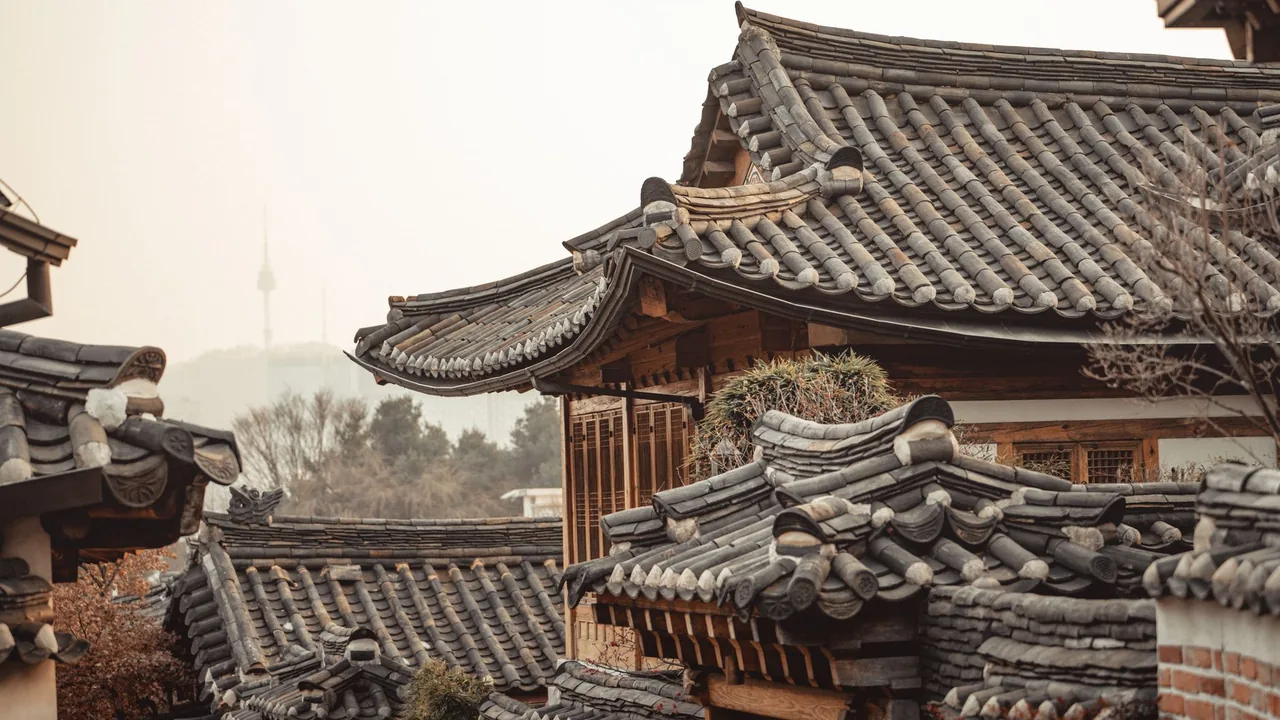
A night in a traditional Korean house — paper sliding doors, a courtyard, warm ondol floors. Atmospheric and slow, more a cultural experience than a comfort upgrade.
Sleeping setup
Many hanok use a yo (floor mattress) rather than a Western bed. Some boutique hanok add beds — check the listing if floor-sleeping isn't for you.
Comfort trade-offs
Rooms can be small, bathrooms compact, dated or shared, and older hanok have thinner sound insulation. Confirm bathroom and bed type before you book.
Where they cluster
Bukchon / Seochon in Seoul, Jeonju Hanok Village (the largest), and Gyeongju near the historic sites. Comfort varies more between properties than between areas.
Best for
Travelers who want a memorable, atmospheric night and don't mind simpler rooms — often as a one- or two-night highlight rather than the whole trip.
Skip / temper it if
You need a big bed, a private bath, full quiet and hotel amenities every night — then keep a hanok to a single night, or stick with a hotel.
How to get the most out of it (and avoid the let-downs)
- Treat it as a highlight, not the whole trip. One or two nights in a hanok captures the experience; pairing it with a regular hotel for the rest keeps comfort high across the trip.
- Read recent reviews of the exact property. Comfort varies enormously between hanok — check bathroom type, whether there's a bed or floor mattress, heating/cooling and any noise notes before you book.
- Pick the area for the vibe. Bukchon/Seochon in Seoul for a city base, Jeonju for a full hanok-village feel, Gyeongju for heritage. Slot the night where your itinerary already goes.
- Make a day of the setting. A hanok-village walk or a hanbok / cultural experience makes the surroundings part of the stay, not just the room.
Make a day of it
한국 체험 둘러보기
서울, 부산, 제주를 비롯한 전국 5,000개 이상의 투어. 실제 여행자 리뷰 기반.
Pairing the night with a hanok-village walk or a Jeonju Hanok Village tour turns the setting into part of the experience. To compare the actual hanok guesthouses and inns on your dates, see the stays section just below.
Affiliate disclosure: links on this page to GetYourGuide (and the partners below) are affiliate links. If you book through them, KORLENS may earn a small commission at no extra cost to you. We only suggest experiences that fit the area honestly.
Frequently asked about hanok stays
Is a hanok stay worth it?
For most travelers, one or two nights in a hanok is worth it as an experience rather than a comfort upgrade. Sleeping in a traditional Korean house — sliding paper doors, a courtyard, warm ondol floors — is atmospheric and memorable in a way a standard hotel isn't. The trade-off is comfort: rooms are often simpler and smaller, you may sleep on a floor mattress, and bathrooms can be compact or shared. If you value the cultural feel over hotel amenities, it's a highlight; if you need a big bed, a bath and quiet insulation every night, keep it to a night or two. Read recent reviews and confirm amenities before booking.
What is a hanok stay actually like?
A hanok is a traditional Korean house built with wooden beams, paper sliding doors (hanji), a small courtyard, and ondol under-floor heating that makes the floors cozy in winter. A hanok stay usually means a guesthouse or boutique inn where you sleep in that setting — many use a yo (floor mattress) rather than a Western bed, and some keep traditional or shared bathrooms. The vibe is calm and slow. Exactly how modern or rustic it feels varies a lot between properties, so the listing photos and recent reviews matter more than the word 'hanok' alone.
What are the downsides of a hanok stay?
The honest trade-offs are comfort and sound. Rooms can be small, beds are often floor mattresses, and bathrooms may be compact, dated or shared depending on the property. Older hanok have thinner walls and doors, so sound can carry. Heating and cooling can be uneven, and not every hanok has an elevator or step-free access. None of these are dealbreakers for a short stay — they're just why many travelers do a hanok for a night or two and a regular hotel for the rest of the trip. Confirm bathroom type, bed type and accessibility on the booking page.
Where are the best places for a hanok stay?
The classic areas are Bukchon and Seochon hanok neighborhoods in Seoul, Jeonju Hanok Village (the country's largest, with the most hanok accommodation to choose from), and Gyeongju, the old Silla capital where hanok inns sit near historic sites. Each has a different feel — Seoul for a city base, Jeonju for a full hanok-village atmosphere, Gyeongju for heritage. Pick by where your trip already takes you, then compare individual properties, since comfort varies far more between hanok than between districts.
Hanok stay or hotel — which should I pick?
Do both. A hanok shines as a one- or two-night experience for the atmosphere and the photos, while a regular hotel is the easier base for comfort, location and amenities across the rest of a trip. If your itinerary passes through Jeonju, Gyeongju or central Seoul, slotting a hanok night in there makes sense. If you only want one type and value sleep quality and amenities most, a hotel is the safer pick. Compare both on your dates and read recent reviews before deciding.
Sponsored picks
Travel essentials & top picks
Hand-picked partners. KORLENS earns a small commission on bookings — your price stays the same.
Top tours & tickets
Skip-the-line entry to palaces, hanbok rental, DMZ day trips.
Cheap flights to Korea
Aviasales compares 100+ airlines + 728 agencies. Lowest-price calendar.
Hotels in Korea
Trip.com compares 100K+ properties. Free cancel on most rooms.
Experiences & day trips
K-pop dance class, Nami Island, cherry blossom tours, hanbok shoot.
Travel insurance
EKTA covers medical, baggage and trip cancellation for your Korea trip.