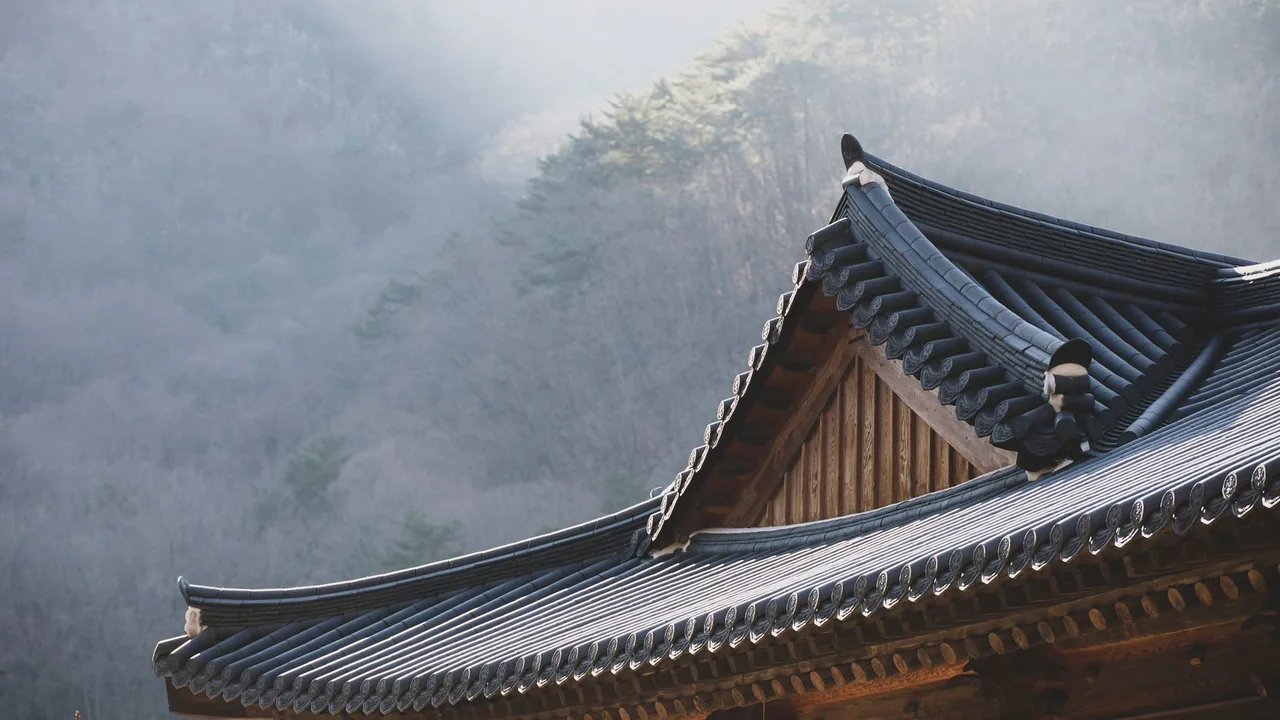
Is a Korean temple stay worth it? An honest reality check
템플스테이 · Buddhist temples across South Korea
A meaningful cultural reset or too austere for a holiday? Here's what a night at a Korean temple is really like — the 3am wake-up, the food, the costs, and how to pick a program you won't regret before you book.
The honest verdict
For the right traveler, a Korean temple stay is absolutely worth it — if you go in for the experience, not for comfort. It is a structured overnight inside a centuries-old living tradition: meditation, tea with a monk, simple vegetarian meals and an early, quiet rhythm. People who arrive curious — about Buddhism, about slowing down, about a screen-free reset — tend to call it a highlight of their trip. It is also one of Korea's most divided experiences: the pre-dawn wake-up, plain rooms and strict schedule can feel like a shock if you expected a relaxing retreat. Choose a beginner-friendly program and set your expectations, and it delivers. It is demanding — not a tourist trap.
Ready to try it?The hard part is picking the right program and sorting the logistics. Browsing bookable templestay programs lets you compare what's included, the wake-up time and the English support up front — and a Korea temple or culture day tour is an easier first taste if a full overnight feels like a leap.
Cultural experiences · free cancellation up to 24h
GetYourGuide · free cancellation up to 24h · verified traveler reviews
Affiliate links to GetYourGuide. If you book through them, KORLENS may earn a small commission at no extra cost to you. We only suggest experiences that fit the destination honestly.
What to really expect
Atmosphere
Quiet, slow and screen-free inside a working temple — meditation, chanting, tea with a monk. Calm and meaningful at its best; not a spa or a relaxing hotel.
The schedule
Structured and early. Stricter temples wake guests around 3am to 4am with lights-out soon after dinner. Beginner programs are gentler but still timetabled.
Food & rooms
Simple vegetarian temple meals, often eaten in silence, and plain shared rooms (frequently a floor mat). Clean and adequate, deliberately minimal.
Cost
Roughly 50,000 to 100,000 won per night including meals and activities; intensive retreats cost more. Affordable for the experience, not a budget bed.
Best for
Travelers curious about Buddhism or meditation, or anyone wanting a slow, intentional break from a fast city trip.
Skip it if
You want a lie-in and comfort, you're on a very tight 3-4 day schedule, or sitting still and silence are not your thing.
How to pick a program you won't regret
- First time? Go beginner-friendly. Choose an 'experience' program over a deep meditation retreat — gentler schedule, more guidance for newcomers.
- Check the wake-up timeand what's included before booking. A 3am start at a strict temple is a very different night to a relaxed experience program.
- Confirm English support if you need it — the official templestay program is built for international visitors, but support varies temple to temple.
- Not sure about a full overnight? Start with a Korea temple or culture day tour as a lower-commitment first taste.
The easiest way to book it
한국 체험 둘러보기
서울, 부산, 제주를 비롯한 전국 5,000개 이상의 투어. 실제 여행자 리뷰 기반.
Because the experience hinges on picking the right program, most visitors compare bookable templestay options up front rather than arranging it cold. A temple or culture day tour is an easy lower-commitment alternative if a full overnight feels like too much.
Affiliate disclosure: links on this page to GetYourGuide (and the partners below) are affiliate links. If you book through them, KORLENS may earn a small commission at no extra cost to you. We only suggest experiences that fit the destination honestly.
Frequently asked about Korean temple stays
Is a Korean temple stay worth it?
For most travelers who want more than sightseeing, yes — with the right expectations and the right program. A templestay is a structured overnight at a working Buddhist temple: meditation, a tea talk with a monk, simple vegetarian meals and an early start. It is one of Korea's most rewarding cultural experiences and also one of its most divided. People who go in curious about Buddhism, or simply craving a slow, screen-free reset, tend to find it genuinely meaningful. People expecting a relaxing hotel-style retreat can find the early wake-up and strict schedule a shock. Pick a beginner-friendly program and it usually lives up to the hype.
Is a temple stay too strict or austere for first-timers?
It is austere by design, but most temples run a gentler 'experience' program for newcomers, not the full monastic schedule. Expect a roughly 3am to 4am wake-up at stricter temples, lights-out early, plain shared rooms, vegetarian temple food and quiet hours. Some programs are very welcoming and hand-hold foreigners through every step; others assume more prior meditation experience. If this is your first time, choose a program explicitly marketed as beginner-friendly or 'experience-focused' rather than a deep meditation retreat.
How much does a temple stay in Korea cost?
Most templestay programs run roughly 50,000 to 100,000 won per night, which usually includes a bed (often a floor mat), temple meals and the activities. More intensive meditation retreats can cost more. It is affordable for what you get — a guided overnight inside a centuries-old tradition — but it is a cultural experience, not a budget place to sleep. Always confirm the current price and what's included when you book.
What do you actually do during a temple stay?
A typical program mixes sitting and walking meditation, a Buddhist service or chanting, a tea ceremony or talk with a monk, and shared temple meals eaten in silence. Many temples add a signature activity such as making prayer beads, the 108 bows, lotus-lantern crafting, or martial arts at temples that teach Sunmudo. You hand over your phone time, follow the schedule and slow right down — that simplicity is the whole point.
Do you need to be Buddhist or speak Korean to do a temple stay?
No. Templestay programs are open to people of any faith or none, and the official program is built for international visitors, so many temples run sessions with English support. You are a respectful guest experiencing the rhythm of temple life, not converting. Read the program details for the language support offered, and follow the basic etiquette (modest clothing, quiet, bowing when others do).
Which temple stay should a first-time visitor choose?
If it is your first templestay, weight it toward a beginner-friendly, experience-style program over a hardcore meditation retreat, and toward a temple you can reach without a complicated transfer. Travelers based in Seoul often pick a program within easy reach of the city or pair the temple with a cultural day tour to make the trip out worthwhile. Confirm the wake-up time, the activities and the English support before you commit.
Sponsored picks
Travel essentials & top picks
Hand-picked partners. KORLENS earns a small commission on bookings — your price stays the same.
Top tours & tickets
Skip-the-line entry to palaces, hanbok rental, DMZ day trips.
Cheap flights to Korea
Aviasales compares 100+ airlines + 728 agencies. Lowest-price calendar.
Hotels in Korea
Trip.com compares 100K+ properties. Free cancel on most rooms.
Experiences & day trips
K-pop dance class, Nami Island, cherry blossom tours, hanbok shoot.
Travel insurance
EKTA covers medical, baggage and trip cancellation for your Korea trip.