Ulsan 3-Day Itinerary for First-Time Visitors (2026)
Skip Seoul for once. Ulsan offers industrial heritage, coastal beauty, and authentic local life without the tourist crowds. Here's exactly how to spend 3 days.
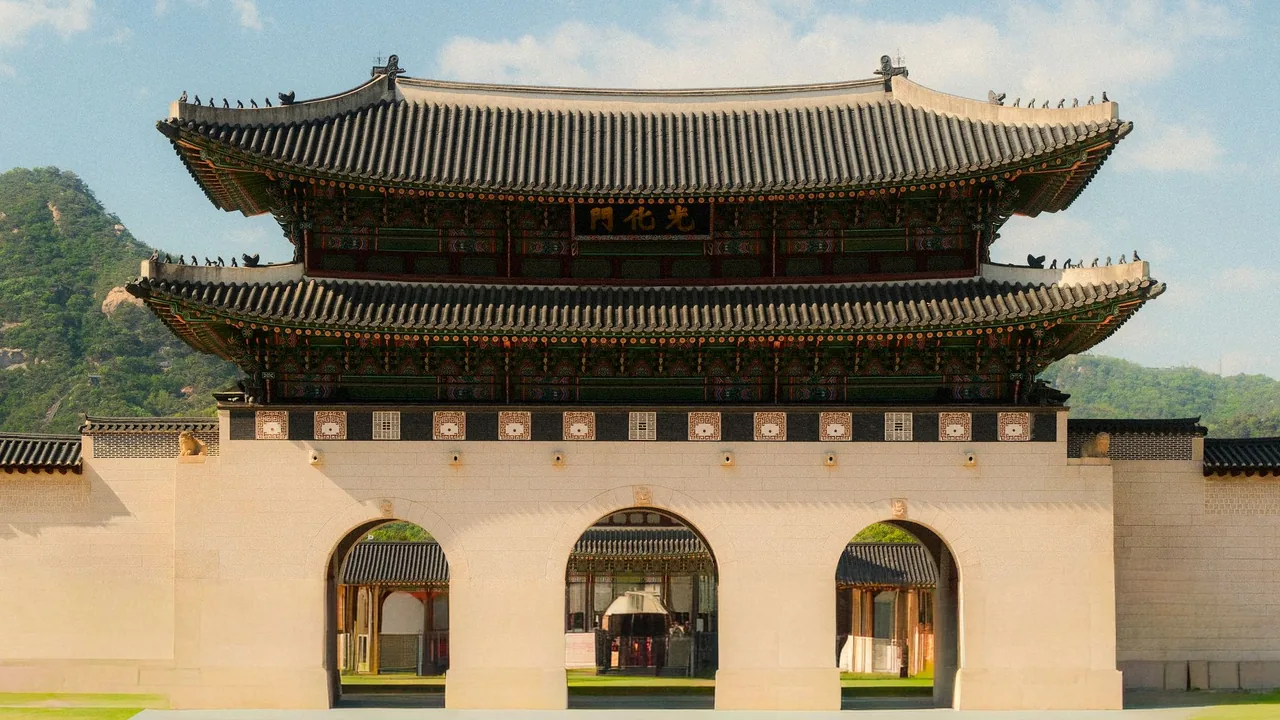
# Ulsan 3-Day Itinerary for First-Time Visitors (2026)
Ulsan isn't on most Korea itineraries—which is exactly why you should go. While Seoul drowns in selfie sticks and Busan caters to cruise ship crowds, Ulsan remains a working city where locals outnumber tourists 100-to-1. You'll see the real South Korea here: industrial harbors, authentic neighborhood cafes, whale museums, and a skyline that tells the story of Korea's rapid modernization. This isn't a city built for Instagram; it's a city built for living.
Day 1: Ulsan Skyline & City Center Orientation
If you're arriving by train, you'll pull into Ulsan Station in the heart of the city center district. Don't rush to a taxi. Walk out onto the main boulevard (Jungangno) and take 10 minutes to absorb the ulsan skyline that surrounds you. The high-rises aren't flashy—they're functional, industrial, purposeful. This is Korea's petrochemical and automotive hub.
Head directly to Taehwagang Park (태화강 공원) on foot (20-minute walk or quick subway ride to Taehwagang Station, Line 2). Entry is free. This is where you'll get your first proper look at the ulsan skyline city center from across the Taehwa River. Grab a coffee from one of the park cafes (₩4,000-6,000) and sit by the water. Watch workers on lunch breaks, joggers, and families—this is local Ulsan, unfiltered.
Lunch: Exit the park and head to the nearby Bangeojil Food Alley (방어질 먹거리골목), a small hidden street where grandmothers run tiny restaurants. Order a bowl of nakji bokkeum (stir-fried octopus, ₩9,000-12,000) or local tteokgalbi (grilled short-rib patties, ₩12,000). Expect no English menus, no tourists, and authentic seasoning that will ruin restaurant chains for you.
Ulsan Industrial Museum (울산산업박물관) — ₩5,000 entry. Located in the port area, this museum is genuinely fascinating if you care about how Korea transformed from agricultural nation to manufacturing superpower in 50 years. You'll see actual ship-building equipment, petrochemical machinery, and photos of Ulsan in the 1960s. Budget 1.5 hours. Not Instagram-worthy, but intellectually gripping.
Walk along the Ulsan Port Promenade afterward (free). The waterfront has been partially regenerated. You'll see massive container ships being loaded, crane operations, and the industrial backbone that funds this city. Bring a camera—the juxtaposition of industrial grit and modern infrastructure is visually compelling.
Dinner: Head to Nonghyup Hanwoo Center (농협한우) in the city center near Bangogae Market. Korean beef here is ₩25,000-40,000 per serving, sourced from local farms. Sit at the counter, watch the grill master work, and eat beef that tastes markedly different from Seoul restaurant beef (less aged, more mineral).
Ulsan's nightlife isn't glamorous, but it's real. Head to Myeongju Pojangmacha (명주 포장마차), an outdoor drinking tent village near Jung-gu Station. Grab a plastic stool, order tteokbokki and dakgangjeong (fried chicken with sauce) with a beer (₩4,000). Sit next to factory workers, retirees, and students. No English speakers, pure local energy.
---
Day 2: Coastal Escape & Whale City
Take a 25-minute taxi (₩15,000-18,000) or subway to Jangsaengpo (장생포), Ulsan's whaling district (yes, this is still contentious). The Whale Museum (₩5,000) has extensive exhibits on whale species, traditional Korean whaling, and modern marine conservation. The museum doesn't shy away from the ethical debate.
Outside, the actual Jangsaengpo Port remains operational. You'll see fishing boats, whale-watching tours departing, and vendors selling dried squid. Walk the waterfront—it smells like the ocean and hard work.
Mid-Morning Activity: Book a Whale Watching Tour (₩50,000-70,000 per person, 2-3 hours) through any harborside vendor. June-July are peak season for finback whales and dolphins. Even if you don't spot whales, you'll get 30 km of actual ocean—not a theme park version.
Eat at one of the dock-side restaurants. Order jjim (steamed seafood, ₩18,000-25,000) or galbijjim (steamed short ribs, ₩15,000). The catch rotates daily. Ask what's fresh. No tourist markup here—locals eat at these same tables.
Head to Ilgwang Beach (일광해수욕장) — 15 minutes from Jangsaengpo by taxi (₩12,000). This isn't a party beach; it's a neighborhood beach where families swim and older couples walk. The sand is clean, the water is cold (even in July), and you'll have space to actually sit without touching strangers.
Walk the Ilgwang Beach Promenade (free). The path curves along the coastline for 3 km. You'll pass residential areas, small cafes, and the ulsan skyline in the distance—industrial cranes and residential towers stacked together.
Coffee Break: Stop at Olnamu Cafe (올나무 카페) on the beachside road — ₩5,500 for specialty coffee. Sit on the terrace and watch fishermen cast nets.
Stay in Jangsaengpo for dinner. Try Chupja Jjim (추자찜), a small spot famous for their jjim (steamed seafood). Order a mixed platter (₩25,000-30,000). Expect side dishes (banchan) that change based on the day's catch.
---
Day 3: Markets, Mountain Views & Local Craft
Bangogae Market (방어계 시장) opens early. Arrive by 9 AM. This is where locals actually shop—not a tourist attraction. You'll see fish vendors, vegetable stalls, ramyeon shops, and second-hand clothes. Grab tteokbokki from a stall (₩3,000) and eat it standing up while watching market life unfold. Spend 1 hour wandering, no agenda.
Take subway Line 2 to Taehwasan Station. The Taehwasan Ecological Park (태화산 생태공원) offers hiking trails with views back toward the ulsan skyline city center. The main trail is 4 km, moderate difficulty, takes 90 minutes. You'll hike past local retirees, families, and through pine forest. At the summit (350m), you get a panoramic view of the city, port, and mountains beyond. On clear days, you can see into the industrial zones.
Cost: Free. Bring water (₩2,000 at a convenience store).
Descend to the small restaurants near the trailhead. Order kimchi jjigae (kimchi stew, ₩7,000) or doenjang jjigae (soybean paste stew, ₩6,500) — these small places serve comfort food to hikers and elderly locals.
Ulsan Munsu Art Museum (울산 문수미술관) — ₩5,000. If you have energy for culture, this smaller museum showcases contemporary Korean art and occasional installations. It's not world-class, but it's where local artists exhibit and engage seriously with their work (no tourist pandering).
Alternatively, explore Nonhyup Shopping Street (농협쇼핑거리) — a covered market street with local brands, vintage shops, and small eateries. This is where Ulsan residents actually spend leisure time.
Return to Taehwagang Park where you started. The evening light here is genuinely beautiful—the ulsan skyline city center glows warm, the river reflects orange, and you'll see joggers, couples, and families in that golden hour. Buy a bingsu (shaved ice dessert, ₩4,500) from a park vendor and sit quietly. You've now seen Ulsan not as a tourist checkpoint, but as a city where people actually live.
Depending on your energy, either return to a neighborhood favorite you've found, or try Ulsan Hotspot: Myeongju Pojangmacha again for nostalgic last-night drinks, or a sit-down restaurant in the city center for something more refined. Ulsan's restaurant scene caters to workers and families—prices are 20-30% lower than Seoul, quality is often higher.
---
Specific Neighborhoods & Areas to Know
Best for: First arrival, dining, city orientation Vibe: Functional, busy, authentic Key spots: Taehwagang Park, Bangogae Market, Myeongju Pojangmacha Avg meal cost: ₩8,000-15,000
Best for: Whale-watching, coastal walks, seafood Vibe: Port town, slower pace, maritime heritage Key spots: Jangsaengpo Whale Museum, Ilgwang Beach, port promenade Avg meal cost: ₩12,000-25,000
Best for: Mountain hiking, nature, escape Vibe: Quieter, residential, natural Key spots: Taehwasan Mountain, ecological parks Avg meal cost: ₩6,500-10,000
---
Practical Tips for First-Time Visitors
- Subway + Walking: Ulsan's subway (Line 1 & 2) is clean, efficient, and cheap (₩1,250 base fare). Most neighborhoods are walkable once you exit a station. Get a rechargeable T-money card at any convenience store (₩2,500).
- Language: English signage in the city center is minimal. Download Naver Map or Kakao Map (Korean navigation apps work better than Google Maps here). Screenshot addresses in Korean.
- No Tourist Menu Culture: Restaurants won't have English menus in most places. Learn 3-4 dish names: nakji bokkeum (stir-fried octopus), jjim (steamed seafood), kimchi jjigae (kimchi stew), tteokbokki (rice cakes). Point at other tables if needed.
- Taxis Are Cheap & Abundant: Flagfall is ₩3,800. A 10 km ride costs ~₩12,000. Use Kakao Taxi app to order (it has basic English). Always get a receipt (영수증).
- ATMs & Money: Convenience stores (CU, GS25, Emart24) have ATMs accepting international cards. Most restaurants and markets are cash-preferred, though major shops accept card.
- Weather Preparation: June is humid and warm (22-28°C). July-August are hot and rainy. Pack a light rain jacket. Coastal areas are windier than expected.
- Timing Your Museum Visits: Most museums close Mondays. Open Tuesday-Sunday, 10 AM-6 PM. The Whale Museum has longer hours (9 AM-6 PM).
- Respect Local Fishing Culture: Jangsaengpo is a working port, not a theme park. Don't block fishermen. Photos are fine, but stay aware of dock operations.
- Avoid Peak Times: Market shopping is best 8-10 AM or 4-6 PM. Avoid lunch hours (12-1 PM) at popular spots—locals eat then too.
- Accommodation Notes: Stay in Jung-gu (city center) for first night—subway access to everywhere. Nam-gu is worthwhile if you want coastal immersion. Book mid-range hotels (₩60,000-100,000/night) on Booking.com or Naver Hotel.
---
FAQ
A: Train is best. KTX high-speed rail from Seoul Station takes 2 hours 40 minutes (₩59,000-65,000). Arrives at Ulsan Station in the city center. Buses from Seoul Nambu Terminal take 4 hours (₩25,000-30,000) but are cheaper. Driving is possible but tiring (5 hours). Book train tickets 1-2 weeks ahead during summer.
A: Completely safe. Ulsan has lower crime rates than Seoul. Public transit is secure, streets are well-lit, and locals are helpful. Female solo travelers report zero issues. General South Korea safety rules apply—don't wander into isolated areas at 3 AM.
A: Peak whale season is June-July. April-May and August-September are possible but less reliable. October-March is quiet. Book whale-watching tours locally—online booking sites are often inflated prices. Harbor vendors offer better rates. Success isn't guaranteed; whales are wild animals.
A: Ulsan has excellent Korean beef, stews, fried chicken, and noodle dishes. Your options won't be limited. However, seafood IS the local specialty. Try at least once—quality here is exceptional compared to inland areas.
A: 2-4 days is ideal. Three days covers highlights without redundancy. More than 4 days requires planning side trips (nearby hot springs, neighboring Busan is 90 minutes away). Most first-timers find 3 days sufficient to feel the city deeply without boredom.
A: Minimal. Official Ulsan tourism site (en.ulsan.go.kr) has basic info. Download Naver Map (English interface) before arrival. Locals rarely speak English, but gestures, photos, and translation apps work fine. Embrace the communication challenge—it's part of the authentic experience.
---
Final Thoughts
Ulsan won't give you the postcard views of Jeju or the cultural landmarks of Seoul. What it will give you is unrehearsed, unpolished Korea—a city shaped by human work rather than tourism boards. You'll eat better seafood, pay less money, encounter fewer tourists, and understand how Korea actually functions beyond the capital.
The ulsan skyline city center isn't beautiful by global standards. It's honest. Industrial, pragmatic, and genuinely Korean. That's exactly why you should see it.
---
Ask the KORLENS AI chat for Ulsan place suggestions for a first visit based on your interests. It is an AI assistant that replies in seconds, not a human team, and it works from Korea Tourism Organization open data. Also visiting Seoul? Seoul Local Picks covers Seoul only.
Next Step
About this guide
KORLENS is run by one person (KunStudio, a solo studio in Korea), not an editorial team. Guides are AI drafts based on public sources; some use Korea Tourism Organization TourAPI open data. KORLENS does not claim on-site visits or scheduled re-checks, so confirm hours, prices and closures with the venue before you go. Page last edited: 2026-06-19.
Plan your Korea trip with the KORLENS AI chat
Got a follow-up question after reading this? Ask the KORLENS AI chat in plain English. It is an AI assistant, not a person, and it replies in seconds with places from Korea Tourism Organization open data.
Ask the KORLENS AI chatCurious about Korean Saju? Try sajuapp.app
1,000-year-old Korean astrology, decoded by AI — available in 9 languages.
Is it worth visiting, the best time to go, crowds and real cost.
Ulsan's Hidden Coffee Shops Locals Love (2026 Guide for Foreigners)
Skip Seoul's crowded cafés. Ulsan's third-wave coffee scene rivals any major Korean city—with better prices, authentic interiors, and baristas who actually have
Suwon Night Markets and Late-Night Eats (2026 Guide)
Skip Seoul's crowded night markets. Suwon's late-night food scene is cheaper, less touristy, and packed with regional specialties. Here's where locals actually