12 Jeju Photography Spots for Instagram (2026 Local Picks)
Skip the crowded tourist traps. Discover 12 authentic Jeju photography spots where locals actually shoot—with insider access, real prices, and etiquette tips.
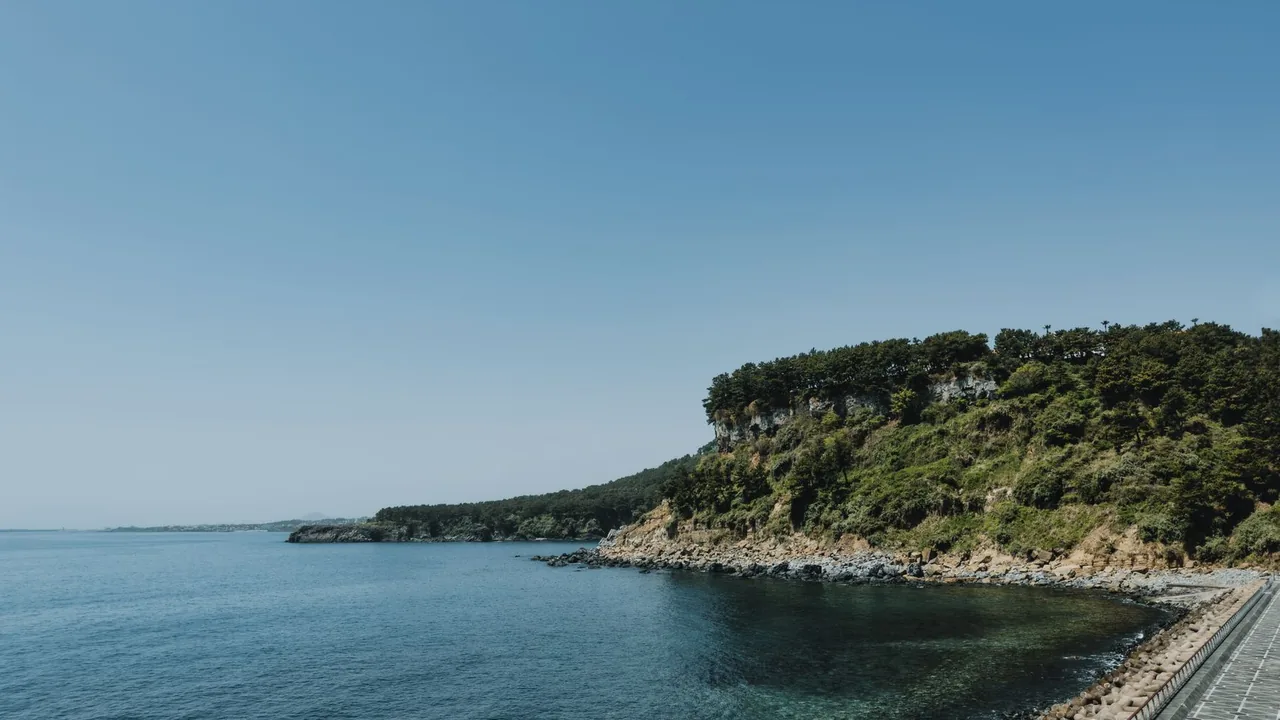
# 12 Jeju Photography Spots for Instagram (2026 Local Picks)
Jeju is Instagram's favorite Korean island—but if you're shooting the same sunrise at Seonggeup Folk Village as 500 other tourists, you're missing what actually makes this island worth your camera. The real Jeju photography spot isn't where the guidebooks point; it's where locals wake up early, avoid the 9 AM rush, and capture light that tells the actual story of this volcanic landscape.
Beyond Cliché Shots — What Jeju Locals Actually Post
Tourists shoot Hallasan's reflection in a perfectly still pond. Locals shoot the play of morning mist over the mountain's crater rim at 5:45 AM when it's just clearing. They photograph the imperfection—weathered haenyeo boats, black sand contrasting with green tea fields, abandoned stone walls overgrown with moss.
What separates a snapshot from a shot that lands 10K likes? Timing, restraint, and respecting the place as something other than a backdrop. Jeju locals don't chase golden hour at crowded viewpoints. They know which valleys fill with light at specific seasons, which coastal paths are empty at dawn, and which fishing villages are genuinely unchanged by tourism.
This guide walks you through 12 spots where you can actually photograph Jeju—not the Jeju that exists for Instagram, but the one that exists when you show up before the crowds do.
12 Jeju Photography Spots: The Local Map
North-central coast, 40 mins from Jeju City
Forget the staged haenyeo photo ops in Gujwa's main tourist zone. The real shot is at Woljeong-ri Beach, just north of the village center. You'll find authentic haenyeo divers working in the water around 6–7 AM. The light here is clean and unforgiving—perfect for catching the texture of weather-beaten hands, traditional wetsuits, and the genuine strain of the dive.
Entry: Free to walk the beach. Coffee at waterfront café: 4,500–6,000 KRW. If you want to photograph working haenyeo respectfully, ask permission first and expect a polite "no" sometimes.
Why locals shoot here: The light hits the water from the east, water is calmest pre-8 AM, and you can frame haenyeo against the volcanic cliffs without it feeling exploitative.
---
South-central, 30 mins from Jeju City
Every tourist with a camera shoots the main entrance and the thatched-roof houses. Locals slip past the main road into the interior alleys—narrow stone-lined pathways between preserved homes where you'll find zero other photographers and light that's soft, directional, and complex.
Entry: 5,000 KRW. Budget 2–3 hours. Go at 7 AM when the village is genuinely quiet.
Why locals shoot here: The alley walls are weathered basalt, moss-covered in spring, and the quality of light during the first two hours of opening is magazine-quality. You get texture without tourists.
---
South coast, 25 mins from Jeju City
The waterfall itself is crowded by 10 AM. What locals photograph is the canopy walk that feeds into the main viewing area—a narrow path through dense subtropical forest where light filters in columns through leaves. Shoot wide at 5–6 AM and you'll capture something that feels untouched.
Entry: 2,500 KRW (waterfall + trails). Arrive by 6:45 AM to beat crowds.
Why locals shoot here: The jungle-like density of vegetation is rare in Korea. The contrast between volcanic rock and green is extreme. And you're completely alone.
---
West coast, 50 mins from Jeju City
This is a 6 km country road on the western edge of Jeju, lined with persimmon trees, stone walls, and sea views. Tourists don't know it exists. Locals do matcha-golden-hour shoots here weekly. The road is genuinely quiet, photogenic without being artificial, and changes completely by season.
Entry: Free. Drive or rent a scooter (15,000–25,000 KRW/day). Best shot: Early morning light hitting the persimmon leaves from the east.
Why locals shoot here: Zero tourist infrastructure means zero crowds. The composition is natural—you're not fighting for angles. And the road's elevation gives you sea views framed by agricultural land.
---
Off the north coast, 25 mins ferry from Jeju City
Udo is a small island that tourists visit, but most stay near the ferry terminal. The real shot is the northeastern cliffs and coastal basalt formations—accessible by scooter or a 40-minute walk. Geometric, weathered, and lit like sculpture.
Entry: Ferry 3,500 KRW round-trip. Scooter rental on Udo: 20,000–30,000 KRW/day. Go on a clear weekday.
Why locals shoot here: The basalt formations are among the oldest on the island. Light plays off the volcanic rock in ways that feel almost alien. And the northeastern exposure means golden hour is genuinely golden here.
---
South-central, technically on mainland but 90 mins via ferry, but include Jeju tea plantations instead
Revised: O'Sulloc Tea Plantation (오설록 티플랜테이션) Side Paths South-central Jeju, 45 mins from Jeju City
The main plantation is a theme park. Locals walk the unmarked side paths that feed into the working fields—you'll capture endless green rolling toward Hallasan without Instagram crowds.
Entry: 10,000 KRW for plantation access. The side paths are technically open to visitors. Arrive 7–8 AM.
Why locals shoot here: The scale of the fields, the color saturation in spring/summer, and the complete absence of other photographers before 9 AM make this a landscape photographer's dream.
---
Northeast slope of Hallasan, 50 mins from Jeju City
The temple itself is fine. The approach road through the forest—especially the final 500 meters before the temple—is what locals shoot. Dappled light, stone lanterns, moss-covered rocks, and genuine spiritual atmosphere (not manufactured spirituality).
Entry: Free. Temple grounds: 5,000 KRW. Shoot the approach at dawn before any visitors arrive.
Why locals shoot here: The forest here is old-growth and untouched. The light is complex. And you can shoot vertically (trees) and horizontally (temple framed by forest) in the same location.
---
North-central coast, 35 mins from Jeju City
Jeju's black sand is famous; most tourists photograph it at Gimnyeong or Hyeopjae. Gujwa's northern black sand beaches see almost no tourists. The sand is finer, the basalt formations offshore are more dramatic, and you can shoot all day without seeing another camera.
Entry: Free. Best light: Early morning (6–8 AM) or late afternoon (5–7 PM). The black sand reflects and amplifies light beautifully.
Why locals shoot here: The ratio of effort to access vs. reward is unbeatable. You get dramatic basalt sea stacks, fine black sand, and genuine solitude.
---
South-central, 20 mins from Jeju City
Don't pay to enter. The exterior courtyard and surrounding stone walls are where locals shoot—weathered volcanic rock, lichen patterns, and shadows that shift throughout the morning. It reads as a genuine archaeological space, not a museum.
Entry: Free (exterior only). Museum entry: 3,000 KRW if you want access to interior exhibits.
Why locals shoot here: The wall texture is extraordinary. The light hits it like sculpture. And the lack of other photographers in the courtyard at dawn means you can compose slowly.
---
South coast, spans 15–20 km
The entire Olle Trail is walkable, but Sections 3 and 4 have the most dramatic coastal views without the crowds of Section 1. Shoot the cliff edges at dawn where mist still clings to the water, with Hallasan visible across the island.
Entry: Free. Budget 4–5 hours for a meaningful walk with photography breaks. Wear proper shoes (volcanic rock is sharp).
Why locals shoot here: It's a working trail, not a theme park. You encounter real hikers, not tour groups. The vantage points are earned—you've walked there—which changes how you see them.
---
South coast, 20 mins from Jeju City
Like Jeongbang, the waterfall is crowded. The upper forest trails that feed the waterfall system are almost unknown. Shoot the cascades, the moss-covered rocks, and the shafts of light through the canopy. It feels like an undiscovered location.
Entry: 2,500 KRW. The back paths are less maintained; wear good hiking shoes. Go early (before 7:30 AM).
Why locals shoot here: The water is moving consistently, so you get interesting motion blur. The light is soft and directional. And you're genuinely alone.
---
South coast, 50 mins from Jeju City
Tourists climb to the peak. Locals photograph the base of the mountain and the small cave at its foot—the volcanic formations are extraordinary, the cave light is dramatic, and you can frame the entire mountain without ascending.
Entry: Free (base and cave). Summit entry: 3,000 KRW. Shoot the cave entrance at 8–9 AM when light fills it from the side without washing it out.
Why locals shoot here: The volcanic columnar formations at the base are geometric and almost unreal. The cave creates natural framing. And the effort-to-reward ratio is excellent—no hiking required.
---
Practical Photography Etiquette & Logistics (8 Tips)
- Arrive 60–90 minutes before official sunrise. Jeju's light is best in the 30 minutes before and 45 minutes after sunrise. Being there early means you own the composition.
- Respect active work spaces. If you're photographing haenyeo divers, fishermen, or tea farmers, ask permission first. A simple "사진 괜찮을까요?" (sa-jin gwaench'anh-eul-kka-yo) goes a long way. If they say no, accept it gracefully.
- Bring a tripod and ND filter. Jeju's light is intense. You'll want to shoot longer exposures to capture movement (water, clouds). A tripod also forces you to slow down and compose thoughtfully.
- Use local transportation apps. Naver Map (네이버 지도) or Kakao Map (카카오 지도) are essential. GPS coordinates aren't always reliable for small Jeju spots; the apps have user reviews and actual directions.
- Don't photograph sacred sites (temples, shrines) without permission. Gwaneumsa and other temples are active religious spaces. Tourists often violate this; locals don't.
- Hire a local photo guide if you're serious. A 4-hour session with a Jeju photography guide runs 150,000–200,000 KRW. They'll take you to spots tourists can't find and teach you how light moves here. Worth it for serious photographers.
- Always clean up. Pack out everything you pack in. Jeju's natural spaces are protected because locals respect them. Don't be the reason a spot gets fenced off.
- Check tide schedules. Many coastal spots are inaccessible at high tide. Download a Jeju tide chart app before you go. This is non-negotiable for beach and rock formation shoots.
- Rent a car if possible (40,000–60,000 KRW/day). Public transport works, but it cuts into photography time. With a car, you can be at sunrise locations 30 minutes before sunrise, shoot, and move to a second location by 8 AM.
- Avoid monsoon season (mid-June to late July). Light is flat, skies are gray, and accessibility is limited. May and September are optimal. October is excellent but unpredictable.
---
FAQ: Jeju Photography Spots
A: May (spring wildflowers and clear light) and September-October (stable weather, dramatic skies) are peak. December-February has harsh wind and flat light. Summer (June-July) is humid and monsoon-affected. Spring offers the most color saturation; fall offers the most dramatic skies. If you can choose, May gives you the most variety in a single trip.
A: For personal use and social media, no. For commercial shoots (editorial, brand campaigns, stock), contact the Jeju Tourism Organization (064-740-6000) at least 2 weeks in advance. Some locations like O'Sulloc require additional permits for commercial use. Ask first; it's faster than dealing with removal.
A: Jeju's light is high-contrast. Use a polarizing filter to cut glare off water and black sand. Expose for the sky, then lift shadows in post-processing. Foreground-heavy compositions (rock formations, plants in sharp focus with Hallasan soft behind) work better than sky-heavy ones here. ISO 100-400, f/8 to f/16 for depth, and shutter speeds of 1/500 or faster for moving water without ND filters.
A: Mostly yes, but tell someone where you're going. Cell service is generally good, but some coastal and forest areas have dead zones. Carry water, a headlamp, and a portable charger. The volcanic rock is sharp—good hiking boots are mandatory. Avoid hiking solo in heavy fog; Hallasan's slopes change visibility instantly.
A: Accommodations: 50,000–120,000 KRW/night. Car rental: 40,000–60,000 KRW/day. Meals: 8,000–25,000 KRW. Spot entry fees: 2,500–10,000 KRW (cumulative: 30,000–50,000 KRW for 10 locations). A solo photographer can do 5–7 days on 1,500,000–2,000,000 KRW (roughly $1,100–1,500 USD) including flights from Seoul.
A: Arriving at "golden hour" (5 PM) instead of sunrise. Jeju's light is cleanest in the first 90 minutes after sunrise. Golden hour brings crowds, haze from day-long heating, and flat light. Go early, shoot the soft directional light, and you'll get better images with zero crowds. Second mistake: staying in one spot. Move between locations every 2 hours to find the best light and avoid crowds gathering at popular times.
---
Close: Your Next Jeju Photography Shot Awaits
The best jeju photography spot isn't the one everyone knows—it's the one you discover by showing up early, asking locals, and respecting the place as something other than a backdrop for your feed.
Ask the KORLENS AI chat for Jeju photo spot suggestions based on your interests. It is an AI assistant that replies in seconds, not a human team, and it works from Korea Tourism Organization open data. Also visiting Seoul? Seoul Local Picks covers Seoul only.
The light is waiting.
Next Step
About this guide
KORLENS is run by one person (KunStudio, a solo studio in Korea), not an editorial team. Guides are AI drafts based on public sources; some use Korea Tourism Organization TourAPI open data. KORLENS does not claim on-site visits or scheduled re-checks, so confirm hours, prices and closures with the venue before you go. Page last edited: 2026-05-28.
Plan your Korea trip with the KORLENS AI chat
Got a follow-up question after reading this? Ask the KORLENS AI chat in plain English. It is an AI assistant, not a person, and it replies in seconds with places from Korea Tourism Organization open data.
Ask the KORLENS AI chatCurious about Korean Saju? Try sajuapp.app
1,000-year-old Korean astrology, decoded by AI — available in 9 languages.
Is it worth visiting, the best time to go, crowds and real cost.
Best time to visit Jeju, month by month →Jeju on a Budget: How to Travel for KRW 100,000/Day in 2026
Most travelers overspend in Jeju. We break down how to eat, sleep, and explore Korea's island for KRW 100,000 daily—with real prices and insider neighborhoods.
Best Neighborhoods to Stay in Jeju for Foreigners (2026 Guide)
Skip the touristy coastal strips. We've mapped the actual neighborhoods where locals eat, work, and live—plus exact pricing for 2026.