Jeju on a Budget: How to Travel for KRW 100,000/Day in 2026
Most travelers overspend in Jeju. We break down how to eat, sleep, and explore Korea's island for KRW 100,000 daily—with real prices and insider neighborhoods.
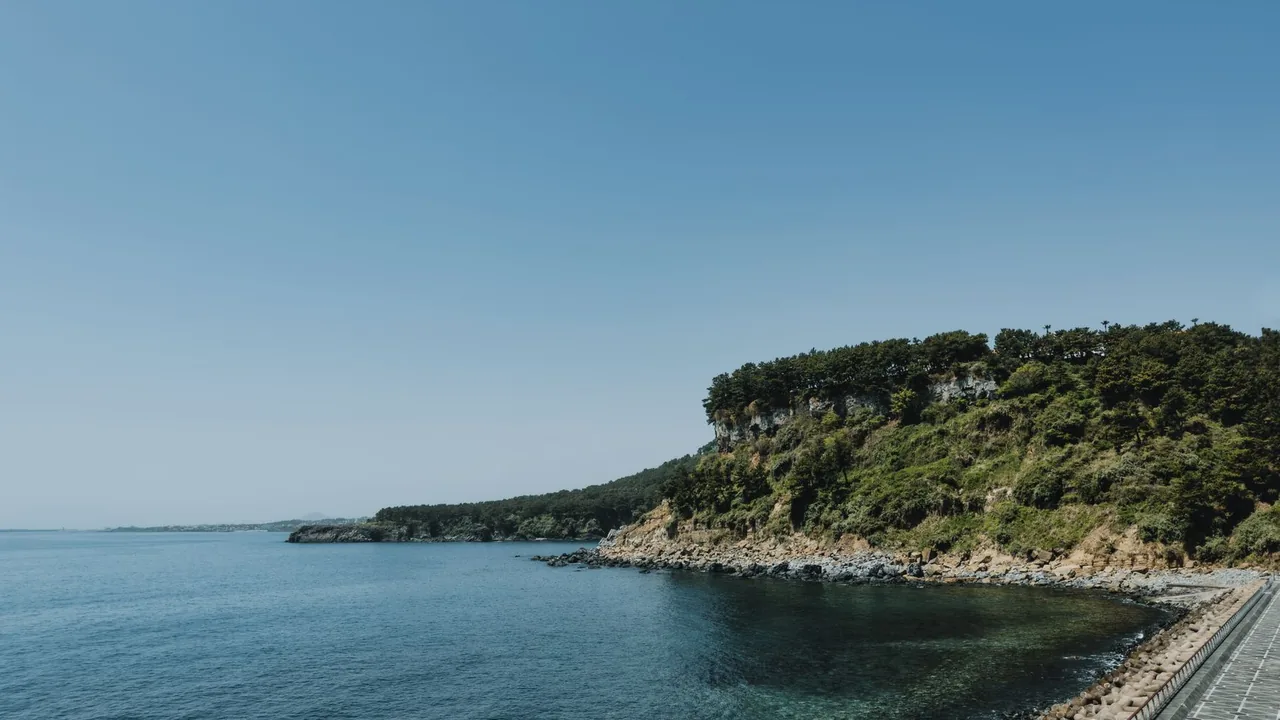
# Jeju on a Budget: How to Travel for KRW 100,000/Day in 2026
The Reality Check
Jeju isn't cheap—but it's far cheaper than tourists make it. Most travelers spend KRW 250,000+ daily by defaulting to hotels and tourist restaurants. The real secret? Locals know that Jeju's best meals happen in street markets, not beachfront cafés. Your daily KRW 100,000 budget is absolutely achievable if you skip the Instagram tax and eat where islanders actually eat. Here's what works in 2026.
---
Where the Savings Actually Are in Jeju — by Category
Forget the ODA hotels charging KRW 150,000+. Budget guesthouses (게스트하우스) cluster in Jeju City's downtown core and around Shinjeju Station. A basic ondol room or single-bed guesthouse runs KRW 35,000–40,000. Split a room with a travel buddy and you're at KRW 17,500–20,000 per person. Airbnb rooms exist at this price point, but you'll need to book 2+ months ahead. The sweet spot: family-run guesthouses in the university district (제주시 도남동) where owners rarely post online—you find these by walking the blocks yourself or asking taxi drivers.
Pro tip: Mid-week (Mon–Thu) rates drop 10–15% even in summer. Book direct by calling rather than using platforms.
This is where your budget lives or dies. Breakfasts cost KRW 4,000–6,000 (kimbap, tteokbokki). Lunch from a street vendor: KRW 8,000–12,000. Dinner, the same. Add snacks and coffee, and you're at KRW 35,000–45,000 for the whole day. The Jeju street food market (black pork skewers, fresh sashimi, grilled squid) offers portions bigger and cheaper than restaurants. A full meal here: KRW 10,000–15,000 including banchan.
Restaurant eating (sit-down, table service) will kill your budget. Avoid it.
Bus passes (일일권) cost KRW 5,000 for unlimited rides. Taxis are metered and reasonable—KRW 3,000 base fare, then KRW 100 per 142 meters. A cross-island taxi shouldn't exceed KRW 50,000. Rent a scooter for KRW 25,000–35,000/day if you're staying 3+ days; splits cheaply with travel companions.
Many of Jeju's best hikes cost nothing: Olle Trail sections, Gotjawal forest, Seongeup Folk Village. Entry fees exist for Hallasan (KRW 5,000) and some museums (KRW 8,000–12,000). Skip paid waterfall sites—locals use free natural pools. Your days can easily be activity-free and still memorable.
---
5–7 Specific Spots & Neighborhoods with Real KRW Prices
The spot: Jeju's original fish market, three blocks from the waterfront. Vendors sell sashimi, octopus, sea urchin directly off boats. You can sit in tiny side alleys on plastic stools and order a bowl for KRW 12,000–18,000. Black pork skewers (흑돼지 꼬치) at stalls nearby: KRW 8,000–10,000 for 3–4 skewers.
Best time: 6–8 AM for freshest catch and fewer tourists. Evenings (5–7 PM) for discounts on end-of-day stock.
The spot: Guesthouses cluster here. Three-star reviews, KRW 38,000 average. Multiple convenience stores (GS25, CU, Emart24) for KRW 3,000 kimbap. A 24-hour 분식집 (snack shop) sells tteokbokki, gimbap, and ramyeon. Night buses depart from here.
Your daily routine: Sleep here. Breakfast from convenience store. Catch buses to Hallasan, Olle trails, or the coast.
The spot: Where Jeju National University students eat. Ramyeon joints (라면 전문점) serve bowls for KRW 5,000–6,500. Tteokbokki stalls, KRW 4,500–6,000. One guesthouse owner here (Mrs. Kim, 064-755-2847) rents rooms KRW 32,000/night, no online listing. Ask around. Less touristy = cheaper.
The spot: Eastern Jeju's working-class market. Fish, vegetables, side dishes. A vendor here sells fresh 회덮밥 (sashimi rice bowl) for KRW 13,000—half what Dongmun charges. Opens 6 AM. Closes by 2 PM. Go early.
The spot: Tourist trap by day. By night, local restaurants serve black pork and sashimi at honest prices. 흑돼지구이 (grilled black pork) restaurants charge KRW 18,000–24,000 per serving here versus KRW 35,000+ in central Jeju City. Guesthouses: KRW 36,000–42,000. Fewer tourists overall = lower pricing.
The spot: Not where you eat, but where you avoid spending money. Pack GS25 ramyeon (KRW 2,500), kimbap (KRW 4,000), and bottled water. Zero-cost day except transport. Trails themselves are free.
The spot: Fishing village feel. A 밥집 (rice-based lunch spot) serves grilled fish or stew with unlimited banchan for KRW 10,000–13,000. Guesthouses: KRW 34,000–39,000. Quieter than Jeju City. Sunrise hikes at Seongsan Ilchulbong (KRW 5,000 entry) happen here.
---
Etiquette & Practical Tips (8–10 Numbered Items)
- Always eat where you see Korean families, not tour buses. Tourist zones mark 200% price increases.
- Cash is still king in markets and small guesthouses. ATMs exist everywhere (GS25, banks), but cards aren't guaranteed accepted in older establishments. Withdraw upon arrival.
- Learn three Korean phrases: "이거 얼마예요?" (How much?), "계산해주세요" (Check, please), "너무 비싸요" (Too expensive—saves your dignity if you leave). Haggling isn't common in Jeju, but vendors respect politeness.
- In Jeju street food markets, don't order everything at once. Buy one item, eat standing, then decide on the next. Prevents overspending from impulse.
- Guesthouses rarely list on international platforms. Walk the blocks yourself, check posted signs, or ask taxi drivers. Direct booking saves 15–20% commission fees.
- Convenience store eggs (계란) and instant ramyeon are your breakfast backup—KRW 2,500–4,500 total. Hotels serve no free breakfast in the budget tier.
- Rent a scooter only if you're staying 3+ days and have a valid international driving permit. Day rentals cost the same as buses but require gas money. Bus passes win for 1–2 days.
- Visit museums on Wednesdays or Thursdays in low seasons (May, September, November). Some offer discounts. Always ask at the entrance—staff won't advertise them.
- Book guesthouses for 5+ nights and negotiate rates directly. Weekly rates drop 15–25%. Owners prefer long-term occupants.
- Never eat at restaurants within 500 meters of attractions. Walk into residential streets. Prices plummet the farther you go from tourists.
---
FAQ
A: Yes, if you use the Jeju street food market as your primary source and avoid restaurants entirely. Expect breakfast (KRW 5,000), lunch (KRW 12,000), snacks (KRW 5,000), dinner (KRW 13,000). Quality is high—you're eating what locals eat, not tourist approximations. Skip coffee shop culture and drink 편의점 coffee (convenience store coffee) at KRW 1,500–2,000 instead.
A: May, September, early November, and late February. Prices drop 20–30%. Summer (July–August) and winter (December–January) are peak, with guesthouse rates up 40–60%. Avoid Chuseok (fall harvest holiday) and Lunar New Year—all accommodation books up months ahead and prices triple.
A: University district guesthouses, family-run rooms in fishing villages, and Airbnb rooms shared with owners. They don't use hotels. You shouldn't either at this price point. Ask locals in markets where they stay when friends visit.
A: Yes—barely. Split guesthouse room (KRW 20,000 per person), street food (KRW 35,000 per person), shared transport (KRW 7,500 per person). Activities are free. This requires discipline and zero restaurant meals. One beverage in a café breaks the budget. Realistic target: KRW 120,000–130,000/person for comfort.
A: Choose 밥집 (Korean rice-based lunch spots) over restaurants. A bibimbap or stew with soup costs KRW 9,000–12,000 versus KRW 25,000+ at sit-down places. Or: order one meal and split it. Sharing is normal in Korean culture.
A: Absolutely. Olle Trails (all free), Gotjawal forest hikes, Seongeup Folk Village (free to walk), Jeju City waterfront, black sand beaches, and lava tube caves—some paid (KRW 5,000–8,000), some free. Plan 2–3 free days per week.
---
Closing CTA
Your KRW 100,000/day in Jeju isn't a myth—it's a mindset. Stop thinking like a tourist. Eat where Koreans eat. Sleep where they sleep. Walk instead of riding when you can. The Jeju street food market, those university district alleys, the fishing villages on the east coast—that's where Jeju actually lives, and it's affordable.
Ask the KORLENS AI chat for Jeju place suggestions for a tight budget based on your interests. It is an AI assistant that replies in seconds, not a human team, and it works from Korea Tourism Organization open data. Also visiting Seoul? Seoul Local Picks covers Seoul only.
Jeju is waiting. Travel smart.
Next Step
About this guide
KORLENS is run by one person (KunStudio, a solo studio in Korea), not an editorial team. Guides are AI drafts based on public sources; some use Korea Tourism Organization TourAPI open data. KORLENS does not claim on-site visits or scheduled re-checks, so confirm hours, prices and closures with the venue before you go. Page last edited: 2026-05-27.
Plan your Korea trip with the KORLENS AI chat
Got a follow-up question after reading this? Ask the KORLENS AI chat in plain English. It is an AI assistant, not a person, and it replies in seconds with places from Korea Tourism Organization open data.
Ask the KORLENS AI chatCurious about Korean Saju? Try sajuapp.app
1,000-year-old Korean astrology, decoded by AI — available in 9 languages.
Is it worth visiting, the best time to go, crowds and real cost.
Best time to visit Jeju, month by month →Best Neighborhoods to Stay in Jeju for Foreigners (2026 Guide)
Skip the touristy coastal strips. We've mapped the actual neighborhoods where locals eat, work, and live—plus exact pricing for 2026.
Jeju Transport Guide for Foreigners (2026): Subway, Bus, Taxi
Jeju has no subway. Here's the real guide to getting around this island using buses, taxis, and rentals—with actual prices and insider tips.