Jeju Luxury Guide 2026: Where the Wealthy Shop and Eat
Skip the tourist traps. Discover where Jeju's affluent residents actually spend money—exclusive neighborhoods, Michelin-worthy restaurants, and luxury boutiques
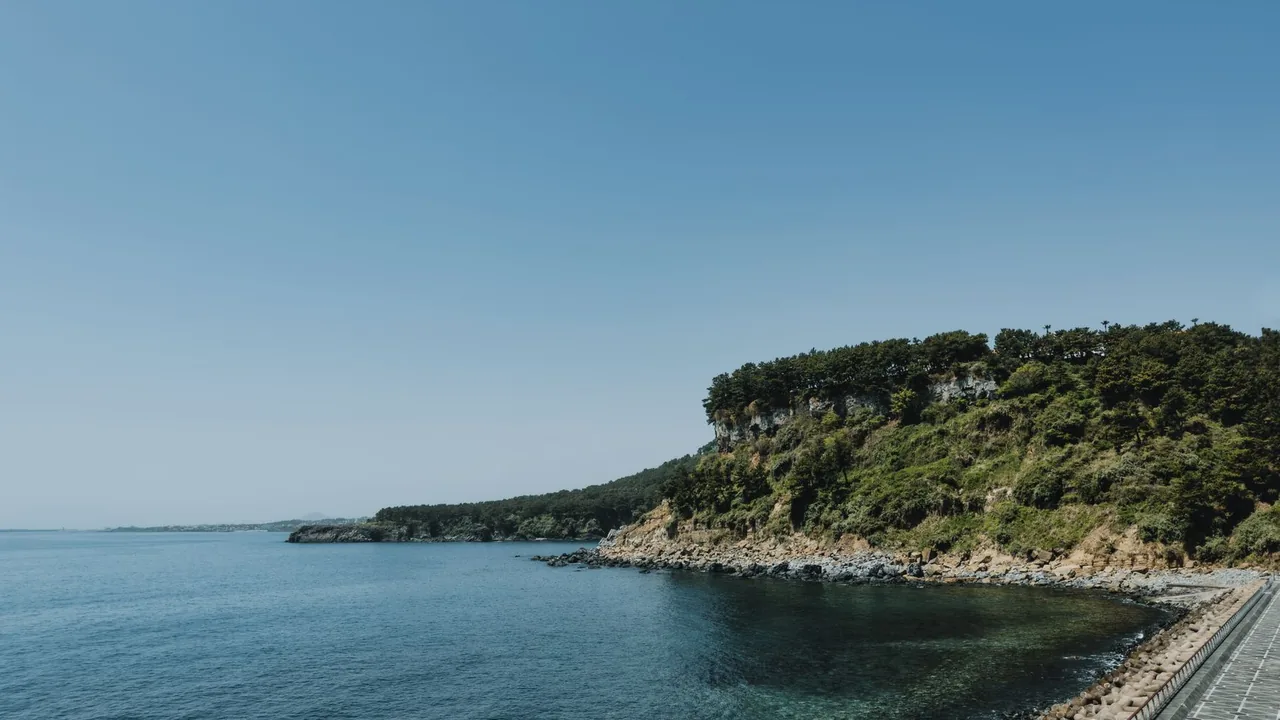
# Jeju Luxury Guide 2026: Where the Wealthy Shop and Eat
Jeju isn't just a honeymoon destination anymore—it's become a legitimate wealth magnet for Korea's high-net-worth individuals who've built private estates, yacht clubs, and exclusive dining establishments across the island. But here's what most travel guides won't tell you: the real luxury Jeju isn't concentrated in one glitzy mall or beachfront hotel strip. It's scattered, deliberate, and designed to keep tourists out. This guide maps the actual jeju luxury district where locals with serious money conduct their business, host private events, and spend their weekends.
Jeju's Luxury Map — Where Locals with Money Actually Go
Forget the English signage and Instagram crowds. Jeju's true luxury ecosystem centers around three hidden zones:
First-City (구도심) business district in central Jeju-si remains the old-money stronghold—lawyers, shipping magnates, and real estate tycoons still prefer intimate sushi bars and private clubs tucked above unmarked storefronts here.
Gujwa-eup and the East Side have exploded in the past five years as ultra-wealthy Seoulites build holiday compounds near volcanic terrain and private beaches. Golf clubs, spa resorts, and members-only clubs dominate this area.
Jungmun Resort Area (중문관광단지) straddles tourism and exclusivity—legitimate fine dining happens here, but you need to know which restaurants cater to residents versus package-tour groups.
Most visitors never venture beyond the obvious triangle: Lotte World Mall, Shinsegae Department Store, and beachfront hotels. That's precisely why the wealth lies elsewhere.
5-7 Luxury Neighborhoods and Venues Worth Your Money
This isn't a single restaurant but a cluster of elite Korean beef establishments around Jungang-ro and Sammun-ro. When Jeju's shipping executives take clients to dinner, they come here, not to hotel restaurants.
Real cost: 120,000—200,000 KRW per person for prime cuts with traditional side dishes. A-5 grade Jeju black cattle (흑우) runs approximately 140,000 KRW for 200g.
What to do: Call ahead (these places don't advertise). Ask your hotel concierge for reservations at Okryongak or Chosun Galbijip—both require advance notice and won't seat walk-ins during peak seasons.
East Jeju has transformed into a billionaire's playground. Golf clubs like Jeju Dream Park Golf Club and Pine Valley Golf Club charge initiation fees of 300,000,000—500,000,000 KRW. Membership is by referral only.
If you're not already a member, you can sometimes arrange a guest round through luxury hotels (Signiel, Lotte Jeju) for approximately 250,000—350,000 KRW, but expect scrutiny.
Dining on-site: Club restaurants serve kaiseki-style Korean fusion. Budget 80,000—150,000 KRW per person. These clubs also host exclusive private events—weddings, corporate galas—with price tags reaching 50,000,000 KRW+.
Three restaurants in the Jungmun area hold genuine culinary weight (not tourist traps with English menus):
Myoungsung (명성) — Traditional Korean haute cuisine. 8-course tasting menu: 180,000 KRW. Heavily Korean clientele, minimal English. Dinner only; closed Mondays.
Shinae (신애) — Seafood-focused contemporary Korean. Omakase-style pricing: 150,000—220,000 KRW. Owner sources directly from local fishers. Expect 90-minute courses.
Le Souhait (르 수에) — French fine dining with Korean ingredients. Prix fixe only: 195,000 KRW for 7 courses. This is where Seoul's wealthy eat when they want western technique without leaving the island.
Booking: Reservation required 2+ weeks in advance. Call directly (not through booking apps). English-speaking staff is limited but willing.
Unlike Lotte Mall (overrun with tourists), Shinchon shopping district hosts Korean luxury boutiques serving actual wealth. Here you'll find standalone flagship stores for Korean designers like Amorepacific (luxury cosmetics), Theory, and niche Japanese labels.
Price reality: A silk scarf from a heritage brand runs 150,000—250,000 KRW. High-end cosmetics (custom anti-aging serums) range 180,000—400,000 KRW.
Personal shopping services are available at flagship stores—call ahead for an appointment with an English-speaking associate. No rush; these salespeople work on appointment commission, not traffic.
Wealthy locals source ultra-fresh seafood directly from female divers at Gujwa Haenyeo Market and Seongeup Haenyeo Market. This isn't a tourist attraction; it's how island residents eat.
Prices: Live sea urchin (uni): 25,000—40,000 KRW per 100g. Abalone (전복): 80,000—120,000 KRW per kg. You negotiate here. Many restaurants buy daily inventory directly from these markets at dawn.
Practical: If staying in a villa with a kitchen, buy here and prepare meals yourself. Quality is objectively superior to anything served in tourist restaurants, and cost per serving is 1/3 of restaurant pricing.
Jeju's true luxury quietly exists in private villa compounds—some owned by CEO families, entertainment executives, and generational wealth.
Luxury villa pricing: 200-room luxury villas in gated Gujwa communities rent for 800,000—2,000,000 KRW per night. Larger estates (5-7 bedrooms) with staff quarters and wine cellars reach 3,000,000—5,000,000 KRW nightly.
These aren't available on typical booking platforms. Contact Jeju Private Living or Luxury Villa Collection Korea for access. Your credit card's concierge can also arrange introductions.
Whoo Spa (후 스파) in Jungmun—a luxury Korean skincare brand's private retreat. Treatments use 24-karat gold infusions and white truffle extracts.
Cost: Signature facial + body treatment package: 450,000 KRW (90 minutes). Membership-based access offers 20% discounts.
Alternatively, high-end hotel spas (Signiel Jeju, Lotte Jeju) offer comparable services: 300,000—350,000 KRW for 60-minute treatments. Book 1+ weeks ahead.
Etiquette & Practical Tips for Navigating Jeju's Luxury Sector
- Never mention you saw a place on Instagram or a blog. Restaurants serving actual wealth-tier clientele view social media exposure as degradation. Phrase your reservation as "referred by a colleague" or "recommended by your concierge."
- Dress appropriately for dining. Business casual minimum for mid-tier establishments (slacks, closed-toe shoes). For fine dining, full business formal or tailored smart casual is expected. No athleisure, no flip-flops.
- Learn basic Korean restaurant phrases: "예약했습니다" (I have a reservation), "물 주시겠어요?" (Could I have water?), "계산서 주세요" (Check, please). English speakers exist but showing effort earns respect and often better service.
- Arrive exactly on time—never early, never late. Korean luxury establishments operate on precise schedules. 5-minute delays trigger phone calls; 15+ minutes forfeit your reservation.
- Cash is still king at many high-end establishments. Bring 500,000+ KRW in cash when visiting luxury restaurants or shopping. Many require cash deposits for reservations and prefer cash settlement to avoid transaction fees.
- Book restaurants 2-4 weeks in advance during peak season (summer, Chuseok, Lunar New Year). Last-minute availability signals low demand, which means lower quality clientele.
- Tipping is not customary and often unwelcome. Service charges (10-15%) are already included in pricing at fine dining establishments. No additional tip is expected or appreciated.
- Use your hotel concierge ruthlessly. High-end hotels (Lotte, Shilla, Signiel) maintain relationships with exclusive venues. Concierge can secure reservations you cannot access independently. This is a free service—use it.
- Understand that "luxury" in Jeju often means exclusivity, not Instagram-ability. The most expensive meals won't have candid plating photos or neon signage. Understated elegance is the aesthetic.
- Negotiate prices on high-value purchases. At haenyeo markets and certain boutiques, prices are opening positions. A respectful counter-offer (5-10% less) is expected and appreciated.
FAQ: Jeju Luxury Travel Questions
A: Depends on your use case. Luxury resorts (Signiel, Lotte) offer concierge access, restaurant proximity, and professional housekeeping daily. Private villas offer privacy, kitchen facilities, and entertainment flexibility. For 5+ nights, villas become cost-competitive when splitting costs among groups. For couples seeking service-heavy experiences, resorts win. Elite travelers often do both: villa for main stay, one night in a resort to access spa/dining without driving.
A: Check the reservation system. Genuine luxury restaurants don't use online booking platforms or show availability calendars. They require phone calls during business hours, ask for your full name and purpose of visit, and may decline walk-ins entirely. If you can book it on Naver or Google, it's tourist-accessible. Also: menus in English and Korean signal mixed clientele. Korean-only menus or limited English typically indicate local-serving establishments.
A: Budget 150,000—250,000 KRW per person daily for mid-to-high tier dining (one meal), 50,000 KRW for quality casual meals, 100,000+ KRW per night for accommodation, and 100,000—300,000 KRW for activities/spa. A comfortable luxury weekend for two: 4,000,000—6,000,000 KRW total (3 nights, meals, one premium experience). This excludes shopping and villas, which are variable.
A: Yes. Private yacht charters (550,000—2,000,000 KRW per day), helicopter island tours (900,000—1,500,000 KRW), bespoke hiking experiences with private guides (300,000—500,000 KRW), and exclusive art gallery events hosted by Korean collectors. Ask your concierge about seasonal private events—wine tastings, art auctions, and galas happen regularly but aren't advertised publicly.
A: Highly recommended for non-Korean speakers. Driver cost: 60,000—100,000 KRW daily. A driver familiar with luxury venues ensures zero navigational stress and gets you priority parking at exclusive restaurants. Translators (50,000—80,000 KRW daily) are necessary if you plan extensive shopping or want genuine conversational access to local experiences. Hotels can arrange both within 24 hours.
A: May—June and September—October. Summer (July—August) is overcrowded and prices spike without proportional service quality improvement. Chuseok (Korean Thanksgiving) and Lunar New Year are family-travel peaks—restaurants prioritize group bookings. Spring and early autumn offer ideal weather, manageable crowds, and highest service standards from establishments that aren't overwhelmed.
Ready to Explore Jeju's Real Luxury?
You now have the insider map. The next step isn't reading more—it's connecting with someone who can execute these reservations and arrangements for you.
Ask the KORLENS AI chat for Jeju shopping and dining suggestions based on your interests. It is an AI assistant that replies in seconds, not a human team, and it works from Korea Tourism Organization open data.
Heading to Seoul as well? Seoul Local Picks covers Seoul only.
Alternatively, read our companion guide: Jeju Beyond the Beach: Cultural Wealth Experiences →
Next Step
About this guide
KORLENS is run by one person (KunStudio, a solo studio in Korea), not an editorial team. Guides are AI drafts based on public sources; some use Korea Tourism Organization TourAPI open data. KORLENS does not claim on-site visits or scheduled re-checks, so confirm hours, prices and closures with the venue before you go. Page last edited: 2026-05-30.
Plan your Korea trip with the KORLENS AI chat
Got a follow-up question after reading this? Ask the KORLENS AI chat in plain English. It is an AI assistant, not a person, and it replies in seconds with places from Korea Tourism Organization open data.
Ask the KORLENS AI chatCurious about Korean Saju? Try sajuapp.app
1,000-year-old Korean astrology, decoded by AI — available in 9 languages.
Is it worth visiting, the best time to go, crowds and real cost.
Best time to visit Jeju, month by month →Jeju for Young Travelers 2026: Music, Cafes, Street Culture
Skip the postcard views. Here's where Jeju's real youth culture lives: underground music venues, rooftop cafes, and street art that Instagram hasn't sanitized y
Jeju for Foreigners 2026: Where to Eat, Drink, Stay
Jeju isn't just a Korean honeymoon destination anymore. Here's where foreigners actually eat, drink, and sleep in 2026—with real prices and zero tourist traps.