7 Best Day Trips from Gyeongju (2-Hour Radius, 2026)
Skip the tourist crowds in Gyeongju's center. These 7 countryside day trips within 2 hours reveal authentic Korea—from coastal cliffs to mountain temples and ar
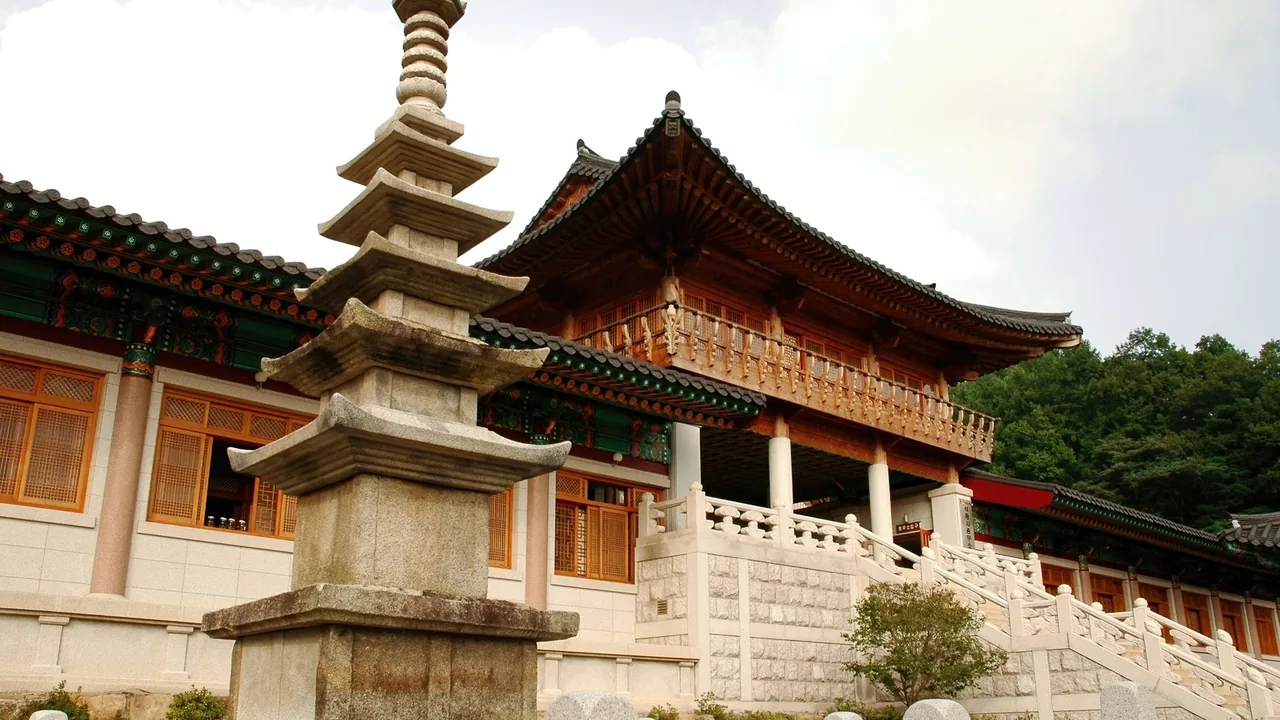
# 7 Best Day Trips from Gyeongju (2-Hour Radius, 2026)
Gyeongju itself is a museum without walls—temples, tombs, and pagodas everywhere. But here's what locals won't tell you: the real Korea isn't in the UNESCO buffer zones. It's 30 to 90 minutes away, in places where tour buses don't go, where your Korean won't matter as much as your willingness to eat what's in front of you. The 2-hour radius from Gyeongju is where you'll find working fishing villages, mountain passes where ajummas grow wild vegetables, and coastal cliffs that rival anything in the south. This is where you'll actually remember being.
Why a 2-Hour Radius Is the Sweet Spot from Gyeongju
Gyeongju sits dead center in North Gyeongsang Province (경주, Gyeongbuk). A 2-hour drive gets you to the province's edges—coastal towns to the east, mountain valleys to the north, and underrated heritage sites to the west—without requiring an overnight trip or a rental car you'll stress over. Public transit connects most of these spots, though a rented car (₩55,000–₩75,000/day from local agencies) gives you flexibility to stop at unmarked restaurants and detour through farming roads.
Within this radius, you're also avoiding the Seoul-bound expressway crowds and staying in regions where prices don't inflate for foreign tourists. A lunch set at a countryside restaurant runs ₩8,000–₩12,000, not ₩20,000+. This is economic travel that feels authentic because it is authentic.
7 Best Gyeongju Day Trip Countryside Destinations
Distance: 1 hour 15 minutes | Best for: Temple hiking, seasonal wildflowers
Skip Bulguksa Temple crowds. Instead, take Route 35 toward Yangnam-myeon and find Homhon Village, a quiet hamlet nestled in the Naksan valley where three mountain temples share a single creek system. Hwangnyongsa Temple Ruins (황룡사) sits above at 600m—a 45-minute hike through oak and pine forests where you'll see maybe five other people total.
What to do: Park at the small trailhead (free), hike to Hwangnyongsa remains, grab cold soba noodles at the tiny restaurant at the base (₩8,500 per bowl). If you're there June–July, the valley explodes with mountain azaleas.
Cost estimate: ₩0 hike + ₩8,500 lunch + ₩3,000 coffee (there's one café) = ₩11,500
Getting there: Bus 235 from Gyeongju bus terminal toward Yangnam (₩2,600), 50 minutes. Ask the driver to stop near Hwangnyongsa. Return by retracing or continuing through the valley (local minibuses run hourly).
Distance: 45 minutes | Best for: Seafood, coastal walks, sunrise
This isn't a tourist beach. Wolseong (월성) is a working fishing village where fresh fish auctions happen at 4 AM, and the only development is a handful of raw fish restaurants (회) and ajumma-run pojangmacha (tent restaurants) selling grilled fish skewers.
What to do: Walk the coastal cliff path northward toward Gampo Port (감포)—a 6km walk with zero crowds. Stop at Gampo Market (감포항 수산물 시장) to buy fresh uni, sea urchin, or whatever's been caught that morning. Take it to any nearby pojangmacha and pay ₩3,000 to have them grill it for you. Eat overlooking the East Sea.
Cost estimate: ₩15,000–₩25,000 for fresh seafood + ₩3,000 grilling fee. Gas or transit: ₩5,000.
Getting there: Bus 100-1 from Gyeongju intercity bus terminal (₩3,200), 50 minutes. Last return bus is 6:45 PM.
Distance: 1 hour 30 minutes | Best for: Photography, hiking, water features
Soseokjeong (소석정) is an ancient stone platform where Silla kings allegedly rested during hunts. What matters now: it's the trailhead to Geojeong Waterfall (거정폭포), a 15-meter cascade hidden in a forested gorge that's only half-visible in tourist guides.
What to do: Park at Soseokjeong (₩2,000), hike 2.5 hours to the waterfall (moderate difficulty, well-marked), return via the same route. The trail follows a stream most of the way, so it's cool even in July. Pack water and snacks—no facilities once you leave the parking area.
Cost estimate: ₩2,000 parking + ₩15,000 gas (car rental) or ₩8,000 taxi from Gyeongju
Getting there: Requires a car or taxi. Not accessible by regular bus. Local taxi from Gyeongju: ₩35,000–₯40,000 one-way; ask driver to wait 4 hours (standard rate: ₩8,000/hour).
Distance: 1 hour 20 minutes | Best for: Agricultural experience, seasonal tea picking, ajumma culture
Okcheongsan (옥청산) is a family-run green tea plantation where the owners—a husband-and-wife pair in their 70s—still hand-pick leaves using methods their father taught them. No gift-shop veneer. Just rows of tea bushes on a south-facing hill, the smell of toasting tea leaves, and the owners genuinely puzzled that foreigners want to see what they do.
What to do: Call ahead (ask your guesthouse to dial: farm operates informally, no website). Show up between 9 AM–4 PM. Pick tea leaves with the owners for 1–2 hours (you'll earn a small bag of fresh leaves). Eat a farm lunch (₩12,000): rice, 6–8 vegetable banchan, soup made from greens they grew, tea made from what you picked.
Cost estimate: ₩12,000 farm lunch + ₩5,000 gas/taxi
Getting there: Requires a car or arranged pickup through your Gyeongju guesthouse (many offer driver-friend connections). Roughly 40 minutes from central Gyeongju toward the northwest hills.
Distance: 50 minutes | Best for: Architecture, village walks, historical context
Gachon (가촌, also called Gapo) is a preserved yangban (양반 — Korean aristocratic class) village from the Joseon era. Unlike Hahoe (하회, the famous one that appears in every guidebook), Gachon remains a living village. Families still inhabit the 200+ year-old timber houses. Neighbors still farm the surrounding rice paddies. Tour groups don't come here.
What to do: Walk the dirt lanes between old houses, visit the family shrine, grab lunch at one of two restaurants. The village is small—90 minutes is enough to see everything. Stop at the natural dye studio (천연염색) if open, run by a local artist.
Cost estimate: ₩8,000–₩10,000 lunch + ₩4,000 transit
Getting there: Bus 300 from Gyeongju intercity terminal toward Yecheon (₩4,900), 50 minutes. Ask to get off at "Gachon" (가촌). Return bus runs until 6 PM.
Distance: 1 hour 10 minutes | Best for: Swimming, cliff-jumping (in summer), geology
If you want water and no crowds, Bulgeum (불금) is where locals take their kids on hot Saturdays. It's a limestone gorge with a river cold enough to shock your system, rock pools, and a hiking trail along the canyon rim. Summer (July–August) is when the water's high enough for actual swimming and cliff-jumping from 3–5 meter rocks.
What to do: Arrive early (before 11 AM) to avoid the afternoon local crowd. Swim, wade, hike the canyon rim trail (1.5 hours, easy). Eat at one of the riverside pojangmacha (grilled fish: ₩12,000, ramyeon: ₩5,000).
Cost estimate: ₩12,000–₩15,000 food + ₩5,000 gas/transit. Parking: ₩2,500
Getting there: Car recommended. From Gyeongju, head west on Route 25, then north. Roughly 1 hour drive. No direct bus.
Distance: 20 minutes (technically not a day trip, but worth a full morning detour) | Best for: If you haven't done Gyeongju's core sites yet
Alternative if you're maximizing time: Skip the crowded Donggung/Anapji and instead pair a morning at Bomun Lake (보문호) with a lunch at one of the residential neighborhoods around it. The lake has a 3km walking path, rental bikes (₩8,000/hour), and several quiet restaurants run by pensioners where you eat overlooking water instead of crowds.
Cost estimate: ₩8,000 bike rental + ₩10,000 lunch = ₩18,000
Getting there: Bus 10, 11, or 12 from downtown Gyeongju (₩1,250), 20 minutes.
---
8 Practical Etiquette & Logistics Tips for Gyeongju Day Trips
- Respect farming hours. If you're visiting a plantation or village, avoid mid-afternoon (1–4 PM) when farmers rest. Morning visits (8 AM–12 PM) are preferred. Always ask before photographing people.
- Bring cash everywhere. Many countryside restaurants, small temples, and farm stops don't accept cards. ATMs exist in larger towns but not in villages. Withdraw ₩50,000–₩100,000 before leaving Gyeongju.
- Learn basic directions in Korean. GPS fails in mountain valleys. Know how to ask: "Where is [place]?" ("[장소]는 어디입니까?") and "How far?" ("얼마나 멀어요?"). Locals will help if you ask respectfully.
- Use Naver Map or Kakao Map, not Google Maps. In rural Korea, Google's coverage is spotty. Naver and Kakao have every ajumma's pojangmacha marked.
- Dress for hiking. Even if you think you're just "walking around," bring proper shoes. Countryside trails are muddy or rocky. Flip-flops are a joke locals make fun of.
- Respect temple grounds. If visiting an active temple, remove shoes before entering buildings. Don't eat meat, garlic, or onions on temple grounds (many temples still observe Buddhist dietary rules). Photography of monks requires permission.
- Communicate with guesthouse owners. Most Gyeongju guesthouses have local connections—driver friends, village contacts, restaurant owners. Tell them where you're going; they'll often call ahead and get you discounts or insider tips you won't find online.
- Return before sunset. Countryside bus schedules often end around 6–7 PM. Don't get stranded. Plan a 5 PM latest departure from anywhere outside Gyeongju proper.
- Hire a driver if in a group. Split ₩120,000–₯150,000 among 3–4 people and you're paying ₩30,000–₩40,000 per person for a full day with someone who knows shortcuts and understands Korean signage.
- Check the Korean lunar calendar. Markets, temples, and village events run on lunar dates. A village festival on the "8th lunar month" won't match your Western calendar date.
---
FAQ: Gyeongju Day Trip Countryside Questions
Q: Is a rental car necessary? A: Not required, but it removes friction. Buses connect all seven spots, but schedules are infrequent (hourly to every 2–3 hours). With a car, you'll see more, eat longer lunches without stress, and discover unmarked restaurants. If you're comfortable with GPS and patient waiting, buses + occasional taxis work fine.
Q: What's the best time of year for countryside day trips? A: Spring (April–May) and autumn (September–October) are optimal—mild weather, clear skies, no crowds. Summer (July–August) is humid and brings local families to beaches/waterfalls (crowds on weekends). Winter is quiet but cold; mountain hikes demand proper gear. Avoid Lunar New Year (late Jan/early Feb) and Chuseok (Sept/Oct full moon)—buses fill with domestic travelers.
Q: Can I do multiple day trips in one day? A: Yes, if you have a car. Wolseong Beach + Gampo Port takes 3 hours total. Add Bulgeum Gorge afterward (another 45 minutes away). Or do Okcheongsan tea farm (morning: 3 hours) + Gachon village (afternoon: 2 hours). By bus, stick to one main destination per day.
Q: Are there English speakers in these villages? A: Rarely. Restaurants, guesthouses, and buses in larger towns (Wolseong, Gachon) might have someone who knows basic English. Villages like Homhon? No. Download a translator app, learn key phrases, or ask your guesthouse to call ahead and explain your arrival.
Q: What if I don't have an international driver's license? A: You'll need an International Driving Permit (IDP) issued in your home country before arrival. Car rental agencies check this strictly. If you don't have one, hire a driver or rely on buses + taxis.
Q: Is it safe to hike alone in these areas? A: Yes, generally very safe. Korea's crime rate is low, and locals are used to hikers. Trails are marked. The main risks are: getting lost (mitigated by offline Naver Map), dehydration, and poor phone service. Tell someone where you're going, bring water, and carry a portable charger.
---
The Closing: Beyond the Guidebook
Gyeongju's countryside day trips reveal something guidebooks can't sell: the texture of how people actually live here. A lunch cooked by an ajumma who's been making the same five vegetable banchan for forty years. A valley so quiet you hear your own footsteps. A beach where fishermen remember when this coast fed all of Korea.
These places won't change your Instagram aesthetic. But they'll change how you understand Korea.
Ask the KORLENS AI chat for Gyeongju day-trip suggestions based on your interests. It is an AI assistant that replies in seconds, not a human team, and it works from Korea Tourism Organization open data. Also visiting Seoul? Seoul Local Picks covers Seoul only.
Want more Gyeongju itineraries? Read our guide to 3-day Gyeongju for first-timers or alternative heritage sites beyond Bulguksa.
Next Step
About this guide
KORLENS is run by one person (KunStudio, a solo studio in Korea), not an editorial team. Guides are AI drafts based on public sources; some use Korea Tourism Organization TourAPI open data. KORLENS does not claim on-site visits or scheduled re-checks, so confirm hours, prices and closures with the venue before you go. Page last edited: 2026-06-24.
Plan your Korea trip with the KORLENS AI chat
Got a follow-up question after reading this? Ask the KORLENS AI chat in plain English. It is an AI assistant, not a person, and it replies in seconds with places from Korea Tourism Organization open data.
Ask the KORLENS AI chatCurious about Korean Saju? Try sajuapp.app
1,000-year-old Korean astrology, decoded by AI — available in 9 languages.
Is it worth visiting, the best time to go, crowds and real cost.
Best time to visit Gyeongbuk, month by month →Gyeongju 3-Day Itinerary for First-Time Visitors (2026)
Skip the Seoul crowds. Gyeongju's ancient temples, royal tombs, and vibrant city center reveal Korea's true cultural soul in three days.
Gyeongju's Hidden Coffee Shops Locals Love (2026 Guide for Foreigners)
Skip the temple crowds. Gyeongju's coffee culture is where locals actually spend their time. Here's where to find authentic third-wave cafes hidden in plain sig