Gyeongju 3-Day Itinerary for First-Time Visitors (2026)
Skip the Seoul crowds. Gyeongju's ancient temples, royal tombs, and vibrant city center reveal Korea's true cultural soul in three days.
# Gyeongju 3-Day Itinerary for First-Time Visitors (2026)
Most travelers rush through Gyeongju in a day trip from Busan or Seoul, missing the rhythm of Korea's ancient capital entirely. This former seat of the Silla Kingdom isn't just a museum—it's a living city where Buddhist temples sit beside convenience stores, and you can watch the gyeongju skyline city center glow at dusk while standing in a 1,400-year-old courtyard. Here's how to actually experience it in three days.
Day 1: Gyeongju Skyline City Center & Arrival Orientation
You'll likely arrive via Busan's Gimhae International Airport (1.5 hours by bus, 12,000–15,000 KRW). Skip the airport bus and take an intercity express directly to Gyeongju Express Bus Terminal. You'll arrive around midday.
Drop luggage at your accommodation (more on lodging below) and grab lunch. Head to Gyeongju City Center (경주 시내) near Bulguk Station—the actual downtown where locals live, work, and eat. This isn't the temple district; it's the gyeongju skyline city center where you'll see modern Gyeongju.
Lunch spot: Buljjim House (불찜하우스) on Gyeongju-daero. Order yukhoe buljjim (beef hot pot), ₩15,000–18,000 per person. No English menu, but point to other tables and the owner will understand.
Walk 15 minutes to Cheomseongdae (첨성대, Cheomsungdae Observatory), the world's oldest existing astronomical observatory (7th century). Entry is free. Spend 30 minutes here; the stone tower is modest but the UNESCO credential and peaceful grove matter more than the structure itself.
Then drift through downtown's Gyeongju Central Market (경주 중앙시장). Skip the tourist trinkets; instead, grab fresh fruit at a stall (₩3,000–5,000), watch tteokbokki vendors work, and buy snacks for later. This is where the gyeongju skyline city center connects to its pre-modern soul.
Head to Bulguk-ro (불국로), the main avenue, around 5:30 PM. Walk the strip from the city center southward toward the temple district. You'll pass traditional hanok buildings, modern cafes, and the glow of shop fronts. Stop at Gyeongju Night Market (경주 야시장) if it's a Friday or weekend—food stalls, live music, local energy.
Dinner: Try Ssamnamu (쌈나무), a Korean BBQ joint near downtown. ₩25,000–30,000 per person for grilled pork belly. Koreans do gyeongju city center dining here, not tourists.
End the day at a rooftop or upper-floor cafe overlooking the gyeongju skyline city center. Maru Cafe (마루 카페) offers modest coffee (₩4,500) and city views without the tourist markup.
---
Day 2: Temples, Tombs & Surrounding Neighborhoods
This is the heavy hitter. Rent a bike from your guesthouse (₩10,000/day) or take a local bus (#10, 20 minutes, ₩1,250).
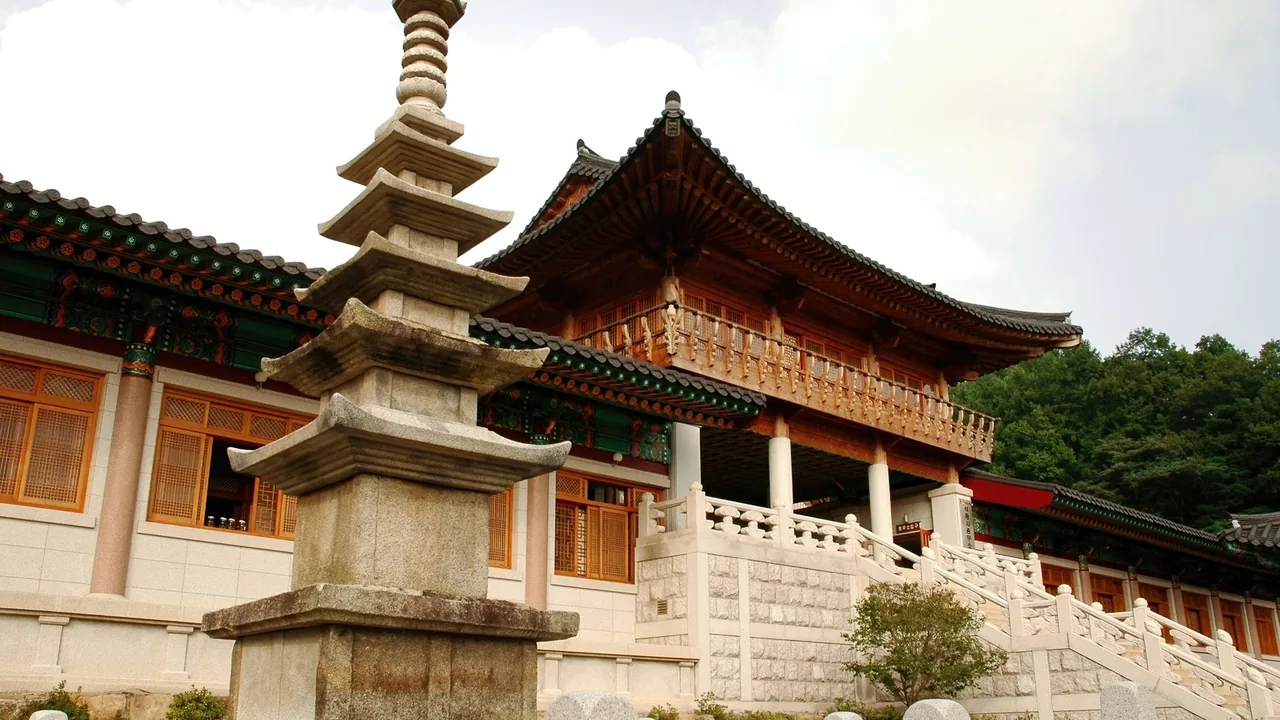
Bulguksa is massive, crowded by 10 AM, and absolutely worth the queue. Entry: ₩9,000. Arrive by 8:30 AM if you can. The multi-tiered stone stairways, wooden halls, and backdrop of forested mountains embed themselves in your memory. Spend 90 minutes minimum.
Hike up to Seokguram (30-minute walk, steep) or catch a shuttle bus (₩2,500 round-trip). The stone grotto with its seated Buddha is surreal—carved into a mountain in 774 CE, facing the East Sea. Entry to both temples included in the ₩9,000 ticket.
Bulguksa Dosol Sikdang (도솔 식당), next to the main gate, serves bibimbap and vegetarian temple meals. ₩10,000–12,000. Humble, authentic, packed with Korean visitors (the best sign).
Bike or bus back down. Explore the Bulguk neighborhood (불국 지구), a quiet residential area with small temples, traditional houses, and zero tourists. Walk through Okcheong-myeon (옥천면), where you'll find:
- Golgulsa Temple (골굴암): A lesser-known cave temple with monk-carved Buddhas. Entry: ₩3,000. The silence here is profound.
- Dongdae District: Wander past family-run jjimjilbangs (Korean spas), local restaurants, and kids playing in courtyards. This is where Gyeongju residents actually spend their afternoons.
Anapji (안압지, also called Wolseong Pond) is a restored Silla royal garden with reflection lighting after sunset. Entry: ₩3,000. It's romantic but touristy; go anyway because the reflection of lanterns on water, paired with local families picnicking, is quintessential Gyeongju.
Walk back toward Gyeongju City Center via Gyeongju Hwangseong-ro (황성로), a tree-lined avenue with street food. Grab hotteok (sweet pancakes, ₩3,000) from a vendor.
Dinner: Imun-ro Alley (이문로 골목), a narrow food alley behind the city center. Try dakgangjeong (sweet glazed chicken, ₩12,000–15,000) at any stall.
---
Day 3: Royal Tombs & Local Life
Daereungwon (also called Tumuli Park) is the crown jewel: 31 ancient Silla royal burial mounds set in a grassy field. Entry: ₩4,000. You can walk between the tombs, which is surreal—grass-covered mounds from the 5th–10th centuries, some 50+ meters across.
Arrive by 8:30 AM. Spend two hours. The gyeongju skyline city center feels very far away when you're standing in the middle of ancient graves surrounded by only birdsong and grass.
Coffee break: Cafe Myeongwoollim (카페 명우림), a small roaster inside the park area. Excellent americano, ₩5,000. Run by a former architect; chat if you speak Korean.
Head to Cheongwon-myeon (청원면), a rural area 30 minutes by local bus (#300, ₩1,250). This neighborhood is where Gyeongju's artisans—ceramicists, woodworkers, textile dyers—actually live and create.
- Gyeongju Ceramic Museum & Studios: Wandering ceramicists' workshops. Most are open to visitors. Expect handmade bowls (₩30,000–80,000) and patient potters who appreciate genuine interest.
- Silla Folk Village (신라 민속마을): A reconstructed traditional village, admission ₩5,000. Less crowded than larger Korean folk villages.
Jakmae Sikdang (작매 식당): Order sanchae bibimbap (wild vegetable rice bowl), ₩9,000. This is real Gyeongju food, not tourist food.
Head back to Gyeongju City Center by 3 PM. Visit Gyeongju National Museum (경주 국립박물관) if you have energy, or simply wander the downtown shops:
- Jungang-ro (중앙로): Main shopping street, local brands, no major chains until you reach the edges.
- Gongpyeong-ro (공평로): Quieter, with independent bookstores and vintage shops.
Final dinner: Jip (집, meaning "house"—a small restaurant specializing in galbijjim, ₩30,000–35,000 per person). Reserve ahead if possible.
---
5 Essential Neighborhoods & Spots
- Where: Downtown, near Bulguk Station
- Why: The living, breathing gyeongju skyline city center. Markets, local eateries, no tourism branding.
- Cost: Meals ₩8,000–20,000
- Where: 20 km south of city center
- Why: Home to Bulguksa Temple and smaller surrounding temples. Peaceful, residential, forested.
- Cost: Temple entries ₩3,000–9,000
- Where: East of city center, 15 minutes by bus
- Why: 31 royal tombs, unique among Korean historical sites. Spiritual, quiet.
- Cost: ₩4,000 entry
- Where: Southeast of city center
- Why: Restored Silla garden, evening lighting, local families in evening hours.
- Cost: ₩3,000 entry
- Where: Southwest, rural area
- Why: Zero tourists. Golgulsa Temple, local farms, authentic neighborhood life.
- Cost: Meals ₩8,000–12,000
- Where: Northwest, 40 minutes by bus
- Why: Ceramicists, artisans, rural Gyeongju. Silla Folk Village.
- Cost: Meals ₩8,000–10,000; ceramics ₩30,000+
- Where: Behind Gyeongju City Center downtown
- Why: Street food alley. Dakgangjeong, tteokbokki, local night energy.
- Cost: Dishes ₩3,000–15,000
---
Practical Tips & Etiquette (8-10 Key Points)
- Respect temple etiquette: Remove shoes before entering main halls, dress modestly (cover knees and shoulders), speak quietly. Photography is allowed in most areas but check signage.
- Use the transportation card (T-money): Buy at any convenience store (₩2,500 blank card + load cash). Buses, trains, temples—all accept it. Single journeys are ₩1,250–2,500.
- Convenience stores are your friend: GS25, CU, Emart24 are everywhere. Grab kimbap, tteokbokki, coffee, snacks. ₩3,000–7,000. Use the restrooms freely (best in Korea).
- Temple stay (Templestay) is worth one night: Many temples offer ₩60,000–100,000/night stays with monks, meditation, temple meals. Book via templestay.com. Authentic, quiet, unexpectedly moving.
- Tipping is not expected: Korea doesn't tip. If service charge is added (rare), don't add more. Servers won't expect it.
- Download Naver Map or Kakao Map: Google Maps is unreliable here. Both apps work offline if you pre-download areas.
- Hiking shoes required for temple climbs: Several temples involve steep stone stairs and hill trails. Wear comfortable, closed-toe shoes.
- Visit temples early (before 9 AM): Tourist buses arrive 9:30–10 AM. You'll have peaceful solitude in the hour before.
- Cash is still king in rural areas: ATMs at GS25/CU in city center accept foreign cards (Visa, Mastercard). Rural temples, small restaurants may not take cards.
- Respect photography rules at tombs: Don't stand on or pose on ancient burial mounds. Respect signs. Locals notice and will quietly correct you.
---
FAQ: Gyeongju 3-Day Trip
A: Technically yes, but you'll miss 80% of what makes Gyeongju valuable. Day trips force you into a bus tour, temple, and exit. Stay overnight—even one night—to walk neighborhoods, eat local meals, experience the gyeongju skyline city center after dark, and absorb silence in ancient spaces. Two to three days is the minimum for real experience.
A: Spring (April–May) and autumn (September–October) are ideal: comfortable temperatures, clear skies, fewer crowds than summer. Winter (December–February) is quiet and moody—temples feel isolated and spiritual. Summer is hot, humid, crowded with Korean tourists. Avoid holidays (Chuseok in September/October, Lunar New Year in January/February) when everything is packed.
A: No. Local buses, bikes, and walking cover 95% of what you'll see. Rent a bike (₩10,000/day) for temple district exploration. Only rent a car if you're visiting Cheongwon or rural artisan studios and want flexibility. Buses are cheap, reliable, and drivers are patient with non-Korean speakers.
A: Less than Seoul or Busan. Downtown city center hotels and major temples have English signage. Smaller restaurants and rural areas? No English. Download translation apps (Google Translate's camera function works). Older locals in shops are patient; younger people speak some English. Point, smile, show pictures on your phone—it works.
A: Stay near Bulguk Station or downtown Gyeongju City Center. Bulguk is quieter, closer to temples, but less food/nightlife. Downtown is lively, walkable to markets and restaurants, closer to Daereungwon. For temple immersion, book a templestay directly with a monastery. Mid-range: Gyeongju Tourist Hotel (₩80,000–120,000/night), DH Hotel (₩90,000–130,000). Budget: Guesthouses in city center (₩40,000–60,000).
A: Budget ₩200,000–300,000 ($150–225 USD) excluding accommodation: Meals ₩50,000–80,000/day, temple/tomb entries ₩15,000 total, transport ₩10,000, coffee/snacks ₩20,000. Accommodation ranges ₩40,000–120,000/night. Templestay is ₩60,000–100,000/night and includes meals.
---
Closing: Go Beyond the Postcard
Gyeongju isn't meant to be checked off a list. It's a place to sit in temple courtyards while monks chant in adjacent rooms, to eat dakgangjeong from a street vendor while watching the gyeongju skyline city center lights flicker on, to stand between 1,400-year-old burial mounds and feel genuinely humbled by time.
Three days gives you that. Use it well.
Ask the KORLENS AI chat for Gyeongju place suggestions for a first visit based on your interests. It is an AI assistant that replies in seconds, not a human team, and it works from Korea Tourism Organization open data.
Go to Gyeongju. Stay three days. Come back changed.
Next Step
About this guide
KORLENS is run by one person (KunStudio, a solo studio in Korea), not an editorial team. Guides are AI drafts based on public sources; some use Korea Tourism Organization TourAPI open data. KORLENS does not claim on-site visits or scheduled re-checks, so confirm hours, prices and closures with the venue before you go. Page last edited: 2026-06-24.
Plan your Korea trip with the KORLENS AI chat
Got a follow-up question after reading this? Ask the KORLENS AI chat in plain English. It is an AI assistant, not a person, and it replies in seconds with places from Korea Tourism Organization open data.
Ask the KORLENS AI chatCurious about Korean Saju? Try sajuapp.app
1,000-year-old Korean astrology, decoded by AI — available in 9 languages.
Is it worth visiting, the best time to go, crowds and real cost.
Best time to visit Gyeongbuk, month by month →Gyeongju's Hidden Coffee Shops Locals Love (2026 Guide for Foreigners)
Skip the temple crowds. Gyeongju's coffee culture is where locals actually spend their time. Here's where to find authentic third-wave cafes hidden in plain sig
Ulsan Night Markets and Late-Night Eats (2026 Guide)
Skip Seoul's crowded night markets. Ulsan's late-night food stalls offer authentic Korean street food, fewer tourists, and better value. Your insider's guide to