Gwangju for Foreigners 2026: Where to Eat, Drink, Stay
Gwangju isn't Seoul. That's its advantage. Discover the best foreign-friendly neighborhoods, restaurants, and practical tips for navigating Korea's most underra
# Gwangju for Foreigners 2026: Where to Eat, Drink, Stay
Gwangju doesn't have Seoul's English signage, Busan's beach tourism infrastructure, or Daegu's expat population. But that's exactly why you should visit. This city—South Korea's fifth-largest metro—has spent the last two years aggressively courting foreign visitors and remote workers, and the results are tangible. New English-friendly cafés, restaurants with bilingual menus, and co-working spaces have sprouted across the city. More importantly, you'll still experience authentic Korean life without the tourist markup.
Gwangju's 2024-2026 Reinvention: What's New for Foreigners
Gwangju's reinvention isn't accidental. The city government launched the "Gwangju Global Gateway" initiative in 2024, funding English signage projects, hospitality training for service staff, and digital infrastructure upgrades. Here's what that means for you:
Digital infrastructure: English-language city apps, Google Maps accuracy improvements, and Naver/Kakao app translations have made navigation genuinely easier. Most subway signs now include English.
Hospitality ecosystem: Hotel chains and guesthouses have hired English-speaking staff. Restaurants in tourist zones and emerging neighborhoods now carry English menus or QR code translation systems.
Co-working culture: Three new co-working spaces opened in 2025 (Dongmun, Geumnamro, and Yangnim areas), specifically marketing to digital nomads with English-speaking community managers.
Cultural events: The Gwangju Biennale (May-June), Kimchi Festival (October), and newly expanded Winter Light Festival now include foreign visitor programming and multilingual guides.
Food scene transparency: Reservation apps (Naver Book, Coupang Eats) now display allergen info and English menus for 60% more restaurants than 2024.
The net result: Gwangju is now genuinely navigable for foreigners, but still grounded in local character.
5-7 Neighborhoods & Spots: Real Prices, Real Recommendations
Vibe: Main downtown artery. Dense with restaurants, cafés, street food, and nightlife. Most English-friendly area in the city.
Where to stay: Hotel Noblesse (₩120,000–160,000/night for doubles) or Gwangju Grand Hotel (₩140,000–180,000). Both have English-speaking front desks.
Where to eat:
- Midam Kalguksu (미담칼국수): Knife-cut noodle soup, ₩9,000–12,000. No English menu, but point at others' bowls.
- Chilsung Galbi (칠성갈비): Marinated short ribs, ₩25,000–35,000 per person. Staff speaks conversational English.
- Cafe Moomu: Specialty coffee, ₩6,000–8,500. Wifi-friendly, zero pretension.
What to do: Walk the street, hit Gwangju Culture & Art Street (5-minute walk), browse the underground shopping complex below ground level.
Why go: Busier = more English exposure. Good for your first 1-2 days.
Vibe: Hillside neighborhood with restored colonial-era homes, galleries, boutiques, and craft breweries. Gentrifying but not yet overrun.
Where to stay: Yangnim House Stay (₩90,000–130,000) or Yangnim Heritage Guesthouse (₩85,000–125,000). Both owner-operated with English hosts.
Where to eat:
- GOTT Brewery: Craft beer (₩8,000–12,000 per glass), Basque cheesecake (₩7,000). English-fluent owner (expat-founded).
- Yangnim Bakery: Sourdough bread, ₩4,500–6,500. Hipster vibe, good for breakfast.
- Moksan Korean Table: Contemporary Korean small plates, ₩15,000–25,000 per dish. Bilingual chef.
What to do: Gallery-hop (Yangnim-gil), climb to Yangrim Park (20 minutes uphill, great city views), visit the Sohn Jeong-Mok Art Museum (₩5,000 entry).
Why go: Where young Koreans and expats actually socialize. Better food, better vibes, less tourist energy than Geumnamro. Worth 2-3 days here.
Vibe: Sprawling traditional market. Chaotic, loud, authentic. English minimal but visual enough to navigate.
Where to stay: Closer to Geumnamro hotels (5 min walk).
Where to eat:
- Pojangmacha stalls (street food vendors): Tteokbokki (₩3,000–5,000), hotteok sweet pancakes (₩2,000–3,000), odeng fish cake skewers (₩1,500–3,000).
- Namwon Jjim & Tan: Slow-braised dishes, ₩12,000–18,000. No English, but point-and-order.
- Market coffee carts: ₩2,500–4,000. Instant coffee culture; very Korean.
What to do: Browse street vendors, buy local produce/kimchi, eat standing up, feel like a time traveler.
Why go: Authentic market experience. Cheap. Memorable. Go early morning (7–9 AM) or late afternoon (4–6 PM) for less crowd.
Vibe: Quieter, residential. Co-working spaces, young professional vibe, fewer tourists.
Where to stay: Gwangju Station Hotel (₩100,000–140,000), a 10-minute walk. Less glamorous but functional.
Where to eat:
- Café Soleil: Avocado toast, ₩9,500; specialty coffee, ₩6,500. English menu, wifi.
- Hansik Bowl: Korean bibimbap variations, ₩9,000–12,000. Student crowd, cheap.
- Taco Hermano: Imported Mexican (surprising quality), ₩11,000–15,000 per taco.
What to do: Co-working at The Hub Gwangju (₩15,000/day or ₩250,000/month), work from cafés, sleep.
Why go: If you're staying longer than 5 days, Sangdong's lower costs and remote-worker infrastructure beat central neighborhoods.
Vibe: Less touristy western suburb with excellent restaurants and lower prices.
Where to stay: Budget hotels around Gwangsan Station, ₩70,000–100,000.
Where to eat:
- Gwangsan Kimchi Town: Dozens of kimchi vendors, ₩15,000–25,000 per 2kg container. Buy, take home or to your guesthouse.
- Sushi King: Conveyor sushi, ₩2,500–5,000 per plate. Reliable, cheap.
- Dakgangjeong Alley: Crispy fried chicken bites in sweet-spicy glaze, ₩8,000–12,000. Locals only.
What to do: Regional food tourism. Not much beyond food, but that's the point.
Why go: Absolute lowest prices. Most authentic local food. Zero foreign tourists. Good for a day trip or if you have time.
Vibe: Museums, galleries, theaters, and parks. Less chaotic than downtown but still accessible.
Where to stay: Hotel Artnouveau (₩130,000–170,000), modern and central to attractions.
Where to eat:
- Gwangju Museum Restaurant: Lunch sets (₩12,000–15,000), clean, decent, museum admission required (₩5,000).
- Mokmul Pension Café: Hidden gem with homemade pasta (₩11,000–14,000), quiet garden.
- Slow Coffee: Sit-down coffee culture, ₩5,500–7,500.
What to do: Gwangju National Museum (free), Gwangju Art Museum (₩6,000), Asia Culture Complex (free), 5–Institute of Light (₩5,000). Budget 1–2 days here.
Why go: Culture-focused travelers. English signage better here than most districts. Museum staff often speak English.
8 Essential Etiquette & Practical Tips
- Use Naver or Kakao Maps, not Google. Google is spotty in Gwangju. Download Naver Map app, enable English, and use it obsessively. Offline mode works.
- Cash is still king. Many small restaurants, stalls, and guesthouses don't accept cards. Find a GS25 or CU convenience store (everywhere) to withdraw from ATMs—KEB Hana and Shinhan accept most foreign cards with no fee.
- Learn these five Korean phrases: "안녕하세요" (hello), "감사합니다" (thank you), "얼마예요?" (how much?), "주세요" (please give me), and "영어 가능해요?" (do you speak English?). Koreans appreciate effort more than accuracy.
- Public transportation is cheap and efficient. Buy a rechargeable T-money card at any convenience store (₩2,500), then load cash onto it (minimum ₩10,000). Subway: ₩1,250–2,250 per ride. Bus: ₩1,150–2,250. Transfer within 30 minutes is free.
- Eat where lines form. If a restaurant has a queue, it's good. Follow locals into alleyways and hidden restaurants. You won't regret it.
- Respect meal culture. Never tip (it's insulting). Don't eat while walking. Finish everything on your plate (wasting food is considered rude). Slurp noodles—it's expected.
- Download Papago or Naver Translator app. Better than Google Translate for Korean ↔ English. Offline dictionaries work.
- Visit convenience stores strategically. GS25 and CU stock snacks, instant noodles, beer (₩3,500–6,000), and kimbap. Some have seating. Use them for late-night food.
- Subway runs until ~11:30 PM. After that, taxis are your friend. Insist on metered fare; flagfall is ₩3,000, then ₩100 per 142 meters.
- Spring (April–May) and fall (September–October) are sweet spots. June–August is hot and humid. Winter is cold but sunny. Avoid Lunar New Year (Jan/Feb) and Chuseok (September)—everything closes, natives flood the city.
FAQ: Foreigners in Gwangju
Q: Is Gwangju safe for solo travelers (especially women)?
Yes. Gwangju is one of South Korea's safest cities. Street crime is minimal. Women can walk alone at night in most neighborhoods without concern. That said, use common sense: avoid deserted areas late at night, travel in groups in unfamiliar neighborhoods, and keep copies of your passport separate. Police (112) are helpful and English speakers exist in station offices. Sexual harassment is rare but occasional; trust your instincts and move away if uncomfortable.
Q: How many days should I spend in Gwangju?
Minimum 3 days if you're passing through (Geumnamro + one market visit + one cultural attraction). Ideal is 5–7 days to experience Yangnim-dong, Dongmun, and take a day trip to nearby Jeonju or Mokpo. Digital nomads who stay 2–4 weeks usually split time between Sangdong (work) and other neighborhoods (explore). Don't rush; Gwangju rewards slowness.
Q: What's the language barrier really like?
Real but manageable. English speakers are rarer than Seoul/Busan. Restaurants with tourist exposure (Geumnamro, Yangnim-dong) have bilingual menus or staff. For others, use your phone translator, point at pictures, or eat whatever locals are eating. Most Koreans aged 20–40 have high-school English and will try. Elderly vendors speak zero English; smile and gesture. Nobody minds if you're foreign; it's usually a conversation starter.
Q: How does Gwangju's food compare to Seoul?
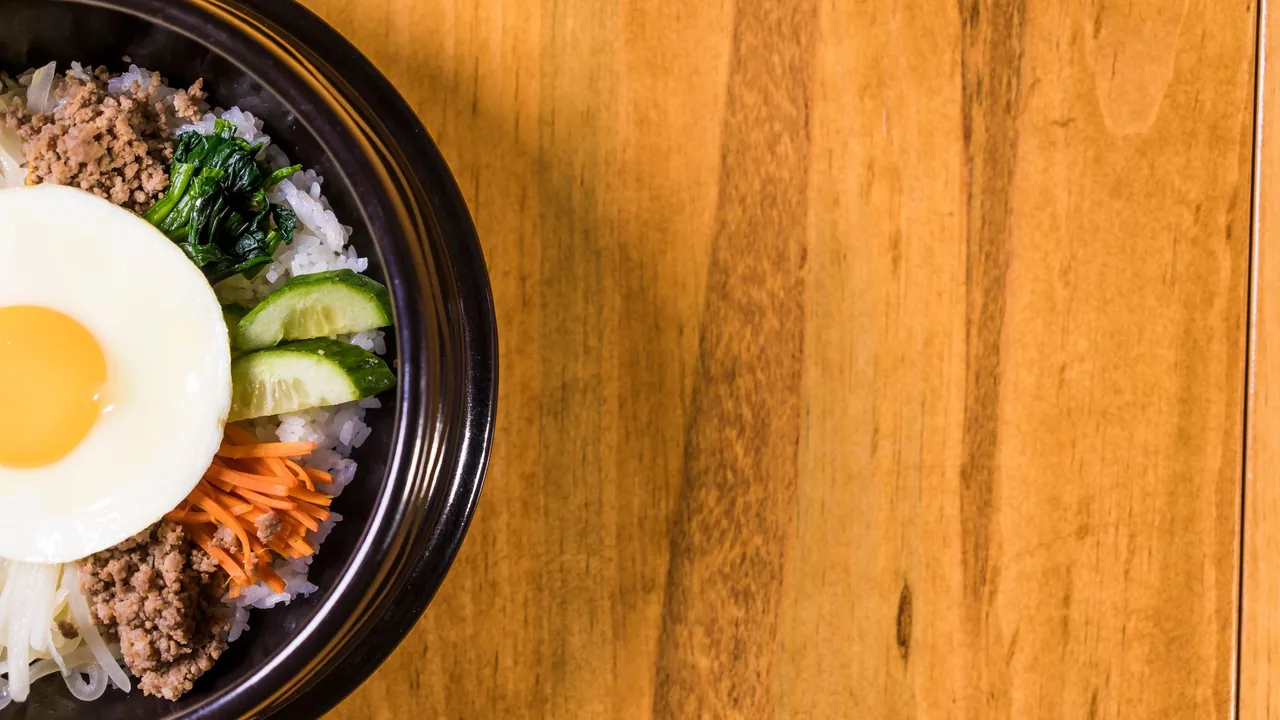
Different, not worse. Gwangju is famous for bibimbap (rice mixed with vegetables), jjim (braised dishes), and regional kimchi. Portions are bigger, prices are 20–30% lower, and the food feels more homestyle than Seoul's trendified versions. If you want molecular gastronomy, Seoul wins. If you want authentic, filling, cheap food, Gwangju wins. Both are worth experiencing.
Q: Can I get around without Korean language?
Yes, especially with a smartphone. Naver Map with English, translation apps, and hotel staff help enormously. Subway signs have English. Taxis have translation apps (show your destination as a photo or address). You'll hit friction points (small restaurants, older taxi drivers, administrative tasks), but nothing insurmountable. Learning basic Korean phrases dramatically smooths the experience.
Q: What are the biggest tourist traps to avoid?
Tourist-only restaurants on Geumnamro's main strip charging ₩20,000+ for standard dishes (eat one street over instead). Unmarked taxis (always call official taxis via Kakao Taxi app). Overpriced guesthouses booked via sketchy international sites (use Airbnb, Booking.com, or local platforms like Yanolja). Don't assume English-language menus = inflated prices—many genuine gems have them.
Closing Call-to-Action
Gwangju isn't Seoul, and that's its superpower. It's a real city where foreigners still feel like arrivals, not one of thousands. The infrastructure is building but hasn't commodified the experience yet.
Ask the KORLENS AI chat for Gwangju place suggestions based on your interests. It is an AI assistant that replies in seconds, not a human team, and it works from Korea Tourism Organization open data. Also visiting Seoul? Seoul Local Picks covers Seoul only.
And if you're weighing Gwangju against other Korean cities, read our Korea regional guide to see where else makes sense.
Go now. Eat well. Leave no English comfort zone unchallenged.
Next Step
About this guide
KORLENS is run by one person (KunStudio, a solo studio in Korea), not an editorial team. Guides are AI drafts based on public sources; some use Korea Tourism Organization TourAPI open data. KORLENS does not claim on-site visits or scheduled re-checks, so confirm hours, prices and closures with the venue before you go. Page last edited: 2026-06-10.
Plan your Korea trip with the KORLENS AI chat
Got a follow-up question after reading this? Ask the KORLENS AI chat in plain English. It is an AI assistant, not a person, and it replies in seconds with places from Korea Tourism Organization open data.
Ask the KORLENS AI chatCurious about Korean Saju? Try sajuapp.app
1,000-year-old Korean astrology, decoded by AI — available in 9 languages.
Is it worth visiting, the best time to go, crowds and real cost.
Gwangju Walking and Outdoor Courses Worth Doing (2026)
Skip Seoul's crowded trails. Gwangju's walking courses offer authentic urban parks, mountain routes, and riverside paths—with prices half the capital's cost.
Solo Female Travel in Gwangju: 2026 Safety + Practical Guide
Gwangju is safer than most Korean cities for solo women travelers. Here's what locals know about neighborhoods, prices, and practical survival tips.