Gwangju Cultural Landmarks in Half a Day (2026 Local Guide)
Skip the tourist traps. Hit Gwangju's real cultural landmarks in 4 hours with a local-tested itinerary that actually fits your schedule.
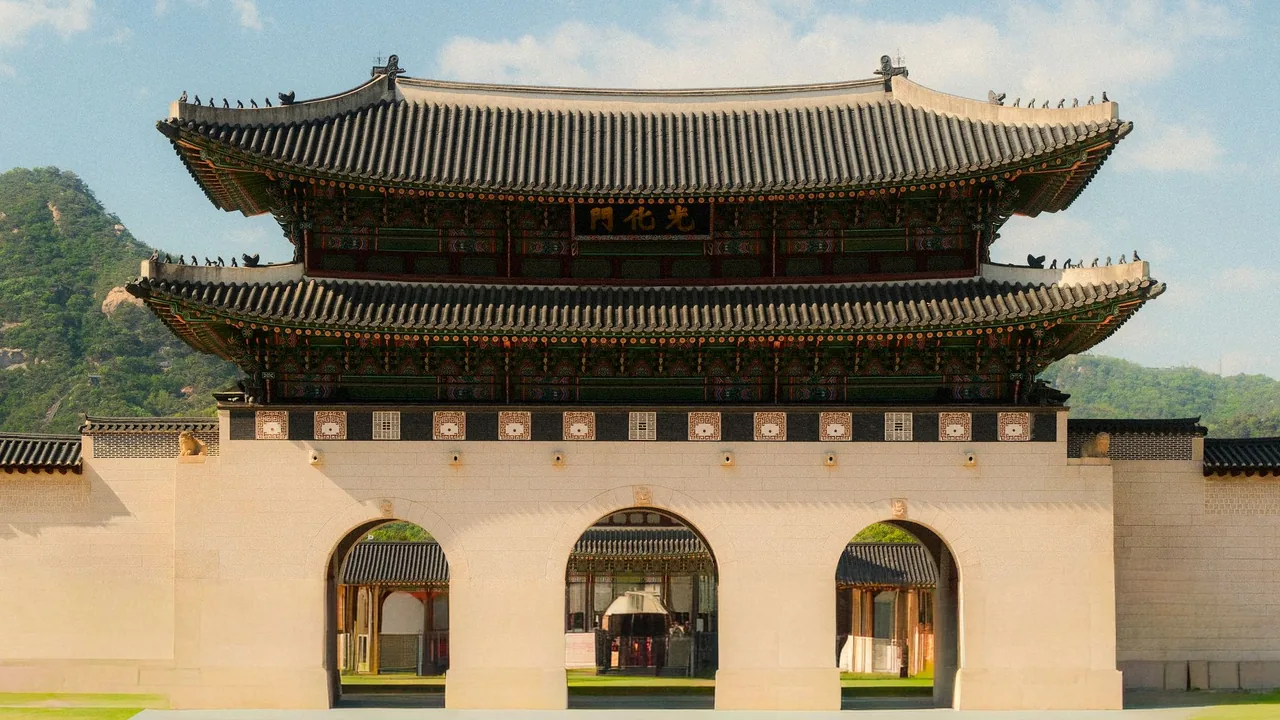
Gwangju's Real Cultural Story Isn't in the Guidebooks
Gwangju isn't Seoul. It won't assault you with crowds or ask you to spend a fortune proving you were there. What it will do is hit you with genuine cultural depth—the kind that locals actually care about, not what's been optimized for Instagram. Most visitors waste half a day on one overrated spot. You're going to see four solid cultural landmarks, eat real food, and understand why Gwangju matters to Korean history. Here's how.
The Two-Stop Combo That Works Best
Start at Asian Culture Complex (11 AM arrival). Spend 90 minutes here—don't rush it. The building itself is architecture worth studying, and the exhibitions rotate, but the permanent collections on Korean performing arts and digital culture are genuinely well-curated. Grab lunch at one of the cafés inside (₩8,000–₩12,000 for set meals).
Then head to Mudeungsan National Park (20-minute taxi, ₩7,500). You won't hike the full mountain—no time. Instead, walk the accessible 40-minute loop around Jeungsimsa Temple area. You'll see stone pagodas, temple grounds, and mountain views that explain why this place mattered spiritually for 1,500 years. This combo gives you both the modern cultural institution AND the historical spiritual anchor that defines Gwangju.
If you want to understand Gwangju's real identity, you must spend 45 minutes at the National 5·18 Democratic Uprising Cemetery. This isn't optional if you care about Korean history. The 1980 uprising defined the city. Pay respect, read the stories. Admission: free.
Walk downhill 15 minutes (or take a bus, ₩1,250) to Gwangju Folk Museum in the Yangnim district. This smaller museum shows daily life, textiles, and ceramics from the Jeolla region. It's less crowded than the big museums and gives you real context. Entry: ₩3,000. Plan 60 minutes here.
This combo is heavier emotionally but connects you to why Gwangju exists as a cultural force.
Seven Must-Stop Landmarks & Real Prices (2026)
- Location: 57 Unno-ro, Dong-gu (near Gwangju Station)
- Hours: 9 AM–6 PM (closed Mondays)
- Entry: ₩5,000 (free for under 18, over 65)
- Time needed: 90 minutes
- Why: Korean ceramics, bronze mirrors, and Joseon-era artifacts. The pottery collection is one of the best in the country. Skip the gift shop; it's overpriced.
- Insider tip: Wednesday and Friday evenings until 9 PM if you prefer fewer crowds.
- Location: 38 Munhwaro, Nam-gu (Songjeong district)
- Hours: 10 AM–6 PM (closed Mondays)
- Entry: ₩10,000 (exhibitions rotate; some free areas)
- Time needed: 75 minutes
- Why: Modern building, serious institutional weight. Focuses on Korean performing arts and contemporary culture. The exhibition space is genuinely professional.
- Insider tip: Check their event calendar before you go—occasional free evening performances worth catching.
- Location: 39-1 Sangmu-ro, Dong-gu
- Hours: 9 AM–5 PM (open daily, year-round)
- Entry: Free
- Time needed: 45–60 minutes
- Why: Sacred site. 144 graves of citizens killed in the 1980 uprising. Essential for understanding modern Korean history and Gwangju's soul.
- Insider tip: Bring water. There's a small museum at the entrance with English signage explaining the timeline. Go mid-morning to avoid larger afternoon groups.
- Location: Main entrance via Dong-gu, accessible by bus 40 (₩2,500 from city center)
- Hours: Sunrise to sunset (always open)
- Entry: ₩5,000 park fee
- Time needed: 45–90 minutes (short loop)
- Why: Sacred Buddhist site dating to 876 CE. Stone pagodas, mountain views, spiritual atmosphere. This is where Gwangju's cultural memory goes to breathe.
- Insider tip: Go on weekday mornings. Weekends get packed with Seoul day-trippers. Bring comfortable shoes—paths are rocky.
- Location: 140 Yangnim-ro, Seo-gu
- Hours: 10 AM–6 PM (closed Mondays)
- Entry: ₩3,000
- Time needed: 60 minutes
- Why: Regional textiles, pottery, domestic objects, and Jeolla-specific heritage. Smaller than national museums but more intimate and accurate to local life.
- Insider tip: The Yangnim-dong neighborhood itself is worth 30 minutes of wandering—old architecture, small galleries, and a historic church from the 1920s.
- Location: 309 Pilmun-daero, Dong-gu (on university campus)
- Hours: 10 AM–4 PM (closed Sundays and public holidays)
- Entry: Free
- Time needed: 45 minutes
- Why: Often overlooked by tourists. Houses East Asian antiquities, Korean art, and university-collected artifacts. Excellent quality for zero admission cost.
- Insider tip: Call ahead (+82-62-230-6327) to confirm hours. The museum is small, so it fills up with school groups in the early afternoon.
- Location: 33 Gwangjugongye-ro, Nam-gu
- Hours: 10 AM–6 PM (closed Mondays)
- Entry: ₩5,000
- Time needed: 60 minutes
- Why: Jeolla province has been Korea's ceramic heartland for centuries. This museum showcases traditional and contemporary pottery. Hands-on workshops available (₩20,000–₩40,000 for 90-minute classes).
- Insider tip: If you book a pottery workshop, arrive 30 minutes early—you'll need time to change and settle in. Studio quality is genuinely professional.
Practical Etiquette & Logistics (8 Must-Know Rules)
- Temple decorum at Jeungsimsa: Remove shoes before entering temple halls. Bow to the Buddha altar. Photography is allowed outside and in some public areas, but ask before photographing monks. Silence is expected in meditation spaces.
- Cemetery respect: The 5·18 cemetery is a memorial to the dead. Dress modestly (no beach clothes). Don't touch the stone markers. Walk slowly and speak quietly. This isn't a photo op—it's a place of national remembrance.
- Museum bag policy: Most Korean museums don't allow large backpacks in exhibition spaces. Use lockers (usually ₩1,000–₩3,000 refundable). Bring a small crossbody bag instead.
- Payment methods: Cash is still king in smaller museums and temples. ATMs are available at every convenience store (GS25, CU, Emart24). Credit cards work at larger institutions, but confirm before entering.
- Temperature control: Museums maintain aggressive air conditioning in summer (June–August). Bring a light layer. Parks can be hot and sunny—sunscreen and a hat are non-negotiable.
- Closing times are hard stops: Korean cultural institutions close exactly on time. The doors lock at 6 PM. Arrive at least 30 minutes before closing if you want a real experience, not a rushed sprint.
- Photography etiquette: Flash photography damages ancient artifacts. If you see a "no photography" sign, respect it absolutely. Phones are fine for personal memory—they're not asking you to buy their overpriced postcard, just be respectful.
- Language: English signage exists in major museums and at the cemetery, but it's sparse. Download the Papago app (Korean-to-English translation). Point your phone camera at signs; it translates them in real-time. Staff at major institutions speak basic English—smile and gesture if language is a barrier.
- Transportation: Buy a T-money card (₩2,500 refundable at any convenience store). Single trips cost ₩1,250 for buses, ₩1,450 for subway. Much cheaper than taxis and you'll actually see the city.
- Hydration and food: Convenience stores are everywhere and cheap (₩3,000–₩5,000 for meals). Museum cafés are acceptable but overpriced. Pack water. Eat at proper restaurants when you have time—local bibimbap or jjim (braised dishes) are Gwangju signatures (₩7,000–₩12,000).
FAQ: What Locals Actually Get Asked
A: KTX train from Seoul Station is 2 hours 40 minutes, ₩47,000–₩55,000 one-way. Express buses from Gangnam are 3.5 hours, ₩20,000–₩25,000. KTX is faster but buses are cheaper. Trains have reserved seating and free WiFi. If you're coming from Busan, bus is ₩16,500 and takes 3 hours. Gwangju doesn't have an international airport, so plan accordingly.
A: Completely safe. Thousands of international visitors come here yearly. The site is well-maintained and has English explanations. Locals respect the space—you won't encounter any hostility. Bring respectful intentions and you're fine. This is sacred ground, not a danger zone.
A: Yes, but Mudeungsan gets crowded with sledders on weekends and snow can close upper paths. Winter mornings are brutally cold (0°C to –5°C). Museums are heated and open year-round. The 5·18 cemetery is actually more poignant in winter—fewer tourists, contemplative atmosphere. Dress in layers.
A: If you have only 3 hours, skip Chosun University Museum and go straight to National 5·18 Cemetery + Gwangju National Museum. If you have 4 hours and love nature, skip one museum and add 90 minutes to Mudeungsan. Prioritize based on what moves you—history or art.
A: Gwangju National Museum occasionally offers English tours (check their website weekly). The 5·18 cemetery has excellent English signage and staff. Most other sites don't offer formal tours—you'll navigate independently. The Papago app is your English guide. Consider hiring a local guide through GwangjuTour.com (₩150,000 for 4 hours).
A: Gwangju's signature dish is kimchi—specifically gwangju kimchi, which uses less garlic than Seoul versions. Try it at Gwangju Kimchi Town (Sasam-ro area, meals ₩8,000–₩14,000). Tteokgalbi (rib-shaped ground beef patties) are local royalty—eat at family-run restaurants in Sangmu-dong (₩15,000–₩20,000 per plate). Avoid tourist restaurants near museums; walk 5 minutes in any direction to find real neighborhood spots.
Your Half-Day Itinerary at a Glance
9:30 AM: Arrive at Gwangju National Museum, buy T-money card at nearby convenience store. 9:45 AM–11:15 AM: Museum (90 minutes). 11:30 AM–1:00 PM: Lunch at museum café or neighborhood restaurant (30 minutes travel + 30 min eat). 1:15 PM–2:45 PM: National 5·18 Cemetery (90 minutes). 3:00 PM–4:30 PM: Gwangju Folk Museum (90 minutes, bus ride 15 min). 4:45 PM: Depart or add a 30-minute walk through Yangnim-dong gallery district if energy permits.
Total cost: ₩23,000–₩35,000 (museums + transportation, food excluded).
The Takeaway: Gwangju Rewards Slowness
Gwangju's cultural landmarks aren't designed to impress visitors who are rushing. They're built for people who have time to sit, read, and absorb. You'll move slower here than in Seoul or Busan, and that's the entire point. The 5·18 cemetery will stay with you. The temple stones will reset something in your mind. The ceramics will show you that beauty doesn't require flash.
You came to Korea for culture. Here it is—real, unfiltered, and waiting.
Ask the KORLENS AI chat for Gwangju cultural landmark suggestions based on your interests. It is an AI assistant that replies in seconds, not a human team, and it works from Korea Tourism Organization open data. Also visiting Seoul? Seoul Local Picks covers Seoul only.
Next Step
About this guide
KORLENS is run by one person (KunStudio, a solo studio in Korea), not an editorial team. Guides are AI drafts based on public sources; some use Korea Tourism Organization TourAPI open data. KORLENS does not claim on-site visits or scheduled re-checks, so confirm hours, prices and closures with the venue before you go. Page last edited: 2026-06-09.
Plan your Korea trip with the KORLENS AI chat
Got a follow-up question after reading this? Ask the KORLENS AI chat in plain English. It is an AI assistant, not a person, and it replies in seconds with places from Korea Tourism Organization open data.
Ask the KORLENS AI chatCurious about Korean Saju? Try sajuapp.app
1,000-year-old Korean astrology, decoded by AI — available in 9 languages.
Is it worth visiting, the best time to go, crowds and real cost.
12 Gwangju Photography Spots for Instagram (2026 Local Picks)
Skip the tourist traps. Discover 12 authentic gwangju photography spots where locals actually shoot. Real prices, real light, real stories.
Gwangju on a Budget: How to Travel for KRW 100,000/Day in 2026
Gwangju isn't Seoul—and that's exactly why you can eat, sleep, and explore for under 100K daily. Here's how locals do it.